

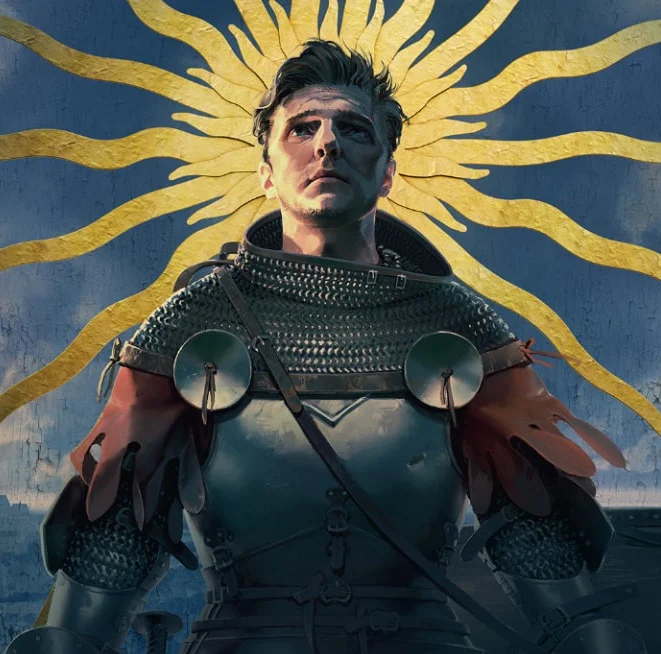
In an industry currently obsessed with the pursuit of photorealism—where developers push hardware to its absolute limit to render individual pores, dynamic lighting, and hyper-accurate hair follicles—there remains a quiet, defiant corner of the gaming world that chooses a different path. For many players, the siren song of “visual fidelity” is far less compelling than the evocative power of stylized art direction.
While we have entered an era where games can look indistinguishable from reality, a significant portion of the gaming community remains firmly in the camp of the stylized. From the elegant, sweeping ink-wash brushstrokes of Okami to the haunting, painterly impressionism of Disco Elysium, the most memorable titles in history are rarely the ones that look like a photograph. Instead, they are the ones that possess a distinct, curated identity. Nowhere is this more apparent than in the resurgence and evolution of pixel art, a medium that has transcended its technical limitations to become a sophisticated language of its own.
The Chronology of Pixels: From Constraint to Craft
To understand why pixel art remains a titan of industry aesthetics, one must look at its origins. In the 8-bit and 16-bit eras, pixel art was not a stylistic choice; it was a desperate necessity. Developers were constrained by severely limited memory and processing power. Every single pixel had to be placed with surgical precision because there was no room for error or excess.
The 8-Bit and 16-Bit Genesis
In the late 1980s and early 1990s, the "look" of gaming was defined by hardware limitations. The NES and Super Nintendo forced artists to become masters of economy. Titles like Secret of Mana didn’t just provide a story; they provided a masterclass in how to convey emotion through a limited color palette and sparse animations. For many, these games rewired their brains, setting a high-water mark for environmental storytelling that persists to this day.
The 32-Bit Transition and the "HD" Renaissance
As the industry pivoted toward 3D polygons in the mid-to-late 90s, many predicted the death of the sprite. For a time, 2D art was viewed as "outdated." However, the turn of the millennium sparked a counter-movement. Developers began to realize that while they were no longer limited by hardware, the aesthetic of the pixel allowed for a level of abstraction that 3D often struggled to match. Today, we exist in an era of "Neo-Pixel" art, where modern engines allow for advanced lighting, particle effects, and parallax scrolling that would have been impossible on original hardware.
Supporting Data: The Continued Market Dominance of Stylized Indie Titles
The commercial and critical success of pixel-art-focused titles is not merely a nostalgic fluke; it is a data-driven trend. Over the last decade, indie studios have proven that a "retro" aesthetic can be a massive selling point rather than a barrier to entry.
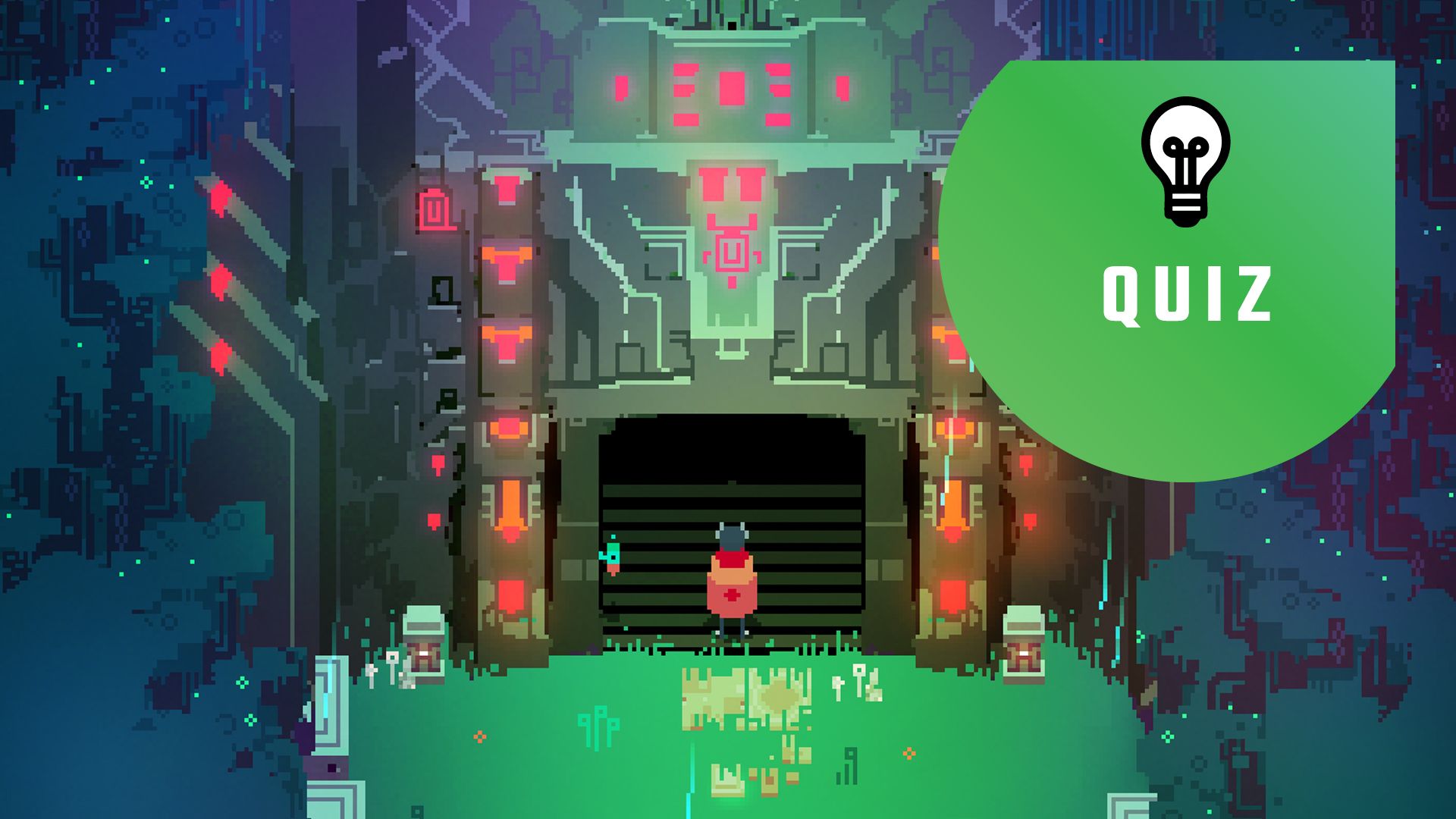
- The Critical Consensus: Review aggregators consistently show that games with distinct, stylized art directions—particularly pixel art—frequently outperform photorealistic titles in terms of "Art Direction" and "Originality" categories.
- Player Retention: Data from digital storefronts like Steam suggest that games with strong, cohesive visual identities (such as Hyper Light Drifter, Stardew Valley, or Blasphemous) benefit from higher community engagement and longer "long-tail" sales cycles compared to generic AAA titles that prioritize realistic textures over cohesive art design.
- Accessibility and Hardware: Pixel art games are inherently more accessible, often running on a wider range of hardware, from high-end PCs to portable handhelds like the Steam Deck or Nintendo Switch. This hardware-agnostic nature broadens the potential player base significantly.
The Modern Masterpieces: Pushing the Boundaries
We are currently living in a golden age of pixel art. Modern developers are no longer trying to replicate the past; they are expanding the vocabulary of the medium.
- Hyper Light Drifter: This title is frequently cited as the gold standard for modern pixel work. By utilizing a vibrant, neon-soaked color palette and incredibly fluid character animations, the game creates an atmosphere of loneliness and mystery that feels deeply modern despite its retro roots.
- Replaced: A upcoming title that exemplifies the "2.5D" future of the craft. It blends traditional pixel character work with deep, cinematic 3D lighting and environmental effects. It serves as a bridge between the classic era and the future of game design, proving that pixels can feel just as "cinematic" as a high-budget 4K blockbuster.
Official Industry Perspectives on Visual Direction
Industry veterans often argue that the "graphics vs. art" debate is a false dichotomy. According to many art directors at top-tier studios, photorealism is just one tool in the kit, and it is often the most dangerous one to use.
"When you aim for realism, you run the risk of the Uncanny Valley," notes one design lead. "When you aim for a specific art style—whether it’s pixel art, cel-shading, or claymation—you are creating a world that is uniquely your own. It doesn’t age because it wasn’t trying to look like the real world in the first place."
This sentiment is echoed by the surge of "Indie-to-AAA" success stories, where developers who cut their teeth on 2D pixel-based projects are now leading the design departments at larger studios, bringing with them a deep appreciation for the principles of silhouette, color theory, and visual readability that pixel art demands.
Implications for the Future of Gaming
What does this mean for the future of the medium? It suggests a bifurcated path for the industry. While some developers will continue the expensive, arduous race toward the "holodeck" experience—where the goal is to erase the line between game and reality—a growing segment of the market will continue to prioritize the experience of the art.
- The Rise of "Art-First" Design: Expect to see more AAA studios adopting stylized, non-photorealistic art directions to differentiate themselves in a crowded marketplace.
- The Preservation of Craft: As tools like AI-generated assets become more common, the human element—the deliberate placement of a single pixel by an artist’s hand—will become a badge of honor and a mark of quality.
- The Evolution of Nostalgia: The definition of "retro" will continue to shift. We are already seeing games inspired by the 32-bit PS1/Saturn era, featuring "low-poly" and "dithered" aesthetics, signaling that the cycle of aesthetic rediscovery is moving faster than ever.
Test Your Knowledge: The Pixel Art Quiz
Because of our collective adoration for this medium, we at PC Gamer have curated a challenge for the true connoisseurs of the craft. We have assembled a collection of 15 titles, ranging from traditional 8-bit homages to modern, atmospheric masterpieces.
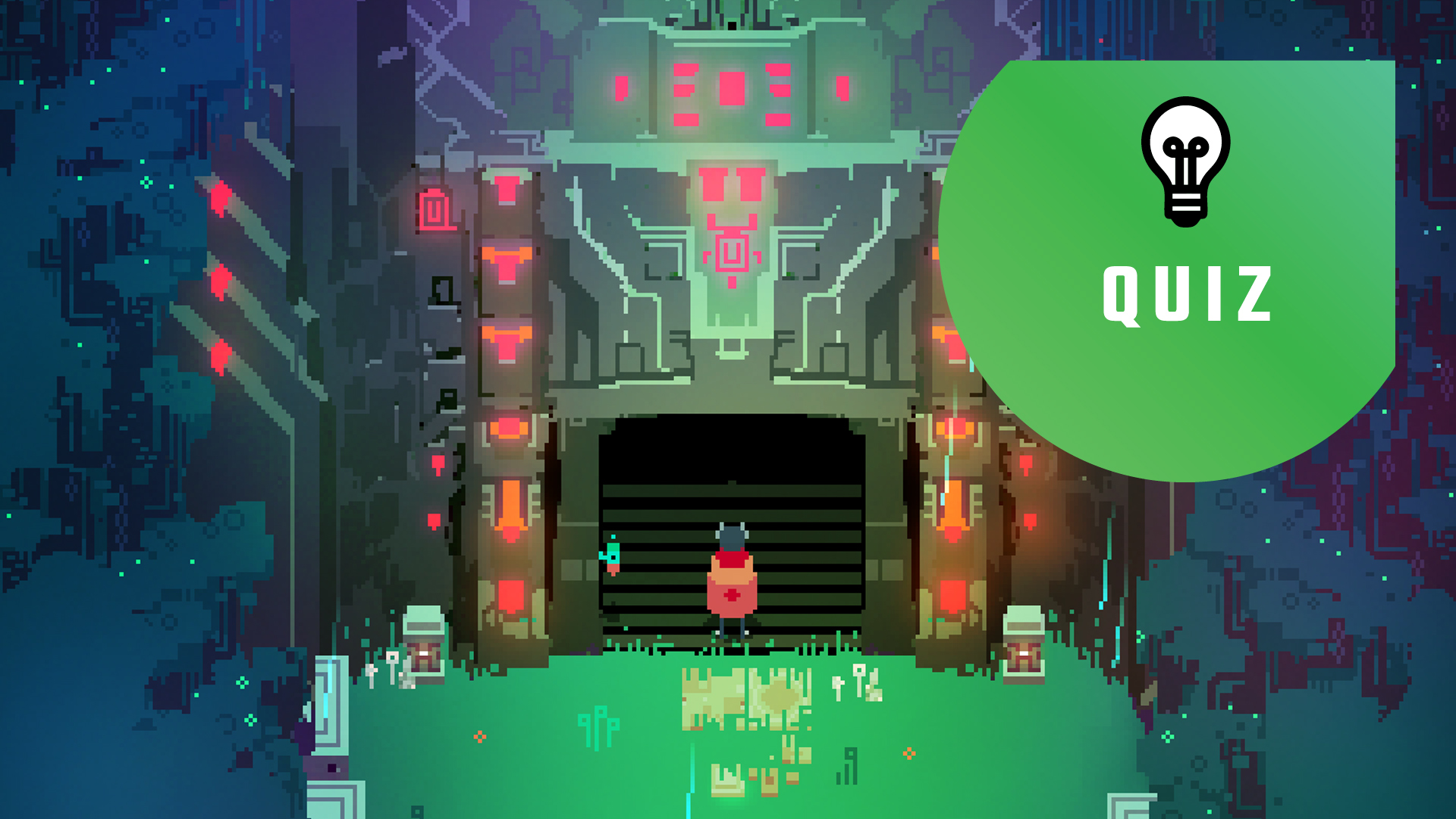
The Challenge: You have 10 minutes. Based on a single, carefully cropped screenshot, can you identify the game?
This is more than just a memory test; it is an exercise in identifying the unique visual signatures of the world’s most talented pixel artists. Whether it’s the specific shade of purple in a dungeon wall or the distinct character sprite of a long-lost hero, your knowledge of these games is a testament to the lasting impact of their art direction.
[Take the PC Gamer Pixel Art Quiz Here]
Conclusion: A Call to the Community
As we look toward the future, the debate between realism and stylization will surely continue. However, the victory of the "pixel" is already clear. It has survived the transition from the bedroom-coded experiments of the 80s to the high-budget indie darlings of the 2020s. It is a testament to the idea that in gaming, the most powerful visual tool isn’t the number of polygons on the screen—it’s the intention behind every pixel.
Once you have finished the quiz, we encourage you to share your results and, more importantly, your list of "essential" pixel art games. The list of titles that use this medium to tell profound, moving stories is growing every day. Perhaps your favorite will be the subject of our next challenge. Until then, keep playing, keep looking, and keep appreciating the art that defines our favorite hobby.

