

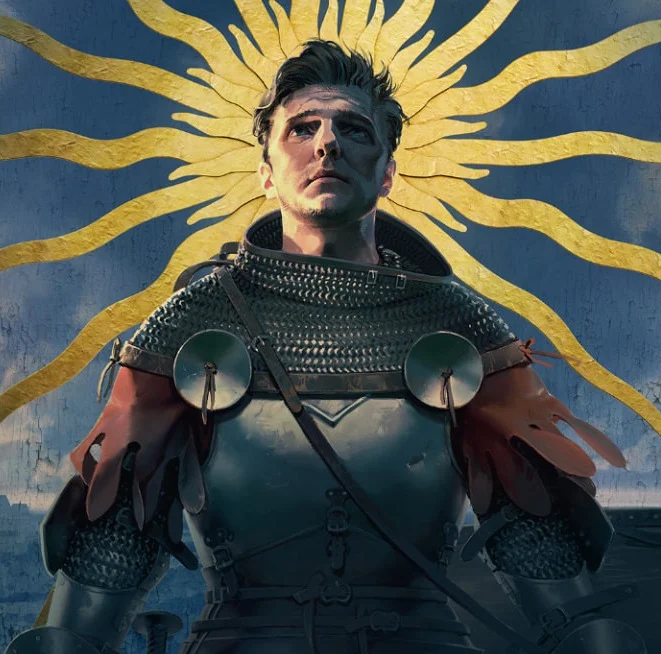
Twenty-four years after its initial release, The Elder Scrolls III: Morrowind remains a cornerstone of Western RPG design. Its alien landscapes, deep political intrigue, and unyielding commitment to player agency have cemented its status as a timeless classic. However, as modern hardware advances and legacy software struggles to maintain compatibility with contemporary operating systems, the "gloomiest and mushroomiest" entry in the series has required a digital preservation effort of unprecedented scale. Enter OpenMW, the fan-developed, open-source engine that has become the gold standard for experiencing Vvardenfell in the modern era. With the release of version 0.51.0, the project has reached a new milestone, effectively blurring the lines between a simple compatibility patch and a full-scale engine modernization.
Main Facts: What Does 0.51.0 Change?
The 0.51.0 update is not merely a bug-fixing exercise; it is a significant expansion of the engine’s capabilities. At the heart of this release is a massive leap forward for the modding community. OpenMW now allows for the creation of custom magic effects via its native scripting API.
Previously, advanced modding for Morrowind—specifically the implementation of complex, non-vanilla mechanics—often relied on the original engine and the "Morrowind Script Extender" (MWSE). While powerful, these tools often created compatibility hurdles and stability concerns. By integrating these capabilities directly into the OpenMW engine, developers have empowered modders to bring ambitious projects, such as the massive Tamriel Rebuilt expansion, into the open-source fold without the need for external, platform-specific hooks.
Beyond scripting, the update introduces:
- Gameplay Adjustments: A long-requested change that allows all character classes to engage in enchantment processes, leveling the playing field for non-mage archetypes.
- Stability Enhancements: A comprehensive overhaul of the Lua scripting environment, resulting in a marked reduction in engine crashes.
- Quality of Life: Significant improvements to gamepad navigation menus, addressing long-standing frustrations for players using controllers on PC or handheld devices like the Steam Deck.
A Chronology of the OpenMW Project
To understand the weight of version 0.51.0, one must look back at the origins of the OpenMW initiative. The project began over a decade ago, born from the frustration of players who found the original NetImmerse engine (Gamebryo) increasingly unstable on Windows 7, 10, and 11.
- 2008–2010: The Formative Years: The project began as an attempt to recreate the Morrowind executable from scratch. Initial progress was slow, focusing on basic rendering and file-format parsing.
- 2012–2015: The Move to C++ and Ogre: The engine underwent a significant refactor to C++, improving performance and cross-platform compatibility. This period saw the first playable builds, though they lacked critical features like combat and quest tracking.
- 2016–2020: Feature Parity: The team focused on achieving "feature parity," ensuring that every mechanic present in the original 2002 game functioned correctly in the new engine. This included the complex logic of the journal system, NPC AI, and the intricacies of the physics engine.
- 2021–2024: The Lua Revolution: The integration of a robust Lua scripting language marked a turning point. It allowed the engine to become extensible, enabling features the original developers never imagined.
- 2025/2026: The 0.51.0 Milestone: Current development has shifted from simple emulation to active enhancement, providing a modern engine framework that exceeds the capabilities of the original 2002 code.
Supporting Data: Why This Matters for Modern Hardware
The primary challenge of playing Morrowind in 2025 is not just graphical fidelity; it is the degradation of legacy code. The original engine was designed for single-core processors and 32-bit architecture. Modern CPUs, which utilize multi-threading and 64-bit instruction sets, frequently cause the original Morrowind to stutter, crash, or fail to launch entirely.
OpenMW solves these issues by re-compiling the game’s logic to run natively on modern hardware. Data indicates that OpenMW users experience:
- Framerate Stability: By decoupling the frame rate from the game’s physics engine, OpenMW allows for smooth gameplay at high refresh rates, a feat that would break the original engine.
- Memory Management: The engine effectively utilizes modern RAM allocations, allowing for significantly higher texture resolutions and distant land rendering without the memory leaks that plagued the original game.
- Cross-Platform Portability: Because OpenMW is open-source, it has been successfully ported to Linux, macOS, and even mobile platforms, allowing the game to thrive far beyond its original Windows-only confines.
Official Responses and Technical Nuance
The developer community behind OpenMW has been clear: this update is a "bridge" release. While it is stable enough for a full playthrough, they advise users that the move to 0.51.0 involves a change in save-file formatting.
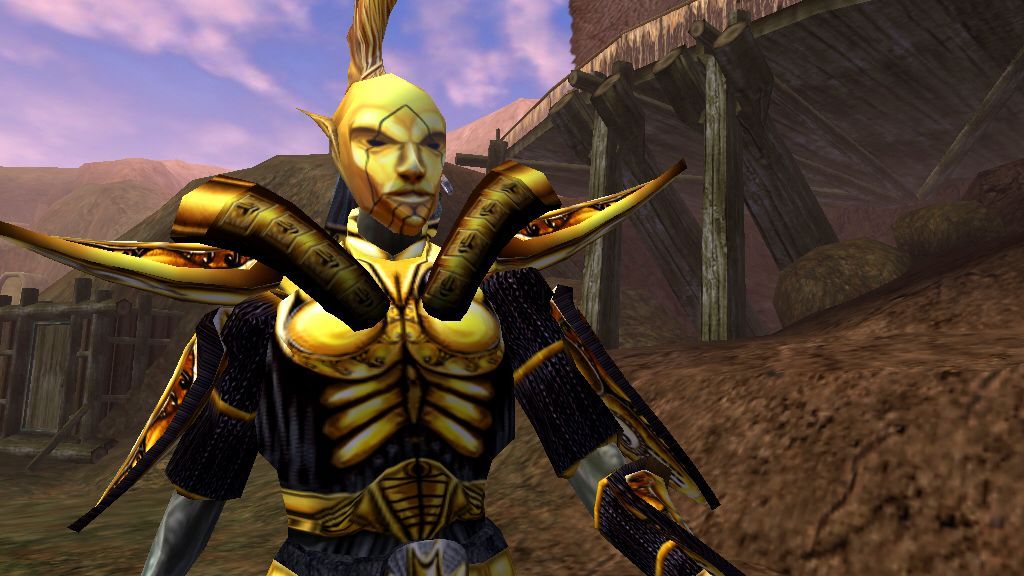
"While existing saves are fully compatible with the new version," the release notes clarify, "the engine has updated its serialization protocol. This means that while you can bring your old character forward into 0.51.0, you will not be able to revert those saves to older versions of the engine."
This technical hurdle is a small price to pay for the improvements in stability. The team also highlighted the reduction in "Lua-related crashes," a direct result of tighter integration between the engine’s core loops and the scripting interface. By sanitizing how scripts interact with the game world, they have effectively removed one of the most common failure points in modded Morrowind installations.
Implications: The Future of CRPG Preservation
The success of OpenMW, alongside sister projects like Daggerfall Unity, carries profound implications for the gaming industry. These projects prove that when source code is inaccessible or antiquated, community-driven "re-engine" projects can sustain a title’s legacy better than the original publishers might.
The "Museum Piece" vs. "Living Game"
There is an ongoing philosophical debate within the community regarding the purpose of these engines. Should they strictly replicate the 2002 experience (bugs and all), or should they modernize the game into something that feels like a 2025 release?
OpenMW 0.51.0 leans toward the latter, providing the tools for "Modernized Morrowind." By allowing modders to inject new magic effects and complex game rules directly into the engine, OpenMW has ensured that Morrowind is not just a museum piece to be looked at, but a living, breathing canvas for new content.
A Blueprint for Others
The model established by the OpenMW team—transparency, open-source documentation, and a focus on modularity—has become a blueprint for other projects. Titles like Fallout, Arcanum, and even early Ultima games have seen similar, albeit smaller, efforts. However, OpenMW remains the gold standard. Its ability to handle massive, game-changing mods like Tamriel Rebuilt while maintaining the core "soul" of the game is why it continues to attract thousands of new players each year.
Conclusion
As we look toward the future, the longevity of The Elder Scrolls III seems secure. Projects like OpenMW 0.51.0 represent the best of what the PC gaming community can achieve. By taking a game that was technically "finished" over two decades ago and rebuilding its foundation from the ground up, the contributors have ensured that future generations can experience Vvardenfell without the technical baggage of the past.
Whether you are a veteran of the Great House wars or a newcomer curious about why so many people talk about "n’wahs" and "cliff racers," there has never been a better time to step off the boat at Seyda Neen. With the latest update, the world of Morrowind is more stable, more customizable, and more accessible than it has ever been. In a world where digital storefronts and server shutdowns threaten the history of our medium, OpenMW stands as a beacon of preservation—a reminder that a great game never truly dies, as long as there is a community willing to keep the engine running.

