

Main Facts: A New Frontier for Vehicular Horror
The landscape of indie horror has long chased the claustrophobic brilliance of David Szymanski’s 2022 breakout hit, Iron Lung. A masterclass in minimalist terror, the game trapped players inside a tiny, blind submarine navigating an ocean of human blood on an alien moon. Despite critical acclaim and even a forthcoming film adaptation spearheaded by prominent content creator Markiplier, the industry has seen surprisingly few titles successfully capture its specific brand of vehicular dread. While games like Barotrauma offer chaotic cooperative deep-sea survival, and modern job-simulators like Kletka and Shift at Midnight channel the frantic industrial panic of Lethal Company, the unique formula of solitary, blind navigation through hostile environments has largely remained untouched.
Enter The Temple, an ambitious upcoming total conversion mod for Valve’s venerable Half-Life 2 Source engine, developed by creator Klems. Rather than merely mimicking the underwater tropes of Iron Lung, The Temple dramatically scales up the concept. It transports players to a mysterious, aquatic alien planet dominated by colossal concrete megastructures, and tasks them with surviving using not just one, but three distinct vehicles: a deep-sea submarine, a sky-fARING airship, and a deep-space shuttle capable of reaching orbiting asteroidal moons.
Originally conceived as a brief, 20-minute map pair for MapLabs—a community hub showcasing custom maps from various Source engine modding competitions—The Temple is now being expanded into a fully realized, standalone sci-fi horror experience boasting over two hours of gameplay. With a release window slated for "very soon," the project represents a major technical and creative milestone for the Source engine modding community, pushing aging software to handle submarine depths, atmospheric skies, and the vacuum of space within a single cohesive narrative.
Chronology: From MapLabs Jam to Full-Scale Sci-Fi Odyssey
The journey of The Temple from a fleeting game jam entry to a highly anticipated total conversion highlights the enduring vitality of the Half-Life 2 modding scene.
Phase 1: The Genesis in MapLabs
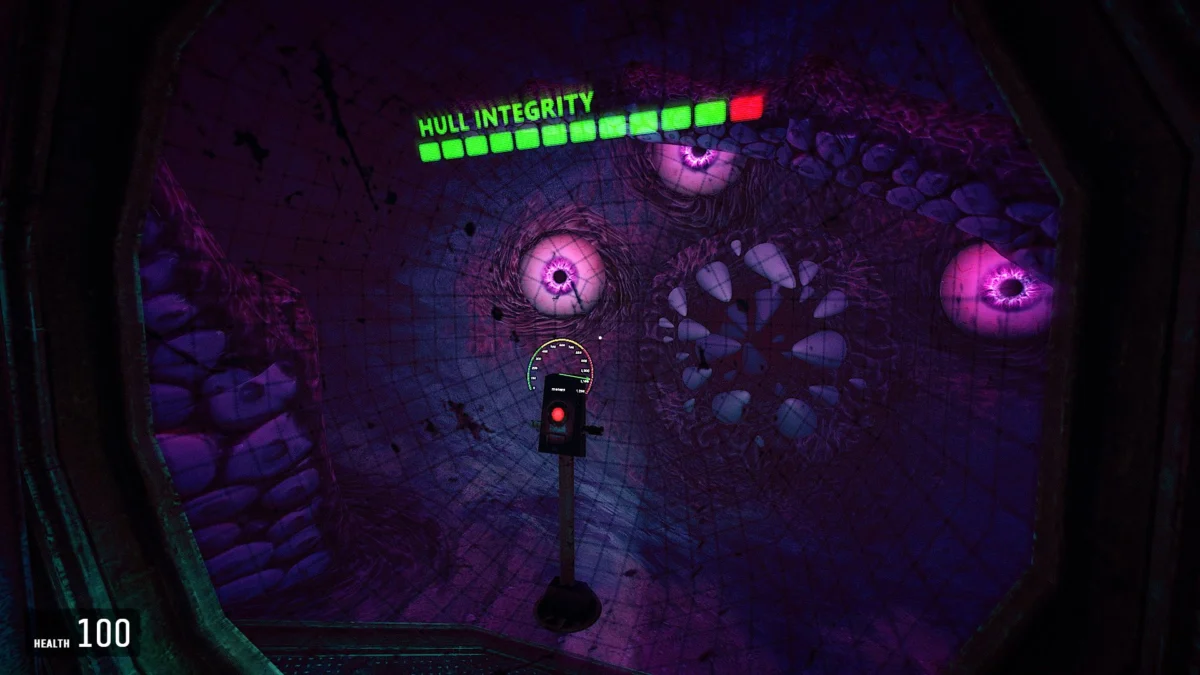
The project’s origins trace back to MapLabs, a well-known community platform that challenges level designers to build short, atmospheric maps around specific thematic prompts using the Source engine. Creator Klems originally submitted The Temple as a two-map contribution. While praised for its heavy atmosphere, eerie sound design, and striking visual direction, the experience was fleeting—clocking in at roughly 20 minutes from start to finish. Players navigated a grim underwater facility, peering through tiny viewing windows at incomprehensible, massive entities lurking in the murk.
Phase 2: Recognizing the Potential
Following the positive reception within the MapLabs community, Klems realized that the core premise—exploring an enigmatic alien world through the safety (and vulnerability) of specialized vehicles—had legs far beyond a quick game jam entry. The decision was made to transform the project into a standalone total conversion. This meant not only completely revamping and expanding the original two maps with modern detailing, expanded layouts, and heightened tension, but also engineering an entirely new third phase of the game that would shift the perspective from aquatic depths to outer space.
Phase 3: The Upcoming Launch
As development enters its final stretches, Klems has released a comprehensive gameplay trailer showcasing the mod’s diverse vehicular mechanics and sweeping scale. While a strict calendar date remains unconfirmed, the developer has assured the community that the mod will launch "very soon, possibly next month." This transition marks the culmination of months of iterative design, breathing fresh terror into a game engine that first debuted over two decades ago.
Supporting Data and Technical Overview: Pushing the Source Engine to Its Limits
Developing a multi-tiered sci-fi horror game featuring three distinct vehicles inside the Source engine is no small technical feat. Traditionally optimized for linear, ground-based first-person shooters, engine modifications of this scale require immense ingenuity from solo creators or small indie teams.
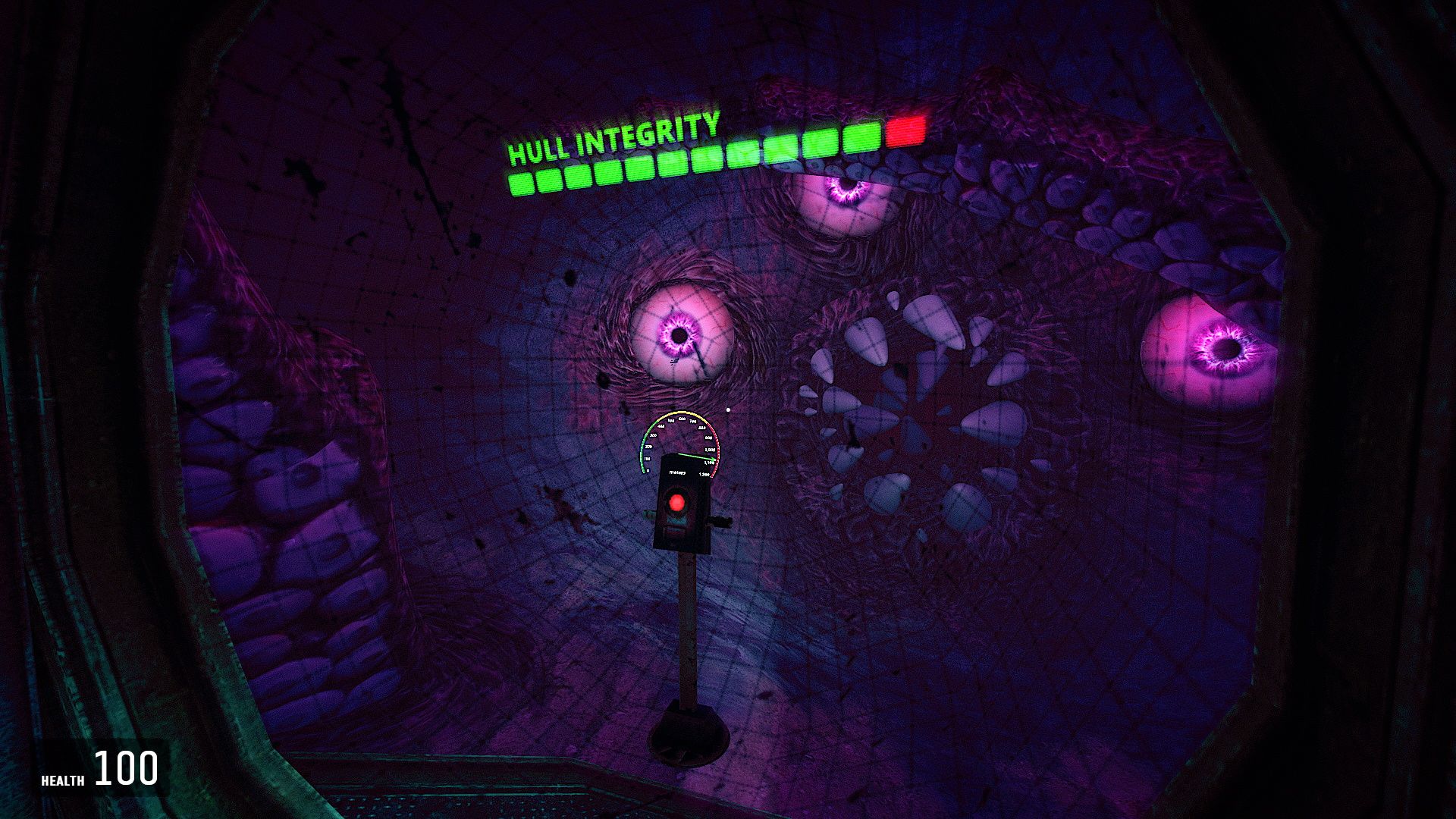
- Vehicular Diversity: The Temple splits its gameplay across three operational environments:
- The Submarine: Dedicated to exploring the dark, abyssal ocean floors of the planet, echoing the claustrophobic dread of Iron Lung.
- The Airship: Designed for atmospheric navigation, allowing players to soar through alien skies and investigate abandoned, towering concrete monoliths rising out of the water.
- The Space Shuttle: Propels players beyond the planet’s atmosphere to explore desolate asteroidal moons orbiting overhead.
- Scope and Playtime: The total conversion expands the original 20-minute game jam map into a robust, narrative-driven experience lasting over two hours.
- Engine and Assets: Built as a standalone total conversion for Half-Life 2 via the Source engine, utilizing custom scripting to handle complex vehicular movement, atmospheric transitions, and scripted horror encounters.
- Horror Mechanics: Incorporates psychological terror elements reminiscent of Amnesia: The Dark Descent, including invisible water-based monsters that track player movement, paired with surreal narrative devices such as a talking corvid (crow) guide whose alien language players gradually learn to understand.
Official Responses and Creator Insights
While major commercial publishers rarely comment on grassroots modding projects, the reaction from the independent game development and modding community has been overwhelmingly enthusiastic. The Temple has quickly become a focal point on platforms like ModDB and Reddit, drawing praise from veteran PC gamers who grew up on classic Source engine modifications.
Creator Klems has been relatively tight-lipped about the exact narrative beats of The Temple, preferring to let the environmental storytelling and unsettling atmosphere speak for themselves. However, commentary released alongside the official mod trailer highlights a deliberate design philosophy: balancing the vast, intimidating scale of megalophobic architecture with the suffocating confinement of vehicle interiors.
By placing the player inside machines—metal tubes, pressurized glass cabins, and orbital hulls—Klems deliberately weaponizes the illusion of safety. As demonstrated in the trailer, peering out of a submarine porthole to find a massive, multi-eyed purple entity staring back emphasizes that neither the ocean floor, the open sky, nor the vacuum of space can protect the protagonist from what inhabits The Temple.
Implications: What The Temple Means for the Future of Indie Horror and Modding
The impending release of The Temple carries several significant implications for both the horror genre and the enduring legacy of classic game engines.
1. Revitalizing Vehicular Horror
For years, psychological horror has leaned heavily on walking simulators, escape-room puzzles, or combat-heavy survival games. Iron Lung proved that putting players inside a mechanical shell—where they must pilot blind using coordinates, radar screens, or tiny windows—creates an entirely distinct flavor of vulnerability. The Temple takes this blueprint and proves it is a scalable subgenre. By demonstrating how vehicular horror can transition seamlessly from submarines to airships and spacecraft, Klems is providing a blueprint for other indie developers looking to innovate beyond the standard first-person flashlight trope.
2. The Longevity of the Source Engine
Valve’s Source engine is often viewed through the nostalgic lens of classic titles like Half-Life 2, Portal, and Team Fortress 2. Yet, projects like The Temple underscore the extraordinary versatility that talented modders can squeeze out of legacy tech. By implementing complex environmental shifts—moving from underwater pressure chambers to zero-gravity space operations—Klems demonstrates that passion and creative engine manipulation can rival modern commercial titles in sheer atmospheric impact.
3. A Template for Mod-to-Standalone Success
The evolution of The Temple from a 20-minute MapLabs jam submission to a polished, two-hour standalone experience reflects a time-honored tradition in PC gaming history, where community mods evolve into industry-shaping phenomena (much like the original Counter-Strike or Garry’s Mod). As the indie scene increasingly embraces bite-sized, high-concept horror experiences, The Temple stands as proof that game jams remain vital incubators for tomorrow’s most inventive horror auteurs.
As PC gamers await the final release date next month, The Temple promises to deliver an unforgettable voyage into the unknown—proving that sometimes, the most terrifying place you can be is locked inside a machine, staring out into the dark.

