

By Gaming Industry Correspondent
Published: October 24, 2023
Main Facts
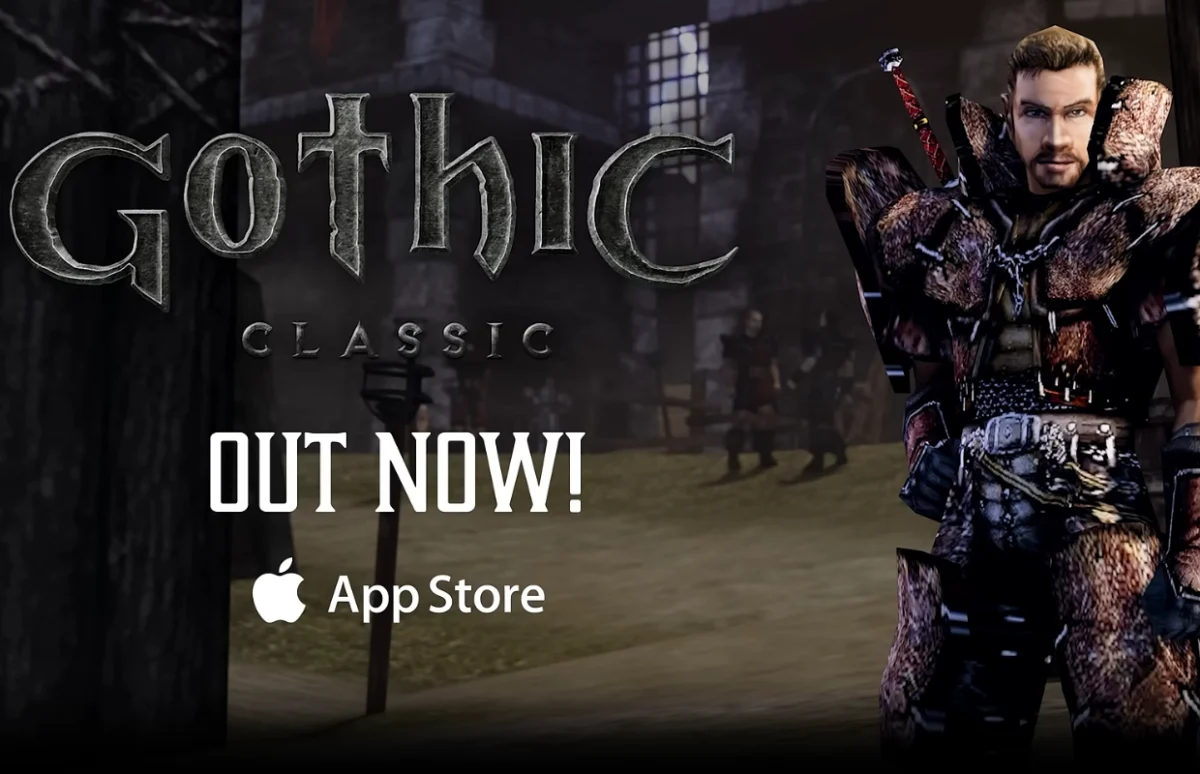
In a move that continues publisher THQ Nordic’s systematic campaign to reintroduce cult-classic role-playing games to modern hardware, Gothic Classic has officially launched on iOS devices. Available now via the Apple App Store for $10.99, the release marks the franchise’s debut on mobile platforms. This comes hot on the heels of successful platform transitions for Nintendo Switch, PlayStation, and Xbox consoles.
Originally developed by Piranha Bytes and released in 2001, the foundational European open-world action RPG transports players back to the brutal, walled-in penal colony of Khorinis. Unlike its more expensive console counterparts—which retail at $29.99—the iOS iteration has been tailored specifically for mobile devices without compromising its sprawling, 50-plus-hour core experience.
The mobile port is far more than a simple, unoptimized ROM wrapper. THQ Nordic Mobile has outfitted the game with a comprehensive suite of modern quality-of-life adjustments. These include touch-optimized controls paired with brand-new user interface (UI) options, full physical controller support for players who prefer a traditional gamepad layout, cloud save functionality to seamlessly bridge sessions, and Apple Game Center integration for achievements.
Described by THQ Nordic as the "award-winning masterpiece that revolutionized open-world role-playing games," the mobile version allows players to experience the uncompromising, simulation-heavy design philosophy that made the original PC release a European phenomenon over two decades ago.
Chronology
To understand the significance of Gothic Classic arriving on Apple’s mobile ecosystem, it is essential to trace the turbulent, decades-long history of the franchise and its recent revival under THQ Nordic.
2001–2003: The Piranha Bytes Era Begins
In 2001, German developer Piranha Bytes released Gothic for Microsoft Windows. While it faced stiff competition in North America and suffered from a notorious control scheme and buggy launch, the game became an instant critical darling and commercial success in Europe. Its intricate faction system, simulated day-night cycles, and hostile environment laid the groundwork for the modern open-world genre. Two years later, the critically acclaimed expansion and sequel, Gothic II, cemented the franchise’s legendary status.
2019–2022: THQ Nordic Acquires the IP and Tests the Waters
Following years of dormancy, studio shifts, and publisher changes, THQ Nordic acquired Piranha Bytes’ parent company, Koch Media (now Plaion), in 2019. To gauge consumer interest in a full-scale revival, the publisher released a playable teaser for a reimagined version of the original game, tentatively titled Gothic 1 Remake. The positive reception of this vertical slice greenlit the full development of the remake under studio Alkimia Interactive.
Late 2023–Early 2024: The Console and Switch Resurgence
As development on the Gothic 1 Remake progressed, THQ Nordic recognized an opportunity to re-introduce modern audiences to the unaltered, authentic 2001 experience. They announced Gothic Classic, packaging it initially as a physical and digital pre-order bonus incentive for the upcoming remake, while also releasing it independently on the Nintendo Switch for $29.99. Later, the publisher expanded the release footprint by bringing Gothic Classic to PlayStation and Xbox consoles at the same price point.
Late 2023–Present: The Mobile Frontier
Following the console rollouts, THQ Nordic Mobile set its sights on the iOS ecosystem. Sidestepping traditional handhelds, the publisher quietly prepared a dedicated mobile port. On October 24, Gothic Classic made its surprise iOS debut on the App Store, priced aggressively at $10.99—significantly undercutting the console editions while delivering the exact same sprawling, uncompressed narrative and open-world mechanics.
Supporting Data
The release of Gothic Classic on iOS can be better understood by examining the technical, financial, and demographic metrics surrounding the port, the franchise’s history, and the broader mobile gaming market.
Pricing Discrepancy and Value Proposition
- iOS App Store Price: $10.99 USD
- Console Versions (PlayStation, Xbox, Nintendo Switch): $29.99 USD
- Value Gap: A roughly 63% discount on mobile compared to living room consoles, designed to lower the barrier to entry for mobile gamers who traditionally resist premium mobile software pricing above the $4.99 threshold.
Game Scope and Content Metrics
- Total Playtime: 50+ hours for a standard playthrough, featuring robust faction loyalty paths (Old Camp, New Camp, and the Brotherhood of the Sleeper).
- World Design: A completely seamless 3D open world without loading screens between wilderness zones, dungeon interiors, and settlement hubs—a technical marvel for its 2001 release year.
- NPC Simulation: A reactive 24-hour daily routine system where non-player characters sleep, work, drink, and react dynamically to the player’s transgressions, clothing, and faction allegiances.
Technical Integration Features on iOS
- Touch Controls: Fully redesigned virtual joystick and action mapping layout.
- UI Overhaul: Scaled inventory, dialogue, and stat menus optimized for smaller smartphone screens and tablets.
- Hardware Support: Universal compatibility with MFi controllers, Xbox Wireless Controllers, and PlayStation DualSense gamepads via Bluetooth.
- Ecosystem Sync: Automated cloud saves to transition seamlessly between iPhone and iPad devices, alongside Apple Game Center leaderboards and achievements.
Official Responses
THQ Nordic and its mobile publishing division have released promotional material and official statements regarding the philosophy behind bringing such a dense, uncompromising PC classic to touchscreens.
In an official statement accompanying the iOS launch trailer, THQ Nordic emphasized the historical weight of the project:
"Experience the award-winning masterpiece that revolutionized open-world role-playing games. For the first time, return to the brutal penal colony of Khorinis on iOS. Pioneering the genre with a completely seamless 3D world and a reactive, 24-hour simulated NPC routine, Gothic Classic brings its full, uncompromised 50+ hour experience to mobile. Align with one of three rival camps, master diverse weapons and spells, and shape your own path in a living world where survival is your only law."
Industry analysts note that THQ Nordic’s messaging deliberately leans into the "uncompromised" nature of the port. In an era where mobile versions of classic games are frequently stripped down, monetized with microtransactions, or converted into free-to-play gacha titles, THQ Nordic is aggressively marketing Gothic Classic as a pure, premium, buy-to-own experience.
Furthermore, community managers on the official THQ Nordic Discord server and social media channels have confirmed that the mobile port runs on an updated version of the game’s original engine architecture, ensuring that the unique physics, momentum-based melee combat system, and bug eccentricities beloved by longtime fans remain intact.
Implications
The arrival of Gothic Classic on iOS carries significant implications for THQ Nordic’s broader publishing strategy, the preservation of classic PC role-playing games, and the shifting perception of mobile gaming as a legitimate platform for deep, hardcore experiences.
1. Paving the Way for the Gothic 1 Remake
The most immediate strategic implication is marketing synergy. By blanketing every major modern platform—Nintendo Switch, PlayStation, Xbox, and now iOS—with Gothic Classic, THQ Nordic is building brand awareness for the upcoming Gothic 1 Remake being developed by Alkimia Interactive. Millions of players who have never touched a 2001 German PC RPG can now sample the source material cheaply on their phones or consoles, creating an educated, primed consumer base for the eventual remake release.
2. Redefining Mobile Monetization Paradigms
The mobile gaming market has long been dominated by free-to-play monetization models, live-service economies, and microtransactions. By releasing a complex, 50-hour, single-player RPG for a flat $10.99 fee with zero in-app purchases, THQ Nordic continues a slow trend of publishers testing whether traditional gamers will pay upfront for premium legacy content on mobile. While mobile ports of retro titles rarely match the revenue of casual titles, they serve as high-margin catalog monetization strategies that require minimal ongoing server maintenance.
3. Preservation and Accessibility of Hardcore PC RPGs
Gothic has long possessed a reputation for being aggressively difficult, mechanically dense, and unaccommodating to newcomers. Bringing it to iOS with controller support and cloud saves makes it accessible to a demographic of gamers who primarily consume media on portable tablets and phones during commutes or travel. If successful, this port could encourage other legacy European RPG publishers—such as those holding rights to classic CRPGs from the late 90s and early 2000s—to follow suit, ensuring that gaming history remains playable on modern, ubiquitous hardware.
As mobile chipsets continue to rival entry-level desktop hardware in processing power, Gothic Classic serves as a fascinating case study in how deep, systemic PC role-playing games can find a second (or third) life in the palm of a player’s hand. Whether veterans looking for a dose of nostalgia or curious mobile-first gamers stepping into the brutal penal colony of Khorinis for the first time, the gates of the colony are officially open to all.

