LOS ANGELES — In the modern landscape of interactive entertainment, few voices are as ubiquitous—or as critically revered—as that of Ashly Burch. From her breakout days on the comedic YouTube series Hey Ash, Whatcha Playin’? to iconic, genre-defining video game performances as Tiny Tina in Borderlands 2, Chloe Price in Life is Strange, Parvati Holcomb in The Outer Worlds, and Aloy in Guerrilla Games’ sprawling Horizon franchise, Burch has cemented herself as a pillar of modern gaming culture.
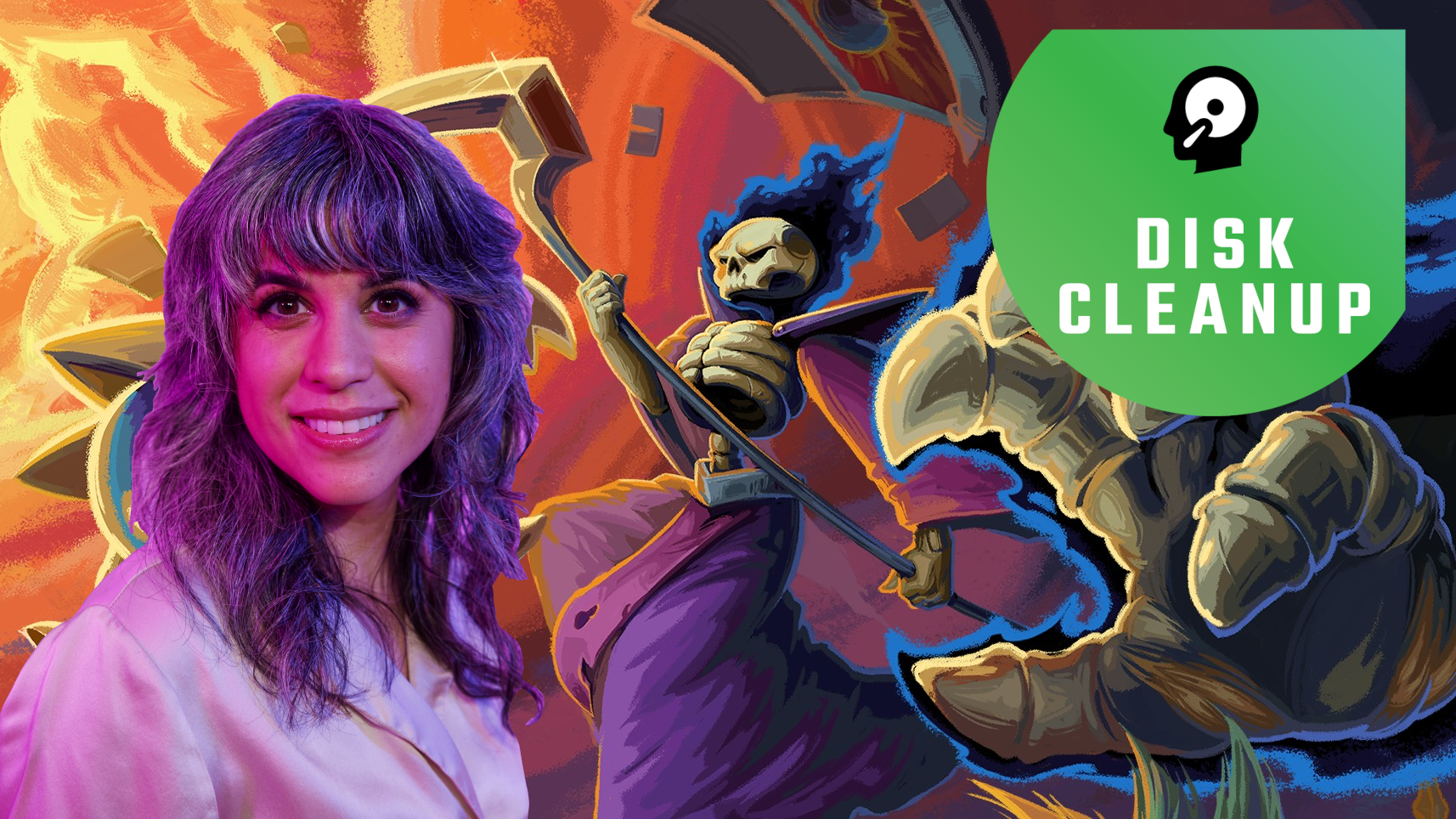
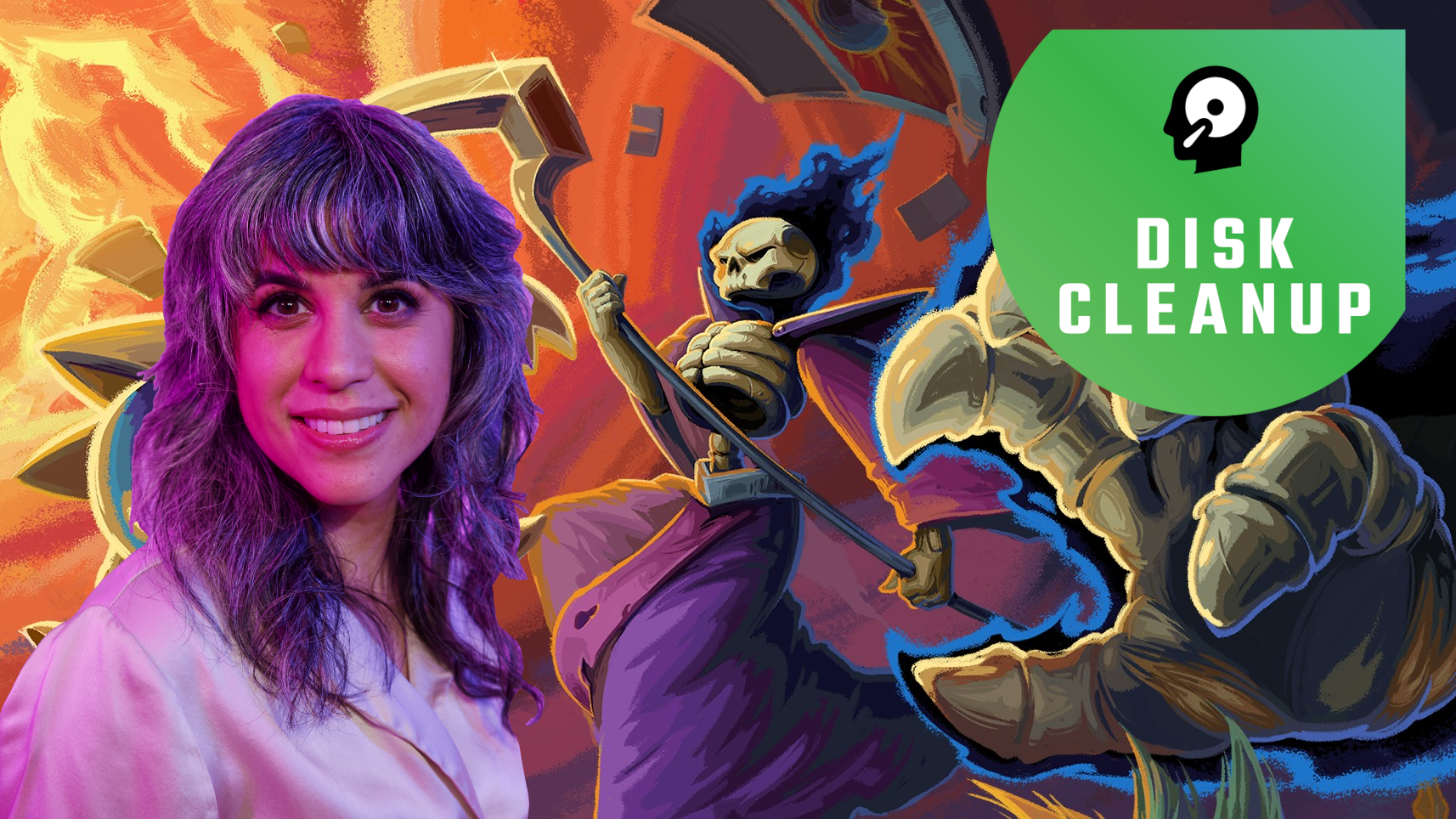
Yet, when she steps away from the recording booth or her writing room for Apple TV’s hit game-development comedy Mythic Quest, Burch is an avid PC and Steam Deck gamer. Recently, she sat down for a deep dive into her personal digital ecosystem as part of Disk Cleanup, an ongoing series exploring the PCs, play habits, and digital hoarding tendencies of the industry’s most influential creators.
From grueling 270-hour roguelike addictions to sudden epiphanies sparked by cozy village simulators, Burch’s digital library reveals a creator deeply fascinated by narrative mechanics, character design, and the subtle art of player immersion.
Main Facts: Inside Burch’s Digital Ecosystem
Burch’s relationship with personal computing stretches back to her childhood, where her earliest PC gaming encounters involved a Donkey Kong clone on a machine her mother originally bought for typing practice. However, her perspective on what interactive media could achieve fundamentally shifted with LucasArts’ classic graphic adventure, Day of the Tentacle.
"That was the first time I played a game that I can remember that had a narrative and comedy," Burch recalls. "It was one of those things where, when you’re younger, you find something that expands your concept of what a thing can be."
Today, her primary platform of choice is the Valve Steam Deck, supplemented by a high-end PC workspace tailored for both gaming and creative writing. Her current rotation spans high-stakes detective puzzlers, deep tactical deckbuilders, and life-simulation mainstays that help her decompress from demanding production schedules.
Crucially, Burch’s software footprint is defined by utility and efficiency. Alongside titans of the indie and AAA space, her system relies heavily on minimalist, enduring production tools—avoiding subscription traps in favor of streamlined creation.
Chronology of a Gamer: From LucasArts Classics to Modern Roguelikes
Burch’s gaming history reads as an evolutionary map of the medium over the last three decades:
Early Era: Practicing typing on her mother’s PC while playing rudimentary platformer knockoffs.
Formative Years: Discovering narrative depth and comedic timing through LucasArts’ Day of the Tentacle.
The Pandemic Pivot: Taking up League of Legends with friends during global lockdowns, diving into the deep end of champion mechanics and item builds out of sheer pandemic-era solidarity.
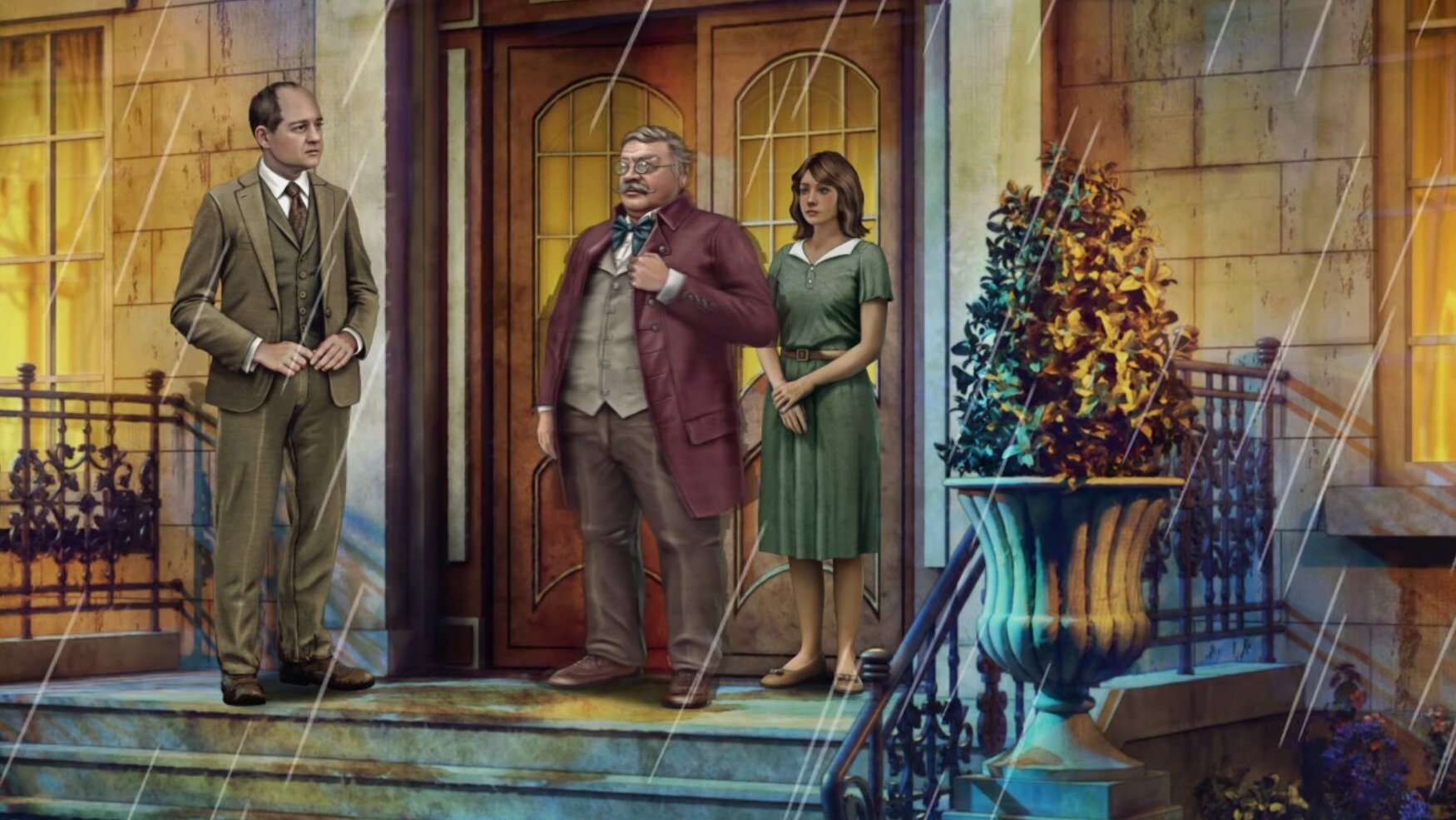
Recent Obsessions: Spending 270 hours mastering Slay the Spire 2, working through cozy farm life in Fields of Mistria, and currently wrestling with physical notebooks while investigating clues in The Incident at Galley House.
Supporting Data: The Statistics of Play
An examination of Burch’s Steam library highlights a distinct preference for games that demand either acute intellectual deduction or long-term tactical mastery:
270 Hours: The staggering amount of time Burch has logged into Slay the Spire 2. Despite the game currently sitting in early access, it has captured a massive share of her downtime, rivaling her historical engagement with genre-defining roguelikes like Spelunky.
13 Years: The age gap on Kentucky Route Zero, the oldest game currently installed on her Steam Deck. Initially bounced off the title’s abstract, David Lynch-esque atmosphere over a decade ago, Burch notes that her post-2020 shift toward reading books has dramatically expanded her patience and attention span, prompting a potential series re-evaluation.
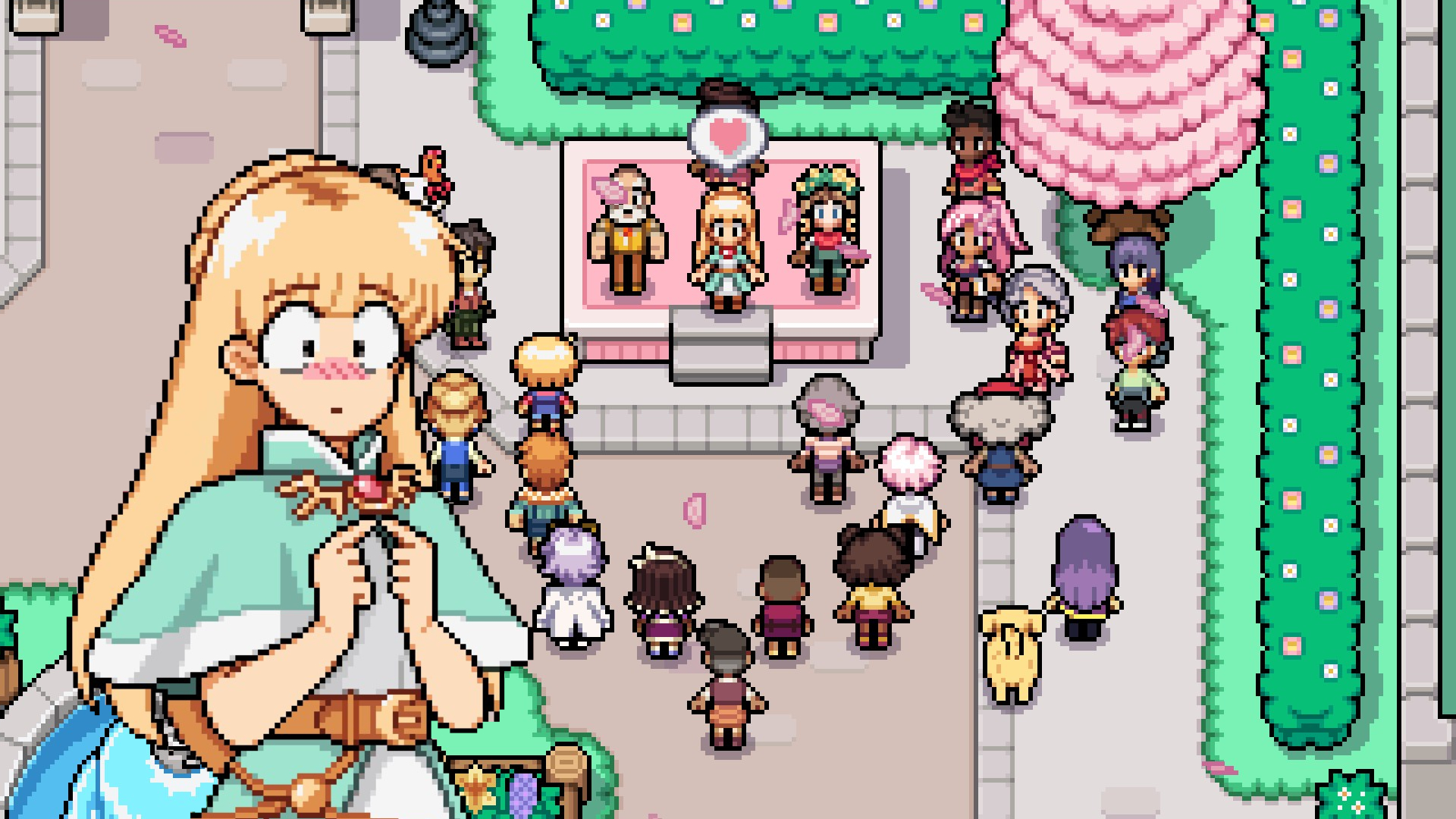
A Handful of Distinct Personalities: Her critique of the cozy gaming genre, specifically noting that while games like Fields of Mistria outpace their competitors by giving distinct character identities to roughly half their casts (including surprisingly well-written children), many contemporaries suffer from generic writing hidden behind diverse visual designs.
Official Perspectives: On Detective Games, Writing, and Mechanics
During her tour through her digital library, Burch offered sharp insights into game design, writing philosophy, and the psychological comfort of digital organization.
The Detective Game Paradox
Burch identifies deduction puzzlers as her favorite modern genre, catalyzed by masterpieces like Return of the Obra Dinn and Chants of Sennaar. However, she harbors a conflicted relationship with note-taking.
"I resist having a notebook at first when I do detective games, and inevitably I have to cave and start physically writing stuff down," Burch admits, noting massive paper logs kept for Blue Prince and Lorelei and the Laser Eyes.
While she enjoys the emergent complexity that requires a physical notepad, she questions whether such tracking mechanisms should ideally be integrated directly into a game’s internal system. Ultimately, though, she praises games that respect player intelligence: "When it’s a good detective game, you really feel like a detective… and especially in Return of the Obra Dinn, when you get things correct, you’re like, ‘I’m a genius.’"
Character Design Through Play
As an award-winning writer and voice actor, Burch has a hyper-sensitive ear for character writing. She praises Slay the Spire 2 not just for its mathematical balance, but for environmental storytelling woven directly into character animations.
She points to the game’s new character, the Regent—a pretentious, aristocratic king—whose throne is visibly held up by two struggling minions whose legs shake under the weight. "That is such a fun little detail," she says. "You get so much information about who this guy is from just looking at him… I want more shitty little bitches."
Productivity Software and Mental Health
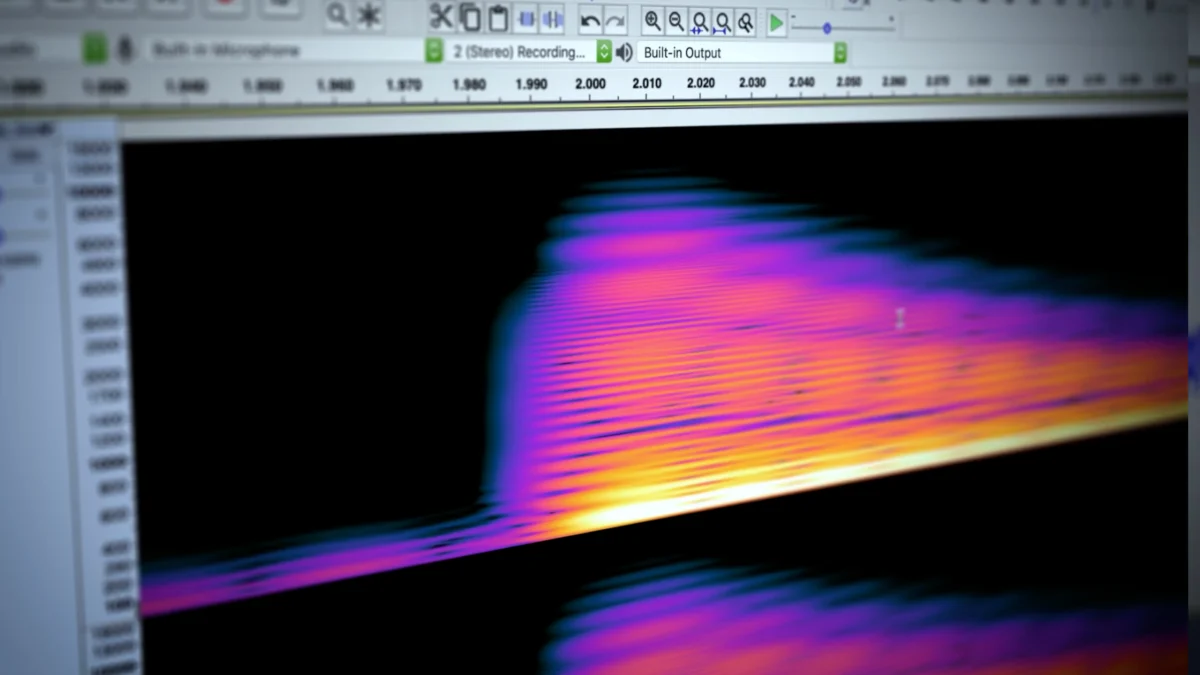
Outside of gaming, Burch’s workflow relies on reliable, cost-effective tools. She uses Fade In rather than the industry-standard Final Draft for screenwriting, praising its flat-fee pricing model. For voice acting auditions and audio editing, she relies on Audacity, a program she has used for years due to its unfussy reliability.
This need for clean architecture extends to her physical and digital workspaces. Burch, who is open about managing obsessive-compulsive disorder (OCD), notes that her desktop must remain tidy, featuring only active drafts and her primary writing tools. "I can’t handle clutter. When I start to write something… the space around me has to be clean or I can’t focus. It really calms my nervous system down."
Implications: What Creative Play Means for the Future of Indie and AAA Games
Burch’s candid look into her Steam library offers a telling reflection of where modern creative professionals find inspiration. In an era where AAA development cycles are ballooning to five, six, or seven years—often resulting in massive, hyper-polished action-adventures—creatives like Burch are finding solace, challenge, and narrative craft in agile indie spaces.
Whether it is the lateral thinking required by deduction games, the environmental characterization found in rogue-lite deckbuilders, or the meticulous pacing of cozy simulators, these titles directly inform how modern performers and writers conceptualize character depth. As Burch balances high-profile roles in blockbuster franchises with passion projects like her mental health-focused YouTube comedy series, I’m Happy You’re Here, her gaming habits prove that the best creators never stop studying their medium—even when they are just trying to survive an Ascension 10 run on a Steam Deck before bed.