

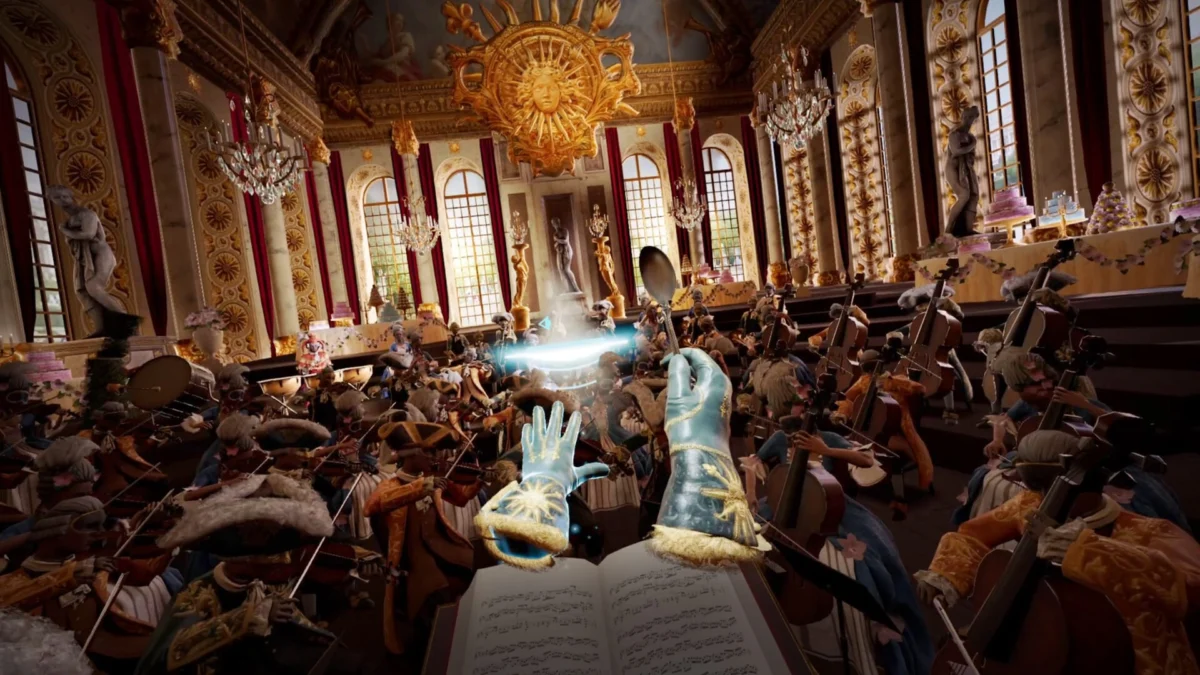
The virtual reality landscape has seen a renaissance in rhythm-based gaming, but few titles have captured the elegance and intensity of the conductor’s podium quite like Maestro. During the highly anticipated VR Games Showcase this week, the development team behind this immersive symphony simulator unveiled a substantial roadmap, confirming that the baton is about to get much heavier. With the announcement of a high-octane Attack on Titan expansion and a comprehensive suite of free updates, Maestro is positioning itself to be a permanent fixture in the libraries of rhythm enthusiasts and anime fans alike.
The Main Event: A Titan-Sized Expansion
The headline announcement from the VR Games Showcase was undoubtedly the official confirmation of the Attack on Titan (AoT) DLC. Maestro, which prides itself on translating the nuanced, sweeping motions of orchestral conducting into intuitive VR gameplay, is leaning into the dramatic flair of anime soundtracks.
The expansion will feature two iconic tracks that define the Attack on Titan auditory experience: the titular main theme, "Attack on Titan" by Hiroyuki Sawano, and the pulse-pounding "Ashes on The Fire" by Kohta Yamamoto. These tracks are expected to push the game’s mechanics to their limits, demanding the rapid-fire precision and dramatic, sweeping gestures that have become the hallmark of the Maestro experience.
Beyond the confirmed anime content, the developers threw a curveball to the community: a mysterious, second DLC pack. In a segment of the trailer that leaned heavily into the game’s signature dry, meta-humor, the title of the intellectual property and the featured musical pieces were intentionally censored with comical bleeps. This "mystery pack" has already sent the community into a frenzy of speculation, with fans scouring the trailer for audio clues and visual hints regarding the next major partnership.
Chronology of Development: From Concept to Crescendo
Maestro entered the market with a unique value proposition: the idea that the player isn’t just hitting notes—they are shaping the performance. Since its initial launch across major platforms, including Meta Quest, PlayStation VR2, Steam, and Pico, the game has been iterative, relying on player feedback to refine the delicate balance between satisfying rhythm-game feedback and realistic conducting motion.
The development timeline, leading up to this latest announcement, shows a clear trajectory toward more "prestige" content. Earlier this year, the All Aboard DLC, which introduced music from the Pirates of the Caribbean franchise, set a precedent for how the game handles licensed, cinematic music. That release established a price point of $8.99 for multi-track packs, a figure that analysts believe will likely be the benchmark for the upcoming Attack on Titan expansion.
The trailer showcased at the VR Games Showcase marks the beginning of the "Expansion Phase" of the game’s lifecycle. By pivoting from general classical and orchestral pieces toward globally recognized IP, the developers are clearly aiming to broaden the game’s appeal to a mainstream audience that might otherwise ignore a niche symphony-sim.
Technical Enhancements: The ‘Coming Soon’ Update
While the DLC announcements grab the headlines, the "free update" teased alongside them may be the most significant development for the game’s long-term health. The developers have promised a comprehensive "quality-of-life" overhaul that touches on nearly every aspect of the game’s engine.
Graphical and Audio Fidelity
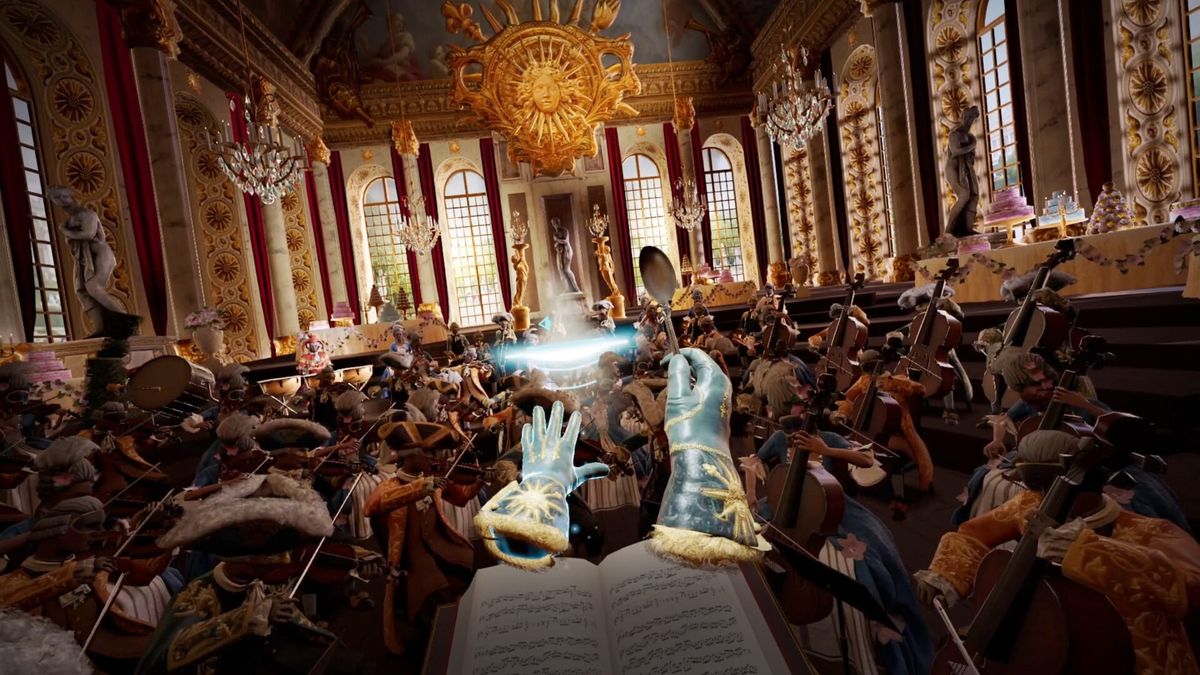
The update includes a full graphical refresh. In VR, where visual clarity is paramount to preventing motion sickness and maintaining immersion, these improvements are vital. By optimizing textures and environmental lighting, the game aims to make the virtual concert halls feel more cavernous and grand. On the audio side, the team is implementing a revised sound mixing engine, promising greater depth and separation between instruments—a critical change for a game where the player is meant to "hear" the individual sections of the orchestra they are conducting.
The Expert Tier
Perhaps the most requested feature from the Maestro community is a higher skill ceiling. The new "Expert" difficulty level is designed to challenge the most seasoned rhythm gamers. In this mode, the conducting patterns will become significantly more complex, requiring tighter timing and more intricate movements that mirror the actual difficulty of directing a professional orchestra through a fast-paced piece.
Scoring System Overhaul
To support the new difficulty, the internal scoring system is being rebuilt. The goal is to provide more granular feedback, rewarding players not just for hitting the beat, but for the "quality" of their conducting stroke. This will help bridge the gap between "gamified" rhythm play and the actual art of conducting, where the force, speed, and direction of the baton create the nuance of the performance.
Implications for the VR Rhythm Genre
The success of Maestro highlights a shifting trend in the VR market. For years, the rhythm genre was dominated by "slicing" and "tapping" games, such as Beat Saber or Pistol Whip. Maestro represents a move toward "performance simulation."
The Rise of IP-Driven VR
By securing the rights to Attack on Titan, the developers are signaling that they intend to compete with the biggest names in the VR space. Licensing music from massive anime and film franchises is a high-stakes strategy. It requires significant capital and negotiation, but it provides a "hook" that draws in fans who might never have considered buying a conducting game. If the Attack on Titan pack performs well, it is highly probable that we will see more anime and movie soundtracks integrated into the platform, potentially turning Maestro into a hub for cinematic music enthusiasts.
Community-Centric Development
The developers have been notably transparent about their development process. By using a "meta-narrative" in their marketing—using a classically dressed conductor to guide players through the menus and trailers—they have fostered a sense of character and humor that distinguishes the brand. This personality-driven approach is likely to keep the player base engaged even during the gaps between content drops.
Looking Ahead: Market Positioning and Pricing
As it stands, Maestro is available on all major VR storefronts. The decision to maintain a presence on both standalone headsets (Meta Quest, Pico) and tethered high-fidelity systems (PSVR2, Steam) has been instrumental in its growth.
While the official pricing for the Attack on Titan DLC remains unannounced, the $8.99 industry standard for high-quality, licensed music packs in VR provides a reliable estimate. If the developers follow the current industry trend, we can expect a bundle option that includes both the AoT pack and the mysterious, censored second pack, likely at a slight discount.
The "coming soon" update is expected to arrive in the next financial quarter, serving as a catalyst to keep players active while they wait for the new DLC to drop. For the VR industry at large, the success of this update will serve as a bellwether for whether simulation-heavy rhythm games can achieve the same longevity as their more arcade-like counterparts.
Conclusion
The Maestro team has successfully managed to turn a niche concept—conducting a symphony—into a legitimate powerhouse in the VR space. By blending high-brow orchestral aspirations with the visceral, high-energy world of Attack on Titan, they are creating a product that feels both sophisticated and accessible.
The path forward is clear: refine the mechanics, challenge the experts, and continue to secure the kinds of licenses that make players stop and take notice. If the upcoming graphical updates and the mystery DLC are as polished as the recent trailer suggests, Maestro may well be on its way to becoming the definitive conducting experience in the virtual medium. Whether you are a fan of Hiroyuki Sawano’s bombastic scores or a veteran of the virtual podium looking for a new challenge, the future of the symphony is looking very bright indeed.

