

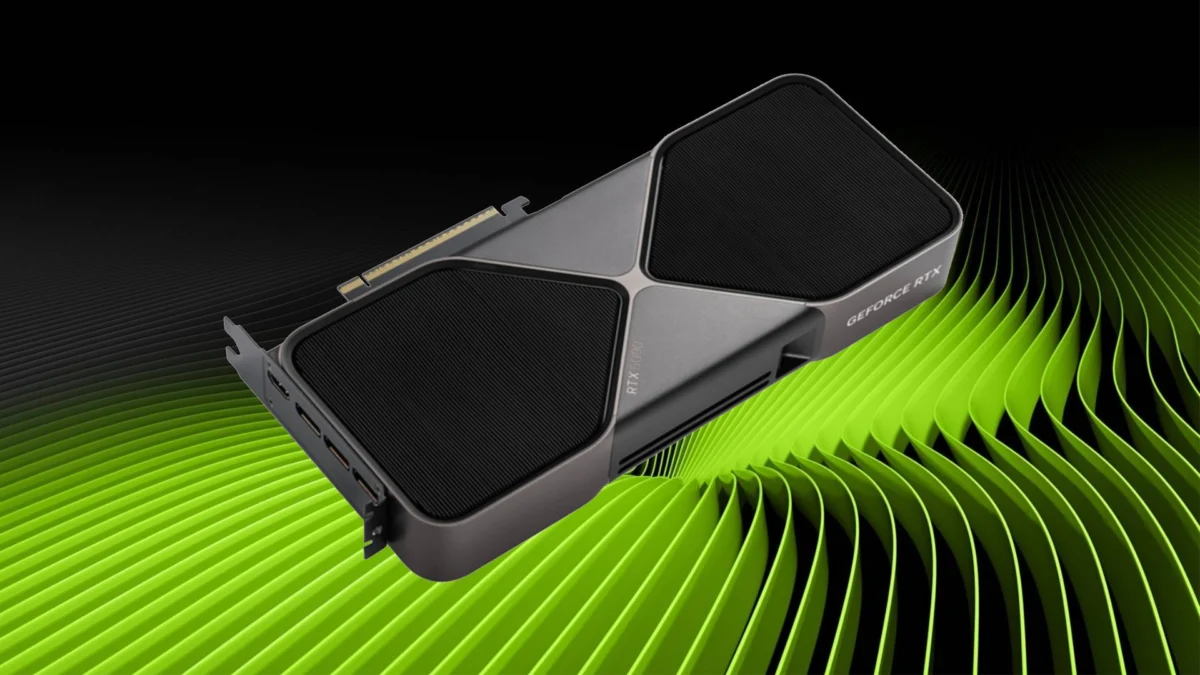
In the high-stakes theater of modern computing, the GeForce RTX 5090 was promised to be the ultimate beacon for enthusiasts—a "game-changing" piece of hardware designed to push the boundaries of 4K fidelity and real-time ray tracing. Yet, the reality of the market has shifted beneath the feet of the gaming community. Today, the RTX 5090 is less a tool for high-end gaming and more a high-performance commodity being vacuumed up by the insatiable appetite of the Artificial Intelligence industry.
With market prices skyrocketing past $5,000—far beyond the original $1,999 MSRP—the card has effectively been priced out of the reach of the average consumer. As pallets of these GPUs are diverted directly to server farms rather than storefront shelves, the question must be asked: Has the era of the enthusiast-grade gaming GPU come to an end?
The Anatomy of an AI-Driven Shortage
The recent emergence of photographic evidence from HKEPC has confirmed what many industry analysts have suspected for months: commercial AI firms are sourcing consumer-grade GeForce RTX 5090s in bulk. These are not stripped-down workstation cards; these are the standard MSI and Gigabyte units intended for high-end consumer rigs.
The logic behind this "silicon poaching" is rooted in economic pragmatism. Nvidia’s dedicated enterprise solution, the RTX 6000 Ada Generation (Blackwell), carries a staggering price tag of approximately $16,000. While the workstation card offers 96GB of VRAM, many emerging AI startups and small-to-medium-scale server operations find that they can achieve similar, albeit distributed, computational results using multiple RTX 5090s. Even at the inflated market price of $5,000, the 5090 remains a "bargain" compared to the capital expenditure required for enterprise-tier hardware.
A Chronology of Hardware Displacement
The displacement of gaming hardware by industrial demand is not an unprecedented phenomenon, but the speed and scale of this current cycle are arguably more aggressive than previous industry disruptions.
- 2021 (The Crypto Era): During the peak of the cryptocurrency mining boom, GPUs were diverted to Ethereum farms. Nvidia attempted to mitigate this by introducing Lite Hash Rate (LHR) technology, which limited mining efficiency on specific cards. While partially successful, the market remained volatile for years.
- 2023–2024 (The AI Pivot): With the rapid democratization of Large Language Models (LLMs) and generative AI, the demand for VRAM and high-throughput tensor cores surged. Unlike the crypto boom, which was largely speculative and decentralized, the AI push is being driven by well-funded tech conglomerates and venture-backed startups.
- 2025 (The Current Crisis): The release of the Blackwell-based RTX 50-series has cemented the GPU’s status as a dual-purpose tool. AI companies have developed sophisticated pipelines to optimize these consumer cards for data center environments, creating a permanent, institutional-level demand that far outstrips the supply available to the gaming public.
The Economic Implications for PC Enthusiasts
The trickle-down effect of this supply chain disruption is felt most acutely at the premium end of the market. If the RTX 5090 is effectively off-limits and the RTX 5080 is being increasingly cannibalized for similar server-grade tasks, the "entry-level" for high-end 4K gaming shifts dramatically upward.
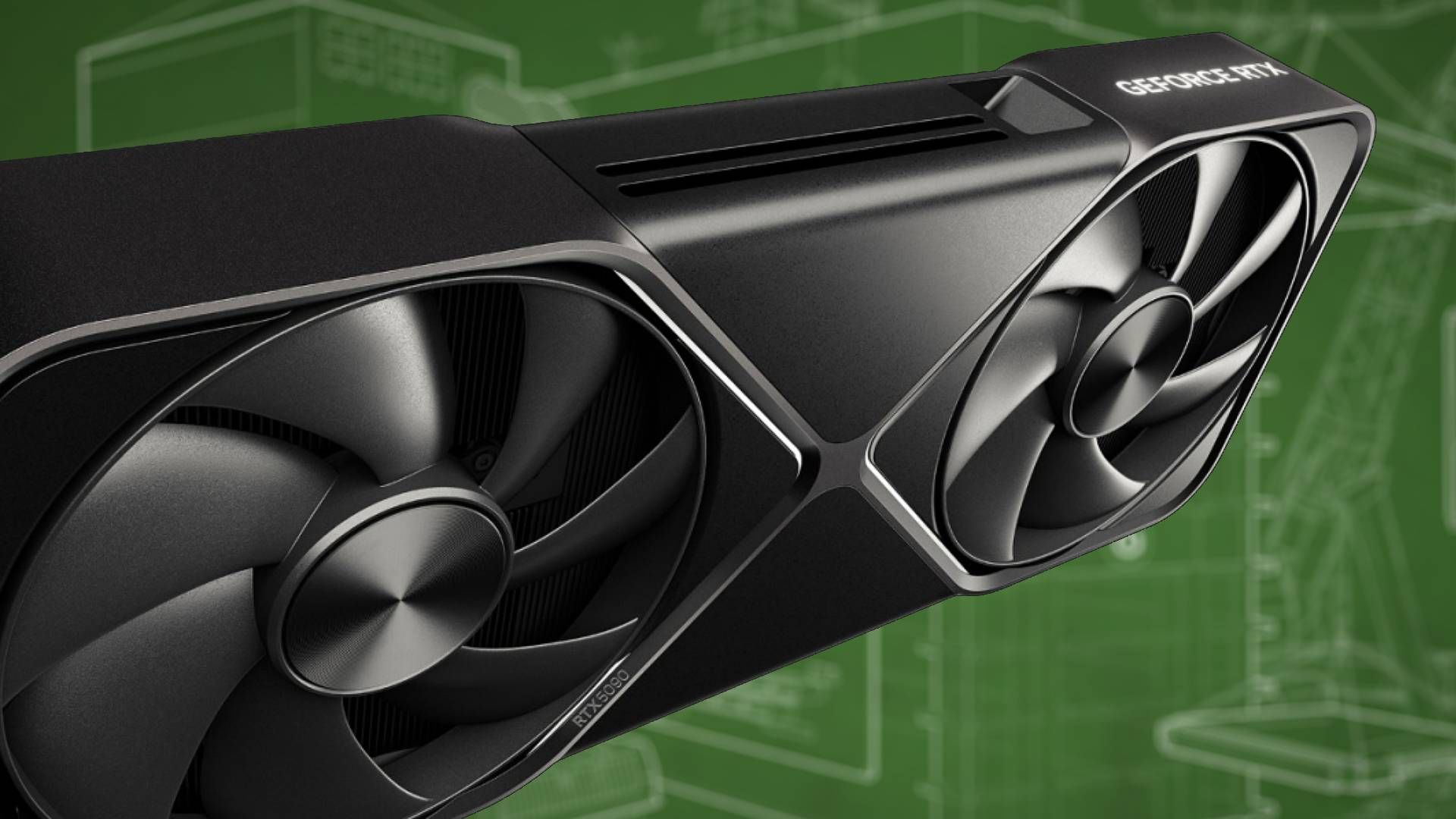
PC gamers are currently forced into a "financial ring-fencing" scenario. The only cards remaining that aren’t consistently targeted by institutional bulk-buyers are the RTX 5070 Ti and its lower-tier siblings. However, even these cards are seeing price inflation due to the overall instability of the market. For the average enthusiast, the dream of owning the flagship card has been replaced by a reality where the "top-tier" is an exclusive, luxury bracket reserved for enterprise interests.
Nvidia’s Strategic Evolution: Gaming as a Secondary Market?
To understand why this is happening, one must look at the shifting corporate identity of Nvidia itself. A cursory glance at Nvidia’s digital footprint reveals a company that has moved far beyond its origins as a GPU manufacturer for gamers.
On Google search metadata and the company’s own investor relations pages, the descriptor "gaming" is now routinely superseded by "Artificial Intelligence" and "High Performance Computing" (HPC). The development of software features like DLSS 5 is no longer just about improving frame rates in Cyberpunk 2077; it is about maximizing the efficiency of tensor cores for non-gaming workloads. When a flagship GPU is engineered with features that are essential for data centers, it becomes an attractive asset for those data centers.
Furthermore, unlike the crypto boom, there is no corporate incentive for Nvidia to "nerf" the RTX 5090 for AI use. Artificial Intelligence is the engine of the current tech economy, and Nvidia is the primary supplier of that engine. Hampering the utility of their cards for AI would be a direct strike against their own bottom line.
Future Outlook: The Death of Hardware Ownership?
The shift in GPU utility suggests a broader trend in the tech industry: the erosion of hardware ownership. As high-end local hardware becomes prohibitively expensive or physically unavailable, the industry is positioning cloud-based services—such as GeForce Now or Xbox Game Pass—as the inevitable alternative.
This creates a future where the gamer no longer owns the compute power necessary to run the latest titles. Instead, they rent access to it through a subscription service. While this solves the "availability" problem for the consumer, it introduces a permanent dependency on corporate infrastructure, removing the agency and customization that have defined PC gaming for decades.
A Call for Retro Preservation
In the face of these market realities, a growing movement of enthusiasts is choosing to opt out of the hardware arms race. The trend of returning to "retro" gaming—optimizing 15-year-old hardware, modding classic consoles, and enjoying offline, low-spec titles—is becoming more than just a hobby; it is a form of quiet protest.
By focusing on the restoration of legacy systems, gamers are reclaiming a space where ownership is absolute, and performance is not dictated by the fluctuating demands of global AI server farms. While the industry continues to chase the next big breakthrough in AI-driven compute, many players are finding more value in the hardware they already own.
Conclusion: The New Reality
The GeForce RTX 5090 is a marvel of engineering, but for the vast majority of the gaming public, it has become a ghost. It exists on spec sheets and in marketing materials, but its physical presence in the average gaming rig is becoming an anomaly.
The industry has moved on, and unless there is a radical shift in how GPUs are categorized, distributed, or manufactured, the premium gaming PC is becoming a relic of a pre-AI world. For those of us who still value the tactile experience of a physical rig and the pursuit of local, high-fidelity gaming, the path forward is increasingly difficult. Perhaps, in this new, algorithm-driven world, the most revolutionary act a gamer can take is to power off the cloud, pull a classic console from the shelf, and enjoy a game that doesn’t require a data center to run.

