

By Global Gaming Desk
Published: October 24, 2023
Main Facts
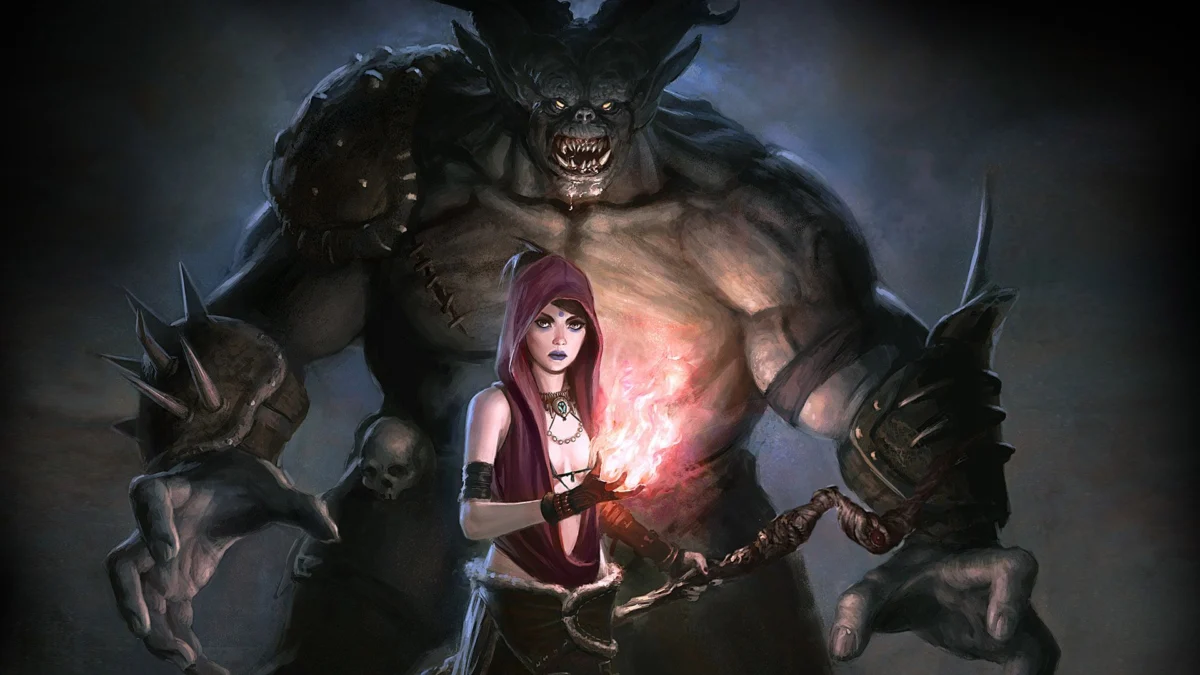
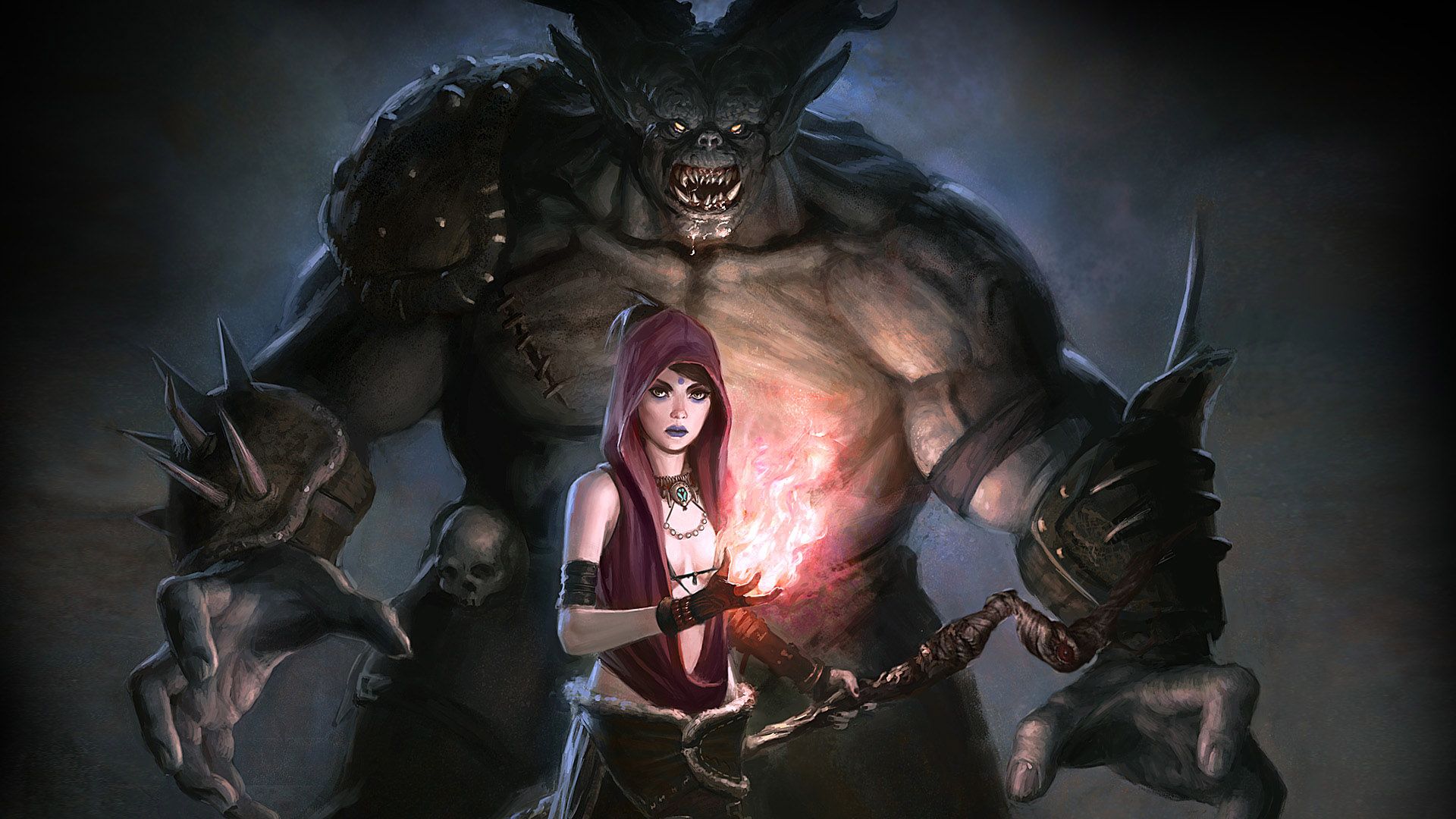
Few franchises in modern role-playing game (RPG) history carry the cultural footprint, narrative ambition, and intensely passionate fanbase of BioWare’s Dragon Age. Spanning over a decade and a half, the series has evolved from a gritty, tactical spiritual successor to Baldur’s Gate into a sweeping action-RPG epic. However, even the most celebrated entries in the series harbor design compromises, rushed components, and controversial narrative hurdles.
In a recent interactive session on TikTok, former Dragon Age executive producer and veteran game director Mark Darrah addressed the ultimate "what-if" scenario for game developers: if he could travel back in time, what elements would he remove, and what features would he add to each installment of the franchise?
Darrah’s candid reflections provide a rare, insider’s look into the realities of AAA game development. His critiques range from pacing issues and rushed dream sequences in Dragon Age: Origins to structural economic flaws in Dragon Age 2 and map bloat in Dragon Age: Inquisition. Furthermore, Darrah touched upon the recently released Dragon Age: The Veilguard, offering perspective on what components could have been integrated to bridge the lore gap between entries. For millions of fans who have spent countless hours navigating Thedas, Darrah’s retrospective validates long-standing community grievances while shedding light on the complex compromises required to ship massive video games.
Chronology of the Franchise and Retrospective Evolution
To understand the weight of Darrah’s commentary, it is essential to trace how the Dragon Age series has evolved chronologically, alongside the production challenges that defined each era at BioWare Edmonton.
2009: Dragon Age: Origins – The Dark Fantasy Blueprint
Released in late 2009, Origins was lauded for its tactical combat, deeply reactive world-state, and distinct origin stories that shaped how the player character was perceived. Yet, development on the title was famously protracted and chaotic, shifting engines and core design philosophies multiple times over nearly a decade of incubation. By the time the game shipped, certain sections—most notably the Fade sequence within the Mage Tower—suffered under tight deadlines.
2011: Dragon Age 2 – The Crunch-Fueled Sequel
Following the critical success of Origins, BioWare was thrust into an extraordinarily compressed development cycle of roughly 18 months for Dragon Age 2. Set entirely within a single city over a multi-year narrative arc, the sequel was forced to recycle environments, restrict party member armor customization, and streamline mechanics to meet publisher deadlines. Despite its strong character writing, the game faced significant pushback regarding its repetitive level design and narrative constraints.
2014: Dragon Age: Inquisition – The Open-World Pivot
Transitioning to the Frostbite engine, Inquisition aimed to capture the massive scale popularized by contemporary open-world RPGs like The Skyrim Effect. Winning Game of the Year in 2014, it nevertheless introduced a new set of pacing problems. The shift toward expansive, MMO-style open zones created content bloat, distracting players from the core political and magical drama of the main questline.
2024: Dragon Age: The Veilguard – A Return to Linear Action
After a troubled, decade-long development cycle that saw multiple reboots—transitioning from a live-service multiplayer game back to a single-player, mission-based RPG—The Veilguard finally launched. Embracing a tighter structure reminiscent of Mass Effect 2, the game focused heavily on cinematic pacing, companion dynamics, and a definitive climax.
Supporting Data and Detailed Breakdown of Darrah’s Critiques
During his TikTok retrospective, Mark Darrah dissected specific pain points across the first four major releases, offering concrete changes he would implement given unlimited hindsight.
Dragon Age: Origins: Trimming the Fade and Expanding Origins
- The Cut: Darrah targeted the infamous "Lost in Dreams" quest inside the Circle of Magi tower. Describing it bluntly as "not very good content" and "kind of filler," Darrah admitted that the segment was hastily assembled toward the end of development. For veteran players, this echoes the widespread adoption of community-made modifications like the Skip the Fade mod on Nexus Mods, which has remained one of the most downloaded utilities in the game’s history.
- The Addition: Darrah expressed a desire to integrate a planned human origin story that would allow players to experience the life of an Avvar tribesman within the perilous Korcari Wilds. However, he quickly tempered this ambition with financial realism, noting that building an entirely separate origin path with distinct assets, voice acting, and branching dialogue would have been an exceptionally expensive endeavor.
+--------------------------+---------------------------------+---------------------------------+
| Game Title               | Proposed Removal / Reduction    | Proposed Addition               |
+--------------------------+---------------------------------+---------------------------------+
| Dragon Age: Origins      | The Fade / Mage Tower dream     | Avvar human origin in the       |
|                          | sequence (filler content).      | Korcari Wilds.                  |
+--------------------------+---------------------------------+---------------------------------+
| Dragon Age 2             | Forced binary final boss dynamic| More distinct level variety and |
|                          | regardless of faction choice.   | adjusted Act 2 economy pacing.  |
+--------------------------+---------------------------------+---------------------------------+
| Dragon Age: Inquisition  | Massive open zones (e.g.,       | 40-60% reduction in required    |
|                          | Hissing Wastes) & zone bloat.   | Power points for main quests.   |
+--------------------------+---------------------------------+---------------------------------+
| Dragon Age: The Veilguard| (No specific removals cited)    | The Dragon Age Keep integration |
|                          |                                 | for world-state continuity.     |
+--------------------------+---------------------------------+---------------------------------+
Dragon Age 2: Fixing the Narrative Funnel and Economic Pacing
- The Cut: One of the most persistent criticisms of Dragon Age 2’s narrative is its lack of true agency during the climax. Regardless of whether the player sides with the oppressive Templars (led by Knight-Commander Meredith) or the desperate Mages (led by First Enchanter Orsino), the game forces a tragic convergence where both factions must be fought. Even when siding with the Mages, Orsino inexplicably resorts to blood magic, validating Meredith’s extremist paranoia that all mages are ticking time bombs. Darrah pointed to this forced convergence as a narrative bottleneck that undermines player choice.
- The Additions: Darrah noted that the game desperately needed "a couple of more levels to use" to alleviate the fatigue of recycling caves, warehouses, and the night/day iterations of Kirkwall. Additionally, he highlighted a subtle economic flaw in Act 2: completing the critical path alone yields enough gold to fund the deep-roads expedition, inadvertently discouraging players from engaging with side quests. Darrah suggested cutting a critical-path mission or rebalancing the economy to organically force exploration.
Dragon Age: Inquisition: Reining in Open-World Bloat
- The Cut: The open-world design of Inquisition drew sharp critiques upon replay, particularly in the wake of tighter modern experiences. Darrah admitted that entire large-scale zones, such as the sprawling Hissing Wastes, could have been safely excised to tighten the narrative focus.
- The Addition/Adjustment: Darrah targeted the Power system—a mechanic that forced players to complete side objectives and acquire "Power points" before unlocking main story quests. He argued that reducing the required Power threshold by 40% to 60% would have vastly improved the game’s momentum, eliminating artificial progression barriers that interrupted the narrative flow.
Dragon Age: The Veilguard: The Missing Keep
- The Addition: When discussing the newest entry, The Veilguard, Darrah pointed directly to the absence of the Dragon Age Keep—the web-based world-state manager that allowed players to import their precise choices from previous games into new titles. While acknowledging that implementing the Keep across modern architectures "wouldn’t take that much… I mean, it would," Darrah underlined how vital continuity tools are for a long-running narrative franchise.
Official Responses and Industry Context
Mark Darrah’s openness on social media platforms like TikTok represents a broader shift in how veteran developers interact with gaming communities post-retirement or post-departure from major studios. Unlike traditional, heavily vetted press releases or marketing pitches, these unscripted reflections offer an unfiltered look at game design theory.
BioWare has historically maintained a culture of iterative development, where major design pivots—such as the engine shifts from Eclipse to Frostbite, and the gameplay adjustments from tactical pausing to action-oriented combat—were made under intense corporate pressure from Electronic Arts (EA). Darrah’s willingness to critique past design choices highlights the tension between creative ambition and production constraints.
While current BioWare leadership has not formally responded to Darrah’s specific retro-hypothetical proposals, the community reception has been overwhelmingly positive. Forums across Reddit, ResetEra, and the Nexus Mods community have rallied around his assessment of Origins’ Fade sequence and Inquisition’s Power gating, viewing his comments as vindication for criticisms voiced by players for over a decade.
Implications for Future BioWare Projects
Mark Darrah’s retrospective carries profound implications for how BioWare—and the wider AAA RPG development community—approaches future projects, particularly as the studio pivots its full attention toward the next installment of the Mass Effect franchise.
- Combating Content Bloat: The gaming industry at large has grappled with the backlash against sprawling open worlds filled with repetitive, low-impact checklist tasks (often pejoratively termed "Ubisoft-style towers"). Darrah’s critique of Inquisition’s Hissing Wastes and excessive Power gating underscores a growing industry realization that quality and narrative density must supersede square mileage.
- The Value of Player Agency: The frustration surrounding Dragon Age 2’s forced narrative convergence serves as a cautionary tale for writers structuring branching paths. True role-playing requires that player choices carry meaningful, divergent consequences rather than funneling toward a predetermined thematic destination.
- Save-State Continuity: As franchises span multiple console generations, maintaining player investment through cross-game save continuity (such as the Dragon Age Keep) remains a formidable technical challenge. Darrah’s insistence on the Keep’s importance signals that narrative persistence is a primary pillar of modern epic fantasy that studios can no longer afford to treat as an afterthought.
Ultimately, Darrah’s retrospective reminds players that behind every beloved universe, legendary companion, and epic dragon battle lies a history of difficult compromises, deadline pressures, and passionate developers striving to bring a chaotic vision to life.

