

As the animation industry converges at the Annecy International Animation Film Festival, the creative team behind the highly anticipated Rick and Morty spinoff, President Curtis, has found itself navigating a complex intersection of creative intent and political turbulence. With the series set to premiere on Adult Swim on July 26, showrunners Dan Harmon and James Siciliano are grappling with an uncomfortable reality: the inherent challenge of producing political satire when the real-world political climate threatens to outpace or overshadow fiction.
In a candid Q&A session following a pilot screening at Annecy, Harmon openly questioned the timing of the project. "We might have done a show about a pope if we had foresight," Harmon joked, acknowledging the precarious nature of launching a series centered on the President of the United States while the current real-world occupant of the Oval Office faces record-low approval ratings. "Maybe we’ve made a bad topic for the show. How did we know the president was going to depress people four years ago? What warning signs did we have?"
The Genesis of a Galactic Commander-in-Chief
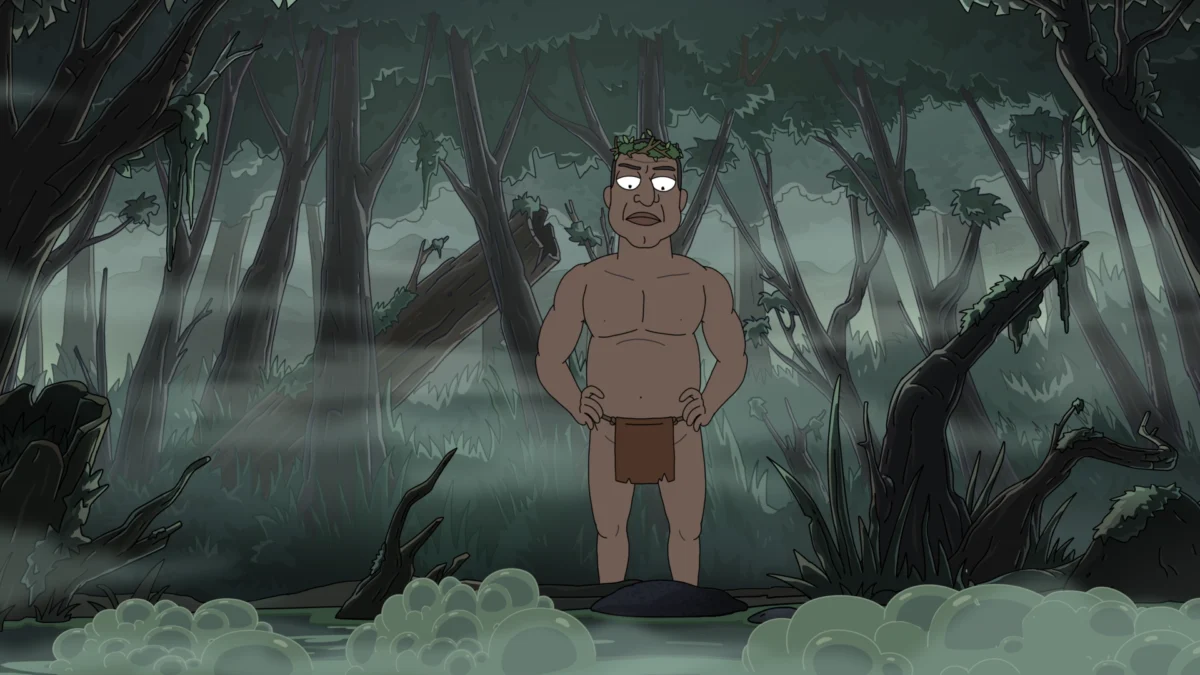
The character of President Andre Curtis, voiced by the legendary Keith David, first captured the imagination of Rick and Morty fans during the Season 5 episode "Rick & Morty’s Thanksploitation Spectacular." The episode featured a high-stakes confrontation between the President and Rick Sanchez, establishing Curtis as a formidable, albeit eccentric, leader capable of holding his own against the show’s titular interdimensional travelers.
According to Harmon and Siciliano, the concept for the spinoff originated shortly after that appearance. The intent was to move away from the cynical, often dark-tinged political commentary found in the parent series and instead explore a character who functioned as a "golden retriever" of leadership—a man deeply committed to public service, armed with high-tech weaponry, and possessing the earnest, unwavering spirit of characters like Leslie Knope from Parks & Recreation.
"We didn’t start this show in a long-forgotten Camelot," Harmon noted, reflecting on the initial development phase. "We thought we were already operating in crazy times."
Navigating the Shadow of Reality
The primary hurdle for the production team has been the "bleeding effect" of real-world headlines into their fictional narrative. Satire relies on a baseline of shared understanding; when the absurdity of real political discourse begins to mirror, or even exceed, the parody, the comedic foundation begins to crumble.
This phenomenon recently forced a significant creative pivot regarding the show’s core premise. Harmon had initially envisioned a running gag centered on President Curtis’s "Boy Scout" persona—a leader so dedicated to the "globalist vision of America" that he was obsessed with expanding the nation’s borders and, by extension, adding stars to the American flag.
However, the creative team found that their intended satire was becoming indistinguishable from the rhetoric emerging from the real-world political sphere. Harmon pointed to specific, headline-grabbing instances—such as President Donald Trump’s widely publicized, albeit surreal, interest in purchasing Greenland—as the tipping point.
"I thought it would be cool if a staple of President Curtis’ character was that he was such a Boy Scout, such a believer in the real kind of like globalist vision of America… that he wanted to bring back adding stars to the flag," Harmon explained. "Then you know who started popping off on it, and now we literally can’t do this."
This "scraping" of a central plot device underscores the existential dread often felt by contemporary writers. When a fictional character’s hyperbolic ambition is suddenly echoed by a real-world politician’s policy proposals, the joke loses its satirical bite and becomes, instead, a commentary on the strangeness of the era.
Character Evolution: Softening the Commander
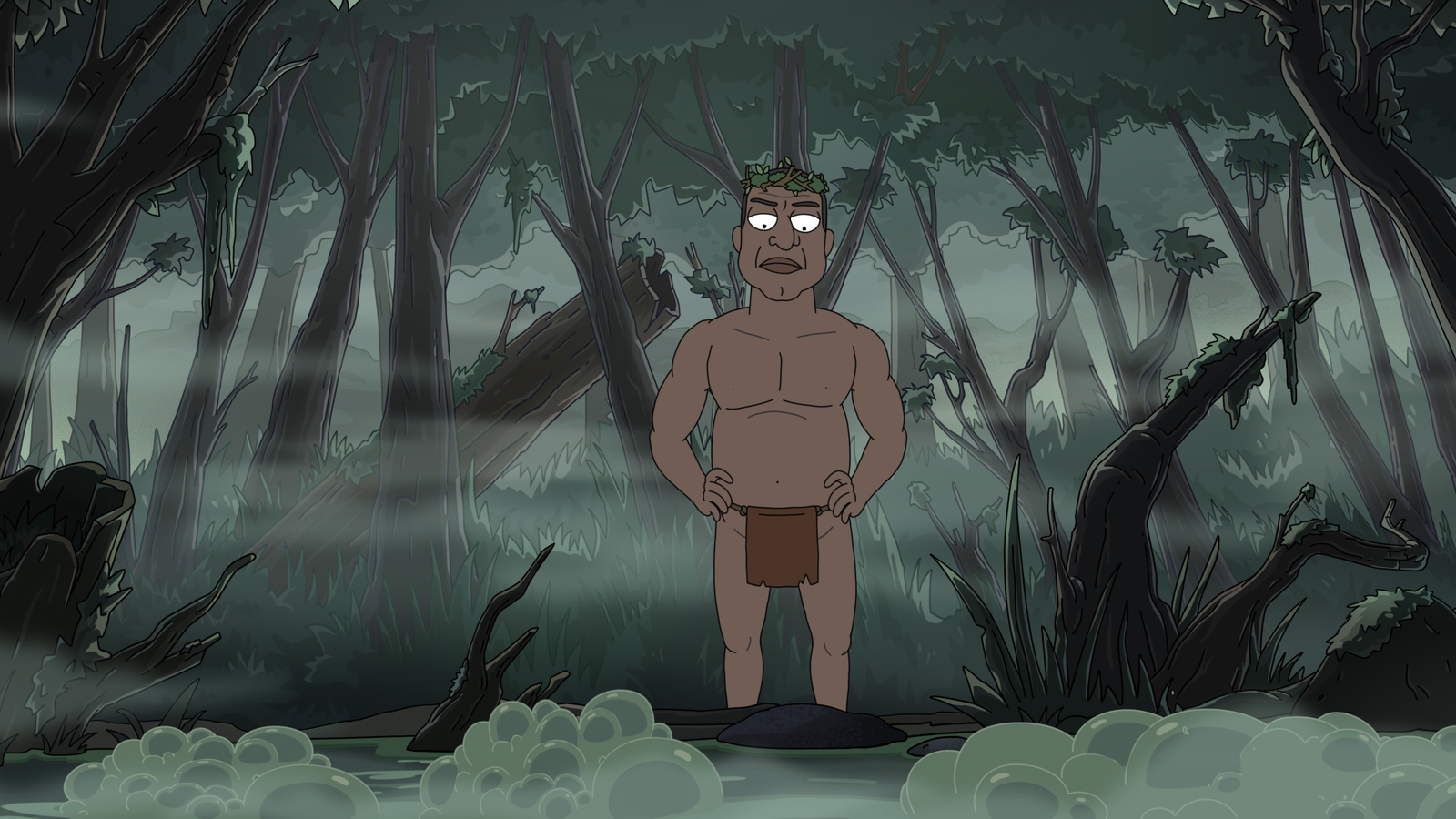
To differentiate President Curtis from the often darker, more utilitarian version of the character seen in Rick and Morty, the writers have consciously "softened" him. In the original series, the President was prone to morally questionable behavior, including merging with a hive mind solely to inflate his public approval ratings.
In the spinoff, however, the goal is to present a more idealized version of leadership. As Harmon described it, Curtis is a man who "serves and he fetches and he rescues and he slays if he has to." This shift is designed to create a more aspirational protagonist—someone the audience can root for, even if they are fundamentally disillusioned with the concept of the presidency itself.
James Siciliano, co-showrunner, believes that this deviation from the "lying politician" trope is exactly what audiences need. "It’s not his job to lie or serve himself or play politics," Siciliano said. "He’s dedicated to the job, so it’s refreshing."
The Political Landscape: A Backdrop of Distrust
The anxiety surrounding the show’s release is backed by significant data. Recent reports, such as those from Reuters, indicate that the current American public holds a deeply fractured view of the executive branch. With approval ratings hovering near historic lows, the public appetite for political content—even in the form of animated comedy—is arguably at a nadir.
The "depressing" nature of current affairs has created a psychological barrier. Producers at Adult Swim are aware that the audience is not just consuming a show; they are bringing years of fatigue, cynicism, and frustration into the viewing experience. By choosing to focus on a president who is, at his core, a "good guy," the creators are attempting to offer a form of escapist fantasy that contrasts sharply with the nightly news cycle.
Implications for the Future of Satire
The challenges faced by President Curtis highlight a broader trend in the entertainment industry: the shrinking shelf-life of satire. As the pace of political news accelerates and the nature of political rhetoric becomes increasingly performative and absurdist, the distance between reality and parody continues to close.
For Rick and Morty fans, the spinoff represents a test case. Can the Rick and Morty universe sustain a show that is less about nihilistic deconstruction and more about a sincere, if high-concept, exploration of a single, heroic character?
The answer, according to the creators, lies in the sincerity of the performance. By grounding the show in the character of President Curtis—played with gravitas and humor by Keith David—the team hopes to bypass the "political fatigue" that currently plagues the nation. If they can successfully maintain the line between their character’s earnestness and the surrounding chaos of the Rick and Morty multiverse, they may have a hit on their hands.
Conclusion
As the July 26 premiere approaches, the creators of President Curtis remain cautiously optimistic. They acknowledge the "awkward" timing and the necessity of ditching jokes that hit too close to the bone, but they remain firm in their vision. In a world where the presidency has become a source of profound stress for many, perhaps the most radical thing an animated show can do is to portray a leader who actually tries to be a hero.
Whether President Curtis will succeed in cutting through the noise of a polarized nation remains to be seen. But for Dan Harmon and James Siciliano, the mission is clear: to find the humor in the madness, even when the madness is happening in the real world.

