

The history of the video game industry is one of iterative evolution and, occasionally, blatant imitation. For every groundbreaking title that defines a genre—Super Mario Bros., Stardew Valley, or Doom—there inevitably follows a parade of clones and "spiritual successors" looking to capture a sliver of that original magic. However, the current state of the Steam marketplace has taken this phenomenon to an absurd, almost satirical extreme.
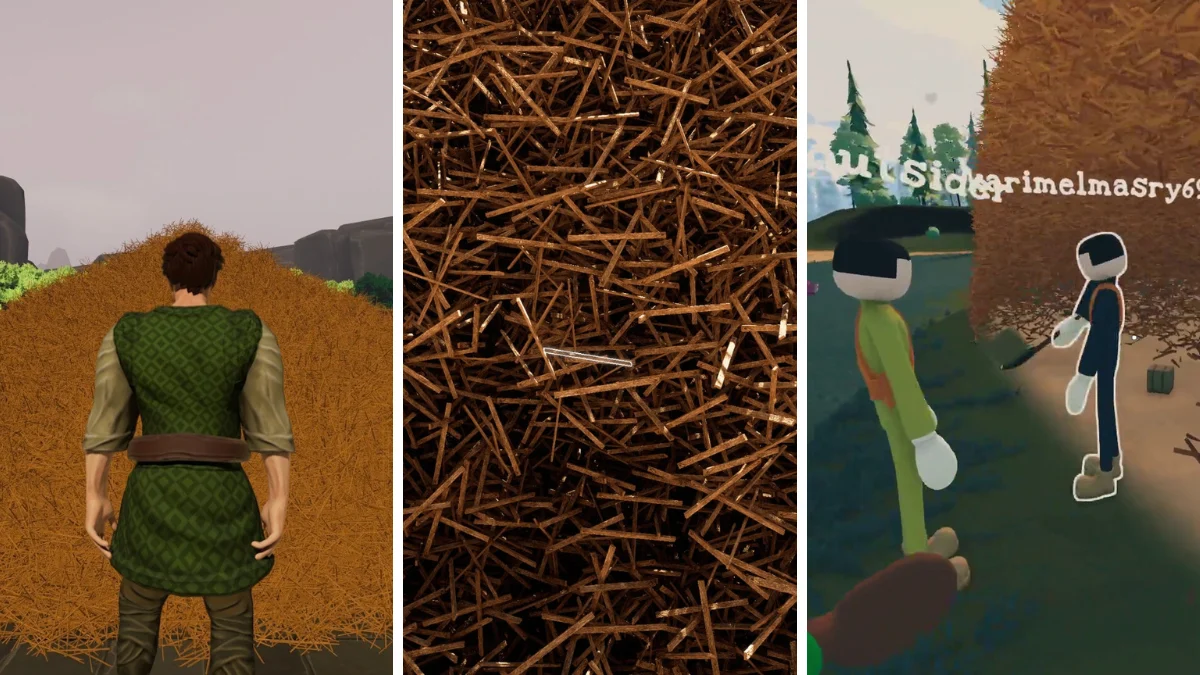
In what many industry observers are calling the "slopification" of the platform, a bizarre new sub-genre has emerged almost overnight: the "Needle in a Haystack" simulator. These titles, which task players with the monotonous, repetitive, and intentionally tedious process of sifting through digital hay, have flooded the Steam storefront. What began as a potential joke or an experimental indie concept has rapidly morphed into a micro-trend that highlights both the creativity and the cynical opportunism present in modern PC gaming.
A Chronology of the Haystack Phenomenon
The trend seemingly ignited with Needle In A Haystack Simulator, a project from developer Studio Bitdot. While not scheduled for full release until Q4 2026, the game’s visibility exploded following a successful playtest in August that attracted roughly 23,000 participants—a staggering figure for a game predicated on the world’s most famous idiom for futility.
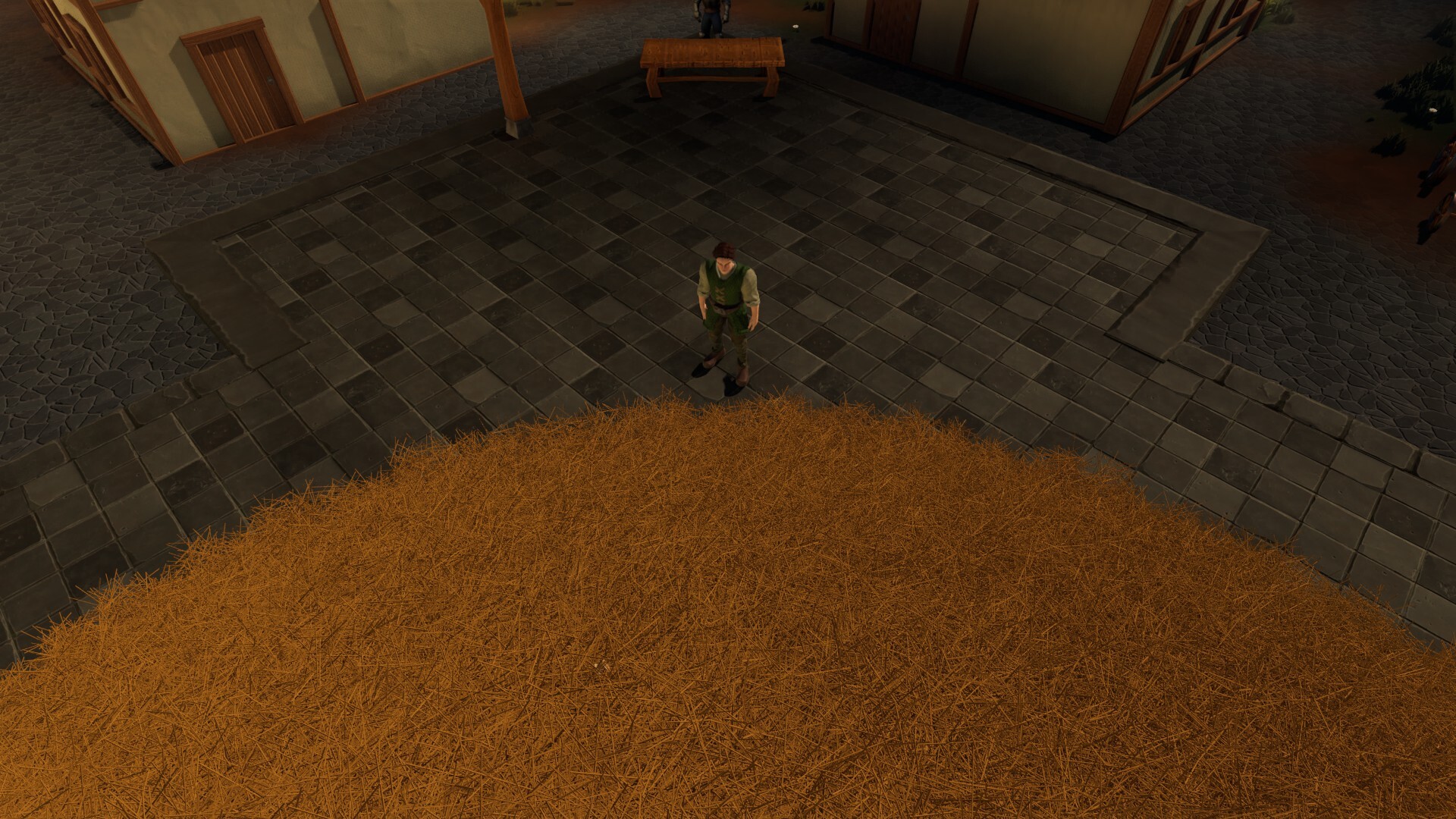
The game is a hybrid of sorting mechanics and incremental "clicker" systems. Players must manually sift through hay to locate a single needle, but the gameplay loop is incentivized by the discovery of other randomized items. These finds can be sold to generate currency, which in turn allows the player to purchase "more efficient" hay-sorting technology. It is a feedback loop designed to transform pure, unadulterated boredom into a psychological compulsion, a design philosophy that has proven remarkably effective in the current market.
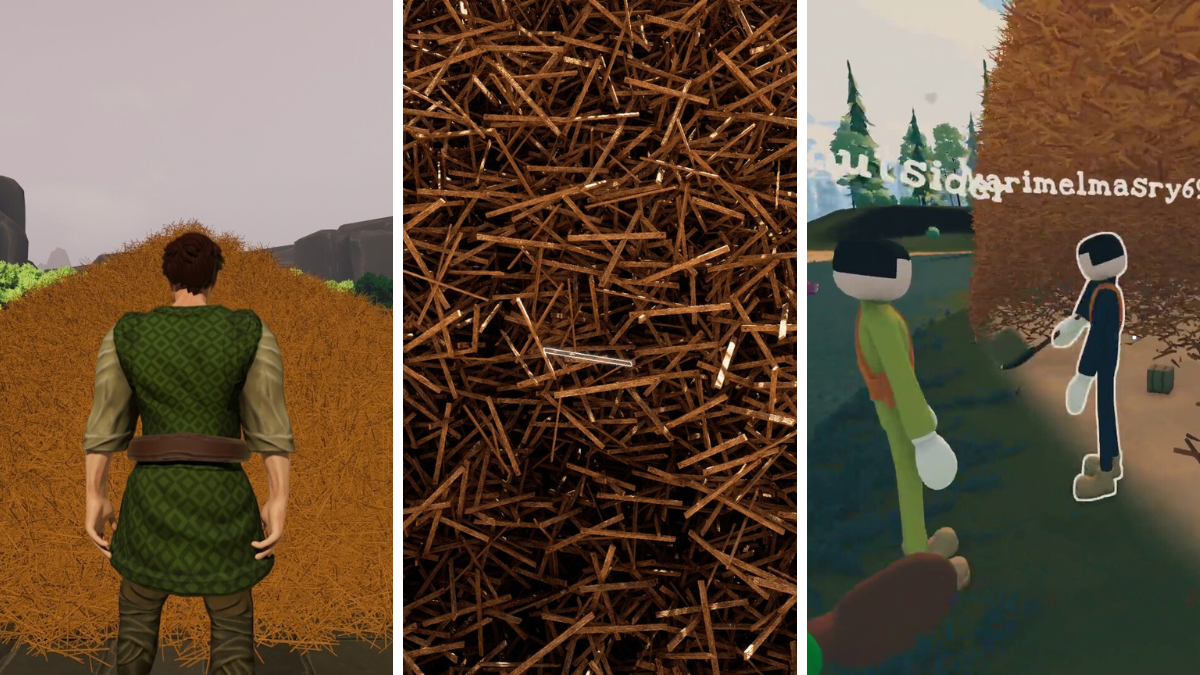
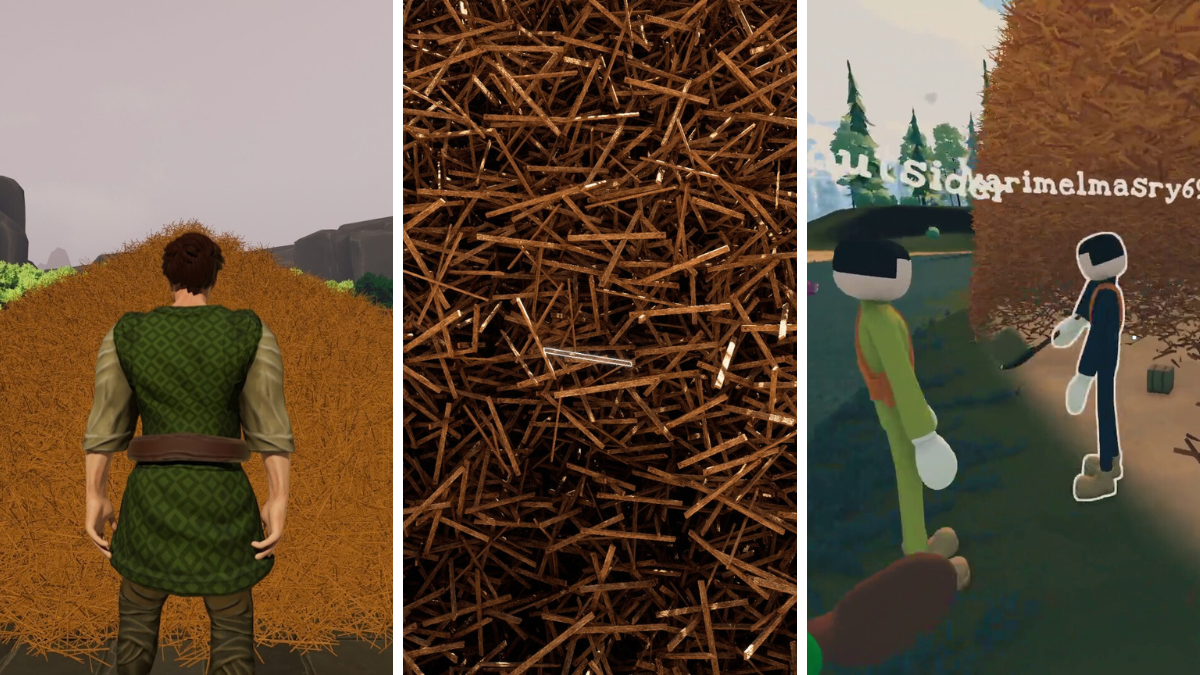
However, the speed at which the industry moves ensured that Studio Bitdot wouldn’t be alone for long. Sensing a viral moment, other developers rushed to fill the void. By late September, two competing titles had already beaten the progenitor to market: Needle In A Haystack – A Time For Goats (released September 19) and A Needle In A Haystack: Sorting Game (released September 25). The sheer volume of similarly titled games—Story of The Needle In a Haystack, Needle in a Haystack, and others—has turned the Steam search bar into a chaotic landscape of near-identical branding.
Supporting Data: Viral Success vs. Quality
The metrics surrounding these games are as confounding as their gameplay. Needle In A Haystack – A Time For Goats, developed by Red Key Games, reported selling over 1,000 copies in its first week. Meanwhile, the demo for the similarly titled Needle In A Haystack (releasing September 30) pulled in an impressive 20,000 players during its preview period.
These numbers suggest that there is a genuine, albeit perhaps ironic, appetite for "meaningless labor" games. This trend follows a broader movement on Steam where players gravitate toward hyper-specific, meditative, or overtly mundane tasks—games about organizing shelves, cleaning houses, or, in this case, performing a task that is traditionally synonymous with wasted time.
However, the quality of these titles remains highly suspect. User reviews for A Needle In A Haystack: Sorting Game have been largely negative, labeling the software as "substandard" and "barebones." The market appears to be bifurcated between players who are genuinely intrigued by the incremental mechanics and those who are purchasing these titles as a novelty, only to find the experience lacking in depth or execution.
Official Responses and the "Slop" Controversy
The rapid proliferation of these games has not gone unnoticed by the developers themselves. The creator of the viral Needle in a Haystack Simulator, who goes by the handle "Nas," has adopted an approach of weary, self-aware irony. In response to a viral X (formerly Twitter) post documenting the wave of "haystack slop," Nas issued an apology to the Steam storefront, explicitly acknowledging that their game is the "ultimate slop game."
Other developers, however, have been more defensive. When Needle In A Haystack – A Time For Goats began facing accusations of being a copycat, the developers at Red Key Games were quick to provide evidence of their development timeline. "We decided to set out and make this game and are very aware that since then, multiple hay games have surfaced and tweets have gotten super popular," the studio stated in a Steam update. They provided SteamDB data to prove they had been in production for months before the trend went viral, claiming the overlap was a "crazy coincidence."
The attempt to differentiate has led to bizarre design choices. In an effort to keep players engaged, Red Key Games recently added a "first-person shooter" mode to their game as a free update. The community reaction was swift and negative. One user, djcassar, lamented the addition, stating, "It is a completely different play style to what people are buying the game intending to experience. Get rid of it!" This illustrates the precarious position of developers caught in a trend: deviate and lose your core audience, or stay the course and risk being buried by identical, low-effort clones.
Broader Market Implications: The Risk of Virality
The "Haystack" saga serves as a cautionary tale for indie developers regarding the risks of social media exposure. When a game goes viral, it acts as a signal flare to the "churn industry"—developers and publishers who specialize in identifying popular tropes and churning out low-quality clones to capture quick, low-effort revenue.
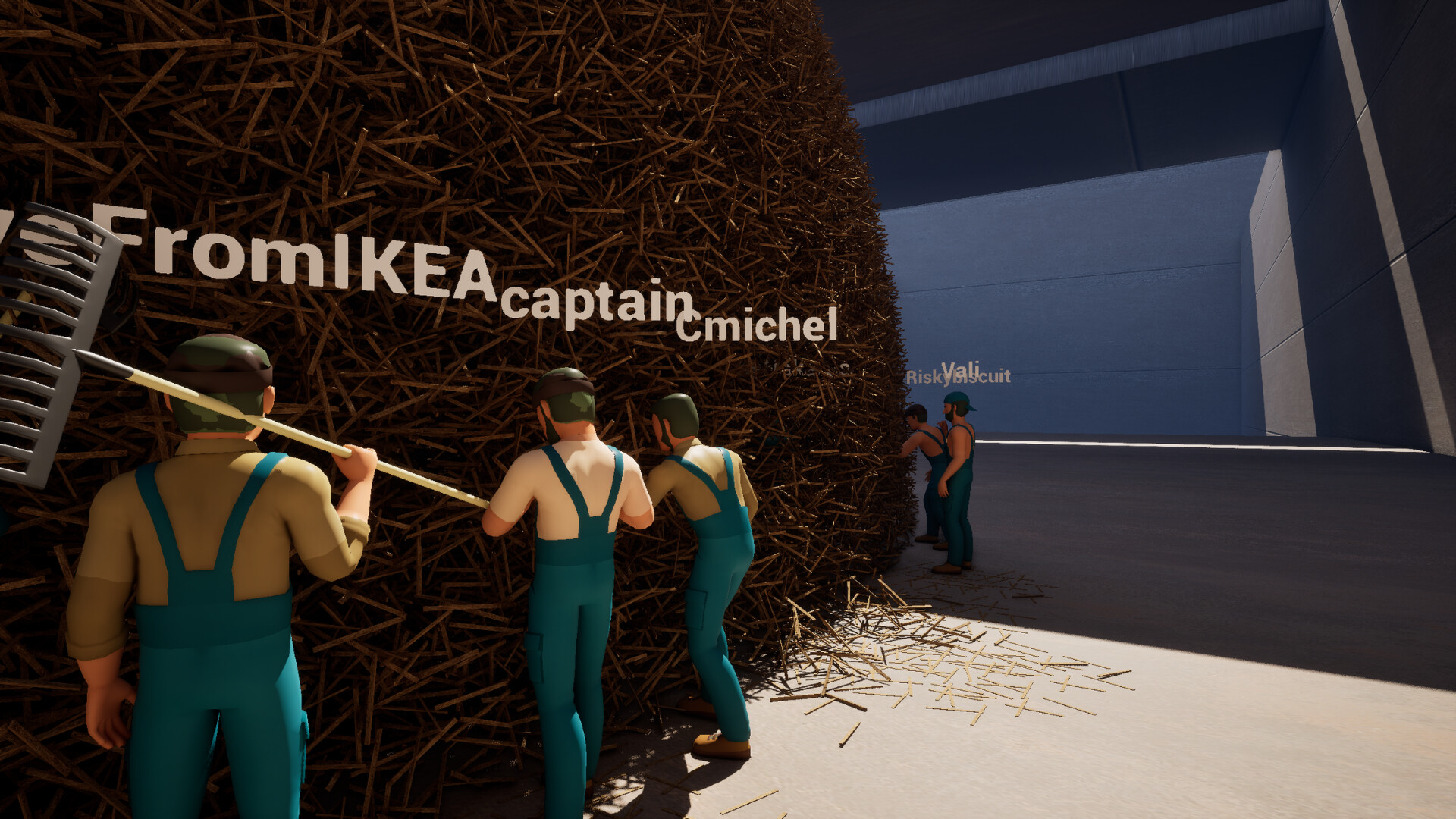
This is not a new phenomenon. We have seen it with A Game About Digging A Hole, the Banana clicker phenomenon, and countless other viral hits. However, the speed of the "haystack" cycle is unprecedented. It highlights a structural issue on Steam: the platform is so saturated (with over 100,000 titles available) that discoverability has become a war of attrition. For the shovelware merchants, the strategy is simple: if you can’t make the best game, make the most recognizable one, or failing that, make the one that looks enough like the others to confuse the algorithm.
Steam’s Competitive Landscape: September 15–22
While the haystack games fight for the bottom of the barrel, the top of the Steam revenue charts remains dominated by established heavyweights. Wardogs continues its reign, having sold three million copies since preorders opened in August. This success is particularly notable given the notoriously difficult market for live-service multiplayer games in 2026, a year that has seen numerous high-profile failures in the genre.
EA Sports FC 27 holds the second position, despite the game not having officially released during the data collection period of September 15–22. Its presence is driven entirely by massive preorder numbers. Interestingly, EA has officially disclosed the use of generative AI in the creation of pre-rendered or live-generated content for the title, emphasizing that the process remains "human-led."
Finally, the JRPG market remains surprisingly resilient, with Trails in the Sky 2nd Chapter performing exceptionally well. With over 1,000 "overwhelmingly positive" reviews, it serves as a stark reminder that while the "slop" of the haystack simulator might capture headlines and temporary clicks, there remains a dedicated, discerning audience that values narrative, depth, and craftsmanship above all else.
Conclusion
The haystack trend is a microcosm of the modern digital storefront: a place where irony, genuine experimentation, and ruthless capitalism collide. Whether the "needle" in these games is ever truly worth finding remains a question for the players. For now, the developers will continue to stack the hay higher, hoping that somewhere in the mess, there is a profit to be made. As for the state of the industry, one can only hope that the next big trend offers a little more substance than a bale of dried grass.

