

By Ryan Epps
Published: September 25, 2026
Main Facts: The Legacy of a Groundbreaking Sci-Fi Drama
Long before the Marvel Cinematic Universe (MCU) and DC’s sprawling multi-platform franchises streamlined the cape-and-cowl blueprint into a trillion-dollar cinematic formula, television was a veritable wild west for superpower narratives. Creators were not yet bound by shared-universe continuity, corporate cross-promotional synergy, or strict comic book lore. Instead, mid-2000s network television experimented with speculative fiction that prioritized human drama, existential dread, and grounded realism over spandex and laser-focused world-building.
Shows like USA Network’s The 4400 treated sudden, unexplained mass returns as a sprawling science-fiction mystery, while Syfy’s Alphas reinterpreted superhuman gifts not as divine blessings, but as complex neurological conditions fraught with severe real-world physiological and psychological trade-offs. Even modern-day streaming juggernauts like Amazon Prime Video’s The Boys and Gen V trace their subversive DNA directly back to this era, thriving on the premise of turning superpowered individuals into cynical corporate commodities, fragile psychological wrecks, and uncontrollable liability risks.
Yet, perhaps no television series encapsulated this transitional era of pre-MCU television quite as profoundly as NBC’s Heroes. Premiering in September 2006 during the absolute genesis of the modern superhero media boom, Tim Kring’s ambitious sci-fi drama dared to ask a deceptively simple question: What would ordinary people actually do if they suddenly woke up with the powers of gods?
Stripping away the shiny aesthetics of traditional comic books, Heroes traded capes and iconic headquarters for suburban kitchens, Manhattan art studios, and Tokyo corporate cubicles. It focused on a hyper-anonymous ensemble cast whose seemingly disparate lives slowly, inevitably converged in the terrifying shadow of a looming, apocalyptic manhole-cover-melting explosion. Now finding a resurgence in modern viewing habits via free ad-supported streaming television platforms like Pluto TV and Tubi, Heroes remains a fascinating cultural snapshot of a time when the genre was unpredictable, deeply human, and willing to take massive, chaotic narrative swings.
Chronology: The Rise, Fall, and Evolution of a Phenomenon
To understand the cultural footprint of Heroes, one must look back at the television landscape of 2006. Network television was heavily reliant on procedural crime dramas and serialized mysteries like Lost. It was into this landscape that Heroes dropped its pilot episode on September 25, 2006, drawing a staggering 14.3 million viewers and instantly cementing itself as a breakout pop-culture phenomenon.
Phase 1: The Golden Age of Season 1 (2006–2007)
The first season of Heroes was a masterclass in modern serialized storytelling. Structured around distinct "volumes"—the first being "Genesis"—the narrative introduced viewers to a mosaic of characters scattered across the globe. There was Hiro Nakamura, an ordinary office worker in Tokyo who discovers he can bend space and time; Claire Bennet, a Texas cheerleader desperately hiding her ability to instantly regenerate tissue; Peter Petrelli, a New York hospice nurse who unconsciously absorbs the powers of others; and Niki Sanders, a Las Vegas stripper wrestling with a violent, super-strength-possessing alter ego named Jessica.
Anchoring this sprawling web of characters was Gabriel Gray—soon to be known as Sylar—a clockmaker whose desperate search for "specialness" transforms him into a serial killer who slices open the skulls of other superpowered individuals to physically study and steal their abilities. The season built toward a thrilling, prophetic climax in New York City, encapsulated by the iconic warning: "Save the cheerleader, save the world." It was a critical darling, earning Emmy and Golden Globe nominations and catapulting its cast into overnight stardom.

Phase 2: The Writer’s Strike and the Creative Slump (2007–2009)
Despite its astronomical start, the trajectory of Heroes serves as a cautionary tale of television production hurdles. Season 2, subtitled "Generations," premiered in the fall of 2007 under immense pressure to replicate the lightning-in-a-bottle success of the debut year. However, the momentum was abruptly cut short by the 2007–2008 Writers Guild of America (WGA) strike, which forced the season to be severely truncated.
Subsequent volumes—such as "Villains" and "Fugitives"—struggled to recapture the tight, character-driven focus of Season 1. The writers fell into repetitive tropes: characters constantly losing and regaining their powers, resurrection becoming a revolving door rather than a high stake, and a sprawling roster of new characters diluting the emotional core of the original ensemble. Ratings steadily declined, leading to NBC’s eventual cancellation of the series in May 2009 after four seasons, ending with a cliffhanger that left the world knowing about the existence of evolved humans.
Supporting Data: Examining the Unique Power Archetypes
What truly set Heroes apart from its contemporaries was its innovative approach to superhuman abilities. Rather than treating powers as straightforward tools for heroism or villainy, the series treated them as metaphors for personal trauma, psychological burdens, and biological anomalies.
The Breakdown of Core Abilities
- Hiro Nakamura (Time and Space Manipulation): Hiro’s power is introduced with a sense of pure, childlike wonder. Played with infectious enthusiasm by Masi Oka, Hiro’s reaction to teleporting into a New York subway station grounds the absurdity of the sci-fi premise in genuine human delight. Yet, as the series progresses—including a poignant narrative arc traveling back to 1977—Hiro learns that playing with the fabric of time carries catastrophic, irreversible emotional and physical costs.
- Claire Bennet (Rapid Cellular Regeneration): Played by Hayden Panettiere, Claire’s immortality is handled with visceral, body-horror realism. Instead of presenting her invulnerability as a clean power-fantasy, Heroes frequently lingered on the agonizing reality of her healing factor. Early scenes featuring Claire casually pulling broken bones back into place or testing the limits of her mortality by jumping off high-rise structures established that these extraordinary gifts could be deeply disturbing.
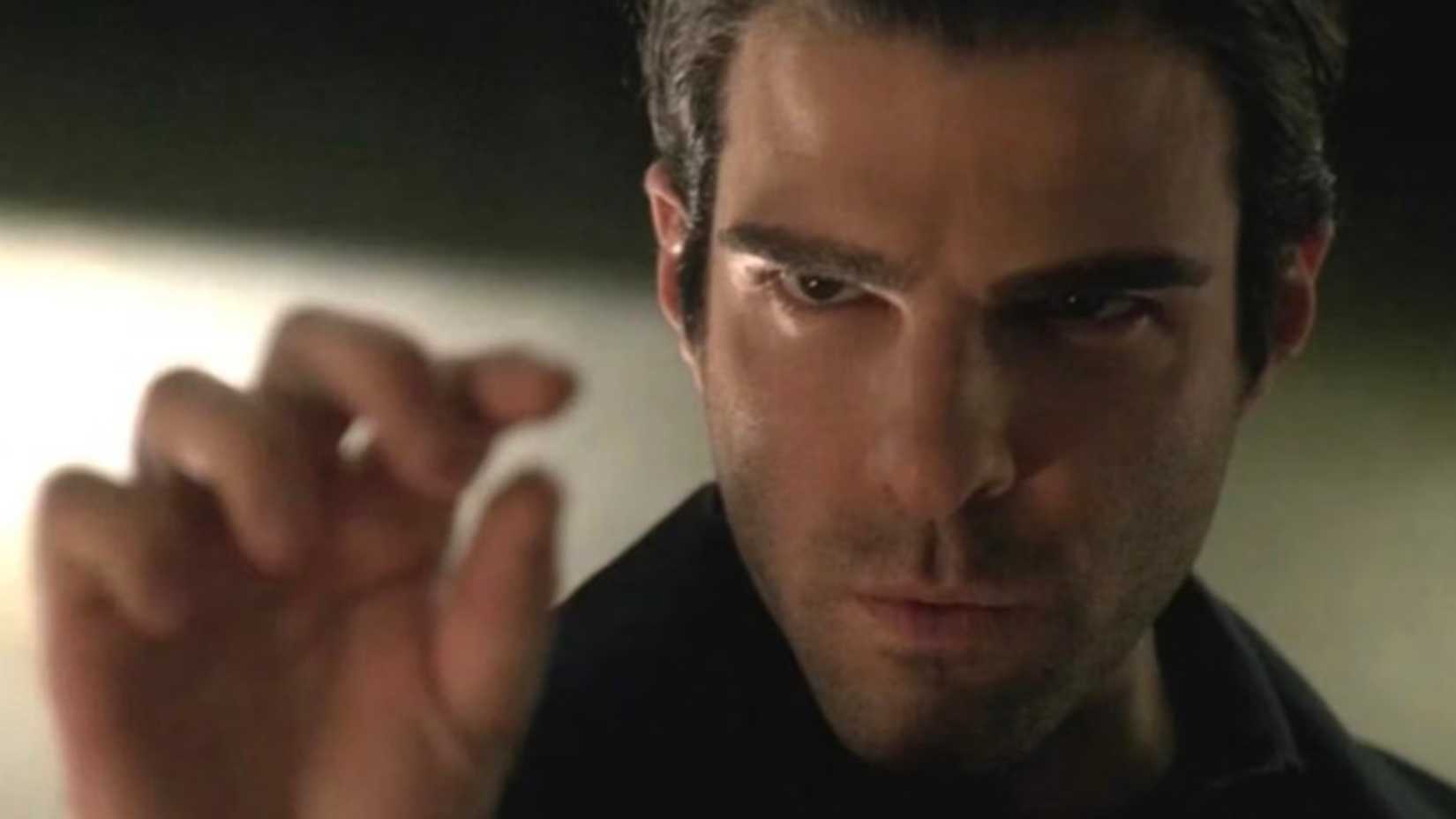
- Sylar (Intuitive Aptitude): Zachary Quinto’s portrayal of Sylar redefined television villainy. By framing his bloodlust not as a generic desire for world domination, but as a twisted, intellectual hunger to "understand how things work," Sylar turned superhuman biology into a literal puzzle. His character forced the audience to reckon with the horrifying mechanics of superpowers, treating the human brain as a biological hard drive to be unlocked.
- Other Notable Figures: Characters like Peter Petrelli (empathic mimicry), Matt Parkman (telepathy), and Niki Sanders (dissociative identity disorder paired with super strength) consistently blurred the line between psychological disorder and supernatural gift.
Official Responses and Creator Insights: The Philosophy Behind Heroes
Reflecting on the legacy of Heroes, series creator Tim Kring has repeatedly emphasized that the heart of the show was never about the spectacle of the powers themselves, but rather about the profound ordinariness of the people wielding them.

In an interview with Inverse, Kring detailed the foundational philosophy of the series:
"The idea that extraordinary things could happen in their lives. I hadn’t seen that on television yet. Taking characters who were not just anonymous, but hyper-anonymous, and colliding them with the impossible."
NBC executives at the time recognized that Heroes represented a massive financial and creative gamble. It required a blockbuster-sized budget for visual effects combined with the deep, multi-character serialization typically reserved for prestige cable dramas. While network notes and studio pressures eventually contributed to the show’s later-season narrative fragmentation, the initial creative gamble paid off by proving that mainstream audiences were hungry for serialized, mythology-heavy comic-book-adjacent storytelling on network television.
Furthermore, actors like Masi Oka and Hayden Panettiere frequently noted in retrospective interviews how liberating it was to work on a show that defied traditional genre tropes. Panettiere, who was just 16 when she began playing Claire Bennet, noted that the character’s vulnerability beneath her unkillable exterior gave young viewers a complex, resilient figure to look up to—one who struggled just as much with high school social dynamics as she did with government conspiracies.
Implications: How Heroes Shaped the Modern Landscape
As we look at today’s media landscape—where superhero properties dominate box offices and streaming services roll out high-concept series like Lanterns, Wonder Man, and The Boys—the influence of Heroes is unmistakable.
First, Heroes proved that serialized, multi-perspective storytelling could work on broadcast television for a geek-culture property. Before Heroes, serialized sci-fi was often relegated to niche cable networks or dedicated sci-fi channels. By bringing mutant-adjacent drama into prime-time network television, it paved the way for shows like Arrow, The Flash, and eventually the sprawling streaming interconnected universes we see today.
Second, the series anticipated society’s modern fascination with the darker, sociological implications of super-powered individuals. By introducing organizations like "The Company"—a shadowy corporate-governmental entity that cataloged, controlled, and neutralized superpowered people—Heroes foreshadowed the institutional surveillance and weaponization themes that now dominate modern superhero deconstructions.
While Heroes famously stumbled in its later years, its early-season brilliance remains a high-water mark for speculative television. It reminded viewers that superpowers are only as compelling as the fragile, complicated, and deeply human souls who have to live with them. Now, as new generations discover the series on platforms like Tubi and Pluto TV, Heroes endures not as a cautionary tale of squandered potential, but as a visionary blueprint for a time when television dared to imagine a world where ordinary people woke up and asked: "Why us?"

