

The intersection of interactive entertainment and social advocacy reached a new zenith this week as the Games for Change (G4C) Festival concluded its annual ceremony in New York City. The 2026 G4C Awards, a prestigious recognition program dedicated to honoring video games and immersive experiences that drive real-world social impact, showcased a diverse slate of winners that span the globe—from the studios of North America to the educational initiatives of Europe.
This year’s gala served as a definitive statement on the evolution of the medium. No longer confined to pure escapism, the featured titles represent a growing movement of developers, storytellers, and social entrepreneurs who view the game engine as a tool for empathy, education, and global change.
The Vanguard of Change: Key Winners and Highlights
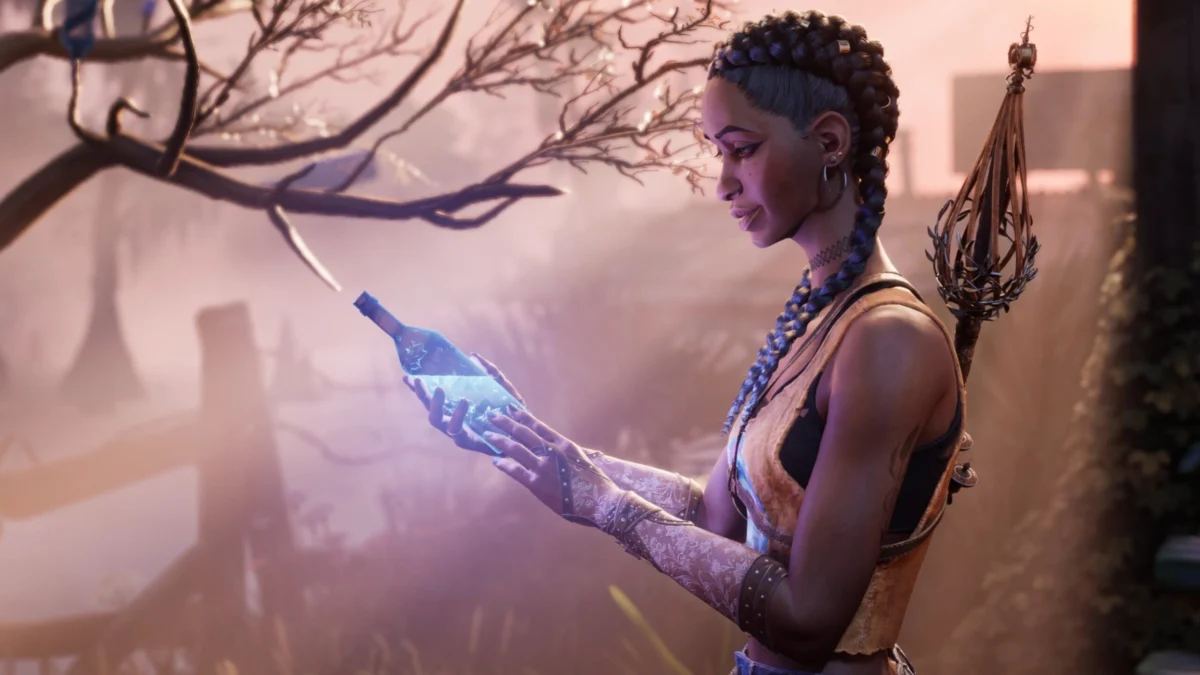
The evening’s top honor, the Game and Experience of the Year, was awarded to Compulsion Games for South of Midnight. The title, which has been praised for its deep cultural roots and atmospheric narrative, represents a significant milestone for a studio known for its commitment to thematic depth.
While South of Midnight captured the top prize, the undeniable breakout star of the evening was Hexecutable’s Consume Me. A masterclass in independent development, the title dominated the ceremony, walking away with three major accolades: Best Narrative, Best Gameplay, and the Indie Breakout Award. This triple-win signals a shifting tide in the industry, where smaller, highly focused teams are successfully tackling complex emotional and mechanical challenges with surgical precision.
Other notable winners included:
- Best in Learning: The Darkest Files by Paintbucket Games, a title lauded for its ability to transform historical research into a compelling, interactive pedagogical experience.
- Industry Leader Award: Thatgamecompany, recognized for their long-standing commitment to creating "games as art" that foster connection and emotional resonance.
- Vanguard Award: Jenn Panattoni, founder and CEO of Aizle Impact, was honored for her transformative work in corporate social responsibility.
Chronology of the 2026 Awards Cycle
The road to the 2026 G4C Awards was marked by a rigorous, global selection process. The cycle began late last year with an open call for submissions, inviting developers, NGOs, and academic institutions to present projects that utilize gaming for the public good.
By the time the submission portal closed, the organization had received entries from 42 countries, representing a truly international perspective on the medium. Over several months, a panel of industry veterans, educators, and human rights advocates evaluated the submissions based on their social impact, innovation, and technical execution.
The festival itself, held in New York City, served as the final stage of this process. The awards ceremony acted as the anchor event, following days of panels, workshops, and networking sessions where developers discussed the technical challenges of integrating social messaging into gameplay loops without compromising the player’s agency.
Supporting Data: A Global Movement
The breadth of this year’s submissions confirms that the "Games for Change" movement is no longer a niche interest; it is a global phenomenon. According to data provided by the G4C organization, this year’s pool of applicants spanned five continents, illustrating that the democratization of game development tools has allowed creators from diverse cultural backgrounds to share their unique experiences with a global audience.
The financial and social reach of these initiatives is equally impressive. Take, for instance, the work of Vanguard Award recipient Jenn Panattoni. Her tenure at the helm of the Xbox Social Impact team—which she founded in 2018—has resulted in the mobilization of over $250 million for various global campaigns. This figure serves as a staggering testament to the power of the gaming industry to act as a fundraising and awareness engine for issues ranging from climate change to digital literacy.
.jpg?width=570&quality=85&format=jpg&dpr=3)
Official Responses and Industry Sentiment
The atmosphere at the ceremony was one of profound celebration, tempered by the seriousness of the topics addressed by the nominated games. Susanna Pollack, President of Games for Change, opened the evening with a keynote that emphasized the maturity of the industry.
"It has been a remarkable year for games made with purpose, and these winners show the breadth of it," Pollack stated. "They come from studios and institutions across five continents, each one turning to a game or interactive experience to say something that mattered to them. That is what we’re celebrating—how global this work has become."
For developers like those at Hexecutable, the recognition validates years of iterative work. In interviews following the win, representatives emphasized that the goal of Consume Me was never merely to entertain, but to provoke thought through its intricate narrative structure. The Indie Breakout Award serves as an industry stamp of approval, proving that audiences are increasingly hungry for content that challenges their intellect and emotional intelligence.
Implications for the Future of Interactive Media
The success of the 2026 awards carries significant implications for the broader gaming industry. First, it highlights the growing viability of the "impact gaming" sector. As major publishers and indie studios alike observe the acclaim surrounding titles like South of Midnight and The Darkest Files, there is a clear business case for prioritizing meaningful storytelling.
Second, the industry is seeing a shift in how games are taught and researched. By recognizing The Darkest Files in the Best in Learning category, the G4C Awards are reinforcing the importance of "serious games" in academic and professional training environments. We are likely to see an increase in partnerships between game studios and educational institutions, as the potential for immersive, simulation-based learning continues to outperform traditional text-based curriculum.
Finally, the focus on the Vanguard Award and Industry Leader awards suggests that the industry is holding its own stakeholders accountable. By honoring individuals like Jenn Panattoni, the G4C is signaling that leadership in the 21st century requires more than just profitability; it requires a commitment to the social health of the player base and the world at large.
Looking Ahead: The Path Toward 2027
As the dust settles on the 2026 Games for Change Festival, the industry is already looking forward. The standards set by this year’s winners have established a high bar for the coming year. Developers are now tasked with not only pushing the boundaries of what a game can do—technically and mechanically—but what a game can mean.
The 2026 Awards have effectively bridged the gap between the commercial gaming sector and the nonprofit world. As we move into the next cycle, the focus will likely turn toward how these games can be distributed more effectively to the demographics that need them most, such as marginalized communities and educational systems in developing nations.
In summary, the 2026 G4C Awards were more than just a ceremony; they were a reflection of a medium that has finally come of age. By rewarding titles that demand empathy, critical thinking, and social awareness, Games for Change has ensured that the future of the industry remains as purposeful as it is innovative. Whether through the lens of history, the mechanics of a breakout indie hit, or the massive scale of corporate philanthropy, the message is clear: games are no longer just play—they are a vital tool for shaping the future of our society.

