


LOS ANGELES — In the landscape of modern superhero television, narrative consequences usually arrive with swift, undeniable authority. Villains face intergalactic tribunals, cosmic prisons, or permanent erasure when they cross the ultimate moral line. Yet, the explosive first-season finale of HBO’s DCU series Lanterns shattered this conventional formula, leaving audiences grappling with an ending that felt less like justice served and more like psychological devastation.
In the season’s closing episodes, the mystery behind who murdered Hal Jordan—one of DC’s most iconic cosmic heroes—came to a staggering conclusion. The perpetrator was none other than Sheriff Kerry Kane, the very person who discovered Hal’s frozen body on the bleachers in the series premiere.
However, instead of dragging Kerry before an intergalactic court or handing her over to Corps custody, John Stewart opted for a much heavier, more complex path: he let her walk away.
Addressing the creative choice during a recent appearance on The Ringer-Verse’s House of R podcast, Lanterns co-creator and co-writer Tom King broke down the intense writers’ room debates that shaped the finale, explaining why psychological guilt was deemed a far more potent sentence than any physical jail cell.
Main Facts: The Shocking Unraveling of the Lanterns Finale
The climax of Lanterns Season 1, Episode 8, upended months of fan theories and investigative twists. Throughout the series, the murder of Hal Jordan hung over the narrative like a shroud, introducing a gritty, grounded detective tone to the broader DC Universe (DCU) spearheaded by James Gunn.
When the truth finally surfaced, the revelation that Sheriff Kerry Kane pulled the trigger sent shockwaves through the fandom. According to King and the creative team, the decision not to punish Kerry legally was deliberate and heavily scrutinized.
- The Killer Revealed: Sheriff Kerry Kane, Hal Jordan’s romantic partner and local law enforcement figure, shot and killed him.
- The Motive: After discovering that her son, Noah, was a lethal Manhunter—extraterrestrial killing machines notorious for wiping out entire species—Hal confronted Kerry at the local football field. Panicking at the prospect that Hal would execute her son in accordance with strict Green Lantern Corps guidelines, Kerry shot Hal in the head.
- The Verdict: John Stewart discovered the truth but chose not to administer punishment or hand her over to the authorities.
- The Fate of Noah: Despite knowing the catastrophic threat Manhunters pose, John similarly spared Noah, allowing the youth the autonomy to make his own choices rather than succumbing to his destructive programming.
- Production Status: Although HBO has yet to formally greenlight Lanterns Season 2, the writers’ room is already operational, signaling high internal confidence from the network and creative leads.
Chronology of the Twist: How Lanterns Built to Its Breaking Point
To understand the weight of the finale’s final minutes, one must trace the breadcrumbs left across the entirety of Season 1. The series established its tone as a prestige murder mystery wrapped in cosmic superhero lore, pairing veteran Green Lantern Hal Jordan with a reluctant John Stewart in a small-town setting.
Act I: The Discovery
The series opened with a chilling image: Hal Jordan’s lifeless body, frozen solid on local stadium bleachers. Sheriff Kerry Kane was among the first responders, comforting the community and working alongside John Stewart to uncover who could possess the power to kill a Green Lantern. Viewers trusted Kerry as an anchor of emotional stability in an increasingly bizarre and dangerous investigation.
Act II: Uncovering the Truth
As the investigation deepened, layers of conspiracy peeled back, pointing toward extraterrestrial threats. The existence of Manhunters—ancient, ruthless androids engineered to purge life—became a central pivot of the plot. It was eventually revealed that Kerry’s son, Noah, was a Manhunter.
Hal, bound by the unforgiving protocols of the Green Lantern Corps, recognized the existential threat Noah posed. Seeking to handle the situation discreetly, Hal arranged a clandestine meeting with Kerry at the football field where his body would later be discovered. He laid out the grim reality: Noah had to be neutralized.
Act III: The Fatal Panic
Faced with the imminent execution of her son by a man she loved, Kerry’s maternal instincts overrode her rational mind. In a blind panic, she drew a weapon and fired, killing Hal instantly. She then orchestrated the initial cover-up, leaning on her authority as sheriff to direct suspicion away from herself—all while maintaining a facade of grief when partnering with John Stewart.
Act IV: The Decision at the End of the World
When John Stewart finally pieces together the evidence in the finale, the audience braced for a brutal reckoning. In standard superhero media, this moment demands retribution. Instead, John confronts Kerry with the truth and delivers a verdict of profound mercy—or perhaps, supreme cruelty. He leaves her behind, letting her bear the unyielding weight of her own actions.
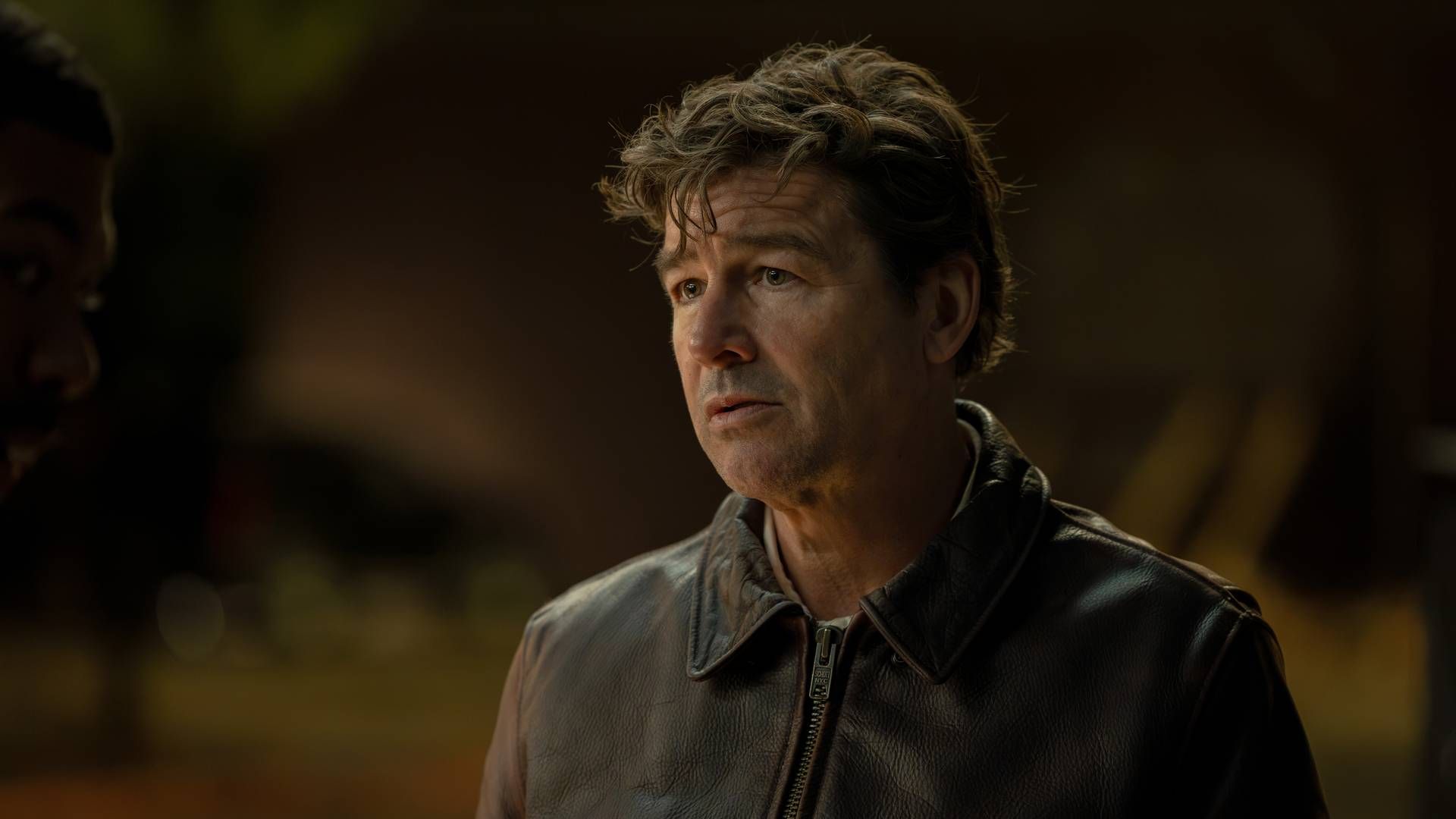
Supporting Data and Creative Rationale: Why Jail Wasn’t Enough
The choice to let a murderer escape formal justice sparked intense debate online, prompting Tom King to defend the narrative direction on the House of R podcast.
"We had a big debate," King shared during the interview. "It was like, ‘Does Kerry Kane get punished?’ Nothing could punish her more than the fact that she did that thing and she has to live with it. There’s no, like, jail isn’t worse than that."
This philosophy aligns with King’s critically acclaimed comic book work (such as Mister Miracle, Sheriff of Babylon, and Supergirl: Woman of Tomorrow), where characters frequently grapple with existential trauma, moral gray areas, and the internal consequences of violence rather than clean-cut moral victories.
Furthermore, John’s decision regarding Noah the Manhunter mirrors this thematic preoccupation with free will versus pre-programmed destiny. While Manhunters are historically programmed for genocide and total eradication, John chooses to view Noah as an individual capable of choice. Despite Noah begging John to end his life to prevent future atrocities, John refuses. He sees a reflection of his own struggles with power and responsibility within the young alien, choosing rehabilitation and autonomy over capital punishment.
Official Responses and Industry Context
The reception to the Lanterns finale has polarized a portion of the fanbase while winning praise from critics who favor character-driven psychological drama over CGI-heavy punch-fests.
Showrunner Chris Mundy and executive producer James Gunn have aimed to position Lanterns as "True Detective meets Green Lantern." By grounding a cosmic mythology in the quiet, suffocating atmosphere of a small American town, the creative team deliberately traded classic superhero tropes for intimate character studies.
While HBO has not yet officially announced a second season order, the infrastructure for a continuation is already moving at full speed. The writers’ room has reportedly convened to map out the next phase of the story, with Mundy recently teasing that fan-favorite cosmic entities and additional members of the Green Lantern Corps could factor heavily into future scripts.
The DCU Chapter One Roadmap
Lanterns serves as a critical pillar of James Gunn and Peter Safran’s DCU Chapter One: Gods and Monsters. As the universe expands outward from grounded television projects to cinematic spectacles, the fallout from Lanterns Season 1 will clearly resonate across upcoming slate additions:
- Clayface: A gritty, atmospheric feature project slated to further explore the darker corners of the DC canon.
- Superman: Man of Tomorrow: The upcoming cinematic event that will formally bring back Aaron Pierre’s critically praised iteration of John Stewart, bridging the gap between television and film within Gunn’s unified continuity.
Implications for the Future of the DCU
The conclusion of Lanterns Season 1 signals a fundamental shift in how cosmic characters are handled under the new DC Studios leadership. By choosing psychological torment over physical incarceration for Hal Jordan’s killer, the series establishes that actions in the DCU carry permanent, heavy emotional costs that cannot simply be washed away in a holding cell or a cosmic trial.
For John Stewart, sparing both Kerry and Noah demonstrates a mature leadership style rooted in empathy rather than blind adherence to Corps dogma. This evolution will undoubtedly define Aaron Pierre’s performance as he transitions into the broader cinematic landscape of Man of Tomorrow.
As fans await official word on a Season 2 renewal from HBO, the haunting final image of Kerry Kane left alone with her guilt—and John Stewart charting a difficult, compassionate path forward—proves that Lanterns has successfully redefined what a superhero television show can achieve.
Lanterns Season 1 is currently streaming in its entirety on HBO Max.

