

By the Gaming Desk
Published: September 2026
Main Facts
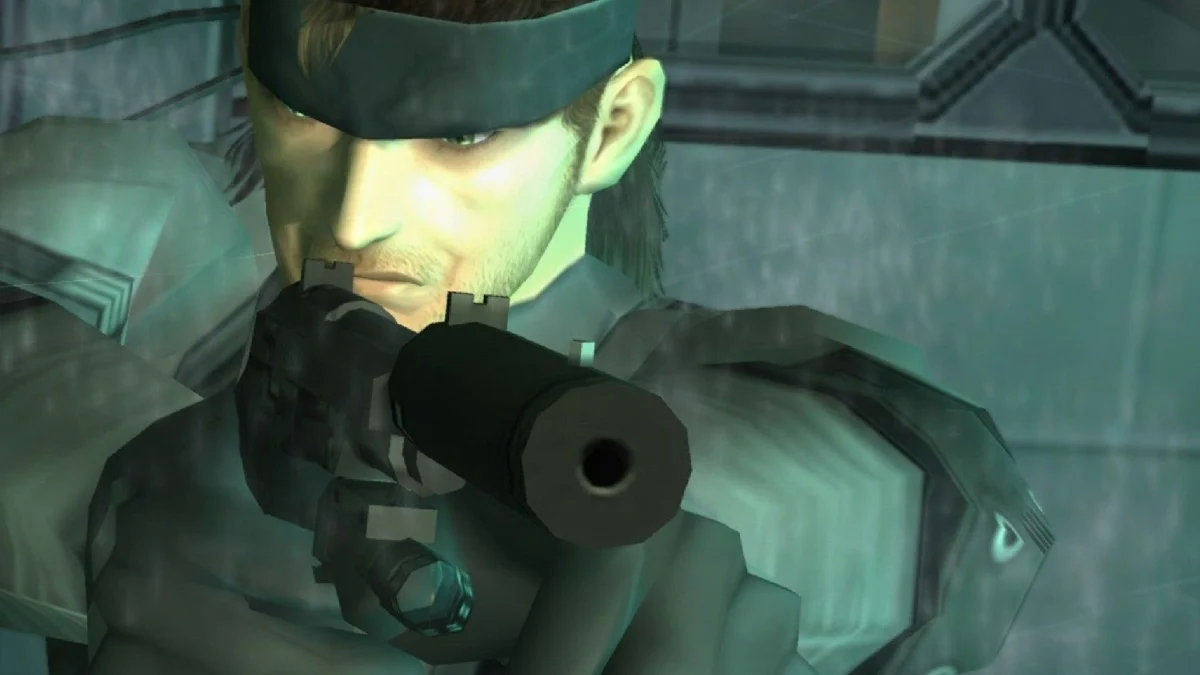
More than two decades after its initial release on the PlayStation 2, Hojima Productions’ iconic stealth-action masterpiece, Metal Gear Solid 2: Sons of Liberty, has just been upended by the speedrunning community. A dedicated speedrunner known online as apel has discovered a groundbreaking exploit that allows players to completely bypass the game’s very first boss encounter: the tense, rain-slicked deck duel against Olga Gurlukovich.
Traditionally, the game’s introductory "Tanker" chapter requires players to confront Olga to acquire her USP pistol. This weapon is mechanically vital; while non-lethal stealth play is typically encouraged throughout the series, the USP pistol is required to shoot out the sensor panels of explosive charges planted across the vessel. However, apel’s newly documented glitch manipulates game flags, checkpoints, and save states in a way that tricks the code into thinking the explosives have already been dealt with—allowing Solid Snake to simply walk past the area without ever triggering the cinematic cutscene or initiating combat with Olga.
This milestone represents the first time in the history of Metal Gear Solid 2 speedrunning that a mandatory boss fight has been entirely excised from a category run. As video evidence circulates across YouTube and analytical breakdowns emerge on platforms like Time Extension, the global speedrunning leaderboard community is bracing for a massive meta-shift that will inevitably shatter existing world records across multiple categories.
Chronology of the Discovery
To understand the magnitude of this exploit, one must trace the meticulous, trial-and-error history of Metal Gear Solid 2 glitch-hunting. Released in 2001, the game has been thoroughly deconstructed by hobbyists and professional runners alike. Every inch of the Tanker and Plant chapters has been poked, prodded, and broken using out-of-bounds maneuvers, directional-microphone inputs, and inventory manipulation. Yet, the scripted boss encounter with Olga Gurlukovich remained an immovable brick wall—until now.
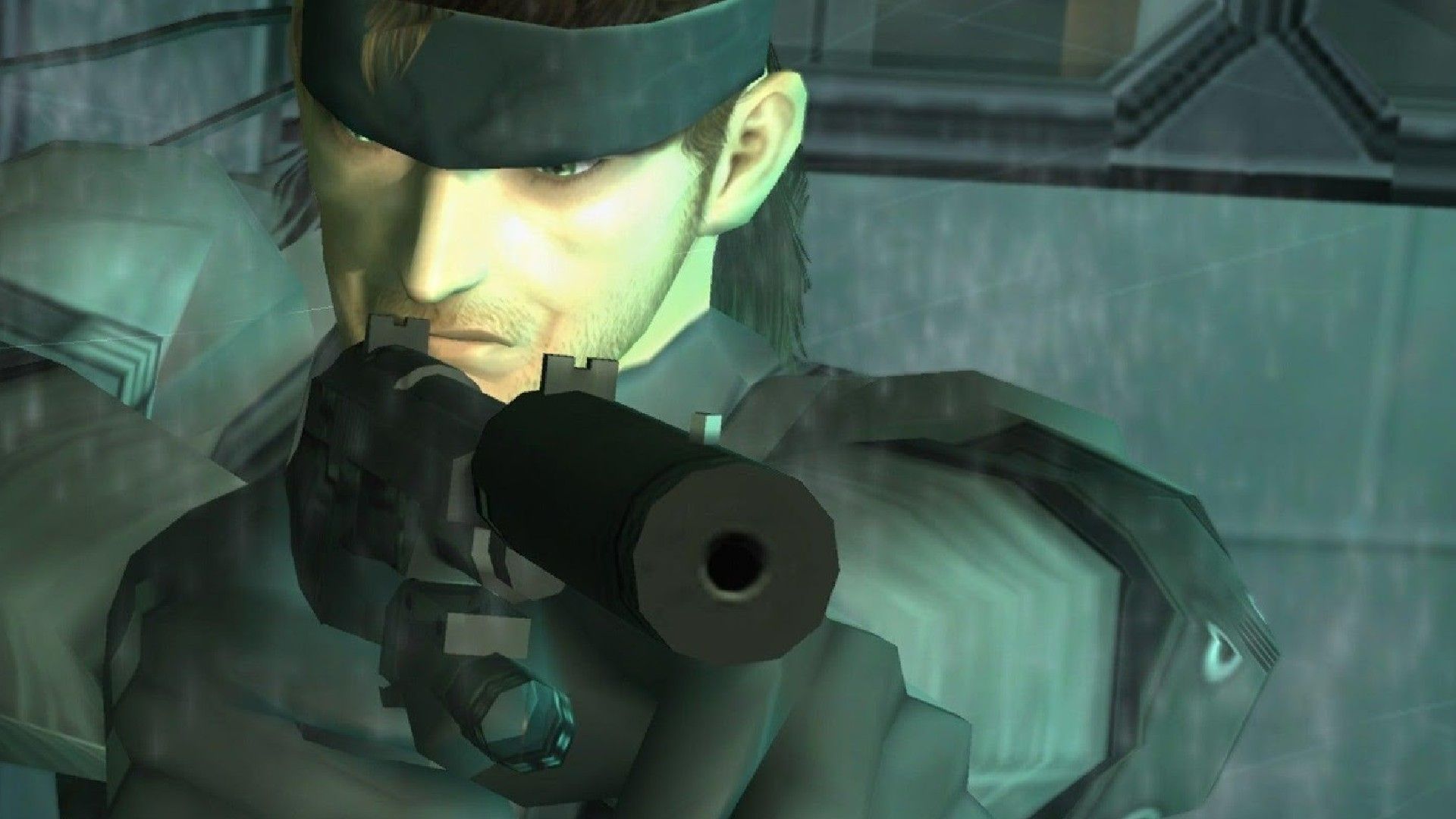
- The Setup Phase: Apel’s discovery hinges on a deeply counter-intuitive manipulation of the Tanker’s security systems. Instead of taking down Olga or even advancing the narrative triggers normally, the runner drags an unconscious enemy guard across the ship’s internal laser grid.
- The Wake-Up Call: When the guard eventually regains consciousness and stumbles through the lasers, he inadvertently triggers the ship’s security alert system and sets off a sequence tied to the environmental explosives.
- The Death and Continue Loop: Under normal circumstances, allowing the bombs to detonate results in a Game Over screen. However, apel discovered that pressing "Continue" after this specific Game Over triggers an anomaly in how the game engine handles world flags. The engine resets the flag tracking the explosion sequence to a previously stored state, effectively confusing the game’s memory into believing the hazard has been neutralized while leaving the path forward open.
- The Checkpoint Roll: The final, most precise component of the trick involves executing a directional roll directly toward an active checkpoint precisely as the guard triggers the bomb detonation. By timing the roll with the autosave routine, the game permanently saves the post-explosion flag state. This locks the world geometry into a state where the path is clear, allowing Snake to bypass the deck entirely and leaving Olga waiting on a stage she will never share with him.
Supporting Data and Technical Breakdown
To appreciate why this exploit works—and why it took over 24 years to find—we must look under the hood of Konami’s proprietary Zone of the Enders/MGS2 engine.
- The Flag System: In programming terminology, a "flag" is a boolean variable or memory address that records whether a specific event has occurred (e.g.,
BossDefeated = falseversusBossDefeated = true). In Metal Gear Solid 2, world-state flags are updated dynamically during cutscenes and scripted triggers. - Save State Corruption via Continue: When a player selects "Continue" following a Game Over screen, the engine is programmed to reload the most recent checkpoint data while carrying over certain global variables to prevent soft-locks. By introducing an unconscious NPC to interact with the environment simultaneously as a reload and save state occur, apel managed to create a race condition in the game’s memory architecture.
- Weapon Dependency Bypass: Speedrunners previously accepted the Olga fight not just as a narrative hurdle, but as an equipment gate. Because the USP pistol is mandatory for destroying the bomb sensors on the Tanker’s hull, players had to endure the multi-phase shootout. By bypassing the sequence via the flag-reset exploit, runners not only save crucial minutes of real-time attack (RTA) but fundamentally rewrite the routing logistics of the entire prologue chapter.
Official Responses and Community Reactions
As of press time, neither Konami nor series creator Hideo Kojima have issued an official statement regarding the exploit. Given that Metal Gear Solid 2 is a legacy title—recently re-released in modern collections such as Metal Gear Solid: Master Collection Vol. 1—it is highly unlikely that developers will patch out the bug. For the retro gaming community, unpatched quirks of this nature are viewed as digital history rather than software flaws.
Within the speedrunning ecosystem, the reaction has been a mixture of euphoric disbelief and immediate analytical validation. On forums, Discord servers, and social media channels dedicated to stealth game speedruns, runners are already dissecting the frame data required to pull off the checkpoint roll.
Prominent members of the Metal Gear speedrunning community have noted that while the trick requires pixel-perfect timing and a deep understanding of NPC pathfinding, its execution is consistent enough to be incorporated into upcoming tournament attempts. Veteran runners who have spent over a decade shaving milliseconds off their Tanker chapter splits are now rewriting their pacing charts from scratch.
Implications for the Speedrunning Meta
The discovery of the "Olga Skip" carries profound implications for Metal Gear Solid 2 speedruns, particularly in Any% and glitch-heavy categories:
1. Time Saves and Pacing
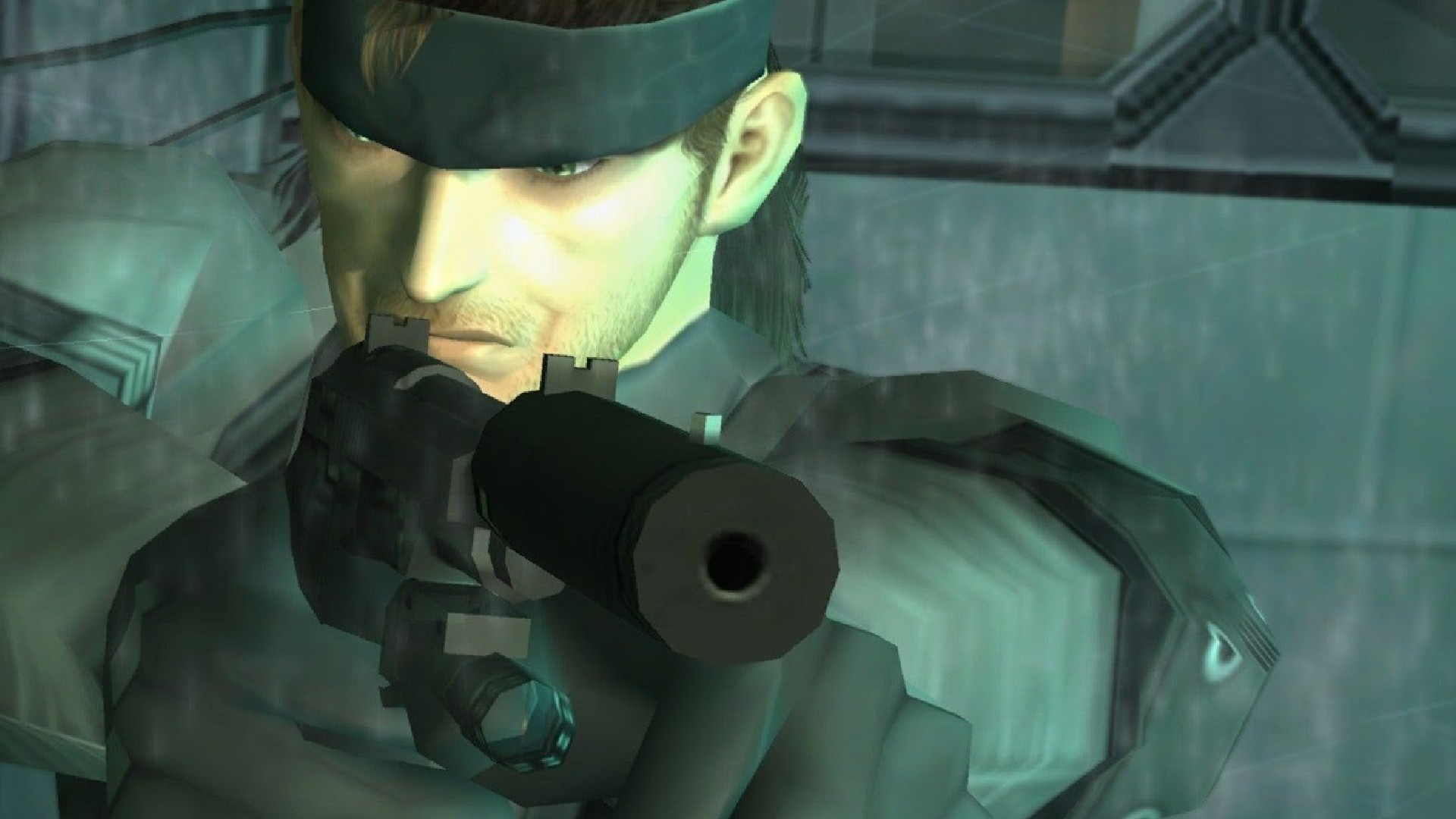
The Olga Gurlukovich boss fight, while short to an experienced player, demands a specific amount of defensive maneuvering, waiting out her attack patterns, and managing stamina or tranquilizer rounds. Bypassing the fight entirely trims a significant chunk of dead time from the opening minutes of a run. When dealing with categories where world records are determined by fractions of a second, eliminating a multi-phase boss encounter changes everything.
2. Category Re-Evaluations
Speedrunning communities often split categories based on allowed glitches (e.g., Any% vs. Glitchless). While purists who run true "Glitchless" categories may eschew the trick, the broader Any% community will immediately adopt it. Furthermore, it opens the door to secondary discussions about what other environmental triggers might be susceptible to similar flag-manipulation techniques later in the Plant chapter.
3. Inspiring a New Wave of Exploration
In recent years, the community has seen a resurgence in creative community projects, ranging from lore-accurate VR opening mods to deep memory-editing discoveries. Apel’s success serves as a powerful reminder that even games as exhaustively analyzed as Metal Gear Solid 2 still hold hidden secrets. It encourages a new generation of technical players to examine old codebases with fresh eyes, proving that no classic game is ever truly completely solved.
As runners take to platforms like Twitch and YouTube to showcase optimized runs incorporating the new skip, spectators can expect to see tumbling world records across the board. The ghost of the tanker will never be the same again.

