

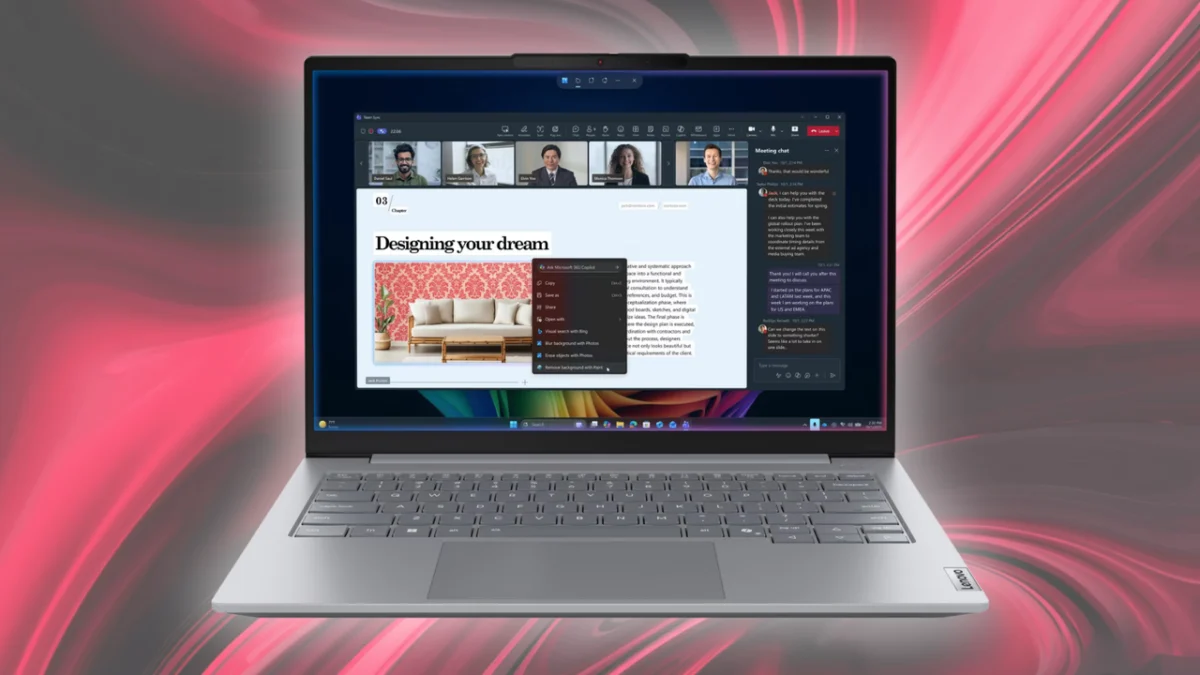
San Francisco, CA – [Current Date] – In a significant development that underscores the escalating pressures of the global memory and storage chip crisis and the intricate dynamics of U.S.-China tech relations, Lenovo, a dominant force in the global PC market, has been observed selling laptops equipped with Solid State Drives (SSDs) manufactured by China’s Yangtze Memory Technologies Corp (YMTC) within the United States. This marks the first documented instance of a major Original Equipment Manufacturer (OEM) distributing a U.S.-market product containing components from a company placed on the U.S. Department of Commerce’s Entity List.
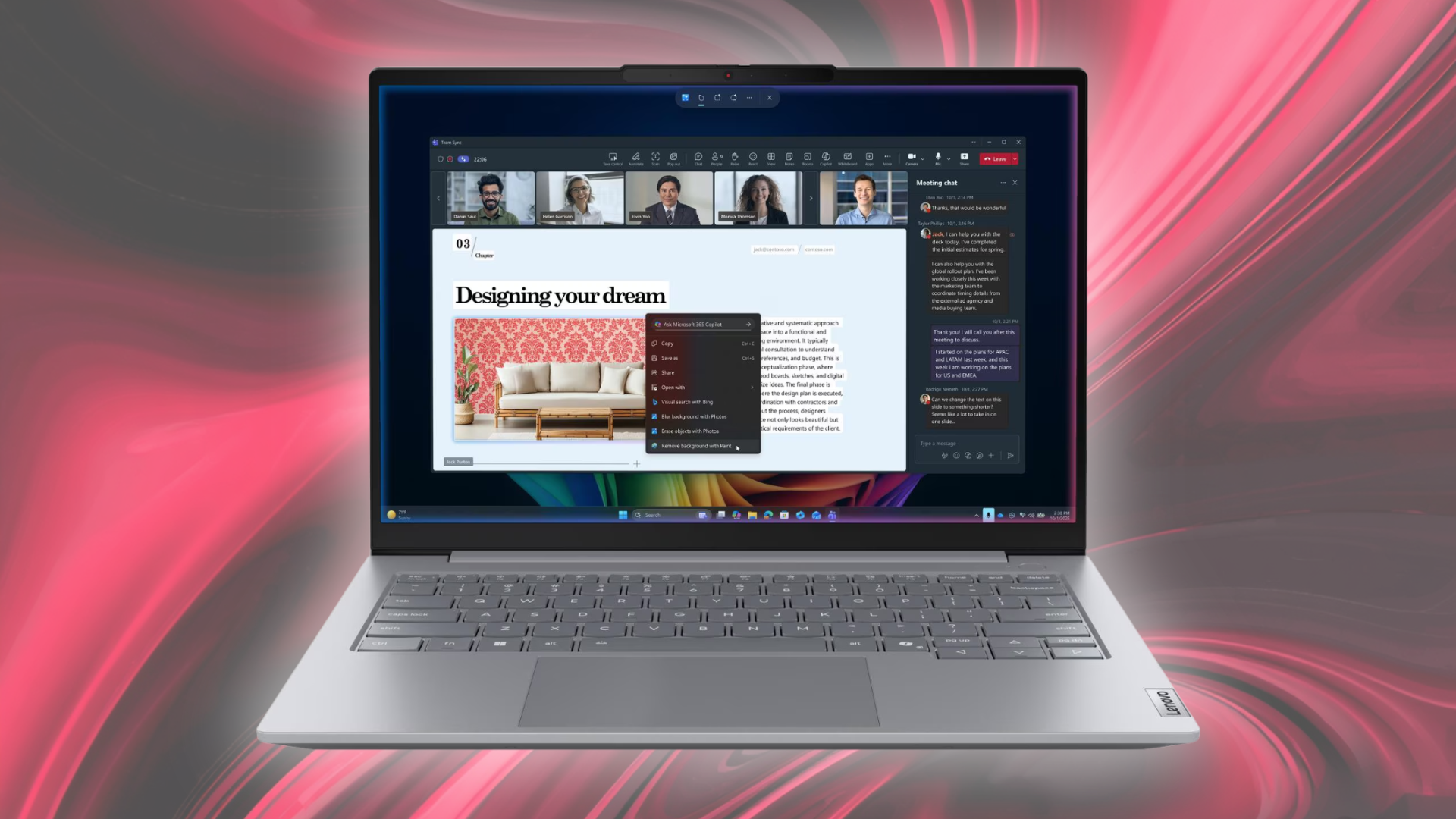
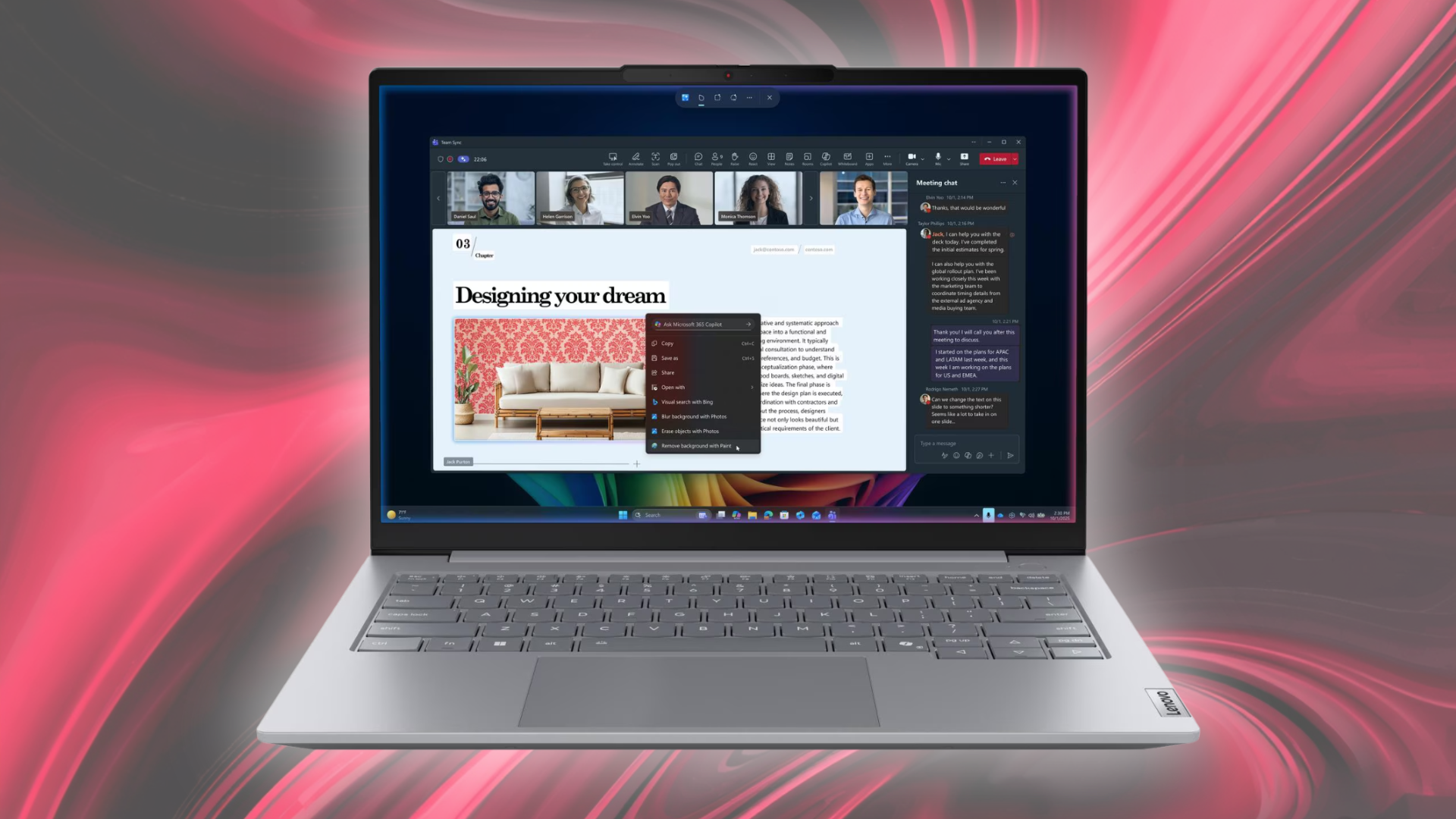
The discovery, made by tech publication Notebookcheck during its review of the Lenovo ThinkBook 14 G9 IPL, revealed a 512GB YMTC M.2 NVMe PCIe 4.0 SSD inside the device. More notably, this specific laptop model is readily available for purchase by American consumers through major online retailers like Amazon, priced at approximately $1,124.25 at the time of writing. This revelation sparks crucial questions regarding supply chain resilience, geopolitical trade restrictions, and the future landscape of the global technology market.
Main Facts: A Pivotal Shift in PC Component Sourcing
The central finding—that a Lenovo ThinkBook 14 G9 IPL laptop sold in the U.S. contains a YMTC-manufactured SSD—is more than a mere component specification; it represents a tangible manifestation of the intense pressures facing the global technology supply chain. YMTC was formally added to the U.S. Department of Commerce’s Entity List in December 2022, a designation that severely restricts the company’s ability to acquire goods and services that incorporate American technologies. While this listing aims to curb YMTC’s access to critical U.S. intellectual property and manufacturing equipment, it does not directly prevent a non-U.S. entity, such as Lenovo (headquartered in China), from utilizing YMTC products or importing them into the U.S. market.
This strategic pivot by Lenovo is widely seen as a direct response to the ongoing memory and storage chip crisis. Propelled by unprecedented demand, particularly from the burgeoning artificial intelligence sector and data centers, prices for DRAM and NAND flash memory have surged. Traditional suppliers like Samsung, SK Hynix, Kioxia, Micron, and SanDisk are struggling to meet global requirements, forcing OEMs to explore alternative, and often geographically diverse, sourcing options.
Initial performance assessments by Notebookcheck indicate that the YMTC drive offers "below average" performance compared to other SSDs typically found in office laptops. However, for the target demographic of the Lenovo ThinkBook 14 G9 IPL—office users prioritizing affordability and functional speed over cutting-edge benchmarks—this performance delta may be less critical. The broader implications, however, are substantial, potentially creating procurement challenges for U.S. government agencies, sensitive industries, or any institution with strict supply chain compliance requirements, given YMTC’s dual designation as an Entity List company and a "Chinese military company."
Chronology of Events: The Road to YMTC Integration
The presence of YMTC SSDs in U.S.-bound laptops is not an isolated incident but the culmination of several converging trends: a protracted global chip shortage, escalating geopolitical tensions, and the strategic evolution of Chinese semiconductor manufacturers.
The Escalating Chip Crisis: A Market Under Duress
Since the early 2020s, the global technology sector has been grappling with an unprecedented shortage of semiconductors, a crisis exacerbated by the COVID-19 pandemic, which spurred remote work and a surge in demand for personal electronics. This initial demand shock was compounded by subsequent factors:
- Cryptocurrency Mining Boom: The demand for high-performance GPUs and memory for cryptocurrency mining further strained supply.
- 5G Rollouts: The global deployment of 5G infrastructure required vast quantities of specialized chips.
- Automotive Sector Resurgence: A rebound in automotive production following pandemic-induced slowdowns created fierce competition for chip foundry capacity.
- The AI Revolution: Most recently, the explosive growth of generative AI technologies has triggered an insatiable demand for high-bandwidth memory (HBM) and powerful GPUs, pushing memory prices through the roof and creating bottlenecks across the entire supply chain. This sustained pressure has left major PC manufacturers scrambling for components, leading them to consider unconventional sourcing strategies.
YMTC’s Rise and U.S. Sanctions: A Geopolitical Chess Match
Yangtze Memory Technologies Corp (YMTC) emerged in 2016 as a strategic pillar of China’s ambition for semiconductor self-sufficiency. Through significant state backing and aggressive technological development, YMTC rapidly advanced its NAND flash memory technology, particularly with its innovative Xtacking architecture. This allowed the company to produce competitive 3D NAND chips, posing a direct challenge to established global leaders.
However, YMTC’s rapid ascent also drew the attention of U.S. policymakers concerned about national security and economic competitiveness. Allegations of intellectual property theft and close ties to the Chinese military fueled concerns in Washington. In October 2022, the U.S. Department of Commerce imposed sweeping export controls targeting China’s advanced computing and semiconductor industry, and specifically added YMTC to its "Unverified List." This was a precursor to its full inclusion on the Entity List in December 2022. The Entity List designation imposes strict licensing requirements on U.S. companies seeking to export sensitive technologies to YMTC, effectively cutting it off from critical American tools, software, and components necessary for advanced chip manufacturing. Furthermore, YMTC, along with other Chinese tech firms like CXMT, has been designated a "Chinese military company," adding another layer of scrutiny and potential restrictions for U.S. entities engaging with them.
OEMs Exploring Alternatives: A Pragmatic Necessity
Even before the explicit discovery of YMTC drives in Lenovo laptops, reports earlier in 2023 indicated that leading PC manufacturers were actively exploring alternative, non-traditional component suppliers. Companies such as HP and Dell were reportedly qualifying CXMT (ChangXin Memory Technologies) DRAM, another Chinese memory chip maker, while Acer and Asus were urging their Chinese manufacturing partners to source locally made memory chips. These actions were a clear signal that the conventional supply chains were no longer sufficient to meet global consumer demand and maintain competitive pricing. The underlying message was clear: the market crunch was forcing OEMs to make difficult choices, balancing supply security and cost against geopolitical considerations.
The Lenovo Discovery: A Concrete Manifestation
The specific finding by Notebookcheck of a 512GB YMTC M.2 NVMe PCIe 4.0 SSD in the Lenovo ThinkBook 14 G9 IPL, and its subsequent availability on the U.S. market, transforms these earlier reports into a concrete reality. This laptop model, an affordable offering designed for everyday office use, represents a high-volume product line, making its component choice particularly impactful. The fact that the drive is a PCIe 4.0 unit, despite its "below average" performance rating, signifies that YMTC’s technology has reached a level of maturity that allows it to be integrated into mainstream devices, even if not at the bleeding edge of performance.
Supporting Data and Market Context: Understanding the Landscape
To fully grasp the significance of Lenovo’s move, it’s essential to contextualize it within the broader global technology market and Lenovo’s own strategic position.
The Global Memory Market Landscape: A Volatile Environment
The global memory market, encompassing both DRAM and NAND flash, is notoriously cyclical and currently highly volatile. The AI boom has ignited an unprecedented demand surge, particularly for high-density, high-performance NAND for data centers and specialized AI hardware. This has led to:
- Soaring Prices: Memory prices have seen significant increases, impacting profit margins for OEMs and driving up the cost of end products.
- Extended Lead Times: Securing components from traditional suppliers now often involves lengthy lead times, disrupting production schedules.
- Strategic Stockpiling: Some larger players are reportedly stockpiling components, further tightening market availability.
In this environment, Chinese memory manufacturers like YMTC, which have invested heavily in domestic production capabilities, represent a crucial alternative source. While they may not always match the performance or technological sophistication of industry leaders, their capacity and competitive pricing make them attractive, especially for cost-sensitive segments.
Lenovo’s Market Position: A Global Leader Adapting to Change
Lenovo is a titan in the personal computer industry. Globally, it consistently ranks among the top three PC vendors by shipments, often vying for the top spot. Its significant market share in the United States makes any component sourcing decision particularly impactful.
- Market Share Growth: Despite a broader downturn in the PC market, with overall shipments falling by 7% in Q1 2024 (correcting original text’s Q1 2026), Lenovo demonstrated resilience, growing its market share by 1.2%. This performance positions it as the third-largest desktop and notebook brand in the U.S., behind Dell and HP. This growth underscores Lenovo’s strategic importance and its ability to navigate challenging market conditions.
- Strategic Product Placement: The ThinkBook 14 G9 IPL is positioned as an affordable, reliable laptop for office and everyday use. This segment is characterized by high sales volumes, particularly through enterprise procurement and general consumer purchases. By integrating YMTC drives into such a mainstream, high-volume product, Lenovo significantly contributes to the potential increase in the adoption of Chinese storage solutions within the U.S. market.
Performance Considerations: Balancing Cost and Capability
Notebookcheck‘s assessment that the YMTC drive’s performance is "below average for an SSD in an office laptop" is an important detail. While it suggests that YMTC may not yet compete directly with the "best SSDs" from established vendors in terms of raw speed and endurance benchmarks, it’s crucial to consider the product’s target audience.
- Target Market Expectations: The typical buyer of an office-oriented laptop like the ThinkBook 14 G9 IPL is unlikely to be a power user or a tech enthusiast meticulously comparing read/write speeds. For these users, the primary concern is a system that feels responsive, boots quickly, and loads applications faster than a traditional hard drive. An SSD, even one with "below average" performance, will still deliver a significantly superior user experience compared to an HDD.
- Cost-Benefit Analysis: For an OEM like Lenovo, the decision to use a YMTC drive likely stems from a strategic cost-benefit analysis. If YMTC can offer drives at a more competitive price point or with more reliable supply chains than traditional vendors, the slight performance trade-off for a mainstream office laptop may be deemed acceptable, especially when facing severe supply constraints from other sources. This allows Lenovo to maintain attractive pricing for its products, which is a key competitive advantage in the high-volume office laptop segment.
Official Responses and Industry Reactions: Navigating a Complex Landscape
The integration of YMTC SSDs into U.S.-market laptops raises questions about the official stances of involved parties and the broader industry’s response.
Lenovo’s Stance (Anticipated/Inferred): Pragmatism in Supply Chain Management
While Lenovo has not issued an explicit statement regarding the specific YMTC drives in its ThinkBook 14 G9 IPL, its actions suggest a pragmatic approach to supply chain management.
- Supply Chain Diversification: The global chip crisis has highlighted the risks of over-reliance on a few dominant suppliers. Lenovo, like many OEMs, is likely prioritizing supply chain resilience by diversifying its component sources, including leveraging Chinese manufacturers.
- Cost-Effectiveness: YMTC’s ability to offer competitively priced NAND flash components, especially in a market where established players are commanding higher prices, would be a significant incentive for Lenovo.
- Navigating Sanctions: As a company headquartered in China, Lenovo is not a U.S. entity and therefore is not directly prohibited by U.S. sanctions from purchasing YMTC products or from importing those products into the U.S. The sanctions primarily restrict YMTC’s access to U.S. technology, not the use of its products by non-U.S. companies. This legal distinction provides Lenovo with a pathway to utilize YMTC components for global distribution, including in the U.S. market.
U.S. Government Perspective: Enforcement and Evasion Concerns
The U.S. Department of Commerce’s Entity List designation for YMTC is rooted in national security concerns, aiming to prevent advanced Chinese technology firms from undermining U.S. technological leadership or posing risks to U.S. interests. The appearance of YMTC components in U.S.-sold devices could prompt several reactions:
- Scrutiny of Loopholes: U.S. authorities may examine whether this scenario exploits any unintended loopholes in existing sanctions or if it necessitates further clarification or expansion of restrictions.
- "Chinese Military Company" Designation: The additional designation of YMTC as a "Chinese military company" carries separate implications, particularly for U.S. government agencies, contractors, and certain private sector entities, who may be prohibited from procuring goods or services from such companies. This could lead to specific procurement bans for the ThinkBook 14 G9 IPL in sensitive sectors.
- Potential for Escalation: If the trend of Chinese-made, blacklisted components appearing in U.S. consumer goods becomes widespread, it could potentially lead to calls for more stringent import controls or secondary sanctions targeting OEMs that utilize these components.
Industry Voices and Competitor Reactions: A Precedent for Adaptation
The broader tech industry is closely watching these developments.
- Apple’s Lobbying: The fact that even Apple, known for its stringent supply chain controls and immense purchasing power, has reportedly sought a "blessing" from the U.S. government to buy memory chips from CXMT (another Chinese firm designated as a Chinese military company) underscores the severity of the chip supply crisis. This indicates a widespread industry recognition that alternative Chinese suppliers are becoming indispensable to meet demand.
- Competitor Strategy: Other major PC OEMs like HP and Dell, who were also reported to be exploring Chinese memory, might view Lenovo’s move as a test case. If Lenovo can successfully integrate YMTC components into U.S.-market products without significant repercussions, it could pave the way for other OEMs to follow suit, further normalizing the use of Chinese-made components in global tech products.
- Analyst Commentary: Industry analysts are likely to highlight this as a prime example of the "chip war" forcing unexpected supply chain realignments, creating a more bifurcated and politically charged global tech ecosystem.
Broader Implications: Reshaping the Global Tech Landscape
The integration of YMTC SSDs into Lenovo laptops sold in the U.S. carries profound implications that extend beyond immediate supply chain adjustments, touching upon geopolitics, consumer trust, and the future trajectory of the technology market.
Geopolitical and Trade Dynamics: The "Chip War" Evolves
This development represents a tangible wrinkle in the ongoing "chip war" between the United States and China. The U.S. strategy has largely focused on restricting China’s access to advanced semiconductor technology and manufacturing equipment. However, Lenovo’s move highlights that:
- Loopholes and Workarounds: Companies headquartered outside the U.S. may find legal avenues to leverage Chinese components, even if those components are from blacklisted entities, thereby complicating the enforcement of sanctions.
- Supply Chain Resilience vs. Security: The imperative for OEMs to secure a stable and affordable supply of components in a crisis environment is clashing directly with national security concerns and geopolitical objectives. This tension is forcing difficult trade-offs.
- Potential for Policy Re-evaluation: The U.S. government may need to re-evaluate the effectiveness of its current Entity List framework and consider whether further measures are necessary to achieve its stated goals, possibly including import restrictions or secondary sanctions. Conversely, it could also signal an acknowledgment that complete decoupling is economically unfeasible in certain sectors.
Consumer Choice and Data Security Concerns: A New Dimension of Risk
For the average American consumer, the immediate impact might be access to more affordable laptops. However, the use of components from companies designated as "Chinese military companies" or on the Entity List introduces new dimensions of concern:
- Data Security and Trust: While there is no direct evidence presented in the article of malicious intent or vulnerabilities in YMTC drives, the designation of YMTC as a "Chinese military company" often raises legitimate questions about data integrity, potential backdoors, or state-sponsored access. For individual consumers, this might be a minor concern, but for government agencies, defense contractors, critical infrastructure operators, or businesses handling sensitive data, these concerns are paramount.
- Transparency and Informed Choice: Many consumers are unaware of the origin of individual components within their devices. This situation underscores the need for greater transparency in supply chains, particularly when geopolitical tensions are high, allowing consumers and organizations to make truly informed purchasing decisions based on their risk tolerance and ethical considerations.
- Ethical Dilemmas for Buyers: Institutions with strict compliance mandates may find themselves in an ethical and practical quandary. They might need to forego potentially more affordable options that contain blacklisted components, even if those components offer adequate performance for their needs, to adhere to security protocols or government directives.
Future of the PC Market: A Bifurcated Ecosystem?
Lenovo’s action could foreshadow a significant shift in the global PC market:
- Accelerated Adoption of Chinese Components: If successful, this could accelerate the broader adoption of Chinese-made memory, storage, and potentially other components in mainstream devices sold globally. This would be a substantial win for China’s semiconductor ambitions.
- Impact on Western Manufacturers: Increased competition from Chinese suppliers, particularly in the high-volume, budget-friendly segments, could put further pressure on Western memory manufacturers, potentially impacting their market share and profitability.
- Market Segmentation: The market might bifurcate further. One segment could cater to price-sensitive consumers and less regulated enterprise environments, freely integrating Chinese components. Another segment, serving government, defense, and highly sensitive industries, might adhere to stricter sourcing rules, potentially paying a premium for components from approved vendors.
- Innovation and Competition: While geopolitical tensions are challenging, increased competition from YMTC and other Chinese players could also spur further innovation and drive down prices in the long term, benefiting consumers globally.
In conclusion, Lenovo’s quiet integration of YMTC SSDs into its U.S.-market laptops is far from a minor technical detail. It is a powerful indicator of how global supply chain pressures and geopolitical realities are reshaping the technology industry, forcing difficult choices upon major players, and opening new avenues for companies operating under international scrutiny. The ramifications of this development will undoubtedly continue to unfold, influencing trade policies, corporate strategies, and consumer perceptions for years to come.

