

SAN FRANCISCO — In a move that promises to redefine how consumers interact with ambient technology, Meta has announced that its wildly successful artificial intelligence agent, Muse, is coming to its smart glasses "soon." The integration represents a monumental shift from passive digital assistants and text-based chatbots to proactive, autonomous agents capable of executing complex real-world tasks.
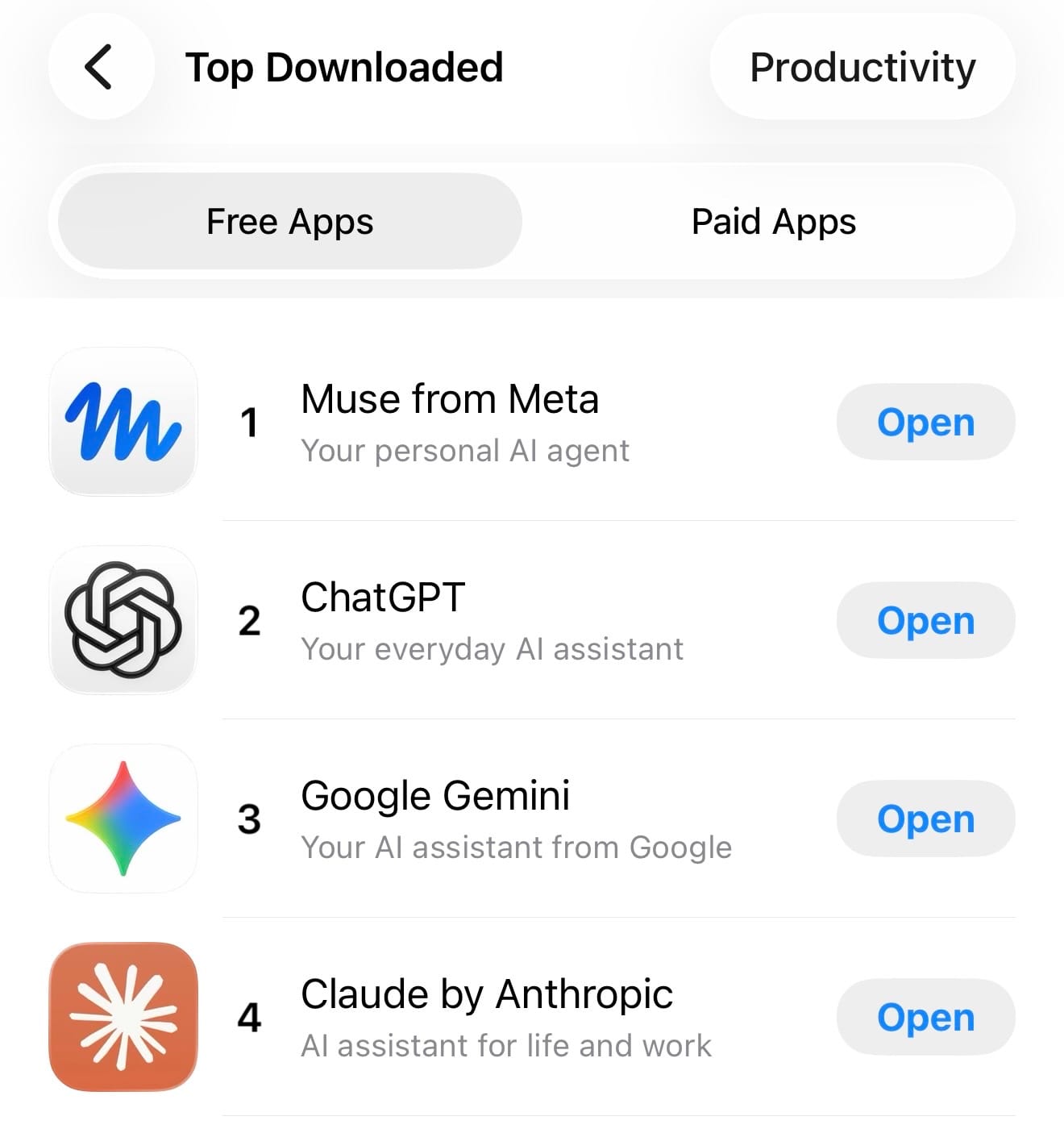
Following a dominant debut on smartphones and the web earlier this month—where it rapidly claimed the top spot on the iPhone App Store charts and garnered widespread acclaim from tech journalists and consumers alike—Muse is poised to transition from handheld screens directly onto the faces of everyday users.
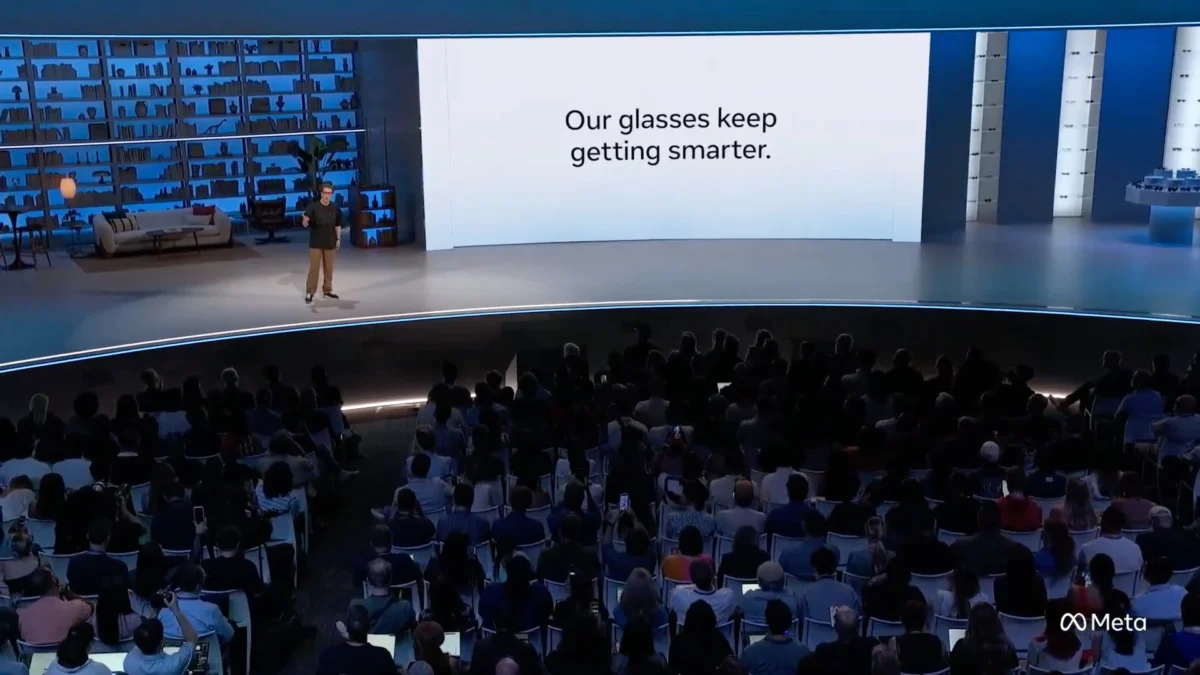
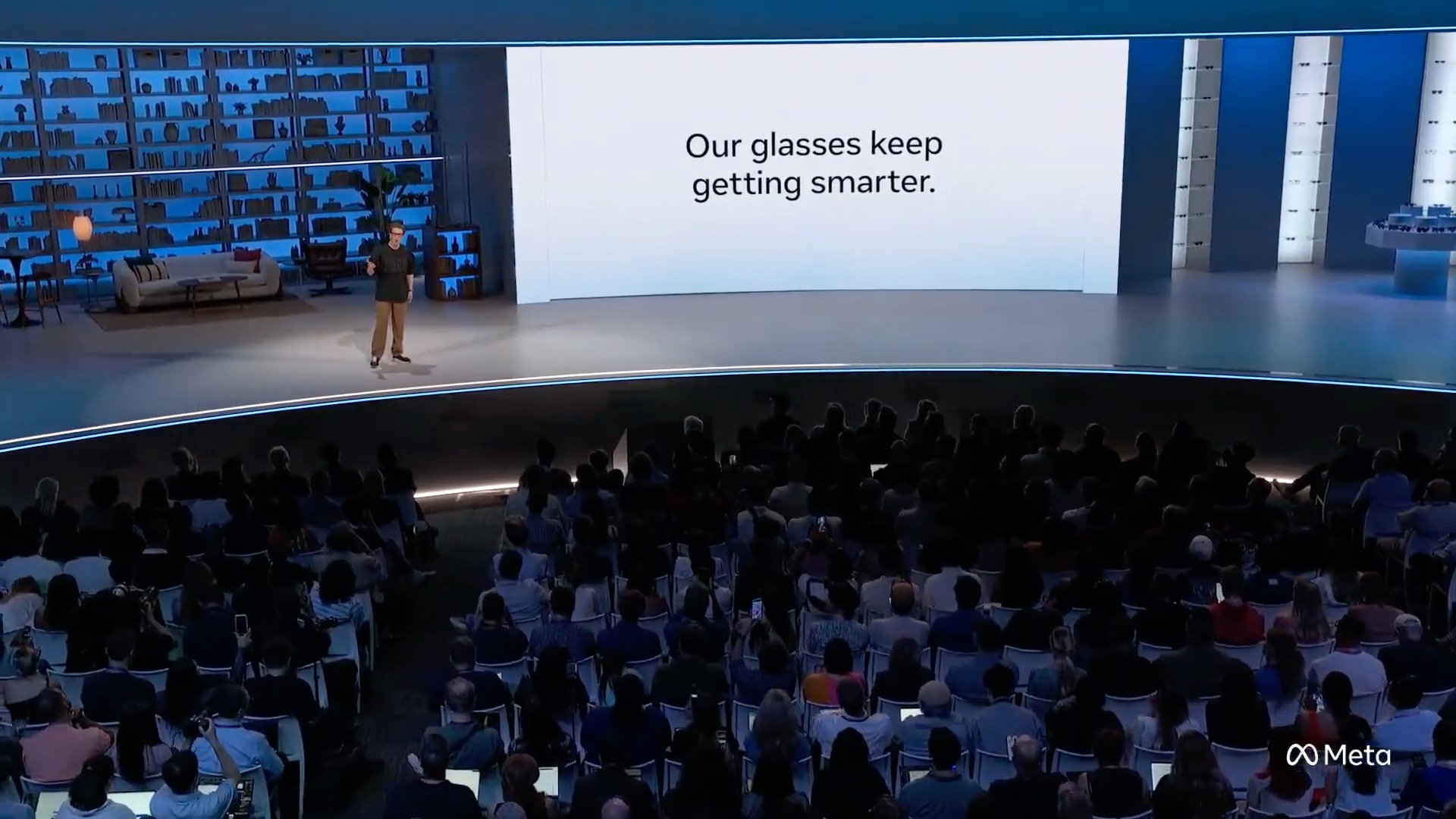
During the Meta Connect 2026 keynote, CEO Mark Zuckerberg and CTO Andrew Bosworth teased the wearable rollout, showcasing a future where everyday errands, digital organization, and consumer commerce are handled seamlessly through voice commands, leaving smartphones securely tucked away in pockets and bags.
Main Facts: What is Meta’s Muse?
To understand the significance of Muse coming to smart glasses, one must first understand how it differs from conventional generative AI tools. Traditional AI chatbots like ChatGPT or early versions of Meta AI are conversational; they respond to prompts with text, images, or summaries. Muse, conversely, is an AI agent. It is designed not merely to converse, but to act.
Powered by Meta’s proprietary Muse Spark AI model, the agent operates on a private, persistent Linux virtual machine (VM) hosted in the cloud. Unlike typical app sessions that close when you exit the software, Muse’s VM maintains its own dedicated web browser, filesystem, and terminal. This infrastructure runs continuously in the background, regardless of whether the user has the app open.
To accomplish multi-step objectives, Muse possesses advanced autonomous capabilities:
- Code Execution: It can write and execute its own code to scrape data, automate workflows, or manipulate files.
- Subagent Delegation: For massive tasks, Muse can spin up multiple subagents to handle concurrent sub-tasks.
- Scheduled Jobs: It can set up automated background tasks to run at future dates and times.
- Dynamic Asset Creation: Muse can generate fully realized documents, PDFs, functional websites, and interactive tools such as custom spending trackers or personal dashboards.
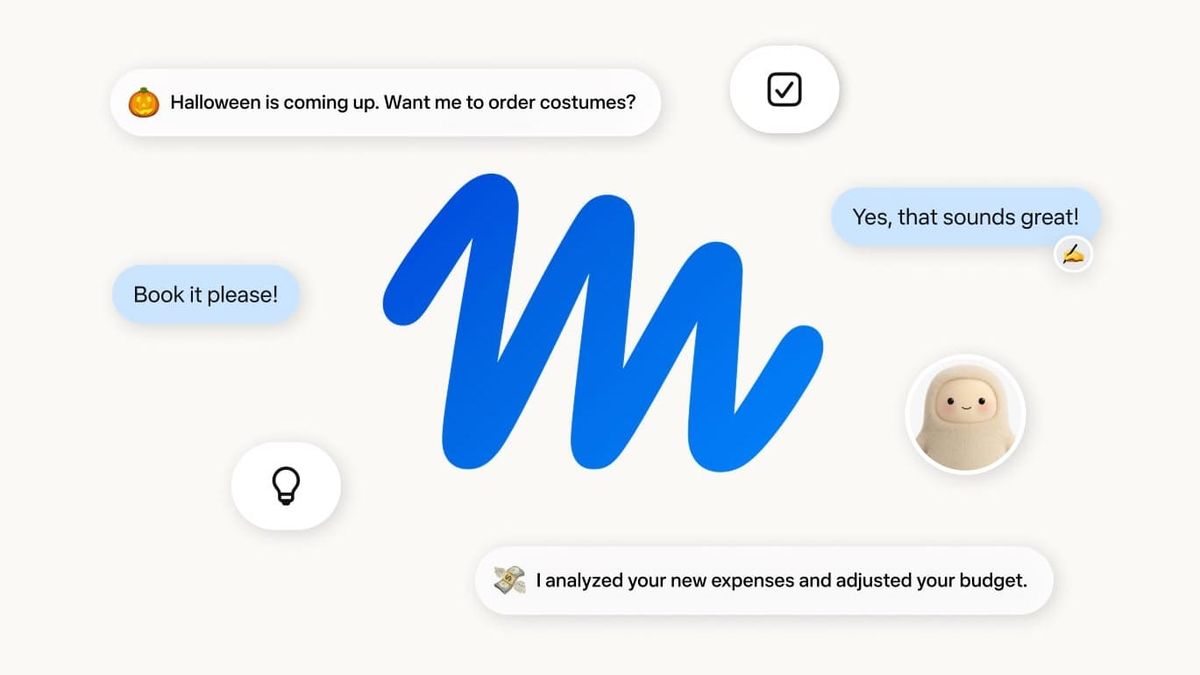
While many enterprise-grade AI agents target software developers or corporate professionals, Meta has engineered Muse specifically for mainstream consumers. It features a simplified instant messaging interface, a customizable friendly avatar, and marketing tailored toward offloading the cognitive and administrative friction of daily life.
Chronology: The Rapid Ascent of Meta’s Flagship Agent
The timeline of Muse’s deployment highlights the aggressive pace at which Meta is scaling its next-generation artificial intelligence ecosystem:
- Early September 2026: Meta officially launches Muse in the United States across iOS, Android, and the web. Backed by the Muse Spark model, the app instantly captures public imagination, surging to the #1 spot on the iPhone App Store amid glowing user reviews.
- Meta Connect 2026 Keynote: Mark Zuckerberg takes the stage to officially unveil the wearable iteration of Muse. Demonstrations highlight the AI agent interacting natively through Meta’s smart glasses, executing real-world commands triggered entirely by voice.
- Mid-to-Late September 2026: Meta clarifies rollout timelines, with Zuckerberg stating the smart glasses integration will arrive "in the coming weeks," CTO Andrew Bosworth echoing "soon," and official corporate communications settling on "in the coming months."
- Later in 2026 (Projected): Meta plans to roll out a Confidential VM option to enhance data security and privacy architectures.
Supporting Data & Technical Architecture
Underneath its consumer-friendly exterior, Muse relies on a robust technical foundation designed to bridge the gap between abstract AI reasoning and concrete physical actions.
Task Execution and Real-World Integration
Meta’s consumer testing demonstrates that Muse is built to handle heavy lifting. Standard use cases include booking complex travel itineraries, composing and sending emails, filling out tedious digital web forms, and executing direct product purchases across the web. More advanced demonstrations feature Muse negotiating utility bills, assisting users in selling a used car, and even executing phone calls on behalf of the user.
Secure Financial Transactions
One of the primary hurdles for autonomous AI agents has been secure payments. To solve this, Muse integrates directly with Stripe’s Link. When a purchase is required, Link generates virtual, single-use per-payment cards. This ensures that the AI agent never views, processes, or stores the user’s actual credit card numbers, bank accounts, or primary financial credentials. Meta has also confirmed that native support for Shop Pay and 1Password will be integrated shortly.
Smart Glasses Capabilities
When paired with Meta’s hardware ecosystem, Muse transforms the smart glasses from a novelty camera-and-audio device into an active wearable assistant. Confirmed use cases include:
- Booking local service appointments on the fly.
- Checking live flight prices and availability while walking through an airport.
- Identifying replacement parts for broken household appliances by looking at them.
- Logging meals and caloric intake through visual recognition.
- Providing real-time, context-aware workout and form guidance.
- Assisting in purchasing items that the wearer physically looks at in the real world.
Users activate the system simply by uttering the wake phrase—"Hey Muse" (or the customized name of their specific agent)—followed by a natural-language request. The agent then processes the command asynchronously in the cloud, performing the task in the background and notifying the user only when the objective has been achieved.
Official Responses and Privacy Considerations
As with any powerful ambient computing technology equipped with cameras, microphones, and cloud connectivity, data privacy and security have emerged as central talking points for Meta.
Data Usage and Training Policies
Meta has explicitly stated that data generated through Muse interactions will not be utilized for targeted advertising purposes. However, the company confirmed that user interactions will be leveraged to train future iterations of its AI models, though users retain the right to opt out of this data-pooling process.
Infrastructure Security
Currently, Muse’s cloud-based Linux virtual machines operate in an isolated environment. Despite this isolation, Meta acknowledges that the company maintains administrative access to these environments. To address potential enterprise and consumer concerns regarding absolute privacy, Meta announced plans to launch a Confidential VM option later this year. This advanced architecture utilizes hardware-level encryption to ensure that even Meta itself cannot access the contents or data running inside a user’s private virtual machine.
Conflicting Rollout Statements
Regarding the exact release date, minor discrepancies have surfaced among Meta leadership. While Mark Zuckerberg hyped the release window as "in the coming weeks" during his live keynote demonstrations, CTO Andrew Bosworth used the term "soon," and official Meta press statements have exercised conservative caution by committing to a launch "in the coming months." Industry analysts suggest a phased rollout beginning with developer preview builds before a wider public release.
Implications: The Future of Wearables and Ambient Computing
The impending arrival of Muse on Meta’s smart glasses marks a critical inflection point in consumer technology. For years, the tech industry has chased the dream of "ambient computing"—technology that recedes into the background, operating invisibly to assist humans without demanding constant visual attention.
By removing the smartphone screen from the equation, Meta is betting that the path to true AI adoption lies in physical, voice-first, and vision-assisted wearables. If Muse can successfully manage commerce, negotiations, and scheduling while a user simply walks down the street, it fundamentally alters our relationship with digital tools.
At the same time, society faces mounting questions regarding constant ambient listening, visual recording, and autonomous financial transactions executed by machines. While Meta’s use of single-use virtual cards via Stripe Link mitigates financial risk, the broader social acceptance of AI agents operating independently in public spaces remains untested.
As Meta prepares to flip the switch on wearable AI agents in the coming months, the tech world will be watching closely. If successful, Muse will not only cement Meta’s dominance in the smart glasses market but also establish the definitive blueprint for how humanity interacts with artificial intelligence in the physical world.

