

By Serena Cherry
Castlevania: Belmont’s Curse—the latest entry in Konami’s storied franchise, developed by the acclaimed team at Evil Empire—arrives as more than just a nostalgic callback. It is a bold, complex, and visually arresting evolution of the gothic action-platformer genre. Launching on October 15, 2026, for PC, PlayStation 5, Xbox Series X, and Nintendo Switch, the title manages to balance the weight of legacy with the demands of modern game design, creating a sprawling, atmospheric, and intellectually stimulating experience that demands both reflexes and a notebook at the ready.
Main Facts: A New Chapter for the Belmont Legacy
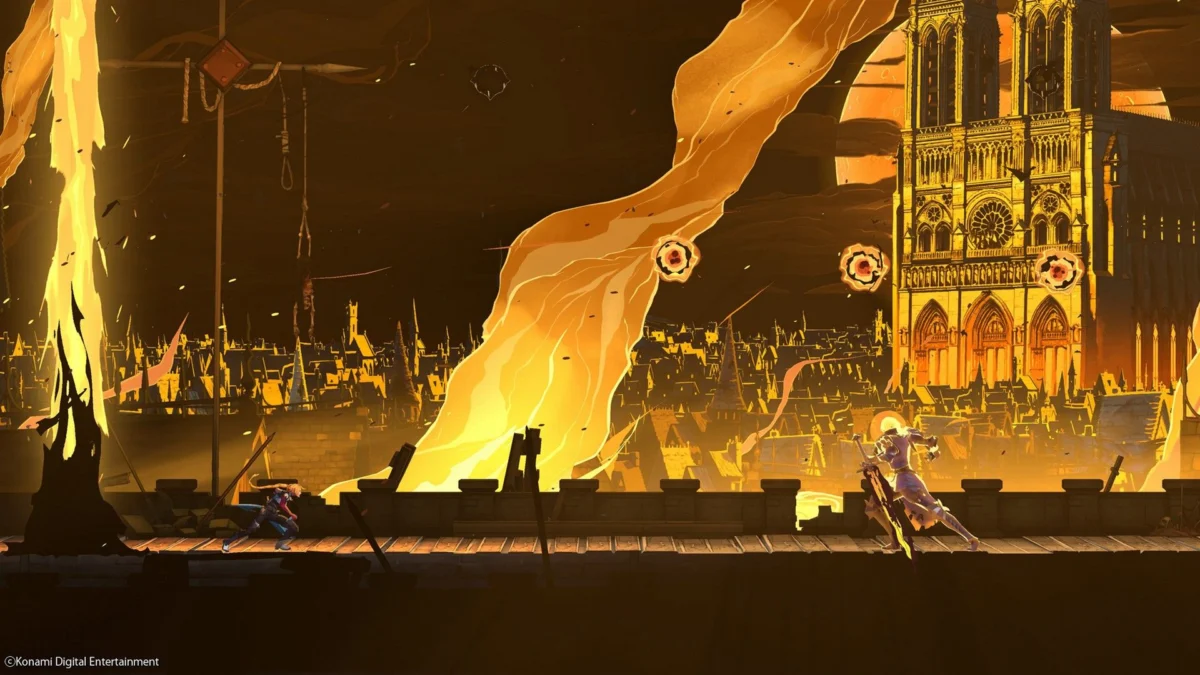
At its core, Belmont’s Curse is a pure-blooded Metroidvania that respects the structural DNA of its predecessors while introducing a level of environmental complexity rarely seen in the genre today. Players assume the role of Rose Belmont, navigating a map that weaves through the haunting, fire-lit streets of Paris, the chilling depths of the Catacombs, and eventually, the shifting, impossible architecture of Dracula’s Castle.
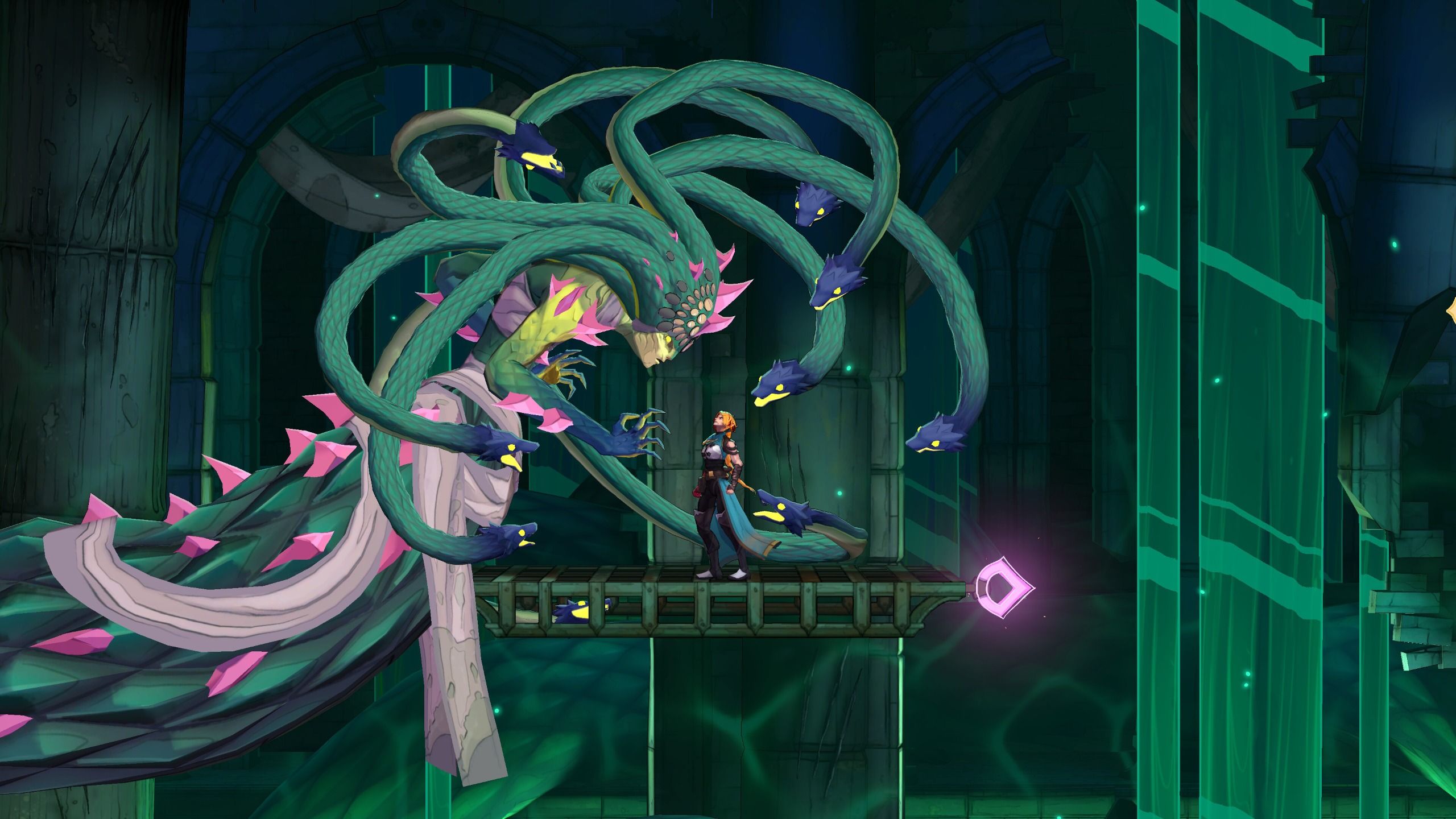
The game is a significant departure from the linear expectations of the past. It emphasizes a "solve-as-you-go" philosophy where the environment itself is the primary antagonist. For the first time in years, I found myself returning to the analog ritual of pen and paper, recording cryptic patterns, hidden symbols, and character cues that simply cannot be captured by an in-game waypoint system. The game’s 23-hour runtime—during which I managed to unlock two of the three possible endings—is characterized by a consistent tension between high-octane traversal and deep, investigative exploration.
Chronology: The Evolution of the Hunt
The narrative of Belmont’s Curse acts as a direct, albeit spiritually deepened, continuation of the events following Castlevania 3: Dracula’s Curse. The story does not merely rely on the established lore; it builds upon it by reintroducing the legendary Leon Belmont, whose presence casts a long, foreboding shadow over the protagonist’s journey.
The game’s structure is built around the pursuit of "Tarot card bosses"—entities that are not explicitly marked on your map but must be deduced through the careful deciphering of environmental clues. The pacing is expertly managed: the game begins with atmospheric, urban horror in Paris, gradually escalating into the surreal, hellish geometry of Dracula’s domain.

One of the most memorable sequences involves the sudden, cinematic emergence of Dracula’s Castle. After hours of build-up that seemingly points toward a standard boss encounter, the game pivots, offering a stunning cutscene that channels the dark, baroque aesthetic of the acclaimed Netflix animated series. It is a moment of subversion that highlights the game’s confidence; it knows when to deny the player a fight in favor of world-building, and when to throw them into the furnace of a high-stakes battle, such as the fight against the mechanical terror, Talos.
Supporting Data: Mechanics and Accessibility
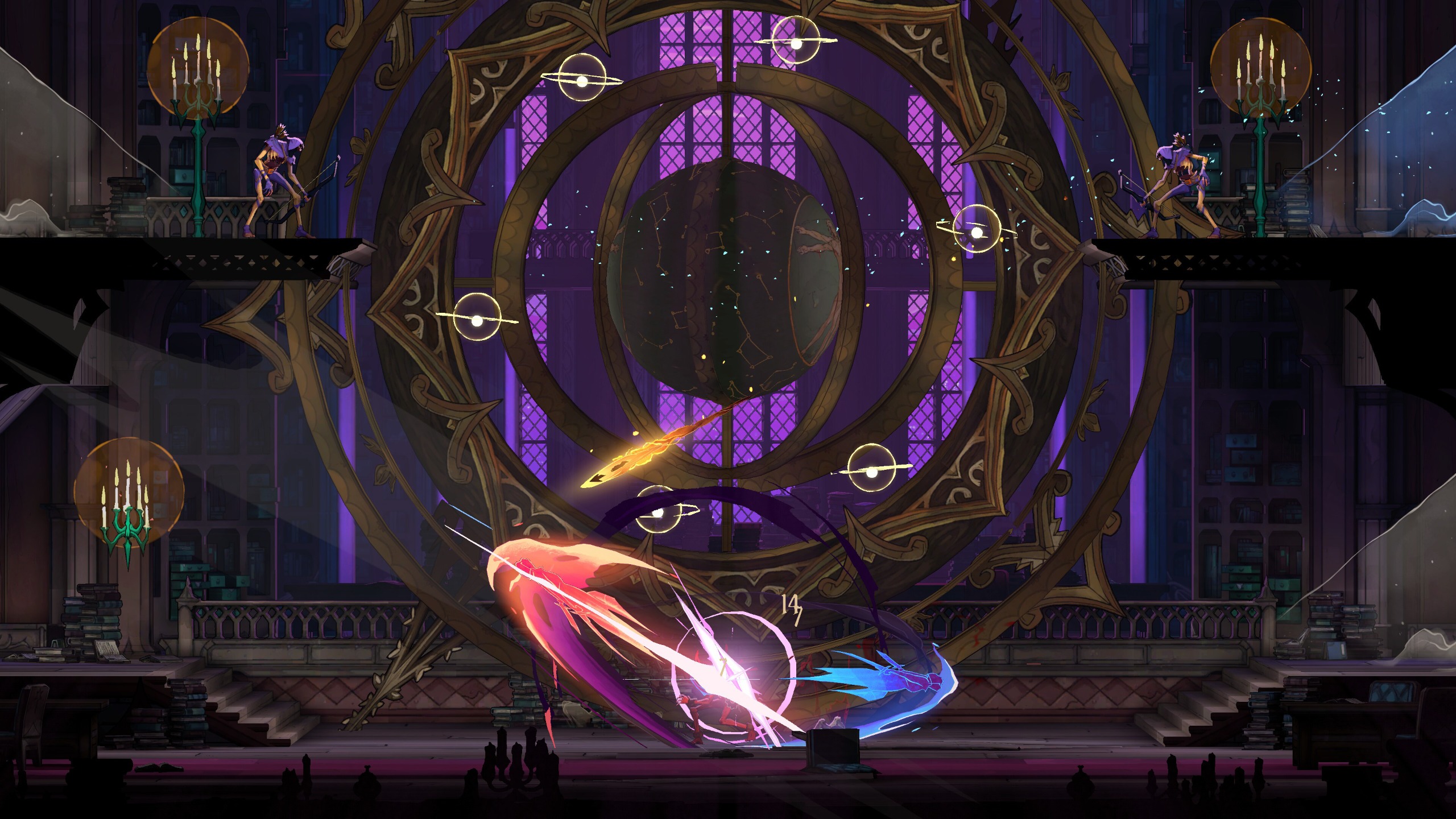
Castlevania: Belmont’s Curse offers a robust, flexible combat system designed to cater to both purists and newcomers. The game features seven distinct weapon families, each containing four variants, further augmented by an "Arcana System." This allows players to fluidly toggle between magical abilities and elemental buffs, ensuring that no two players will approach a combat scenario in quite the same way.
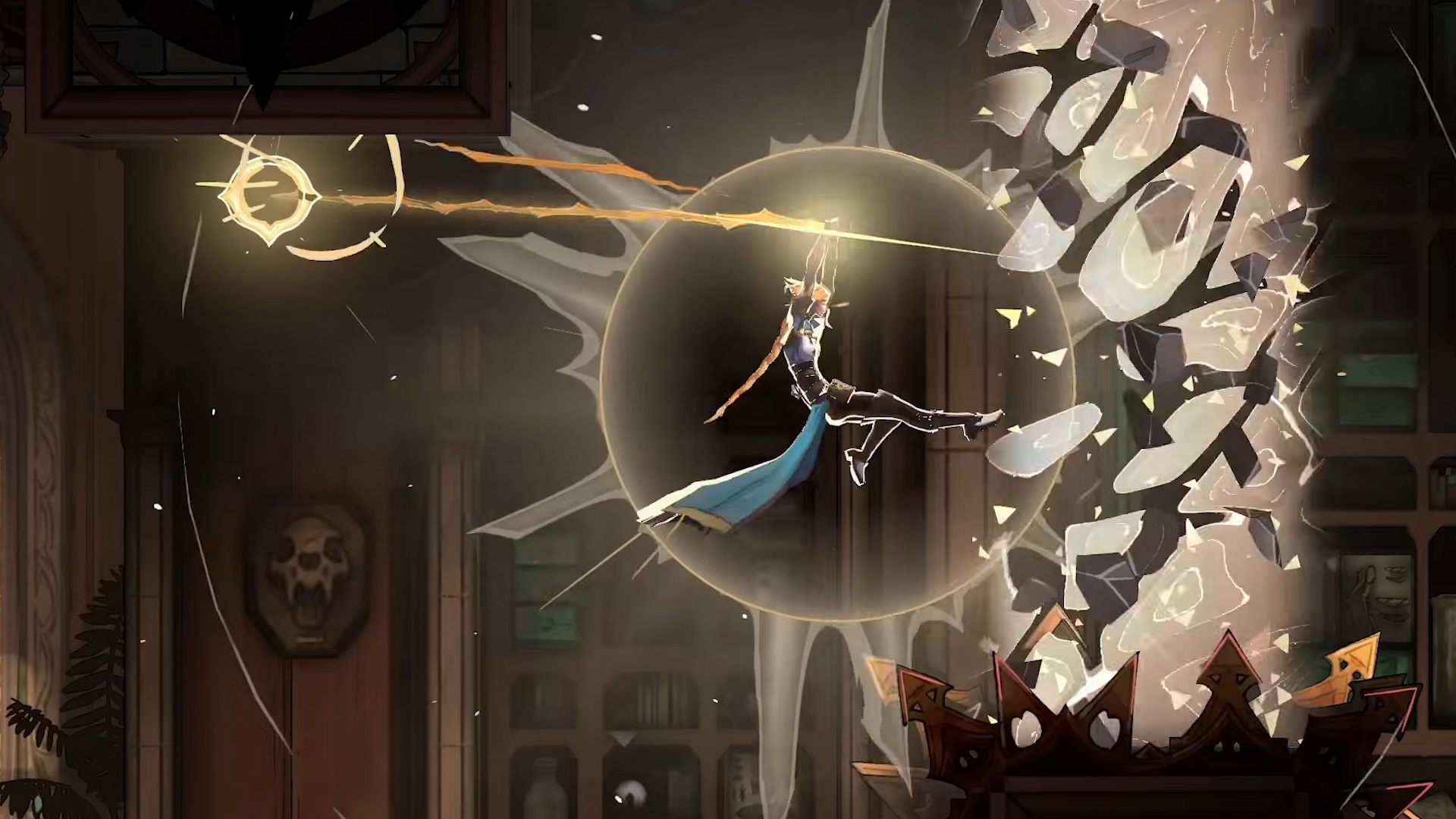
The movement, while intentional and slightly heavy—fitting for a character wielding a massive, holy-imbued whip—is bolstered by refined physics. The whip serves as both a weapon and a traversal tool, allowing for gravity-defying swings across chasms and the grappling of airborne foes.
Critically, Evil Empire has implemented a suite of accessibility features that make the notorious difficulty of the Castlevania series feel more inclusive without stripping away the challenge. These include:
- Health Potion Toggles: Ability to increase carrying capacity for healing items.
- Boss Retry Systems: Options to bypass "runbacks" to reach boss arenas, maintaining the momentum of the experience.
- Damage Scaling: A system to adjust offensive output for those who find the combat rhythm insurmountable.
- Persistent World States: Enemies do not respawn upon re-entering a room, rewarding players for their tactical diligence.
Official Responses and Creative Vision
The transition from the classic Castlevania formula to this new, experimental design was spearheaded by the developers at Evil Empire. While the team has faced the daunting task of filling the shoes of legendary series composer Michiru Yamane, the results are mixed but ultimately forgivable.
The main motif is a haunting, gothic masterpiece that sets the stage perfectly. However, there are instances where the ambient in-game music feels disconnected from the high-fidelity, painterly visuals on screen. Despite this, the narrative weight carries the experience. The inclusion of nods to the series’ history—such as the spectral paintings of Alucard acting as subtle guideposts through the castle’s labyrinthine halls—demonstrates a profound reverence for the franchise’s heritage.
In a recent press statement, the developers emphasized that the "heaviness" of the controls was a deliberate design choice meant to ground the player in the struggle of the Belmont family. By combining the fluidity of modern action titles—borrowing the best elements of Dead Cells—with the oppressive, dark fantasy atmosphere of classic Castlevania, they have created a "feel" that is unmistakably authentic.
Implications: A New Standard for the Franchise
The release of Castlevania: Belmont’s Curse has significant implications for the future of the franchise. By proving that the series can maintain its "gothic soul" while embracing modern accessibility and open-ended exploration, it provides a blueprint for how legacy properties can evolve without alienating their core audience.
The game is not without its flaws. The wayfinding can be frustratingly opaque, and the fast-travel system is surprisingly restrictive for a map of this scale. Yet, these design choices appear to be rooted in the desire to make the world feel vast and dangerous—a "true" castle that does not give up its secrets easily.
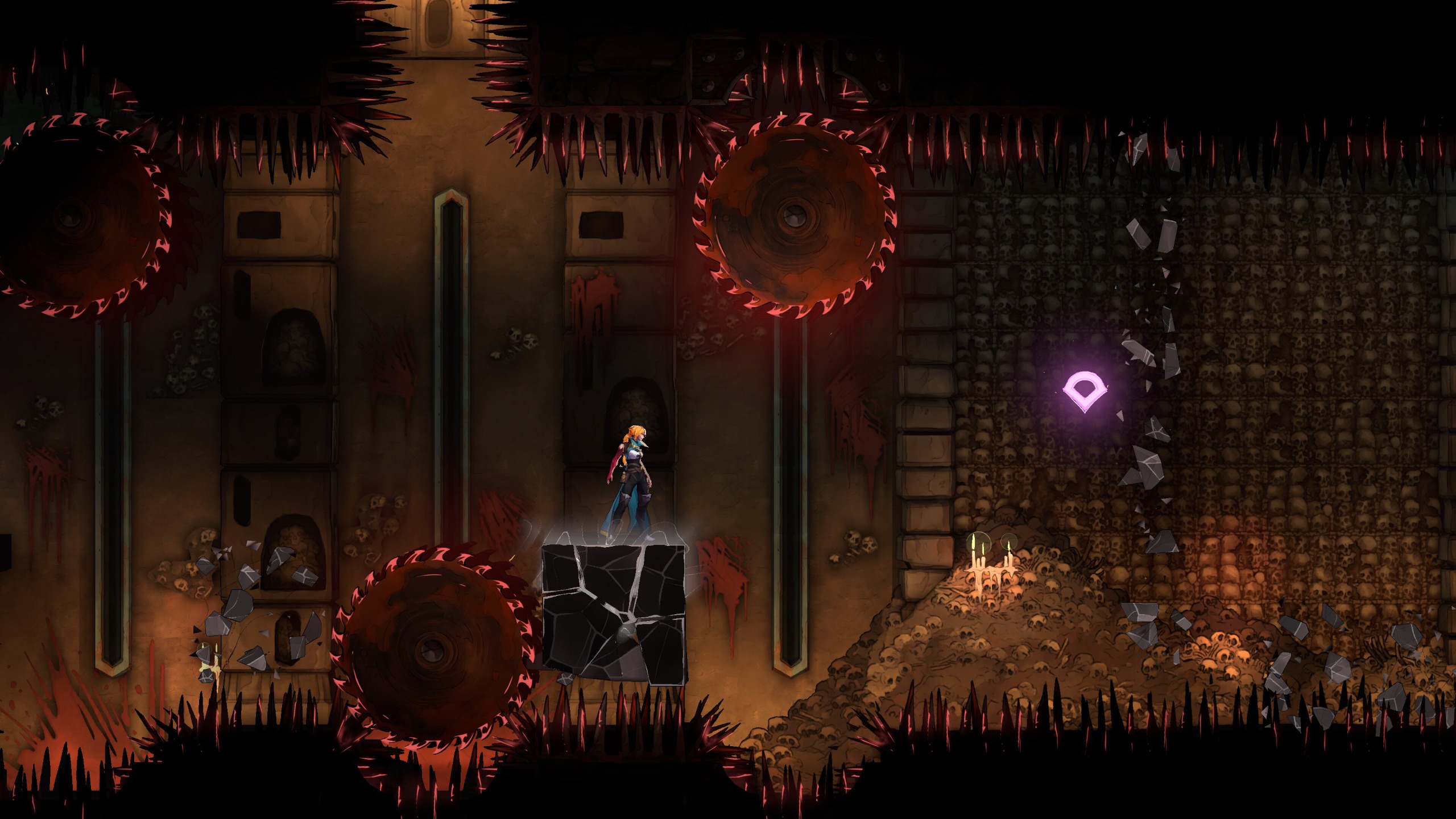
For those who have felt the absence of a high-quality, 2D-driven action-exploration game, Belmont’s Curse is the answer. It is a rare game that manages to be both a workout for the thumbs and a workout for the brain. It demands patience, rewards intuition, and punishes carelessness with the sharp end of a whip.
As the industry continues to chase the "next big thing" in 3D open-world gaming, Belmont’s Curse reminds us of the power of a perfectly realized 2D environment. It is a testament to the fact that when you respect the roots of a franchise—its aesthetic, its difficulty, and its sense of discovery—you don’t just remake a classic; you create a new one.
Whether you are a long-time fan who has spent twenty years mourning the end of the Symphony of the Night era, or a newcomer looking for a challenging, beautifully realized dark fantasy adventure, Castlevania: Belmont’s Curse is an essential purchase. It is a triumphant return to form, proving that even after centuries of battling the forces of darkness, the Belmont line still has plenty of fight left in them.
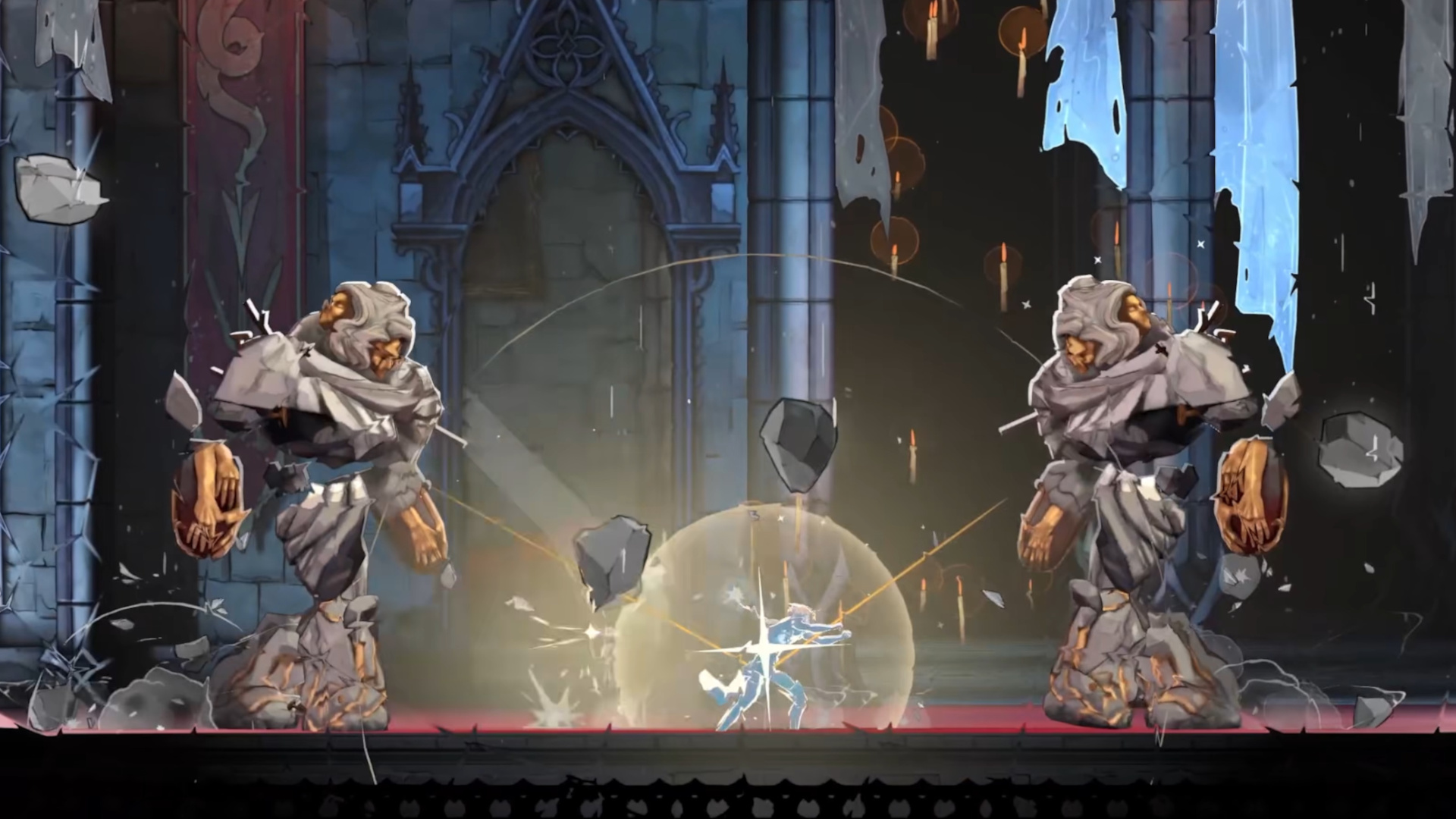
Verdict: Castlevania: Belmont’s Curse is a sprawling, gothic triumph. It is beautiful, challenging, and deeply rewarding, successfully honoring the legacy of the Belmonts while pushing the Metroidvania genre into a bold, sophisticated future. Highly recommended for any fan of the genre.

