

By Staff Reporters
Published: October 24, 2023
Main Facts
In the contemporary landscape of digital video game distribution, players face a paradox of choice. With thousands of titles accessible instantly through platforms like Steam, the Epic Games Store, Xbox Game Pass, and PlayStation Plus, managing what to play next has transformed from a casual pastime into a logistical challenge.
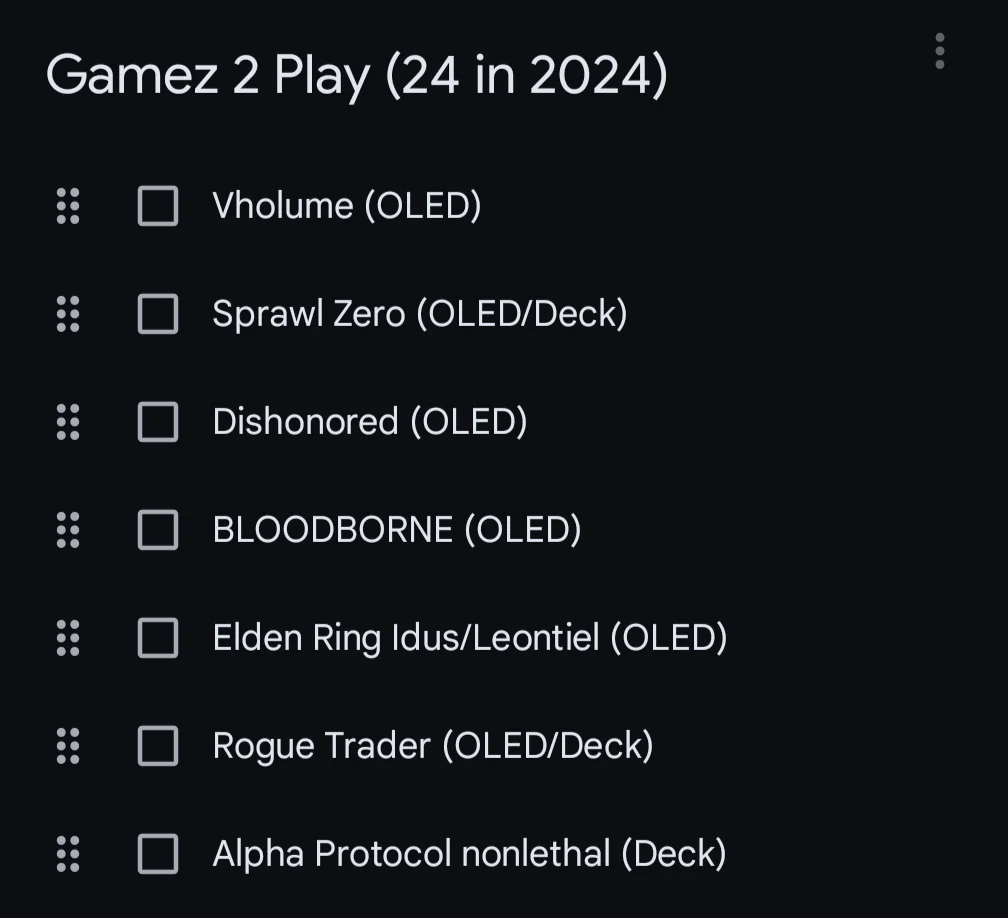
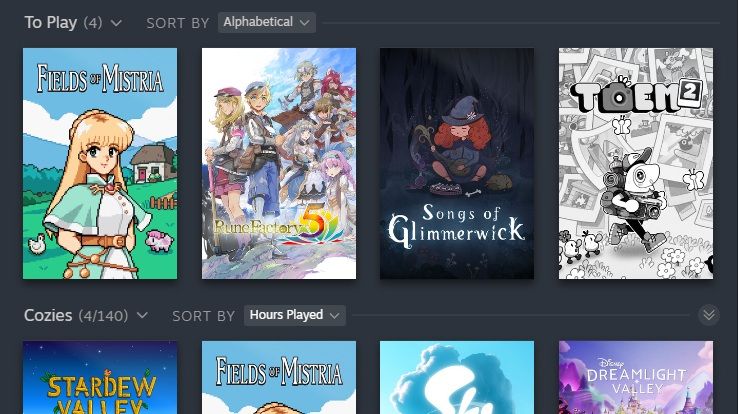
Recently, internal discussions among gaming journalists brought this universal struggle to light. While some players, such as PC Gamer’s Lauren, utilize sophisticated native features—like custom "to-play" shelves meticulously organized within the Steam client—the broader gaming community remains divided. Millions of players continue to rely on analog-style methods, most notably carrying over unorganized, sprawling checklists in mobile phone notes apps across multiple smartphone upgrades.
This modern ritual highlights a persistent gap in digital storefront design: despite decades of technological advancement in graphics and processing power, native game curation and backlog management tools often fall short of personal organizational needs, forcing players to build external systems of their own.
Chronology
To understand how the gaming community arrived at this digital organizational crisis, it is helpful to look at how game libraries have evolved over the last two decades:
- The Physical Era (Pre-2010s): Backlogs were physically bound by shelf space. Gamers looked at literal stacks of plastic cases or cartridges. Organization was manual, visual, and limited by financial investment—players rarely owned more games than they could reasonably display.
- The Steam Explosion (2010–2015): The rise of digital storefronts, seasonal mega-sales, and indie bundle sites (such as the Humble Bundle) radically altered consumer habits. Suddenly, acquiring dozens or hundreds of games for the price of a single AAA title became normal. Libraries bloated overnight, and the concept of the "Steam Backlog" entered gamer lexicon.
- The Subscription Boom (2017–Present): Services like Xbox Game Pass and PlayStation Plus introduced "Netflix-style" access to rotating catalogues of hundreds of titles. While liberating, this accelerated decision fatigue. Games appeared and disappeared from services, creating artificial urgency and compounding the difficulty of tracking what to play.
- The DIY Tool Renaissance (Present Day): Frustrated by platform limitations, gamers increasingly turn to third-party databases like Backloggd, HowLongToBeat, and Notion templates, or revert to minimalist solutions like Apple Notes and Google Keep, preserving decades-old checklists across phone migrations.
Supporting Data
The scale of digital game hoarding and backlog accumulation is well-documented by industry analysts and platform telemetry:
- Library Bloat: According to independent user data aggregation on Steam, the median active Steam user owns between 50 and 200 games, yet actively plays fewer than 15% of them on a regular basis.
- The Completionist Deficit: Data from completion tracking sites indicates that fewer than 30% of players finish the main campaigns of the games they start, a trend exacerbated by the sheer volume of competing media.
- The Multi-Platform Divide: Modern players rarely stick to a single ecosystem. A typical PC gamer may juggle a Steam library, an Epic Games launcher (bolstered by weekly free game handouts), a GOG Galaxy client, and an active subscription to PC Game Pass. This fragmentation is the primary driver behind why centralized tools—like a single notes app list—remain popular.
Official Responses and Developer Perspectives
While major storefront holders have been slow to introduce comprehensive cross-platform backlog managers, platform engineers and UI/UX designers have increasingly recognized the friction points in library management.
In recent updates, Valve has introduced features allowing users to create dynamic collections, tag games by mood, and hide unwanted titles. However, these features often cater to library categorization rather than forward-looking prioritization (i.e., what do I want to play next Tuesday?).
Independent developers and community advocates argue that platform holders have a financial incentive to keep libraries opaque. When games remain out of sight, they often remain unplayed, reducing the psychological pressure of a backlog and encouraging continuous browsing and purchasing behavior.
Conversely, community-driven platforms have stepped into the vacuum. Representatives from tracking databases note that engagement metrics on wishlist and backlog features have surged by over 40% year-over-year, proving that organization is now considered an integral part of the modern gaming experience.
Implications
The enduring reliance on phone notes apps and makeshift spreadsheets carries several profound implications for the gaming industry and consumer behavior:
1. Decision Fatigue and the "Choice Paradox"
When faced with an infinite library, players frequently spend more time scrolling through menus, reading reviews, and checking lists than actually playing games. This phenomenon, often termed "choice paralysis," can diminish the overall enjoyment of leisure time, turning a relaxing hobby into a stressful exercise in curation.
2. The Rise of Meta-Gaming Organization
A robust sub-culture has emerged around productivity tools applied to gaming. Content creators regularly share "How I Organize My Game Backlog" videos, and Notion templates designed specifically for tracking gaming progress garner thousands of downloads. Managing a hobby has, ironically, become a hobby in its own right.
3. Pressure on Platform Holders
As consumer frustration mounts regarding fragmented libraries, platform holders face growing pressure to innovate. The future of digital storefronts may rely less on flashy storefront banners and more on intelligent, AI-assisted curation tools that help users actually clear their queues rather than simply add to them.
Until storefronts natively integrate seamless, cross-platform, and intuitive "to-play" queues, the humble phone notes app—housing lists with cryptic titles like "Gamez 2 Play" alongside indie gems and forgotten classics—will remain a steadfast companion for gamers navigating the digital age.

