

By Gaming Industry Desk
Main Facts: The Rise, Spread, and Commercialization of Cozy Gaming
Three years ago, the gaming landscape stood on the precipice of a seismic shift. What had begun as a grassroots, community-driven social media descriptor for low-stress, welcoming titles like Animal Crossing: New Horizons and Stardew Valley was just beginning to capture mainstream attention. Industry insiders predicted that the trend had not yet peaked—but few could have anticipated the sheer scale of the commercial explosion that followed.
Today, the industry has entered the "gold rush era" of cozy gaming. Driven by unprecedented consumer demand, developers, major publishing houses, and marketing firms have aggressively seized upon the "cozy" moniker. Search engine queries have doubled, Steam release schedules are flooded with thousands of titles bearing the tag, and public relations inboxes are perpetually overwhelmed with pitches boasting relaxing mechanics.
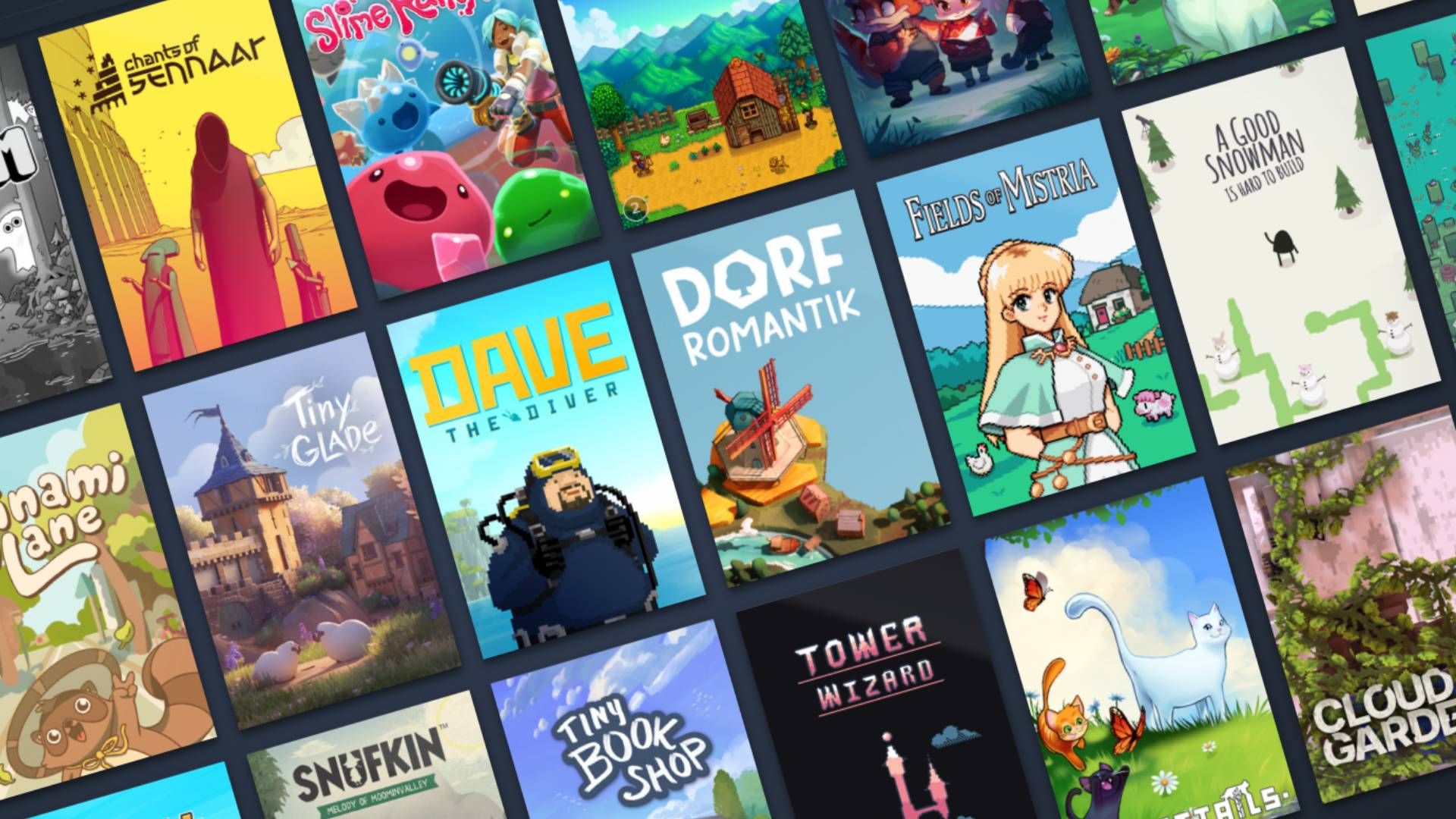
Yet, this massive commercialization has not diluted the audience. Instead, it has catalyzed a fascinating evolution: the quintessential "cozy gamer"—once stereotyped as a casual or inexperienced player—has transformed into a remarkably savvy, highly engaged demographic capable of navigating complex microgenres with absolute precision.
Chronology: A Timeline of the Cozy Boom (2020–2026)
To understand how cozy gaming evolved from a niche subculture into a dominant market force, one must trace its trajectory over the past half-decade:
- 2020–2022 (The Incubation Phase): Amid global lockdowns and shifting societal stressors, demand for low-stakes, comforting digital spaces skyrocketed. The term "cozy games" emerged organically across TikTok, Twitter, and Reddit, quickly eclipsing the older, sometimes pejorative industry term "casual games." Even early genre-benders like Cult of the Lamb began capitalizing on community-sim loops.
- 2023 (The Recognition Point): Analysts and journalists began mapping the rapid ascent of the trend, noting early warning signs that publishing marketing teams were beginning to notice the lucrative power of the word. At this stage, public relations pitches utilizing the term were still relatively modest—hovering in the dozens per year for individual writers.
- 2024 (The Commercial Floodgates Open): Search interest doubled compared to 2023 baselines. Steam database metrics recorded hundreds of releases explicitly utilizing the "cozy" tag, while PR email volume spiked dramatically into the hundreds.
- 2025–2026 (The Gold Rush Peak and Microgenre Splintering): The market expanded exponentially. By 2025, tagged releases on Steam nearly doubled year-over-year, and by late 2026, over 1,300 titles had launched with the tag in a single year. Concurrently, microgenres—ranging from desktop companions and tidying-up sims to post-apocalyptic repair simulators—shattered traditional boundaries of what "cozy" could mean.
Supporting Data: Numbers Behind the Phenomenon
Data pulled from Google Trends, Steam databases, and industry inboxes paints a striking statistical portrait of an industry transformed.
1. Google Search Interest (5-Year Trajectory)
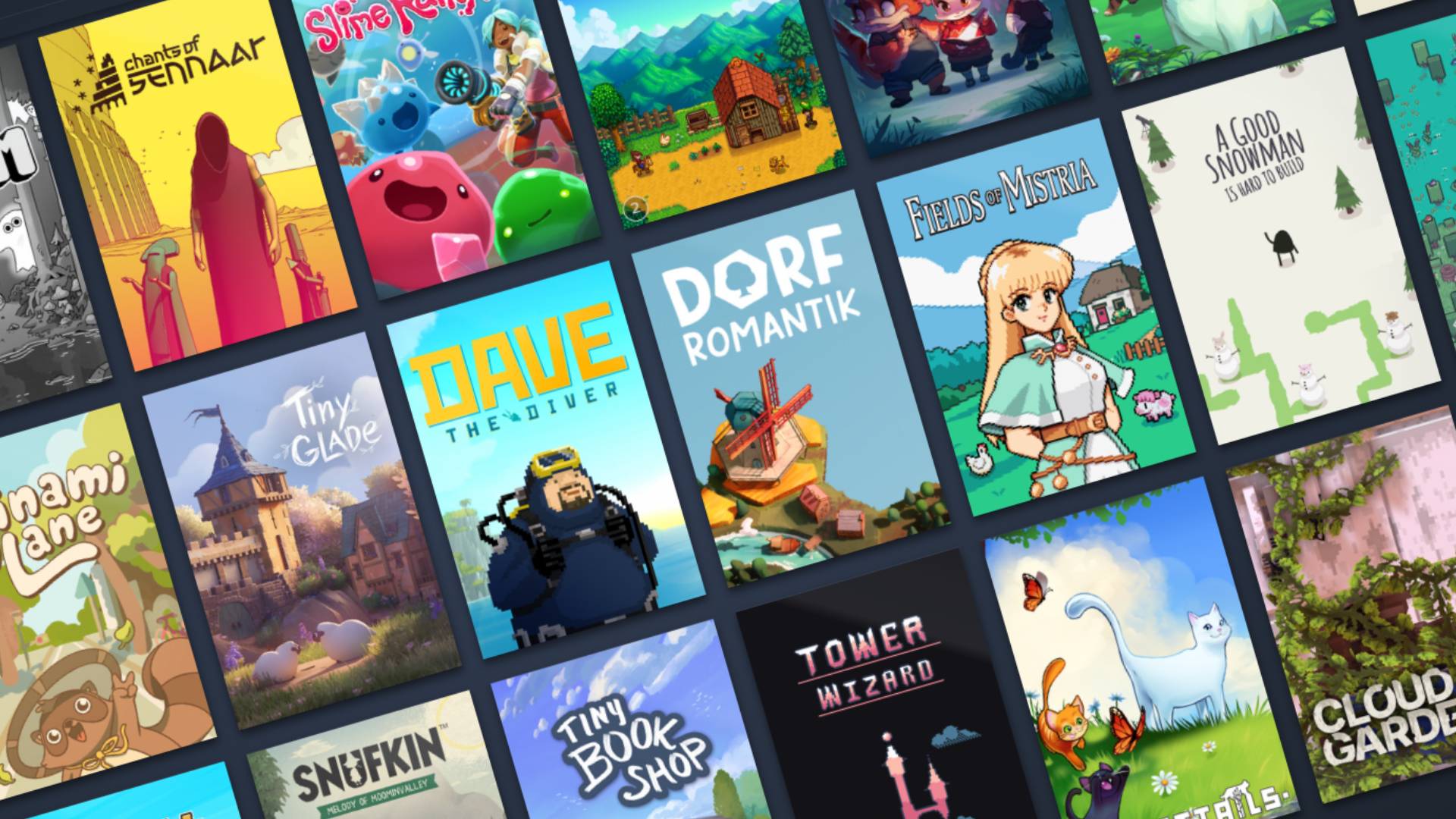
Relative search demand for the term "cozy games" has doubled since 2023, maintaining a dominant lead over "relaxing games." Interestingly, Google Trends data also highlights a surprise resurgence for the older term "casual games" in 2026, suggesting that a portion of the player base may be actively reclaiming the descriptor.
2. Steam "Cozy" Tag Growth (January–October Comparisons)
Platform data reveals a staggering acceleration in the sheer supply of games entering the market under the cozy umbrella:
- 2024: 389 releases
- 2025: 650 releases
- 2026 (Year-to-Date): 1,341 releases (representing a monumental 186% increase compared to the same timeframe in previous years).
3. Public Relations Ingestion Metrics
A glaring indicator of marketing department saturation can be found in tracking media inboxes:

- 2023: ~15 pitches utilizing the term "cozy"
- 2024: 365 pitches
- 2025: 782 pitches
- 2026 (Year-to-Date): 887 pitches
These figures demonstrate that publishers are no longer just supporting a trend; they are actively optimizing every piece of promotional material to capture the algorithmic and consumer goodwill associated with the word.
Official Responses and Industry Perspectives
Developers, publishers, and critics have had to adapt rapidly to an environment where "cozy" acts as both a badge of honor and a marketing buzzword.
Industry veterans note that the definition of the genre has stretched to its absolute breaking point. While purists once argued that a game could only be cozy if it completely eliminated combat, failure states, and time pressure, modern developers are applying the label to surprisingly gritty premises. For instance, post-apocalyptic crafting titles, tactical repair sims featuring zombies, and complex logistics games now routinely utilize "cozy" framing if their core loops center around organization, customization, and methodical progression.
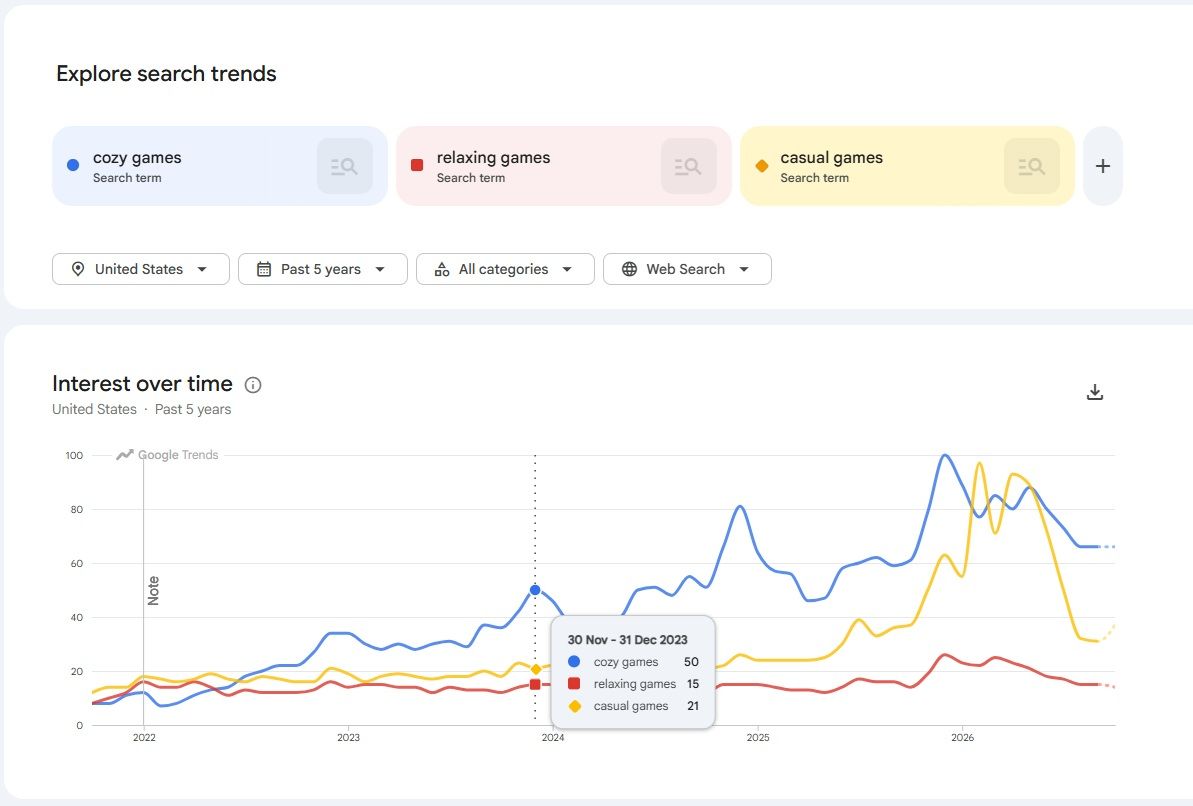
Furthermore, creators of standout indie hits—such as Fields of Mistria (NPC Studio) and Fields of Aaru (Zymartu Games)—have spoken candidly about the pressure to meet the soaring expectations of modern comfort-seeking players. Rather than targeting a passive audience, developers are finding that today’s cozy players demand deep mechanical systems, robust economy management, and continuous content updates that rival traditional hardcore RPGs.
Implications: What the Cozy Gold Rush Means for the Future of Gaming
As the cozy gaming movement transitions definitively out of "trend" status and into a permanent, foundational pillar of the broader industry, several critical implications emerge:
1. The Maturation of the "Cozy" Audience
Initial fears that mainstream exposure would lead to a disposable, low-quality market filled with confused newcomers have largely evaporated. Instead of being passive consumers vulnerable to predatory cash-grabs, cozy gamers have evolved into an intensely savvy, highly organized audience. They command deep taxonomic knowledge of specific game mechanics, enthusiastically dissecting patch notes, trade economies, and optimization strategies with the dedication traditionally reserved for competitive esports or grand strategy communities.
2. Marketing Saturation and the Threat of Cynicism
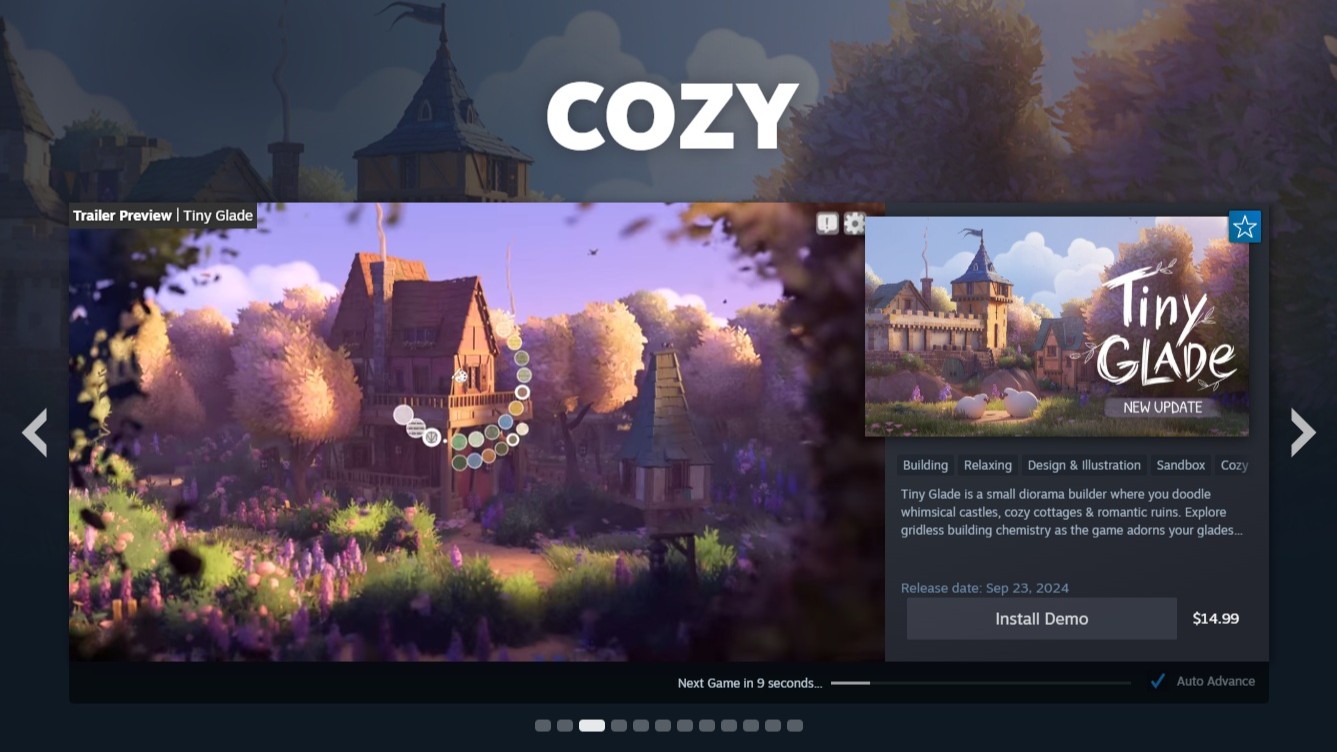
The aggressive weaponization of the word "cozy" by marketing teams—coupled with an influx of low-effort, vibe-coded projects and AI-generated copycats—presents a genuine hurdle. As the label is slapped onto increasingly incongruous titles to chase search engine optimization (SEO) and viral traction, consumer fatigue and cynicism are natural risks.
3. Where Do We Go From Here?
Despite looming concerns over market saturation and algorithmic fatigue, industry analysts agree that the movement has not yet reached its final ceiling. The foundational desire for digital spaces that offer emotional refuge, community connection, and low-stress agency is not going away.
Cozy gaming is no longer a fleeting pandemic-era coping mechanism; it is a permanent, thriving ecosystem. As developers continue to innovate within microgenres—and as players demand ever-higher standards of mechanical depth—the industry will undoubtedly weather the current gold rush turbulence.
The movement’s true peak remains on the horizon. Observers and participants alike will simply have to wait and see what landscape emerges when the industry checks back in.

