

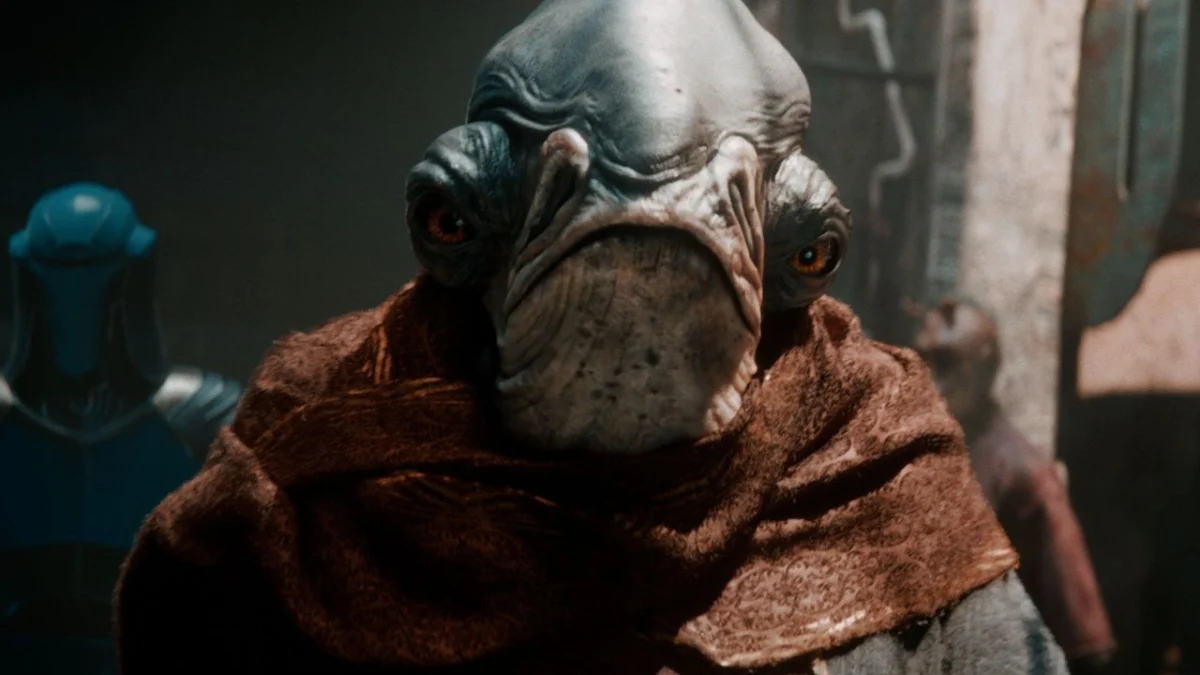
It has been nearly three years since the gaming world was electrified by the cinematic reveal of Star Wars: Eclipse. At the time, the project promised to be a landmark title—a narrative-driven, high-fidelity experience set in the High Republic era, developed by the masters of the interactive drama, Quantic Dream. Yet, in the years since that debut trailer, the title has largely vanished into the ether, punctuated only by occasional, non-committal updates from studio founder David Cage.
Today, however, the silence has been broken by a far more urgent sound: the collective voice of the studio’s workforce. Recent reports indicate that the development of Star Wars: Eclipse is in jeopardy, not due to creative burnout or technical hurdles, but because of a deepening rift between the studio’s leadership, its parent company, and the employees on the ground.
The Chronology: From Ambition to Stagnation
The trajectory of Star Wars: Eclipse has been one of high hopes followed by a slow-motion crisis. When Quantic Dream announced the title in 2021, it was positioned as their most ambitious project to date. Known for titles like Heavy Rain, Beyond: Two Souls, and Detroit: Become Human, the studio was moving away from their traditional urban thriller roots into the vast, expansive lore of a galaxy far, far away.
However, the studio’s focus was simultaneously split. While Eclipse was in pre-production, Quantic Dream was aggressively pursuing a secondary project: a live-service MOBA titled Spellcaster Chronicles. This pivot toward the live-service model—a notoriously volatile sector of the games industry—diverted significant resources, talent, and administrative attention away from their primary Star Wars endeavor.
The situation reached a breaking point in May of this year when the plug was unceremoniously pulled on Spellcaster Chronicles. The cancellation resulted in the layoff of 115 staff members. While corporate entities often view such layoffs as "streamlining" or "efficiency," the remaining workforce at Quantic Dream sees it as a strategic catastrophe that has left Star Wars: Eclipse critically understaffed and potentially unfinishable.
The Human Cost: A Strike for Sustainability
In a rare and bold move, employees at Quantic Dream have taken industrial action. According to reports from the French outlet Gamekult, staff members organized a strike during a high-stakes visit from LucasFilm representatives. The goal was simple but profound: to make it clear that the recent layoffs were not just an HR matter, but a direct threat to the quality and viability of the Star Wars project.
"It’s far from being an act of sabotage. On the contrary, we’re trying to save Star Wars: Eclipse," a developer identified by the pseudonym ‘Jules’ stated. "We could manage to release it with 115 additional people, and that wouldn’t be ‘overstaffed’: it’s what’s needed. We’re understaffed, like in many other companies in the sector, because bosses know very well that passion will lead people to crunch time and that games will eventually be released. But it’s impossible to run a sustainable industry like that."
This sentiment captures the growing tension within the AAA development space, where the reliance on "passion" as a substitute for adequate staffing has become a systemic issue. By withholding their labor, these developers are attempting to force a reckoning regarding the unsustainable pace of modern game development.
The NetEase Factor: Corporate Governance and Accountability
The complexity of the situation is compounded by Quantic Dream’s ownership structure. In 2022, the studio was acquired by Chinese tech titan NetEase. This acquisition has introduced a layer of opacity that employees claim is being used by studio management to deflect responsibility.
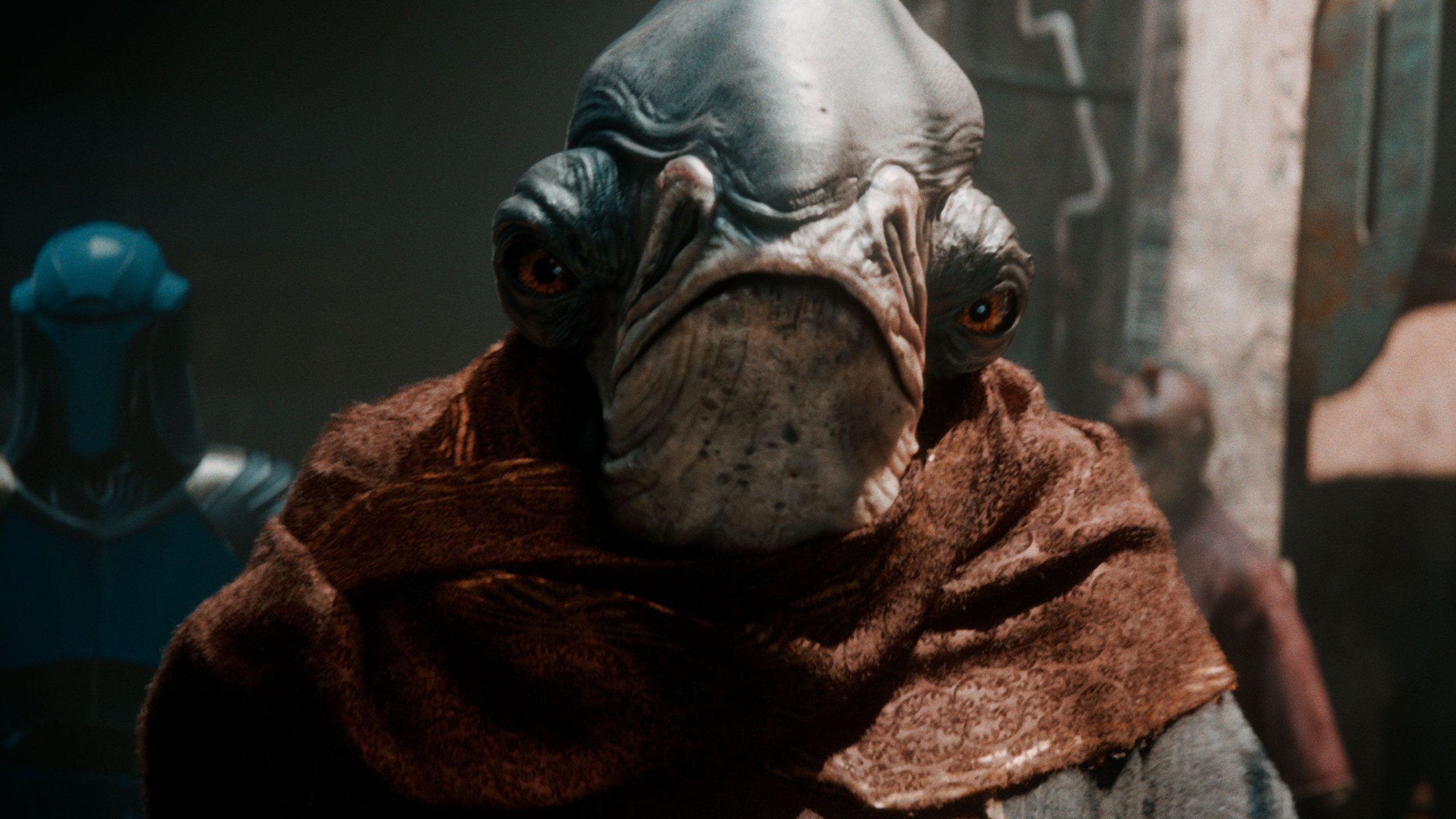
"We’ve already indicated that we want to talk to NetEase," an employee identified as ‘Théo’ noted. "But Quantic Dream’s management is preventing us. We’ve explicitly asked for them to be at the negotiating table, since we’re often told: ‘Oh no, that decision depends on NetEase, that’s NetEase’s budget…’ Fine, then bring NetEase in!"
The employees allege that it was NetEase that dictated the cancellation of Spellcaster Chronicles, while Quantic Dream’s internal leadership had previously insisted on the project’s viability. This disconnect has created a "blame loop" where local management avoids accountability by pointing to their parent company, while the parent company remains distant from the day-to-day realities of the studio’s production pipeline.
Implications: The "Summer Strike Fest" and Beyond
The current strike is not an isolated event; it is the opening salvo of what employees are calling "Summer Strike Fest." This series of planned protests is scheduled to run through September, with a clear ultimatum for management: provide the necessary resources to complete Star Wars: Eclipse or face continued disruption.
The Risks to the Project
If the studio fails to address these concerns, the implications for Star Wars: Eclipse are dire. A project of this scale—requiring massive technical integration, complex branching narratives, and high-end visual fidelity—cannot survive a "brain drain" or a demoralized workforce. If the talent responsible for the foundational work leaves or is let go, the "ambition" that David Cage frequently touts will become a hollow marketing term rather than a technical reality.
A Turning Point for Labor Relations
This conflict represents a significant shift in the French game development landscape, which has historically seen less labor agitation than other tech sectors. By openly challenging both their studio leadership and their corporate parent, Quantic Dream employees are signaling that the era of passive acceptance of crunch culture and mismanagement is ending.
The LucasFilm Variable
Perhaps the most dangerous implication for the studio is the reaction of LucasFilm. The Star Wars brand is notoriously protective of its intellectual property. If the license holder perceives that the development of a major tentpole title is being compromised by internal strife, administrative incompetence, or systemic understaffing, they have the power to step in. A loss of confidence from LucasFilm could result in the reassignment of the project to a different studio, effectively nullifying years of work by the Quantic Dream team.
Looking Forward: Can the Project Be Saved?
As the "Summer Strike Fest" unfolds, the industry watches closely. For Star Wars: Eclipse to survive, Quantic Dream must transition from a culture of deflection to one of transparency.
- Direct Negotiation: Management must facilitate a meeting between NetEase representatives and the workforce to discuss resource allocation.
- Staffing Realities: The studio must acknowledge that the 115 positions lost during the Spellcaster fallout are essential for the survival of their flagship title.
- Sustainable Development: There must be a commitment to ending the cycle of "crunch" that the employees have identified as the backbone of their current, unsustainable output.
David Cage, in his limited comments, has maintained that development is continuing. However, the reality on the ground paints a different picture—one of a studio struggling to balance the competing interests of a corporate owner, the demands of a high-profile licensor, and the basic human needs of its developers.
For now, Star Wars: Eclipse remains a symbol of both massive creative potential and the fragility of modern game production. Whether it emerges as a triumphant addition to the Star Wars canon or a cautionary tale of studio mismanagement remains to be seen. But one thing is clear: the developers are no longer waiting for permission to speak. They are demanding the tools to do their jobs, and they are prepared to make the industry listen.

