

By PC Gaming News Desk
The recently concluded beta phase for World of Warcraft: Forever has left players grappling with a familiar post-beta melancholy. For weeks, enthusiastic adventurers traversed the reimagined landscapes of Azeroth, marveling at environmental upgrades such as the breathtaking god rays piercing through the canopy of Ashenvale. However, with the servers now offline, the community is forced to wait anxiously for the official worldwide release scheduled for November 4.
To soften the blow of the server shutdown and maintain community engagement, developer Blizzard Entertainment has introduced a bespoke, interactive stats tracker via its Timewalking portal. This personalized data dashboard offers participants a comprehensive retrospective of their time in the beta build, pulling back the curtain on individual play styles, combat efficiency, and—most notably—the compulsive movement habits inherent to the MMORPG genre.
Main Facts: The World of Warcraft: Forever Beta Wrap-Up
The closure of the World of Warcraft: Forever beta marks the end of a heavily anticipated stress test that allowed tens of thousands of players to experience the foundational pillars of the upcoming release. While the beta served its primary technical purpose of testing server stability, balancing mobs, and ironing out critical bugs, it also provided a valuable cultural snapshot of how modern gamers interact with classic MMORPG environments.
Upon logging into the newly launched stats tracker, participating players are greeted with a dossier detailing their unique journey through the pre-launch build. Key metrics highlighted in the breakdown include:
- Total Playtime: Cumulative hours spent exploring the beta zones.
- Geographic Hotspots: The specific zones and sub-regions where characters spent the majority of their time.
- Combat Fatalities: The exact enemies responsible for the highest number of player deaths.
- Locomotion Metrics: A precise count of every time the player’s character left the ground, quantifying the ubiquitous MMO phenomenon of perpetual jumping.
Chronology: From Server Launch to the Post-Beta Blues
The timeline of the World of Warcraft: Forever beta test was characterized by intense player engagement from the moment the servers went live.
- Phase 1 – The Initial Rush: Within minutes of the beta opening, thousands of players swarmed starting zones like Northshire Abbey and the Valley of Trials. Early hours were defined by high-density player congestion, with hordes of adventurers competing for quest mobs, resource nodes, and iconic early-game items like cactus apples.
- Phase 2 – Mid-Level Exploration: As players pushed past the early levels, the population dispersed across Kalimdor and the Eastern Kingdoms. Zones like Ashenvale and The Barrens became major hubs of activity. Players spent dozens of hours completing quests, testing dungeon finders, and appreciating graphical touch-ups, such as dynamic lighting and enhanced particle effects.
- Phase 3 – The Endgame Push & Discovery: Toward the latter half of the beta window, dedicated players cracked into the higher-level brackets. Discussions surrounding endgame pacing, raid mechanics, and quality-of-life adjustments dominated community forums and Discord servers.
- Phase 4 – Server Shutdown and Data Release: The beta abruptly concluded, locking players out of the game world. Almost immediately following the shutdown, Blizzard deployed the official stats tracker website, shifting the community’s focus from active gameplay to humorous self-reflection regarding their digital habits.
Supporting Data: By the Numbers
For many players, the stats tracker served up a humbling reality check regarding their in-game behavior. Take, for instance, one beta tester who clocked 57 hours of playtime—placing them comfortably in the 69th percentile of total beta engagement. While 57 hours is a respectable investment for a limited-time test, the supplementary metrics revealed a staggering sub-habit: 7,738 jumps.
Averaging out to roughly 135 jumps per hour, this statistic highlights an unspoken behavioral quirk deeply embedded in the DNA of MMORPG culture. Within the virtual society of Azeroth, the jump key serves multiple functions that transcend basic platforming:
- Non-Verbal Communication: In an environment where typing out a message can leave a character vulnerable, repeatedly jumping in front of another player has evolved into a universal greeting, an expression of gratitude, or a celebratory dance substitute.
- Psychological Momentum: An unshakeable, albeit entirely unscientific, community consensus dictates that constantly jumping while traveling from point A to point B somehow increases movement speed. While game engine developers have repeatedly debunked this myth, generations of MMO veterans continue to bunny-hop across continents out of sheer muscle memory.
Combat data also provided rich comedic fodder. For many unfortunate Horde and Alliance testers, the leading cause of death was not a dramatic raid boss or a fearsome dragon, but rather humble ambient wildlife. In particular, the Silithid Swarmer in the Southern Barrens emerged as an unexpected apex predator of the beta. Players universally reported that these seemingly benign mobs punched well above their weight class, with summoned minions possessing disproportionately high health pools that overwhelmed unsuspecting questers.
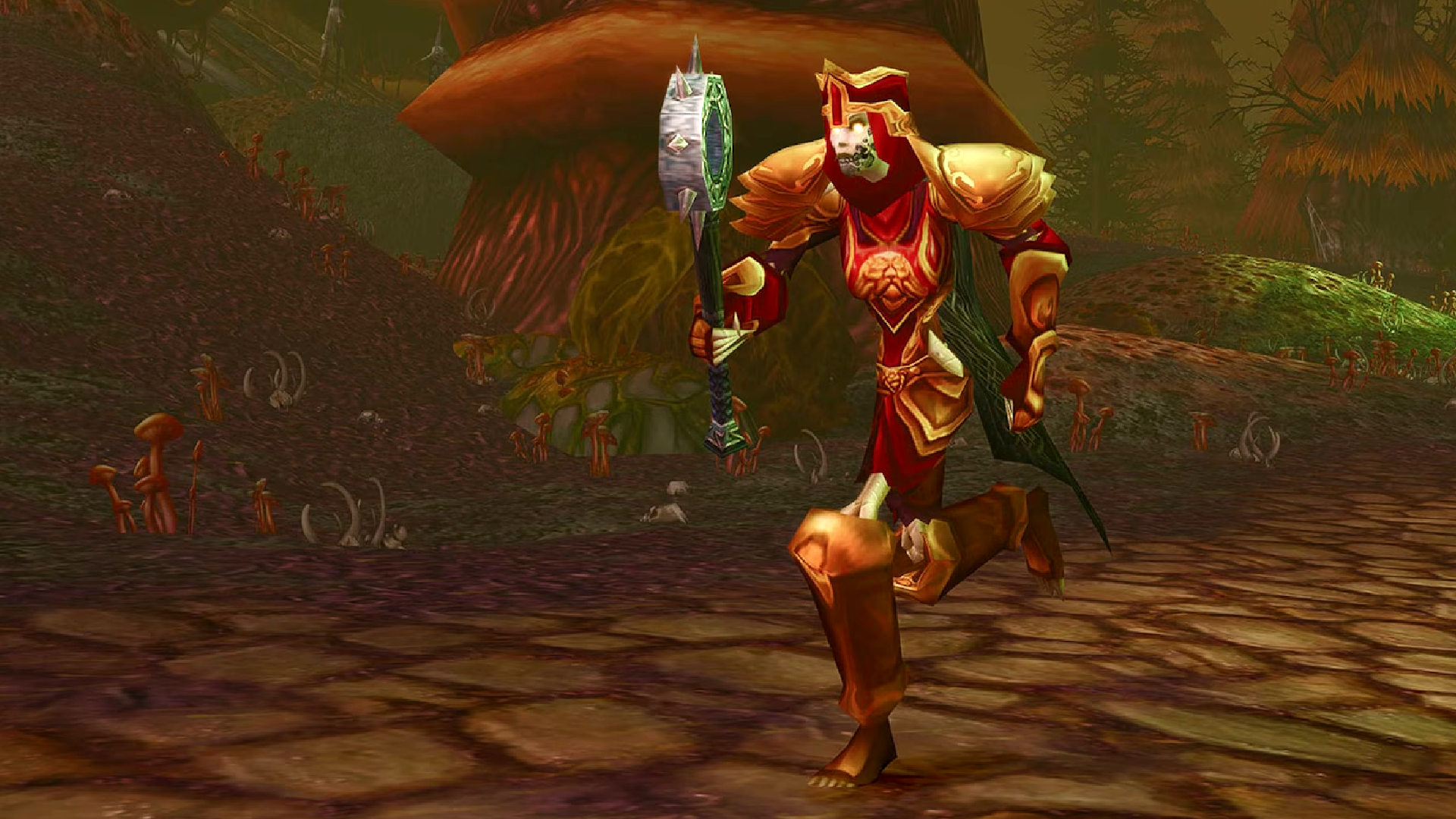
Furthermore, geographic data revealed that a significant portion of player populations spent their lion’s share of time trapped within The Barrens. This revelation struck a nostalgic and mildly traumatic chord with veteran players familiar with the infamous "Barrens Chat"—a localized zone channel legendary for its chaotic, absurd, and occasionally unhinged global discussions that have become a foundational meme of early 2000s internet culture.
Official Responses and Developer Insights
Blizzard Entertainment has remained tight-lipped regarding specific, aggregate data sets for the entire beta player base, choosing instead to focus on individual personalization through the Timewalking stat portal. However, developers have expressed profound gratitude for the sheer volume of telemetry data gathered during the testing window.
In previous community briefings, lead designers emphasized that the primary goal of the Forever project is to strike a delicate balance between authentic nostalgia and modern quality-of-life expectations. The telemetry harvested from millions of player deaths, quest completions, and zone distributions will be directly utilized to fine-tune spawn rates, adjust mob scaling, and ensure that upcoming patches provide a smooth leveling curve.
Regarding the unexpected lethality of low-level mobs like the Silithid Swarmer, junior encounter designers have hinted in community Q&As that numerical tuning across early-game zones is actively being re-evaluated. Whether this means the notorious Barrens wildlife will be mercifully dialed back or left in its gloriously punishing state remains to be seen when the game launches.
Implications: What This Means for the November 4 Launch
As the gaming community counts down the days to November 4, the conclusion of the beta and the release of the stats tracker carry significant implications for the health and culture of World of Warcraft: Forever.
1. Community Bonding Through Shared Statistics
By gamifying player metrics outside of the game client, Blizzard has successfully sustained community momentum during the dry spell between beta and launch. Social media platforms and Reddit are currently flooded with screenshots of player stats, fostering a lighthearted, communal atmosphere. Players are comparing jump counts, debating death tallies, and sharing war stories from the trenches of The Barrens. This viral engagement acts as free, organic marketing, keeping the game top-of-mind as the release date approaches.
2. Nostalgia vs. Modern Expectations
The beta experience exposed underlying anxieties regarding the game’s endgame progression and pacing. While veterans are eager to relive the magic of fighting alongside hundreds of players for scarce resources—such as the infamous scramble for cactus apples on day one—concerns persist over how modern gaming sensibilities will clash with classic design philosophies. The slower pace of leveling, combined with overtuned ambient mobs, suggests that players cannot simply zone out and coast to maximum level.
3. The Enduring Appeal of the MMO Ritual
Ultimately, the data from the stats tracker reinforces a profound truth about the World of Warcraft community: the journey is defined just as much by the silly, repetitive rituals as it is by epic loot and heroic raids. Whether it is bunny-hopping across the entirety of Kalimdor, getting repeatedly mauled by overtuned bugs in the Southern Barrens, or diving headfirst back into the madness of Barrens Chat, players are returning not just for the game, but for the shared cultural experience.
When World of Warcraft: Forever officially opens its permanent gates on November 4, millions of players will log in, select their classes, and immediately press the spacebar. And if the beta metrics are any indication, they won’t stop jumping until the servers finally go dark for good.

