

Main Facts: The Design Philosophy Behind Alan Wake’s Combat
In the vast landscape of third-person action video games, the reticle—that tiny, unobtrusive dot or crosshair anchored precisely in the middle of the screen—is as fundamental to the player experience as the joystick or the mouse. It functions as an invisible extension of the player’s hand, a digital compass ensuring spatial awareness, spatial orientation, and reliable gunplay. Without it, standard shooters quickly devolve into exercises in profound frustration.
Yet, in Remedy Entertainment’s cult-classic psychological thriller Alan Wake, developers made a deliberate, unorthodox design choice that turned standard shooter mechanics on their head: they stripped away the traditional persistent reticle entirely.
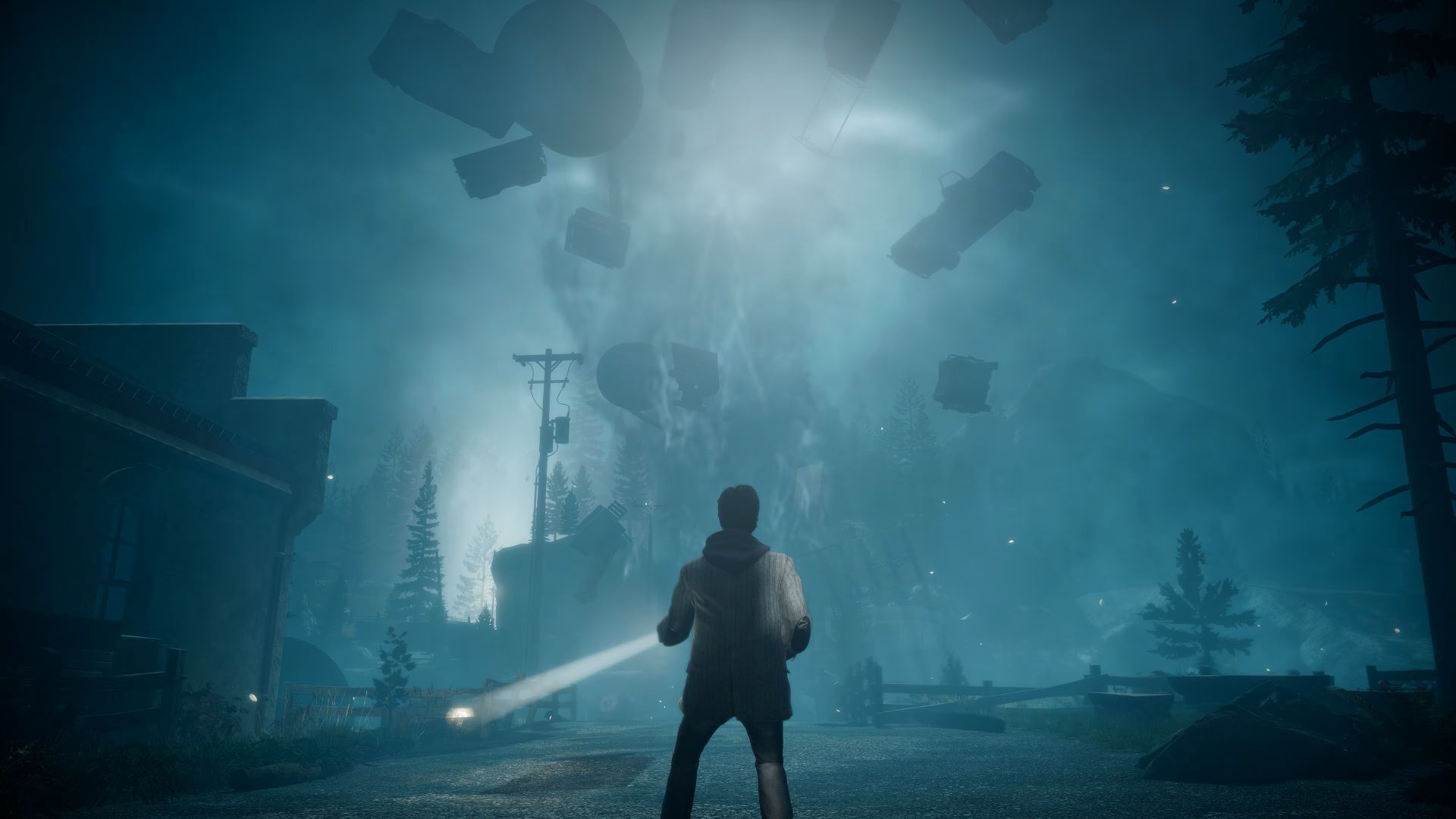
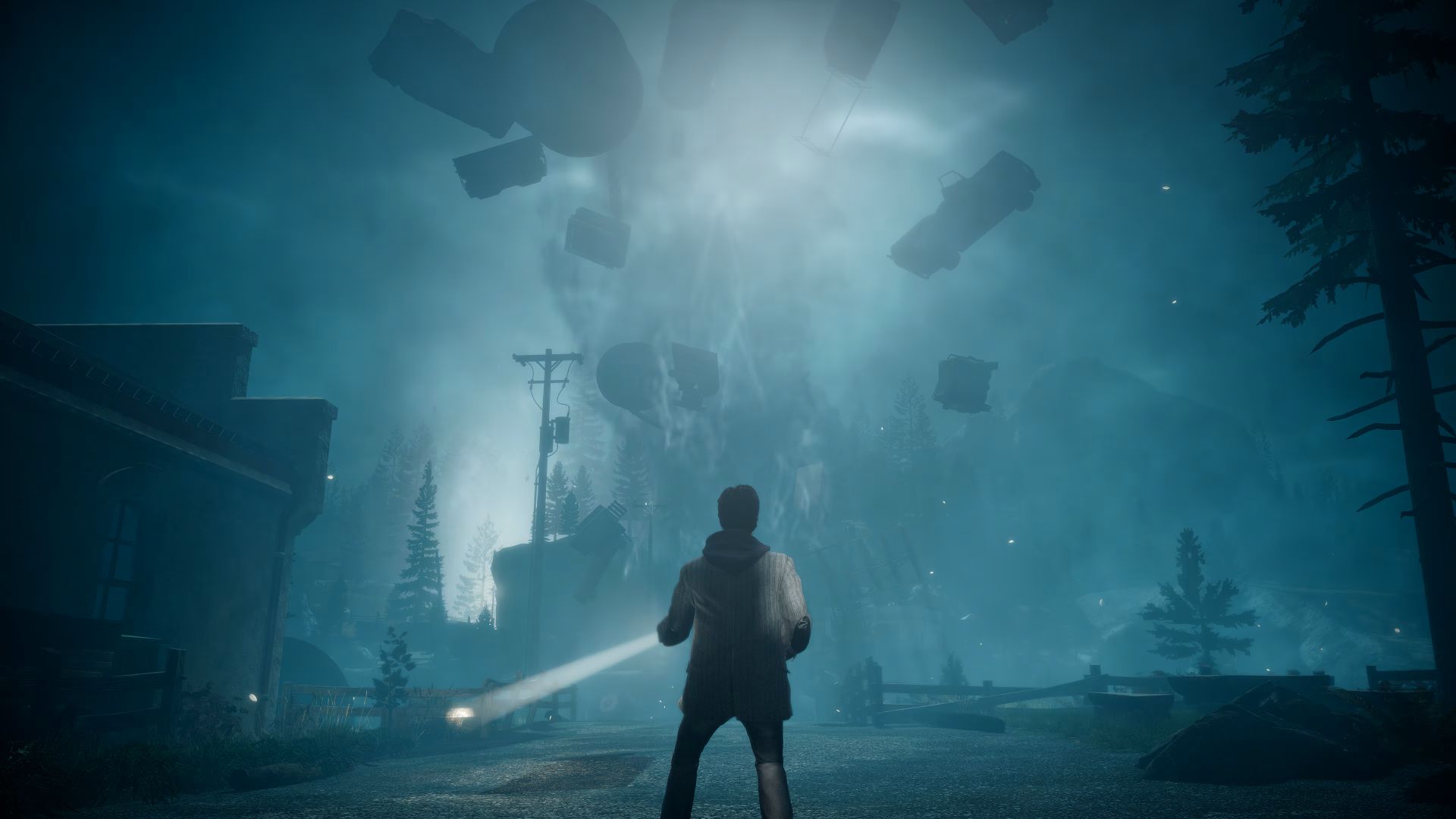
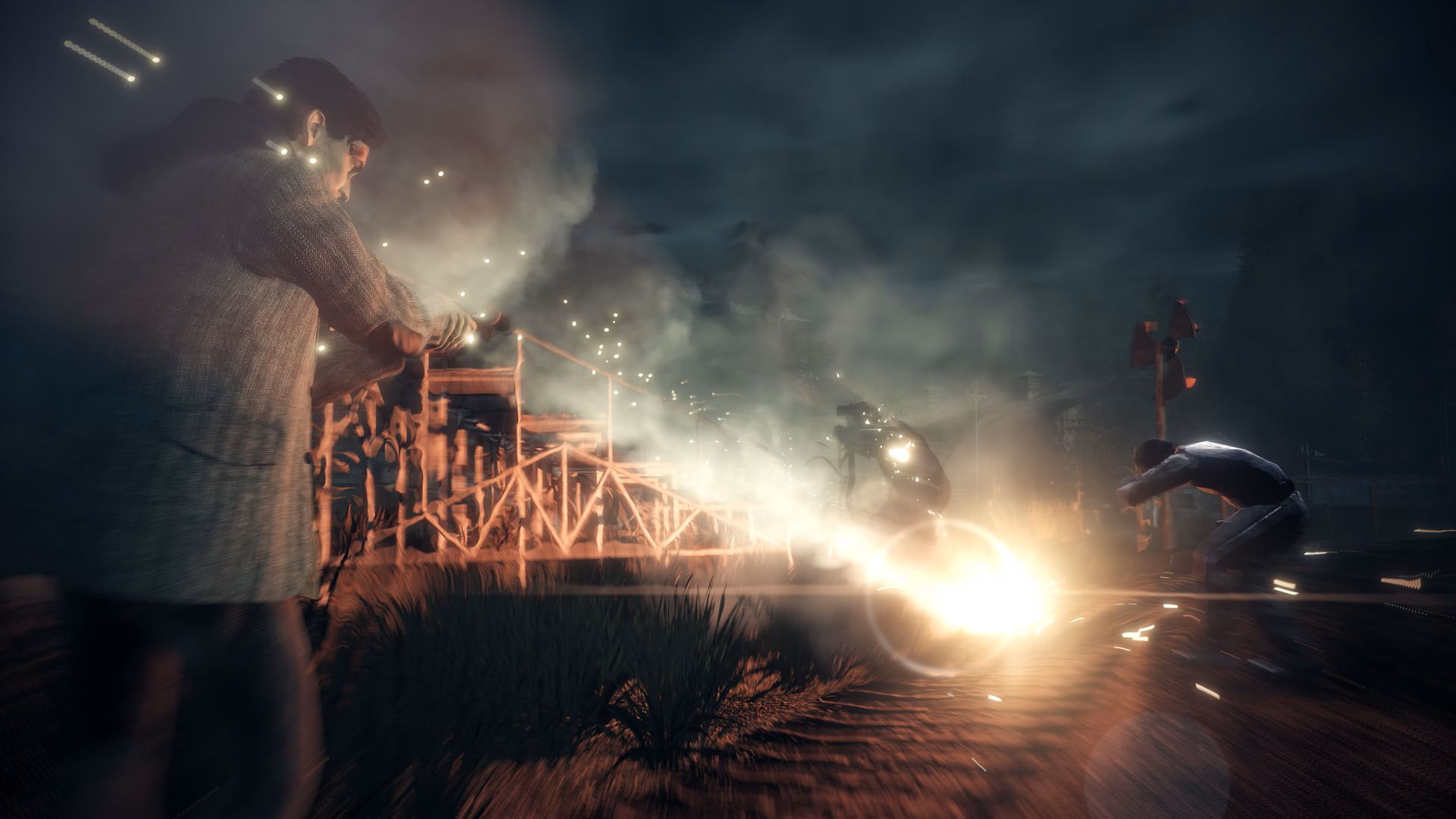
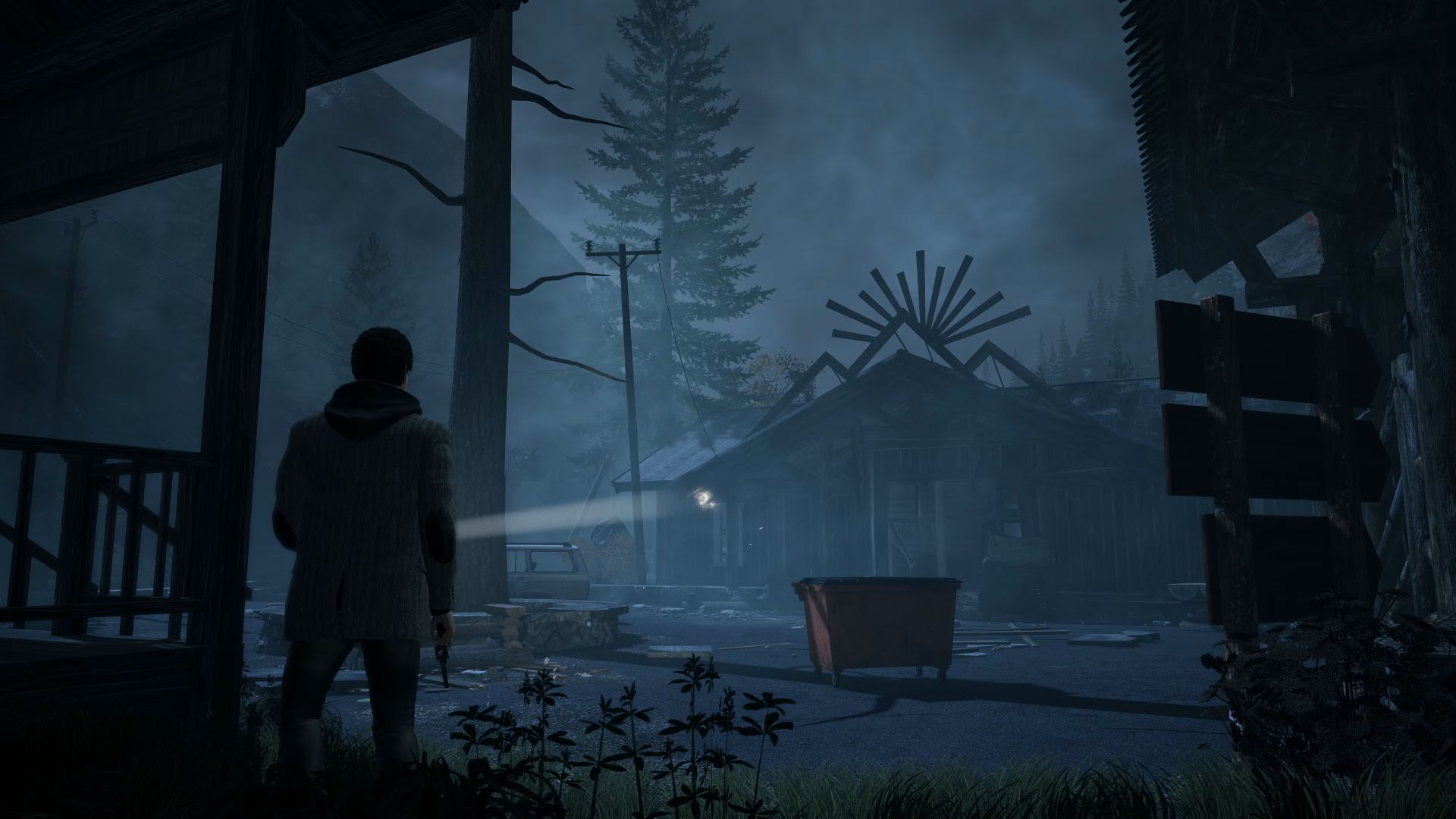
Instead of a fixed crosshair, players navigate the fog-shrouded, nightmare-infused forests of Bright Falls, Washington, armed primarily with a flashlight—the beam of which doubles as an imprecise aiming reticle—and a handful of firearms. This intentional absence of a standard aiming UI element is not merely a stylistic quirk; it is a masterclass in ludonarrative resonance. By robbing the player of absolute accuracy and visual confidence, Remedy managed to cultivate a genuine, visceral sense of panic, vulnerability, and disorientation that elevated Alan Wake from a standard supernatural action game into an unforgettable psychological horror experience.
Chronology: From Open-World Ambitions to the Stripped-Down Survival Horror
The developmental history of Alan Wake helps explain the raw, idiosyncratic nature of its mechanics. Initially conceptualized as an ambitious open-world survival game following Remedy’s massive success with 2001’s Max Payne (which notably featured a minimalist, unchanging white dot reticle) and its 2003 sequel, Max Payne 2: The Fall of Max Payne, the project underwent a torturous gestation period.
- 2005–2006: Remedy spends roughly three years grappling with open-world technology, dynamic day-night cycles, and sandbox survival mechanics.
- 2007–2009: Recognizing that the open-world structure diluted the tightly wound tension required for a psychological thriller heavily inspired by Stephen King, David Lynch, and The Twilight Zone, the studio pivoted hard. They abandoned the sandbox approach in favor of a strictly linear, episodic narrative structure.
- May 2010: Alan Wake finally launches on the Xbox 360 (followed later by a PC release in 2012), introducing players to the tortured novelist trapped in a living nightmare where his own unpublished manuscript comes to life around him.
Even within this more linear framework, the remnants of those early survival mechanics lingered. The geography of Bright Falls maintained sprawling, open-ended environments between checkpoints, leaving players frequently disoriented. More importantly, the combat framework—built around burning away supernatural "Taken" armor with a flashlight before landing ballistic strikes—forced players into a compromised tactical reality where steady aim was a luxury they rarely possessed.
Supporting Data: Mechanics, Resource Scarcity, and the Psychology of Panic
To understand why Alan Wake’s lack of a reticle works so brilliantly, one must analyze the loop of its core combat encounters.
The game relies on a supernatural one-two punch:
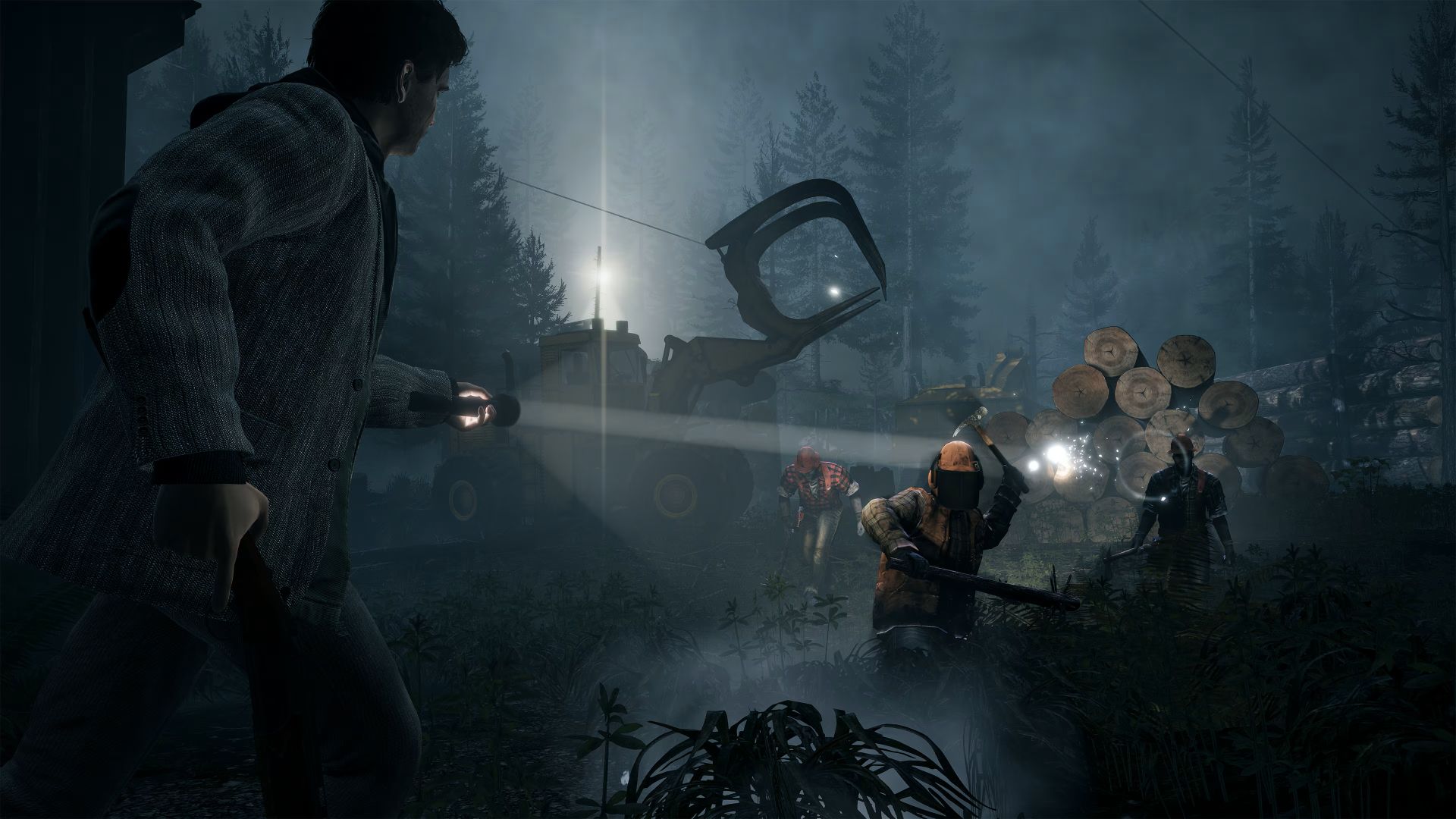
- The Illumination Phase: The player directs Alan’s flashlight beam at shadowy humanoid silhouettes to strip away their protective dark-matter shields.
- The Ballistic Phase: The player fires a revolver, hunting rifle, or shotgun into the vulnerable enemy torso or head until they disintegrate.
However, executing this loop without a reticle introduces profound mechanical friction:
- The Flashlight as a Variable Reticle: The torch beam acts as a makeshift aiming reticle, but unlike a static UI element painted onto the glass of a monitor, light behaves dynamically in a 3D space. When Alan passes close to a fence post, a cabin wall, or a stack of logs, the light beam is abruptly truncated or warped. Shine a flashlight against a nearby surface, and the beam’s radius balloons out, becoming wider than any incoming threat.
- The Battery Economy: Players can pull the left trigger to focus the flashlight beam—effectively acting as "aiming down sights"—which accelerates illumination. However, this focus function drains battery power rapidly. Because batteries are scarce resources scattered sparsely across the dark woods, survival instinct dictates that players must conserve energy.
- Blind Firing Under Pressure: To save batteries, players quickly learn to turn off the focused beam, leaving them to squint at ghouls charging through the fog in the mid-distance. Without a zoom or a fixed center-screen crosshair, landing shots feels clumsy, desperate, and terrifying.
As Alan himself notes early in the narrative after firing his first weapon outside a shooting range: "I’d never fired a gun outside a shooting range. And now I’d just killed someone, or something." The player shares that exact feeling of amateurish panic.
Official Responses and Creator Insights: The Evolution of the Formula
Remedy Entertainment’s design philosophy has always leaned toward cinematic immersion, yet the studio has also proven adaptable to modern accessibility and player comfort standards.
In third-person shooters, missing or invisible reticles can induce severe motion sickness for vulnerable players, as the human eye lacks a steady focal point in the center of the 3D viewport. Recognizing these physiological hurdles—while also acknowledging the shifting standards of modern game design—Remedy’s approach evolved significantly over the years.
When the long-awaited sequel, Alan Wake 2, finally launched, it arrived in a vastly more enlightened era of accessibility considerations. Unlike its 2010 predecessor, Alan Wake 2 featured a traditional, responsive reticle that popped up on screen when the player raised their weapon. Creators acknowledged that while the total lack of UI handrails in the original game served its specific atmospheric purpose, modern survival horror benefited from tighter, more reliable mechanical responsiveness, especially given the game’s shift toward a pure survival-horror genre template reminiscent of modern Resident Evil remakes.
Implications: The Legacy of UI Minimalism in Horror Design
The absence of a reticle in the original Alan Wake carries profound implications for how developers can use UI restrictions to reinforce narrative themes.
By removing the training wheels of traditional shooter interfaces, Remedy achieved something remarkable: they weaponized player vulnerability. In traditional action games, a reticle instills confidence; it tells the player that they are an empowered hero capable of precision execution. By stripping it away, Alan Wake inverted that dynamic. It told the player: You are a stressed, exhausted writer out of his depth. You cannot trust your eyes, you cannot trust your flashlight, and you certainly cannot trust your aim.
This thematic integration extended seamlessly into the game’s non-linear storytelling devices. Remedy scattered pages of Alan’s missing manuscript throughout the environments. Finding a page describing an upcoming ambush did not just serve as gameplay foreshadowing; it induced a lingering sense of doom.
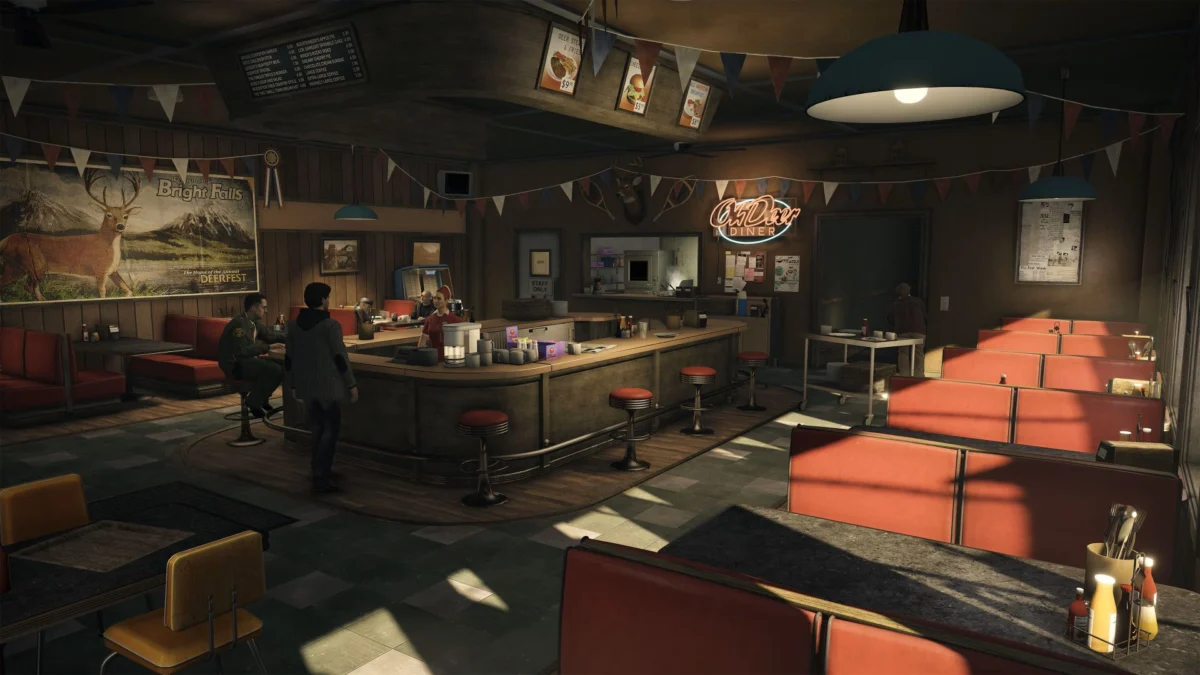
Consider the haunting sequence involving Rose, an infatuated diner waitress who is eventually possessed and forces tainted coffee upon a furious Alan. Only after the traumatic encounter does the player stumble upon a manuscript page laying bare her internal terror: "Rose was smiling so hard it hurt her face. She crushed a bottlefull of sleeping pills into the coffee. Deep down inside, she was screaming in terror."
Ultimately, while Remedy has crafted far more mechanically sophisticated and mechanically varied action sequences in the years since—ranging from Control’s telekinetic combat to Alan Wake 2’s polished survival mechanics—the raw, woozy, unfiltered fear of the original 2010 release remains entirely distinct. By paradoxically throwing away the reticle, Remedy hit its target dead center, proving that sometimes, taking away the tools of player empowerment is the absolute best way to make a horror game unforgettable.

