By Global Gaming Desk
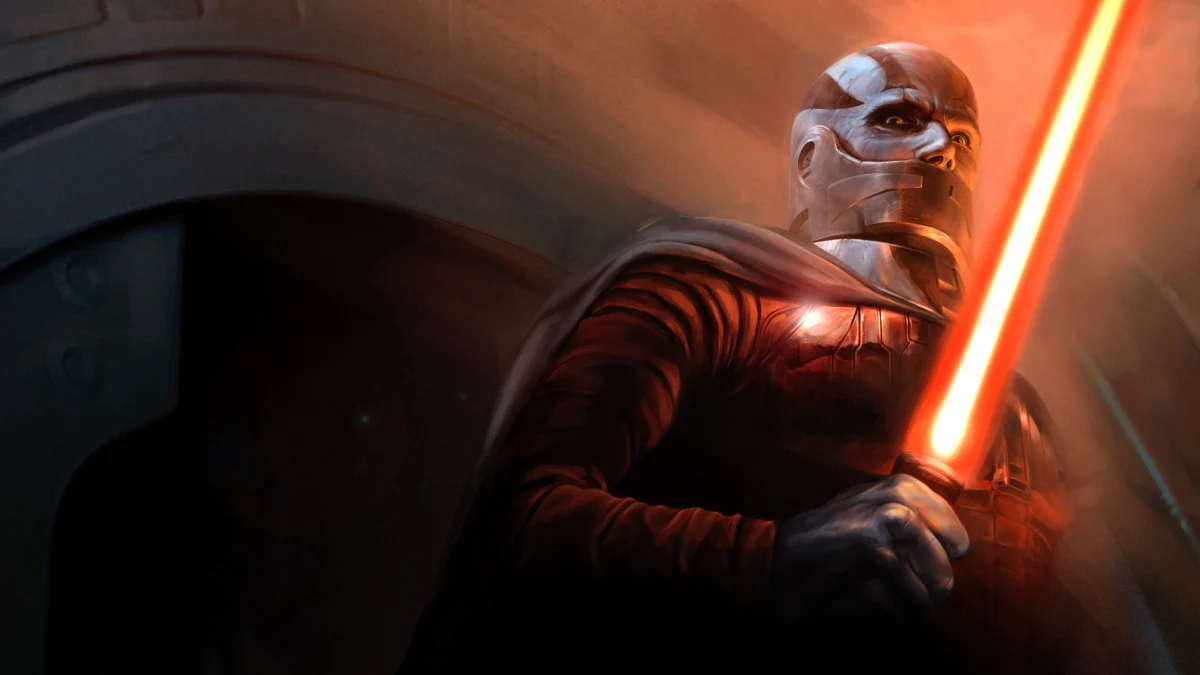
The gaming industry is reeling from a seismic shockwave following the formal closure of BioWare, the legendary role-playing game (RPG) developer responsible for industry-defining franchises such as Mass Effect, Dragon Age, and Star Wars: Knights of the Old Republic. The studio’s shuttering—accompanied by a wave of approximately 400 layoffs across its parent company, Electronic Arts (EA)—is just the latest casualty in what financial analysts are identifying as a broader, systemic crisis fueled by leveraged private equity acquisitions.
While the closure of BioWare marks a tragic cultural loss for narrative-driven gaming, it also serves as a terrifying case study in how modern private equity mechanics dismantle creative institutions, prioritizing short-term debt extraction over long-term studio stewardship.
Main Facts: The Fall of BioWare and EA’s Massive Buyout
The definitive end of BioWare comes in the wake of EA’s staggering $55 billion acquisition—the largest leveraged buyout (LBO) in private equity history—backed heavily by international sovereign wealth and private investment interests, including capital from Saudi Arabia and entities tied to Jared Kushner.
For months, the writing had been on the wall. Ever since the massive transaction was first whispered and subsequently finalized, anonymous insiders reported that studio staff were actively updating their resumes, bracing for the inevitable axe. BioWare’s modern struggles—marked by protracted development cycles, creative turbulence on titles like Dragon Age: The Veilguard, and a historical resistance to aggressive microtransactions or "live-service" loot boxes—made it an immediate target for restructuring under a bottom-line-obsessed ownership group.
The fallout has been immediate and devastating:
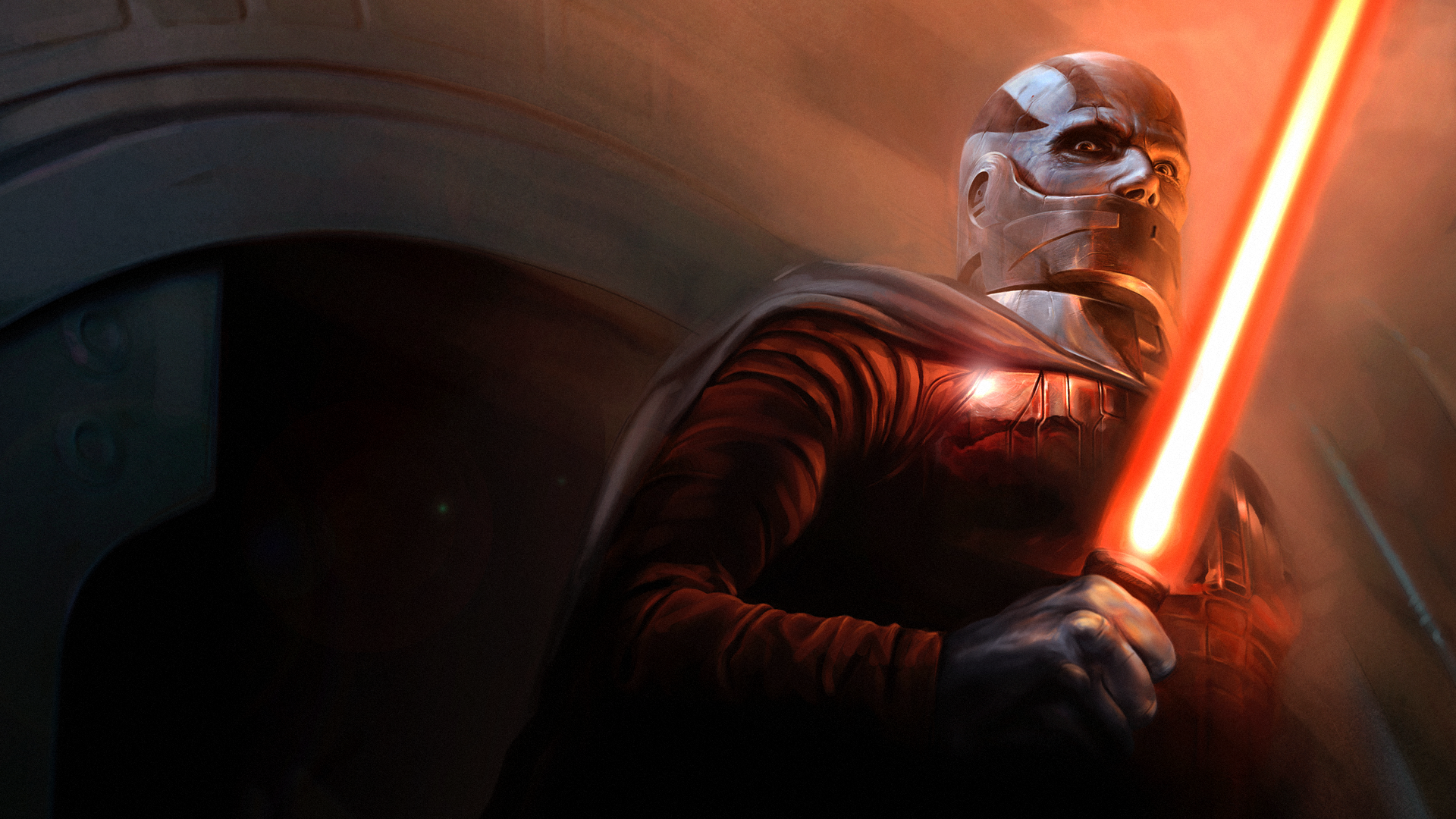
- Studio Closure: BioWare’s physical and operational presence has been dismantled, officially cancelling all upcoming projects, including the highly anticipated next entry in the Mass Effect universe.
- Mass Layoffs: Approximately 400 employees have been let go across EA and its remaining subsidiaries.
- Industry-Wide Trend: BioWare is not an isolated incident. Similar private equity maneuvers have recently triggered layoffs and restructuring at studios like Scum developer Gamepires and Splash Damage, both caught in the gears of rapid-fire corporate acquisitions.
Chronology: How the Crisis Unfolded
To understand how a powerhouse studio like BioWare could vanish almost overnight, it is necessary to examine the timeline of financial pressures and corporate decisions that led to this tipping point.
- The Live-Service Goldrush (Late 2010s–Early 2020s): Under public trading pressures, EA attempted to pivot BioWare away from its single-player RPG roots toward live-service multiplayer models—a strategic misstep that wasted years of development time and alienated core fanbases.
- The $55 Billion LBO Announcement: EA became the target of a monumental leveraged buyout, valued at $55 billion. Financial markets recognized this immediately as a private equity play, utilizing massive amounts of debt rather than pure cash to orchestrate the takeover.
- Internal Panic and Attrition: Recognizing the classic playbook of private equity cost-cutting, developers and administrative staff at BioWare began fleeing the studio, anticipating sweeping restructuring.
- The Final Blow: Following the consolidation of EA under its new private ownership, leadership pulled the plug on BioWare entirely, halting pre-production on Mass Effect 5, terminating ongoing operations, and issuing widespread pink slips.
Supporting Data: The Mechanics of Leveraged Buyouts
To the casual observer, an acquisition is simply a change in corporate ownership. However, the mechanics of a leveraged buyout (LBO) reveal a much more predatory financial structure.
According to financial experts like Karee Venema, senior investing editor at Kiplinger, an LBO relies on a dangerous baseline:
"A leveraged buyout just means the company is bought using a combination of borrowed money, or debt, and private equity. The purchased company’s balance sheet is used as collateral against the loans taken out to purchase it."
In EA’s case, massive financial institutions—such as a reported $20 billion loan from JPMorgan—funded the transaction. Crucially, the "leverage" (debt) is secured not against the private equity firm’s own deep pockets, but against the assets of the acquired company itself.
The Transfer of Risk
Once the deal closes, a peculiar dynamic emerges: the private equity firm agrees to the terms of the loan, but repaying it becomes the purchased company’s responsibility.
This creates a perverse financial incentive. If an investment firm is unconcerned with a company’s long-term survival, there are myriad ways to extract value rapidly:
- Hollowing Out Workforces: Sashing headcounts drastically reduces overhead, generating immediate cash flow to service debt at the expense of product quality.
- Asset Stripping: Selling off real estate, valuable intellectual properties, and subsidiaries to line investor pockets.
- Sale-Leaseback Agreements: Forcing companies to sell their own corporate real estate and subsequently pay exorbitant rent to continue using their own offices, driving them deeper into debt.
- Management and Transaction Fees: Extracting standard "2-and-20" terms (taking 2% of assets annually and 20% of profits above a certain threshold), alongside auxiliary monitoring fees paid directly to the private equity firm.
Data from the Private Equity Stakeholder Project using S&P analytics underscores the devastation of this model: in 2024, private equity-backed enterprises accounted for more than 10% of all corporate bankruptcies—and an astonishing over 50% of bankruptcies with liabilities exceeding $500 million. Yet, due to structural financial protections, the private equity firms orchestrating these collapses frequently emerge financially unscathed.
Official Responses and Industry Reactions
The gaming community, labor organizers, and financial watchdogs have responded with profound alarm. While historical LBO success stories—such as Blackstone’s stewardship of Hilton or Dell’s massive valuation rebound—are frequently cited by defenders of private equity, critics argue these are rare exceptions to a rule of destruction.
In the retail and media sectors, private equity has already left a trail of wreckage, from the high-profile bankruptcy of Toys ‘R’ Us to the hollowing out of local newspapers and digital media giants like Gizmodo Media Group. Applying this high-risk financial instrument to creative industries like video games has proven uniquely catastrophic.
Internal sentiment within EA suggests that while massive revenue-generators like EA Sports franchises, Battlefield 6, and Apex Legends will continue to receive support, the appetite for high-risk, artistic, or single-player storytelling has shriveled. EA has confirmed that teams like Respawn and DICE are collaborating on new projects—heavily rumored to include a new Star Wars Battlefront game—alongside ongoing work on Marvel’s Iron Man, the next Star Wars Jedi title, and a Sims project codenamed "Project Evergreen."
However, questions loom large over how creative freedom will survive under owners who view artistic integrity strictly through the lens of debt-servicing ratios.

Implications: What BioWare’s Demise Means for the Future of Gaming
The death of BioWare and the restructuring of EA signal a dark turning point for the AAA gaming landscape. As sovereign wealth funds and private equity firms increasingly eye the interactive entertainment sector—lured by high peak revenues but fundamentally misunderstanding the delicate, iterative nature of creative development—the traditional studio model is facing an existential threat.
The implications are far-reaching:
- The Death of Mid-Budget and Risky IP: Publishers burdened by massive LBO debt can no longer afford the financial risks associated with new intellectual properties, unconventional narratives, or complex RPG systems that require years of incubation.
- Creative Chilling Effects: Developers working under private equity ownership face immense ideological and financial pressures, inevitably leading to self-censorship, homogenized game design, and an over-reliance on safe, highly monetizable formulas.
- Erosion of Labor Stability: The normalization of sudden studio closures and mass layoffs—typified by the rapid-fire acquisitions and staff cuts seen at Splash Damage and Gamepires—creates an unstable, hostile environment for industry talent.
Ultimately, the closure of BioWare is much more than the end of a beloved developer. It is a stark warning shot about the financialization of art. When multi-billion-dollar corporate juggernauts are treated as disposable collateral in private equity schemes, it is not just balance sheets that take the hit—it is the culture, the creators, and the millions of players who trusted them to build worlds worth exploring.

