

By PC Hardware Desk
Published: September 2026
Introduction: The Line Between Engineering and Exploitation
The relentless pursuit of competitive advantage in PC gaming has always lived in a grey area between mechanical skill and technological assistance. For decades, the boundary was clearly defined: your hands provided the input—via keyboard strokes, mouse movements, and precise tracking—while your hardware merely translated those physical actions onto the screen.
However, hardware manufacturers are increasingly pushing past traditional boundaries to engineer features that fundamentally alter gameplay mechanics. The latest flashpoint in this ongoing debate centers on Razer and its new flagship peripheral, the Basilisk V4 Pro gaming mouse.
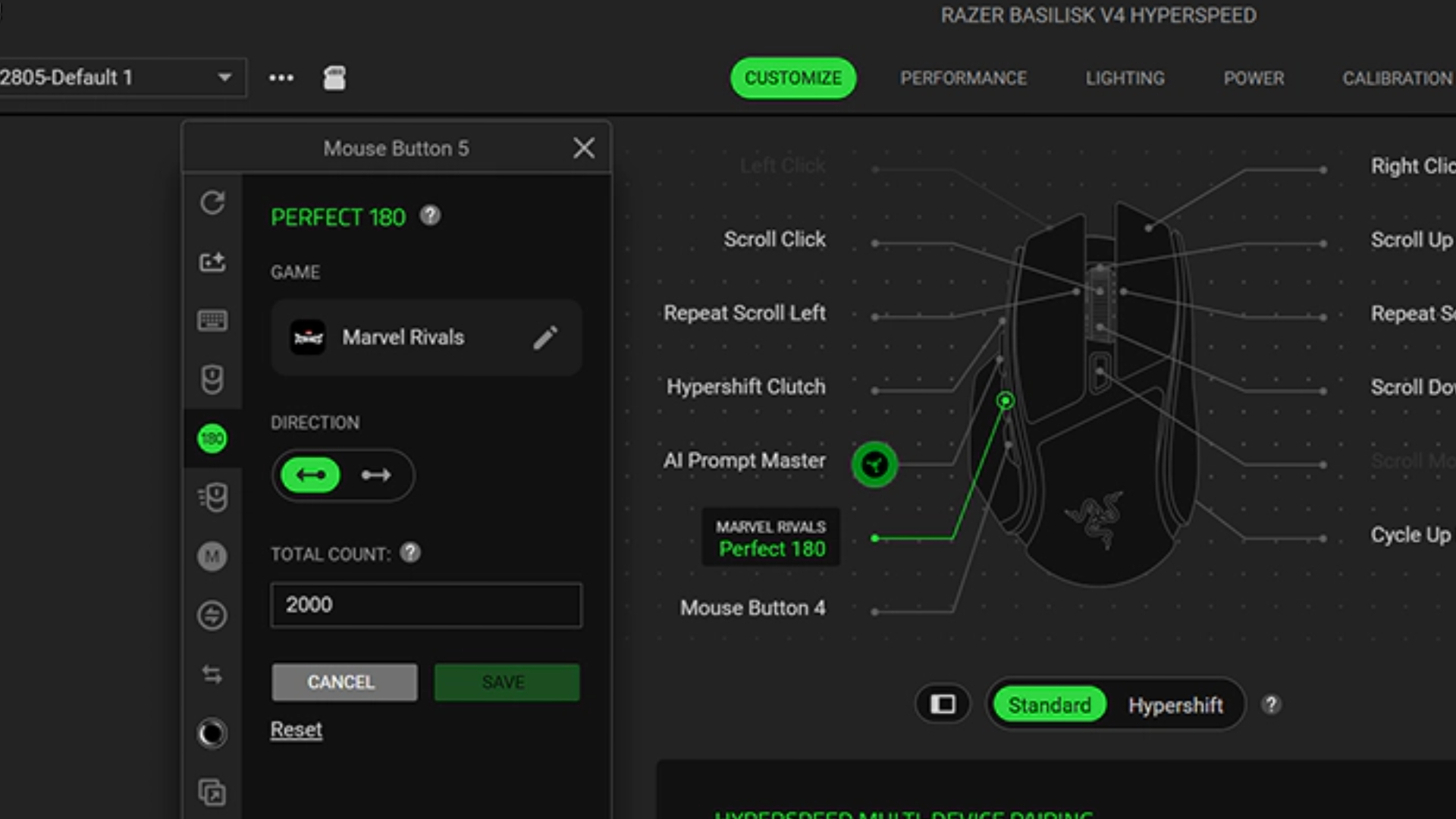
At the center of the controversy is a proprietary software feature known as the "Perfect 180." By mapping this function through Razer’s Synapse ecosystem, players can execute a nearly instantaneous, programmatic 180-degree directional spin with a single click of a mouse button. In fast-paced, twitch-based multiplayer environments where milliseconds dictate survival, a button that instantly shifts a player’s perspective to face an attacker behind them has reignited a fierce industry-wide debate: Does hardware-level automation cross the line into cheating?
Main Facts: Unpacking the "Perfect 180"
To understand the controversy, one must first examine how the technology operates in practice.
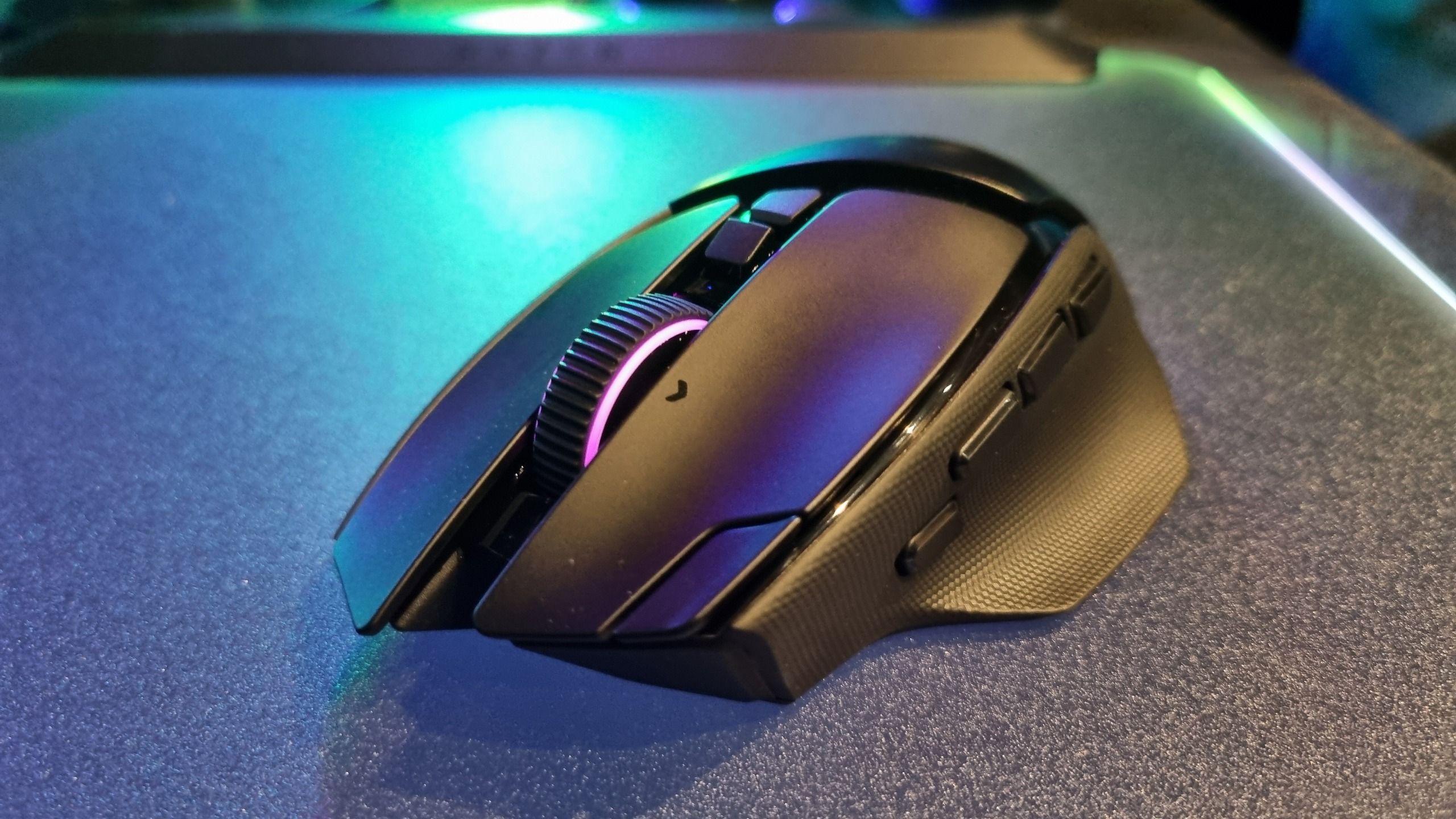
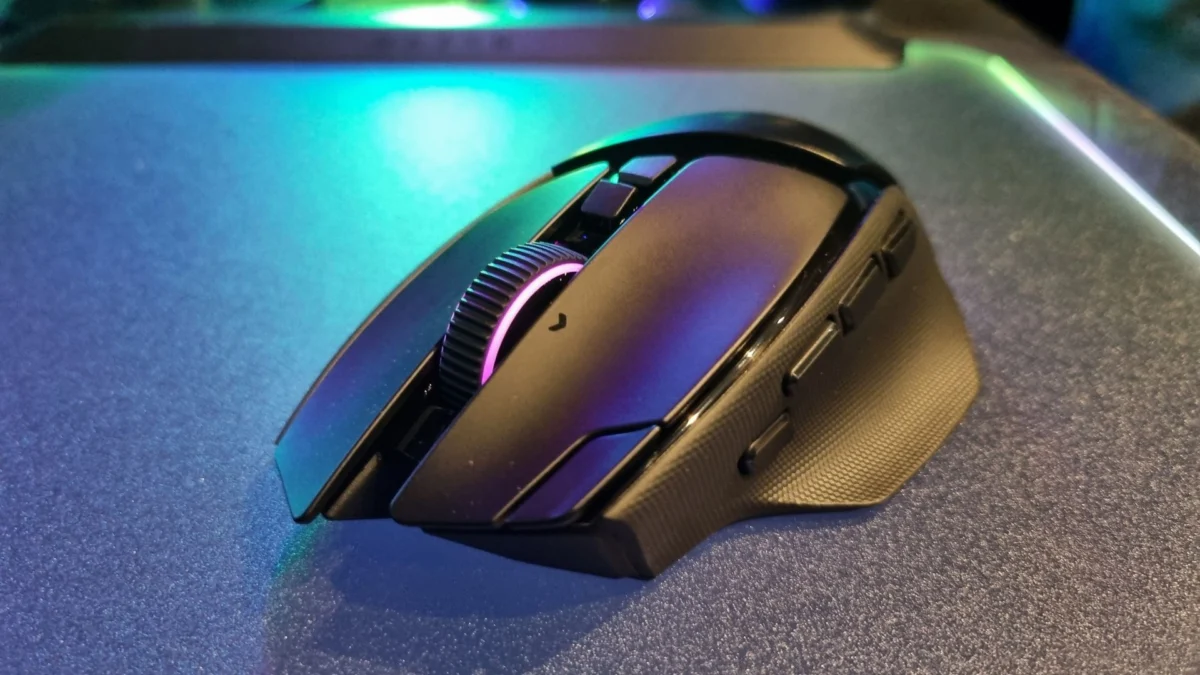
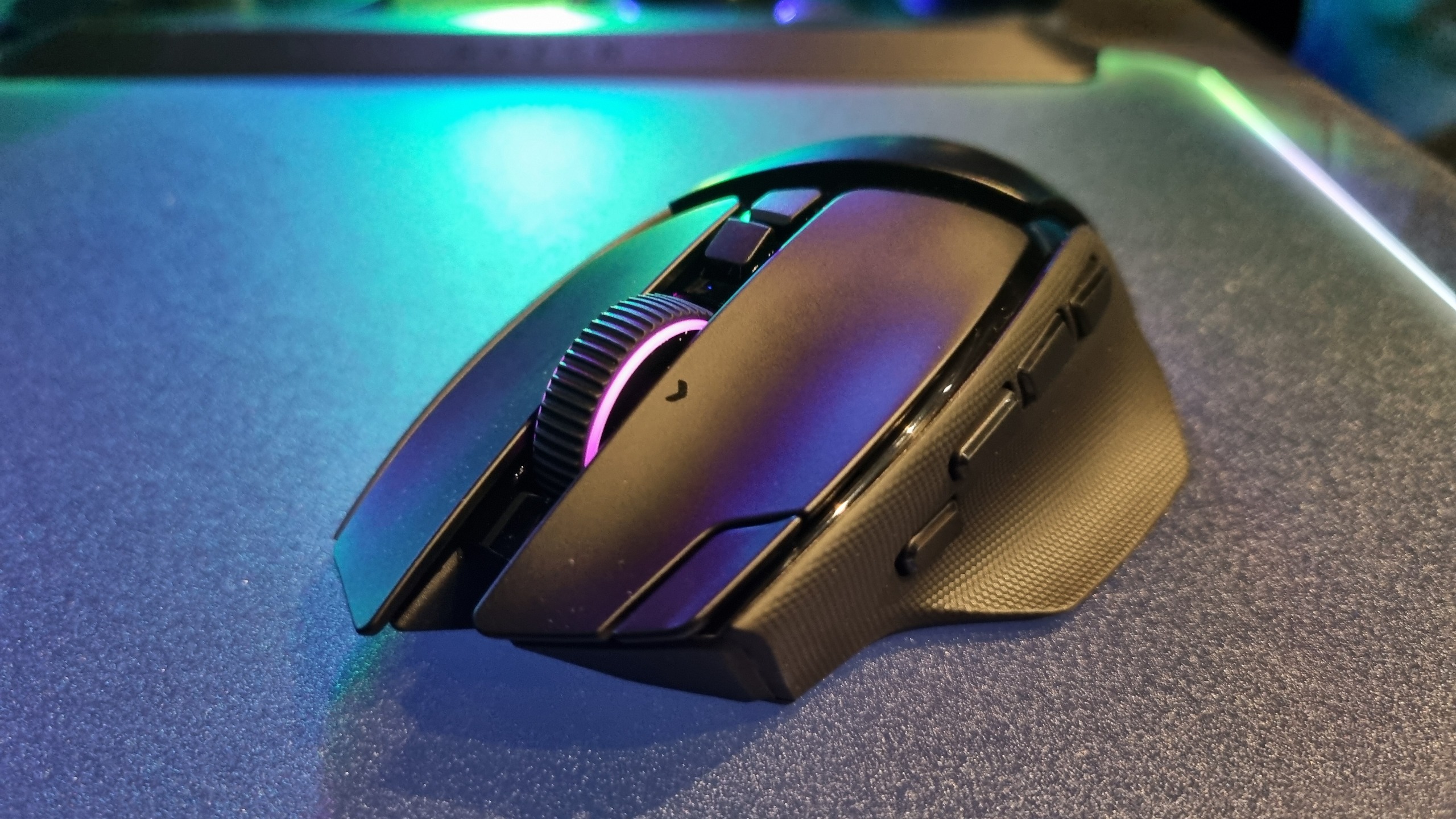
The Razer Basilisk V4 Pro—showcased prominently at Gamescom 2026—is a high-end gaming mouse packed with cutting-edge sensors, customizable ergonomics, and advanced software integration. Among its headline features is the "Perfect 180" macro functionality.
- The Mechanism: Through Razer Synapse software, users can bind a specific command to any button on the mouse. When pressed, the software overrides standard physical input by executing a pre-calculated, ultra-fast rotational sweep that turns the player’s character exactly 180 degrees.
- The Target Audience: Razer’s official marketing material explicitly pitches the feature as a tool "built for low-sensitivity gaming." Low-sensitivity players traditionally require large mousepad real estate and sweeping physical arm movements to turn around quickly. The "Perfect 180" aims to eliminate this physical constraint.
- The Public Reaction: A recent PC Gamer community poll involving hundreds of readers revealed an overwhelming consensus among respondents. When asked whether the feature counts as cheating, 79% of voters answered yes, while only 21% defended the feature as acceptable gaming hardware innovation.
Chronology: A History of Hardware Shortcuts and Quick-Turns
While the "Perfect 180" feels like a radical leap to modern gamers, the concept of hardware-assisted directional snapping is not entirely unprecedented. Examining the historical timeline of gaming peripherals reveals that hardware manufacturers have flirted with similar concepts for over two decades.
1. The Early 2000s: The Microsoft IntelliPoint Era
Seasoned PC veterans may recall a blast from the past when Microsoft dominated the peripheral market. Commenter Fojacko aptly noted during the recent debate, "Welcome to the 2000s, Razer. The Intellipoint software says hi."
Back in the era of Microsoft’s classic gaming mice and the SideWinder series, proprietary IntelliPoint software allowed users to reassign side buttons to perform programmed macro movements, including rapid 180-degree or full 360-degree turns.
2. Why Quick-Turn Faded Away
Despite its existence in early software suites, quick-turn functionality never dominated the competitive mainstream in the 2000s. Why did it fade into obscurity?
- Sensor Limitations: Early optical and laser sensors lacked the polling rates, acceleration curves, and precise lift-off distances required to make macro-driven turns feel natural or reliable.
- Game Engine Constraints: Older multiplayer titles often featured strict anti-cheat or input-smoothing mechanisms that punished artificial mouse acceleration, making scripted spins look jittery and ineffective.
- Cultural Acceptance: Gaming communities placed a higher premium on raw, unadulterated mechanical aim, viewing macro-assisted movement as a novelty rather than a viable competitive advantage.
3. The Modern Resurgence (2026)
Fast forward to Gamescom 2026. With modern sensors boasting polling rates well beyond 8,000Hz, near-zero latency wireless connections, and sophisticated companion software like Razer Synapse, hardware-level macros are infinitely more precise and disruptive. Razer’s reintroduction of the quick-turn concept has successfully modernized a dormant idea—landing it squarely back in the center of a ethical storm.
Supporting Data & Community Discourse
The statistical breakdown of the community poll illustrates a deep ideological divide between casual players, accessibility advocates, and hardcore competitive gamers.
+-------------------------------------------------------------+
| Does Razer's "Perfect 180" Gaming Mouse Feature Constitute  |
|                         Cheating?                           |
+-------------------------------------------------------------+
| YES  [████████████████████████████████████████] 79%         |
| NO   [██████████] 21%                                       |
+-------------------------------------------------------------+
  (Total Respondents: 316)
Beyond the raw percentages, the nuances within the comment sections highlight the complex nature of peripheral-based advantages:
- The Hardline Stance: Many users echoed the sentiment of commenter TrexLaser, who stated bluntly: "Anything that moves the mouse for you is cheating." This perspective defines cheating strictly: if the hardware executes a movement that the user’s hand did not physically track across the mousepad, it violates the integrity of manual input.
- The Anti-Cheat Detection Dilemma: User Terito697174 introduced a critical technical concern regarding anti-cheat verification. In modern tactical shooters, overly snappy, unnatural camera movements are often the primary metric used by both anti-cheat algorithms and human observers to identify aimbots and macro users. If hardware manufacturers begin baking these exact snappy behaviors into official peripheral software, distinguishing legitimate players from malicious cheaters becomes exponentially more difficult.
- The Accessibility Argument: Conversely, some community members offered a more compassionate perspective. Salvador Pardiñas noted: "I can sort of understand it as an accessibility option for people who can’t normally do a 180 by themselves, but other than that it’s just plain cheating."
Official Stance & Product Positioning
The accessibility argument raises an important question: Could the "Perfect 180" be intended as an assistive technology for gamers with physical disabilities, repetitive strain injuries (RSI), or limited range of motion?
If Razer positioned the feature through an accessibility lens, public reception might be markedly different. However, the company’s official product copy tells a different story. On the Basilisk V4 Pro product page, the feature is marketed explicitly as a tactical advantage for "low-sensitivity gaming," designed to eliminate the physical inconvenience of swinging an arm across a massive desk surface.

By framing the tool as a performance enhancement rather than an accessibility accommodation, Razer has positioned the mouse directly in the crosshairs of competitive integrity debates.
Implications for the Future of Competitive Gaming
The fallout from the Basilisk V4 Pro’s "Perfect 180" extends far beyond a single mouse model. It sets a dangerous precedent for the peripheral industry at large.
1. The Arms Race of Hardware Macros
If one major manufacturer successfully introduces automated movement macros into standard driver software without facing immediate backlash from game developers, competitors like Logitech, Corsair, and SteelSeries will feel pressured to follow suit. This could trigger an escalating hardware "arms race," where mice no longer just track movement accurately, but actively execute complex game actions on behalf of the user.
2. Developer Backlash and Software Restrictions
Game developers—particularly those managing competitive tactical shooters like Counter-Strike 2, Valorant, and Call of Duty—may take matters into their own hands. We could soon see anti-cheat software expanding its purview to scan active peripheral drivers, automatically blacklisting mice or keyboard software that features automated macro execution.
3. The Redefinition of Fair Play
Ultimately, the "Perfect 180" forces the gaming community to confront an uncomfortable philosophical question: Where do we draw the line?
- We accept mechanical keyboards with rapid-trigger switches.
- We accept mice with adjustable weight systems and custom DPI clutches.
- But when hardware begins to physically move our view models and execute complex spatial maneuvers at the touch of a single button, we step away from traditional gaming peripherals and enter the territory of assisted automation.
As multiplayer competitors load into matches with the Razer Basilisk V4 Pro, opponents will be left wondering whether a lightning-fast turnaround was the result of raw human reflexes or silicon-driven assistance. As one gamer wryly noted, "I know what mouse you use… How on earth am I supposed to compete with that?"

