

Main Facts
The video game industry was rocked earlier this week when Electronic Arts (EA) officially shuttered BioWare, effectively ending the legacy of one of the most celebrated role-playing game (RPG) developers in history. The closure abruptly halted all active projects at the studio, most notably the highly anticipated next installment in the Mass Effect franchise, tentatively referred to as Mass Effect 5 or Mass Effect Universe.
Following the studio’s closure, an early-development concept trailer for the game leaked online, offering a tantalizing glimpse at a visually striking project. Shortly after the leak, YouTuber and former Mass Effect community council member "Dantics" stepped forward to reveal comprehensive details regarding the title’s narrative, gameplay mechanics, and overarching design philosophy. According to insider disclosures, the game was slated to take place over six centuries after the devastating Reaper War, casting players as a customizable N7 operative operating within a tense, politically fractured galaxy.
While Dantics’ role on the community council has not been formally verified by corporate channels, industry observers note his prominent connections to key BioWare personnel—including project lead Michael Gamble—lending substantial credibility to the leaks. The revelation of what Mass Effect 5 could have been has transformed mourning over BioWare’s demise into frustration over a lost creative vision that many fans argue was tailored precisely to their desires.
Chronology of Events
The timeline leading up to the sudden demise of BioWare and the subsequent revelation of Mass Effect 5’s design document traces a turbulent era for both the studio and its parent corporation, EA.
- February 2022: BioWare officially confirms that the next chapter in the Mass Effect franchise is in early pre-production, utilizing community feedback councils to guide the foundational design.
- Late 2023 – 2024: Development ramps up under the guidance of project lead Michael Gamble. Concurrently, the studio funnels heavy resources into completing Dragon Age: The Veilguard, a title that receives a polarized reception upon launch.
- Early 2025: Conceptual milestones for Mass Effect 5 are locked in. The narrative structure, centered around a post-Reaper galactic Cold War and a blend of John Wick-style espionage action with classic RPG progression, is vetted by selected community council members.
- October 2026: Electronic Arts stuns the gaming world by announcing the immediate closure of BioWare, terminating remaining staff and canceling all ongoing projects.
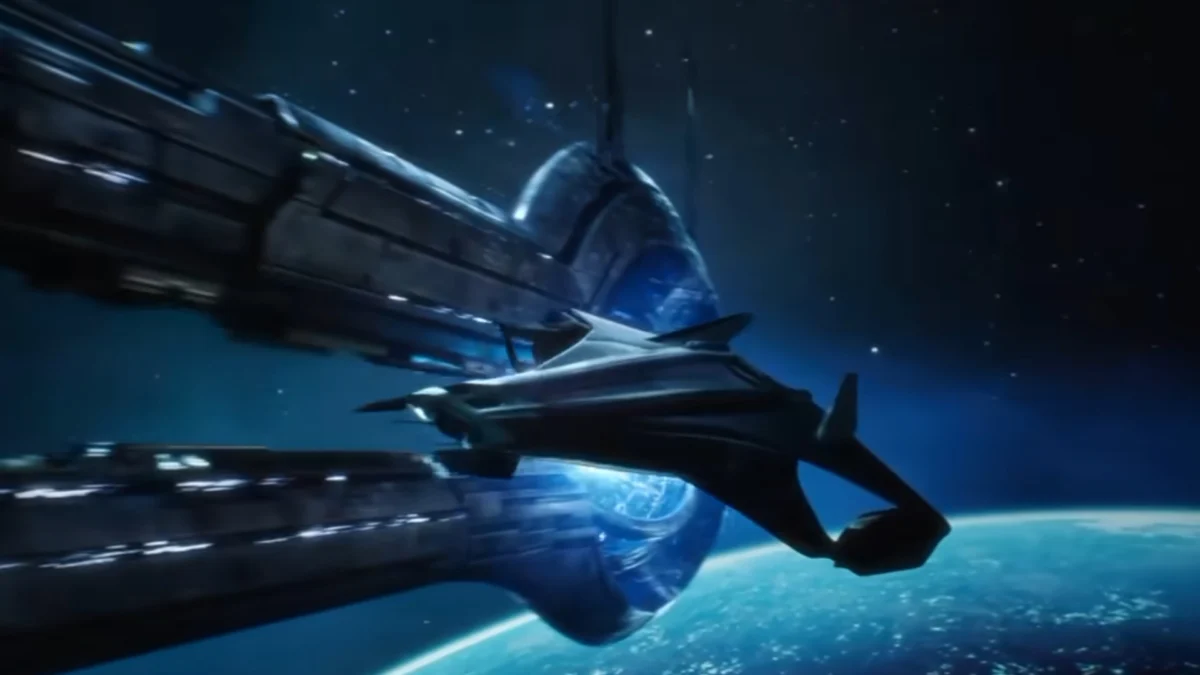
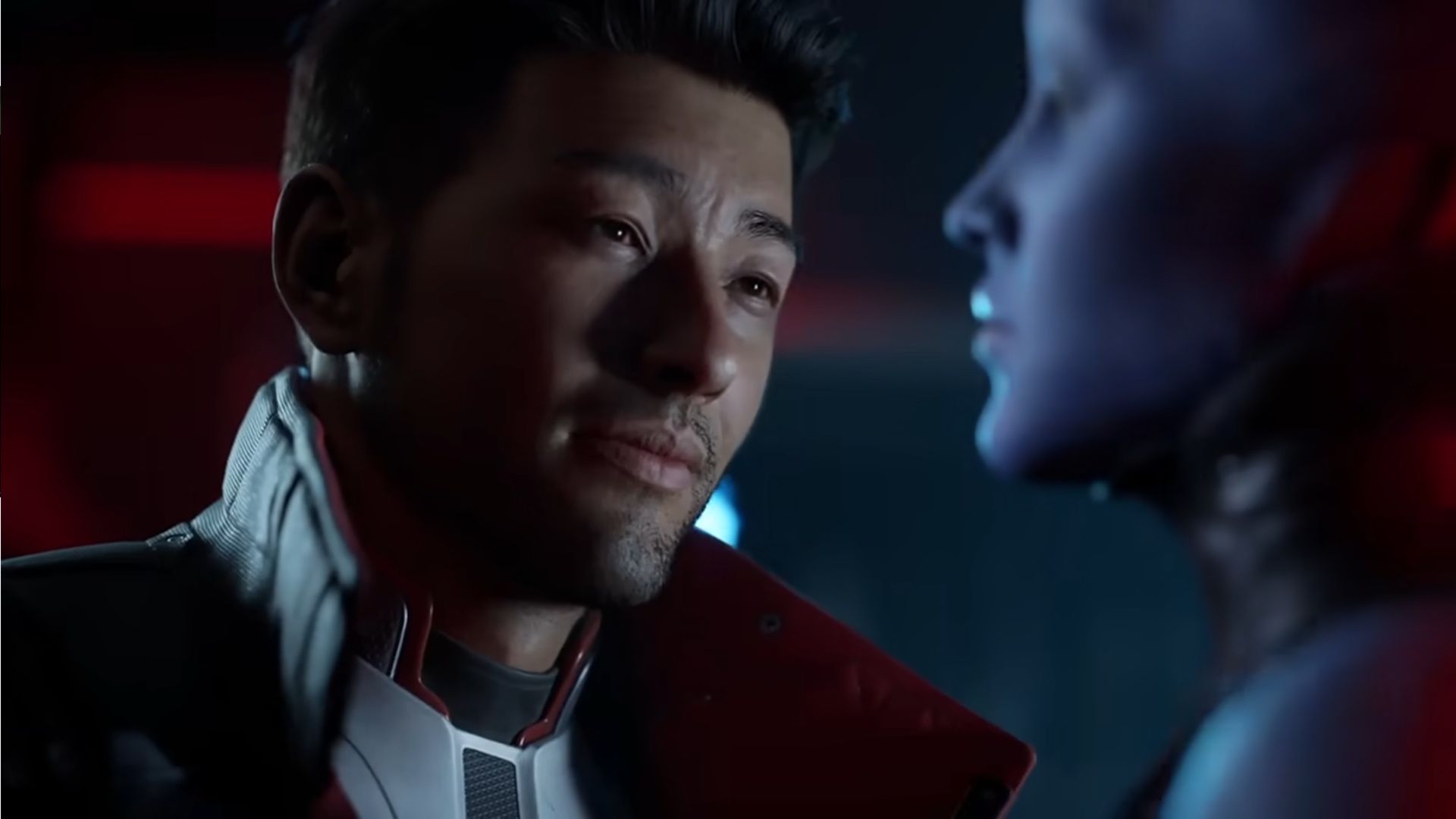
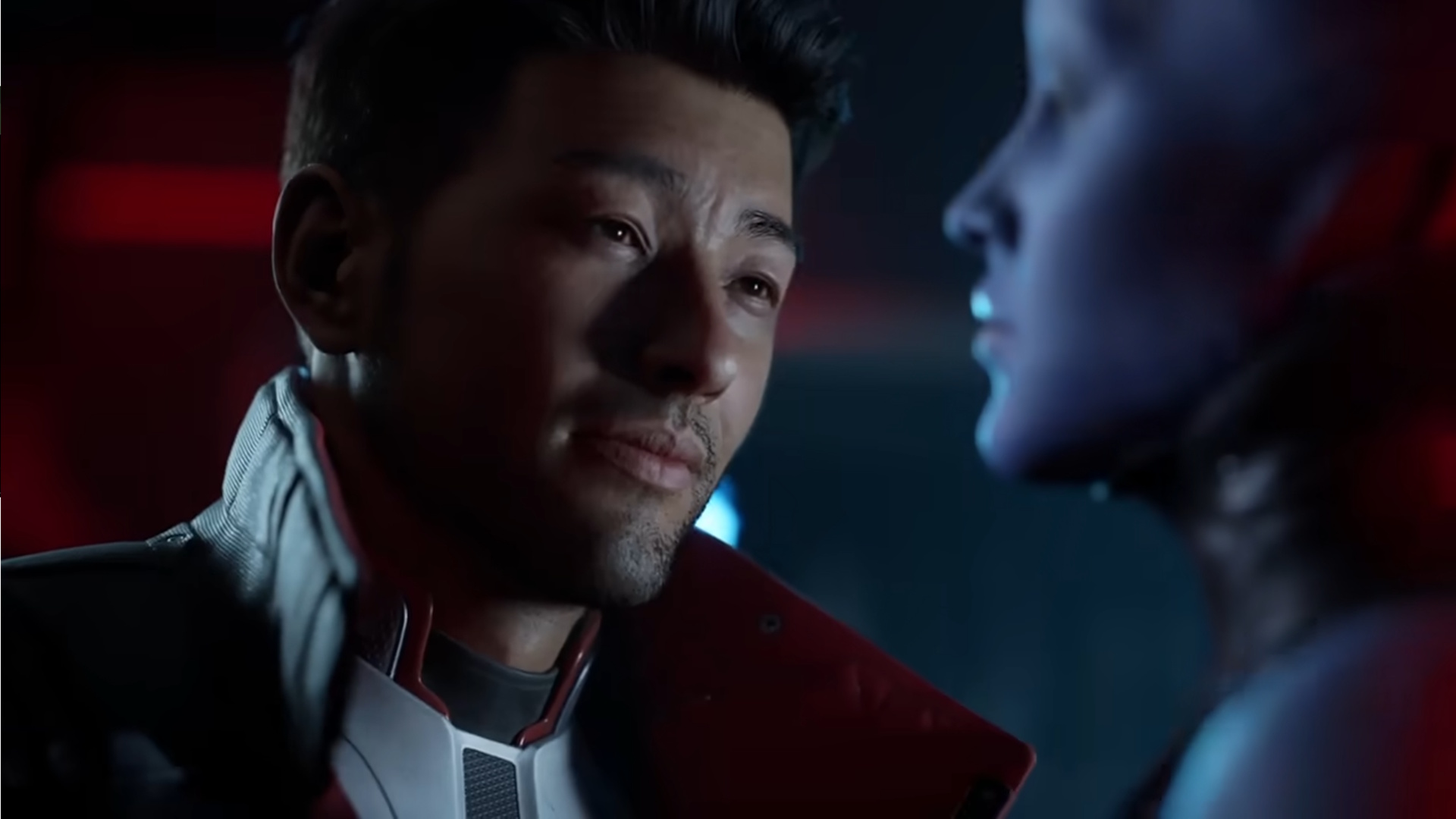
- Days Following Closure: An early, low-resolution concept trailer for Mass Effect 5 leaks online, showcasing sleek ship designs, high-fidelity environments, and atmospheric tone.
- Late October 2026: YouTuber Dantics breaks NDA-style silence on social media and video platforms, publishing an exhaustive breakdown of the mechanics, faction dynamics, and narrative direction planned for the canceled sequel.
Supporting Data: The Mechanics and Lore of a Lost Universe
According to the leaked design breakdown provided by Dantics, BioWare’s unreleased project was designed to bridge the gap between classic Mass Effect storytelling and modern, systemic action gameplay. Key pillars of the aborted title included:
- Temporal Setting: Set over 600 years after the events of the original trilogy, placing it far enough in the future to render the existential threat of the Reapers obsolete as "outdated technology."
- Protagonist and Combat: Players would control a customizable N7 agent equipped with experimental cybernetics. Combat design abandoned the traditional "walking gun rack" archetype in favor of a dynamic hybrid of John Wick and James Bond—featuring brutal close-quarters executions, environmental hacking, and hazard manipulation.
- Factional Landscape: The Milky Way galaxy was divided into three primary power blocs:
- An alliance of Humanity, the Krogan, and the Batarians.
- A traditional bloc of Council Races (Asari, Salarians, and Turians).
- The Geth, who had evolved into a massive technological superpower operating vast megastructures.
- Interstellar Connections: The narrative actively bridged the Milky Way and Andromeda galaxies, acknowledging the broader scope of the universe.
- Player Choices: The game handled the infamous endings of Mass Effect 3 by treating them as historical context rather than absolute canon. Cybernetic prevalence reflected elements of the "Synthesis" ending, while Shepard’s physical legacy had faded into history, preserving the weight of individual player choices.
- Companion and Romance Systems: Squadmates possessed autonomous AI behaviors capable of direct interpersonal conflict, while romantic options were designed with mature, unfiltered depth, taking cues from contemporary benchmarks like Baldur’s Gate 3. Fan-favorite character Liara was set to return as an immensely powerful Asari Matriarch.
Official Responses and Industry Reaction
The closure of BioWare has elicited swift and emotional responses from across the video game landscape, uniting developers, journalists, and politicians alike in dismay.
Electronic Arts has maintained a relatively corporate posture regarding the shutdown, framing it as part of a broader restructuring effort aimed at optimizing operational efficiency and focusing internal resources on live-service and globally scalable intellectual properties. Executives have declined to comment specifically on the leaked Mass Effect 5 materials or the specifics of the development cycle under Michael Gamble.
Meanwhile, the political sphere has unexpectedly entered the conversation. In Canada, where BioWare’s Edmonton headquarters was a cornerstone of the domestic tech sector, regional politicians have publicly called on the federal government to explore intervention strategies. Proposals have included financial backing to help displaced BioWare employees orchestrate a buyout of the studio, though industry analysts view such a systemic turnaround as a long shot.
On social media, former developers and community figures have expressed grief over the loss of years of creative labor. While many fans initially feared that Mass Effect 5 would double down on the divisive elements of Mass Effect: Andromeda, the emerging details painted a picture of a studio aggressively pivoting to satisfy its core demographic.
Implications for the Industry and the Mass Effect IP
The demise of BioWare and the shelving of Mass Effect 5 carry profound implications for the future of AAA single-player role-playing games, corporate consolidation, and intellectual property management.
1. The Erosion of Legacy Studios
BioWare joins a growing list of legendary development houses—such as Visceral Games, Looking Glass Studios, and Westwood Studios—absorbed and ultimately dissolved by massive parent publishers. This trend highlights the precarious nature of creative artistry within publicly traded conglomerates, where even critically revered brands are vulnerable to shifting market dynamics and quarterly profit demands.
2. The Future of the Mass Effect Franchise
With EA holding the intellectual property rights and showing no immediate interest in licensing or selling the Mass Effect universe, the franchise effectively enters indefinite hibernation. The leak of the Mass Effect 5 concept trailer and Dantics’ disclosures serve as a bittersweet epitaph. They prove that the creative talent at BioWare understood what fans wanted—a mature, grounded space opera balancing political intrigue with visceral action—yet demonstrate how fragile these multi-million-dollar visions truly are.

3. Preservation of Unreleased Media
The incident also underscores the shifting nature of video game preservation in the digital age. Leaks of conceptual builds, design documents, and internal pitches are increasingly becoming the only historical record left behind when major studios are abruptly liquidated. For millions of players who grew up exploring the cosmos alongside Commander Shepard, the realization that this universe may never expand further marks the true end of an era in interactive storytelling.

