

Main Facts: The Anatomy of the Contemporary Video Game Industry Crisis
The modern video game industry is currently navigating one of the most turbulent and punishing economic landscapes in its history. Despite generating billions of dollars in annual revenue—outpacing both the global film and music industries combined—the sector is gripped by an unprecedented wave of corporate consolidation, skyrocketing hardware costs, and sweeping, devastating layoffs.
Major publishers and platform holders have shed thousands of jobs over the past two years. Structural changes, shifting investment priorities, and the sudden redirection of venture capital have left developers facing an existential threat. Among those speaking out about this systemic volatility is industry veteran Tim Cain, the co-creator of the original Fallout. In a recent YouTube video, Cain offered a sobering, unfiltered assessment of the current state of affairs, arguing that while today’s crisis is uniquely severe, it is merely the latest manifestation of an inherently unstable business model.
According to Cain, the industry’s current woes stem from a toxic combination of post-pandemic financial corrections, aggressive corporate over-expansion, and soaring hardware expenses driven largely by the insatiable resource demands of artificial intelligence (AI) data centers. Furthermore, as investors pull capital out of the gaming sector—and in some cases, out of the United States entirely—studios are being forced into aggressive contractions, resulting in widespread layoffs that have upended the lives of thousands of skilled professionals.
Chronology: How the Industry Spiraled Into Chaos
To understand how the video game industry reached its current precipice, it is necessary to examine the timeline of events that fueled the boom and subsequent bust over the past decade.
2020–2021: The Pandemic-Era Gold Rush
During the global COVID-19 pandemic, homebound populations turned to video games in record numbers. Daily active users, digital sales, and microtransaction revenues skyrocketed to unprecedented heights. Flush with cheap capital and artificially inflated demand, venture capitalists and major publishers engaged in reckless, hyper-optimistic investment sprees. Studios went on massive hiring binges, greenlighting numerous risky projects under the assumption that pandemic-era growth curves would continue indefinitely.
2022–2023: The Bubble Bursts and Corrections Begin
As global economies reopened and inflation spiked, consumer spending habits normalized. The skyrocketing revenues of the lockdown era plateaued or declined. Concurrently, interest rates rose globally, making cheap capital a thing of the past. Investors abruptly pulled back from high-risk sectors, leaving major gaming conglomerates exposed. Corporate boards mandated immediate financial corrections, sparking the first major waves of studio closures and workforce reductions.
2024–Present: The "RAMpocalypse," AI Interference, and Mass Layoffs
The crisis intensified dramatically as hardware and infrastructure costs soared. The rapid global expansion of generative AI required massive investments in microchips, RAM, and high-performance data centers. This created a severe component shortage—dubbed by industry analysts as the "RAMpocalypse"—which drove up the cost of memory and storage globally.
Simultaneously, major layoffs became a weekly occurrence. Companies like Microsoft’s Xbox division slashed thousands of jobs and shuttered multiple established internal studios. What began as a routine market correction transformed into a systemic crisis, casting a long shadow over the future stability of game development as a viable, long-term career path.
Supporting Data: The Economics of Instability
The sheer scale of the video game industry’s recent contraction is captured by striking metrics across employment, hardware costs, and corporate restructuring:
- Massive Job Losses: Over the past 24 months, tens of thousands of developers, artists, writers, and QA testers have lost their jobs across major and independent studios alike. Notably, Microsoft’s Xbox division alone made headlines by laying off roughly 3,200 employees and abruptly shutting down four separate development studios in a single sweep.
- The AI Component Squeeze: The explosive growth of AI technology has drastically altered hardware economics. High-bandwidth memory, enterprise-grade GPUs, and server storage components have been heavily monopolized by tech giants building AI infrastructure. This supply-chain strain has filtered down to consumer hardware and developer kits, driving up the baseline cost of production.
- Capital Flight: Venture capital funding for independent and mid-tier video game studios has plummeted by more than 50% from its 2021 peak, as investors redirect funds toward enterprise tech, AI startups, and international markets outside the United States.
- Historical Precedents: To put the current downturn in perspective, analysts point to historical precedents such as the catastrophic North American video game crash of 1983. That event wiped out the first generation of home console gaming due to market saturation, poor quality control, and loss of consumer trust—proving that the industry has always been vulnerable to catastrophic boom-and-bust cycles.
Official Responses and Perspectives: Tim Cain and the Labor Movement
The industry’s downward spiral has triggered starkly contrasting responses from corporate leadership, veteran developers, and emerging labor unions.
Tim Cain’s Realist Warning
In his viral video analysis, Tim Cain did not sugarcoat the reality facing modern developers. While offering reassurance that the current wave of layoffs will eventually pass, he delivered a stark warning to newer entrants in the workforce.
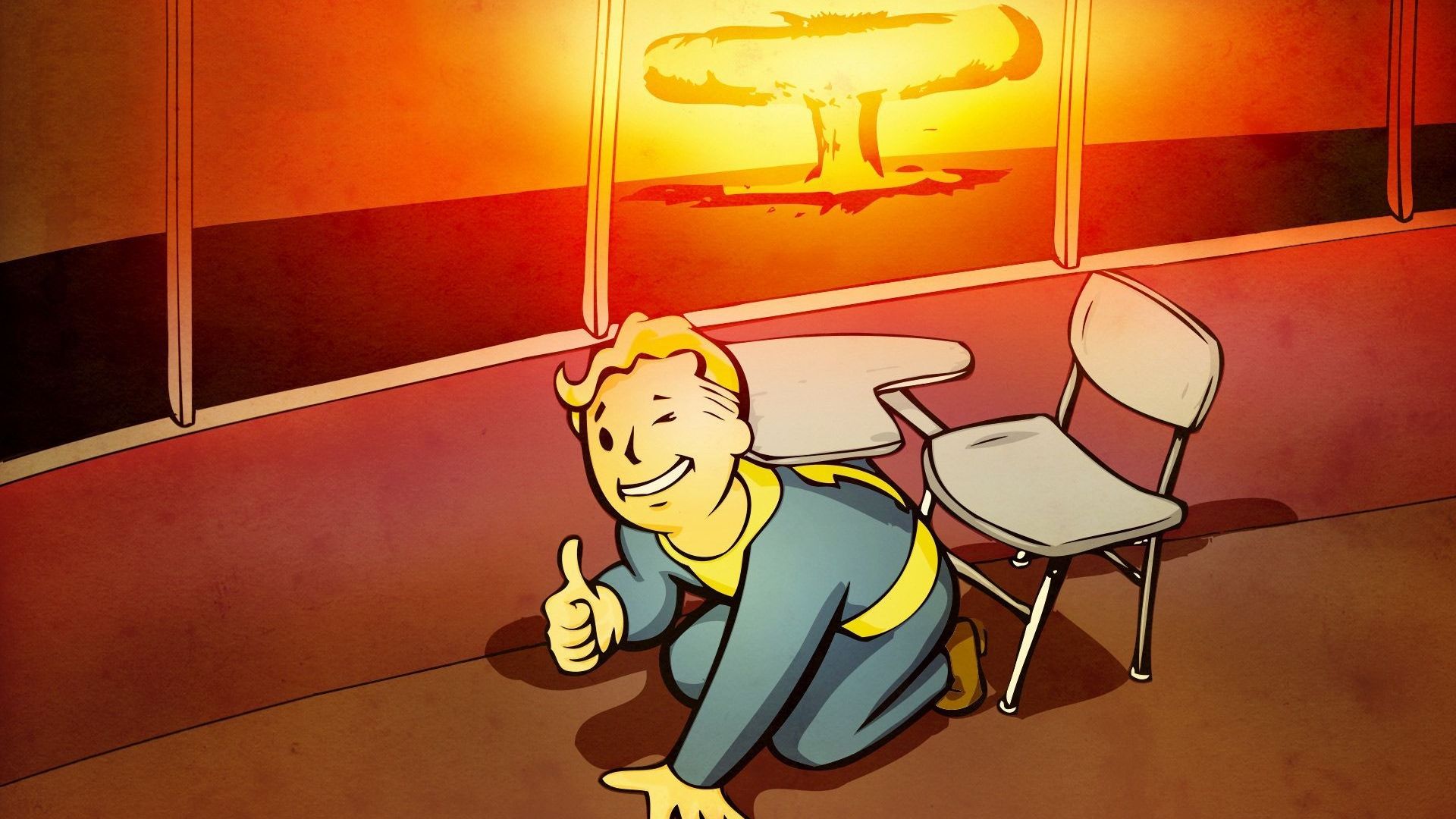
"If you’re somebody who got into the games industry in that time period, in the last five or 10 years, and you thought it was going to be a stable job that would see through 30 or 40 years, you assumed incorrectly. You’re wrong," Cain stated.
Cain dismissed the idea that a decades-long career path like his own represents a reliable blueprint for newcomers, attributing such longevity to "survivorship bias." Because video games exist at the volatile intersection of cutting-edge technology and subjective art—both of which undergo radical, unpredictable shifts—Cain argued that instability is a permanent, structural feature of the industry rather than a temporary bug. For workers hoping to weather the storm, he advised either developing an eclectic, adaptable skill set or hyper-specializing to become indispensable within a specific, high-demand niche.
The Rise of Game Industry Labor Organizing
While veterans like Cain view market volatility as an immutable law of nature, a new generation of workers is actively fighting to legislate and negotiate stability into existence. The labor rights movement within the games industry has achieved monumental milestones in direct response to corporate precarity and union-busting.
Recently, workers at Blizzard Entertainment successfully ratified what the Communications Workers of America (CWA) hailed as a "breakthrough first contract" covering development teams and shared services across the studio. This historic agreement established formalized protections regarding wages, benefits, and layoffs.
Simultaneously, international labor groups have stepped up to combat corporate retaliation. In the United Kingdom, the Independent Workers of Great Britain (IWGB) has rallied heavily in support of former Rockstar Games employees. Rockstar has faced intense legal scrutiny and public backlash following allegations of union-busting and wrongful terminations ahead of the release of Grand Theft Auto VI. A UK tribunal recently allowed fired workers to advance every single one of their union-busting allegations to trial, setting a high-stakes legal precedent for labor rights in European game development.
Implications: Where Does the Industry Go From Here?
The convergence of economic correction, technological displacement, and rising labor consciousness carries profound implications for the future of interactive entertainment.
The Death of Job Security
The era of the predictable, stable 30-year career in game development—if it ever truly existed outside of major legacy strongholds—is effectively over for the foreseeable future. Developers entering the workforce today must adopt a mercenary mindset, preparing for cyclical layoffs, sudden studio closures, and the necessity of continuous professional reinvention.
Changing Creative Risk Appetites
As corporate parent companies demand safer, high-yield returns to appease risk-averse investors, the financial runway for mid-budget ("AA") games and bold, experimental intellectual properties is rapidly shrinking. Studios are increasingly pressured to rely on safe sequels, live-service models, and franchise milking. Paradoxically, this conservative approach risks alienating consumers, potentially exacerbating the long-term sales slowdowns that triggered the layoffs in the first place.
The Institutionalization of Labor Unions
The existential threat of sudden unemployment has acted as the ultimate catalyst for unionization. No longer viewed as an anomaly, game worker unions are becoming institutionalized power players. As legal victories like those at Blizzard and ongoing legal battles at Rockstar set international precedents, studio executives can no longer treat workforce reductions as consequence-free cost-cutting measures.
Ultimately, the video game industry is undergoing a painful, adolescent growing pain. As Tim Cain noted, the storm will eventually pass—but until structural reforms take root, the lightning will inevitably strike again.

