


By Global Gaming Desk
Updated: September 2026
Main Facts: A Convergence of Crises at PlayStation
The video game industry operates on high stakes, razor-thin margins, and long-term bets that can take half a decade to materialize. Yet, few eras in modern console history have witnessed such a rapid, self-inflicted unraveling of market dominance as the one currently facing Sony Interactive Entertainment.
In a turbulent 24-hour window in September 2026, the cracks in the PlayStation 5 generation widened into chasms. First came the stunning corporate split with legendary auteur Hideo Kojima, resulting in Sony unexpectedly dropping publishing rights for Physint—his heavily anticipated spiritual successor to Metal Gear Solid. Worse yet, the project was immediately scooped up by rival Microsoft as an Xbox-backed endeavor.
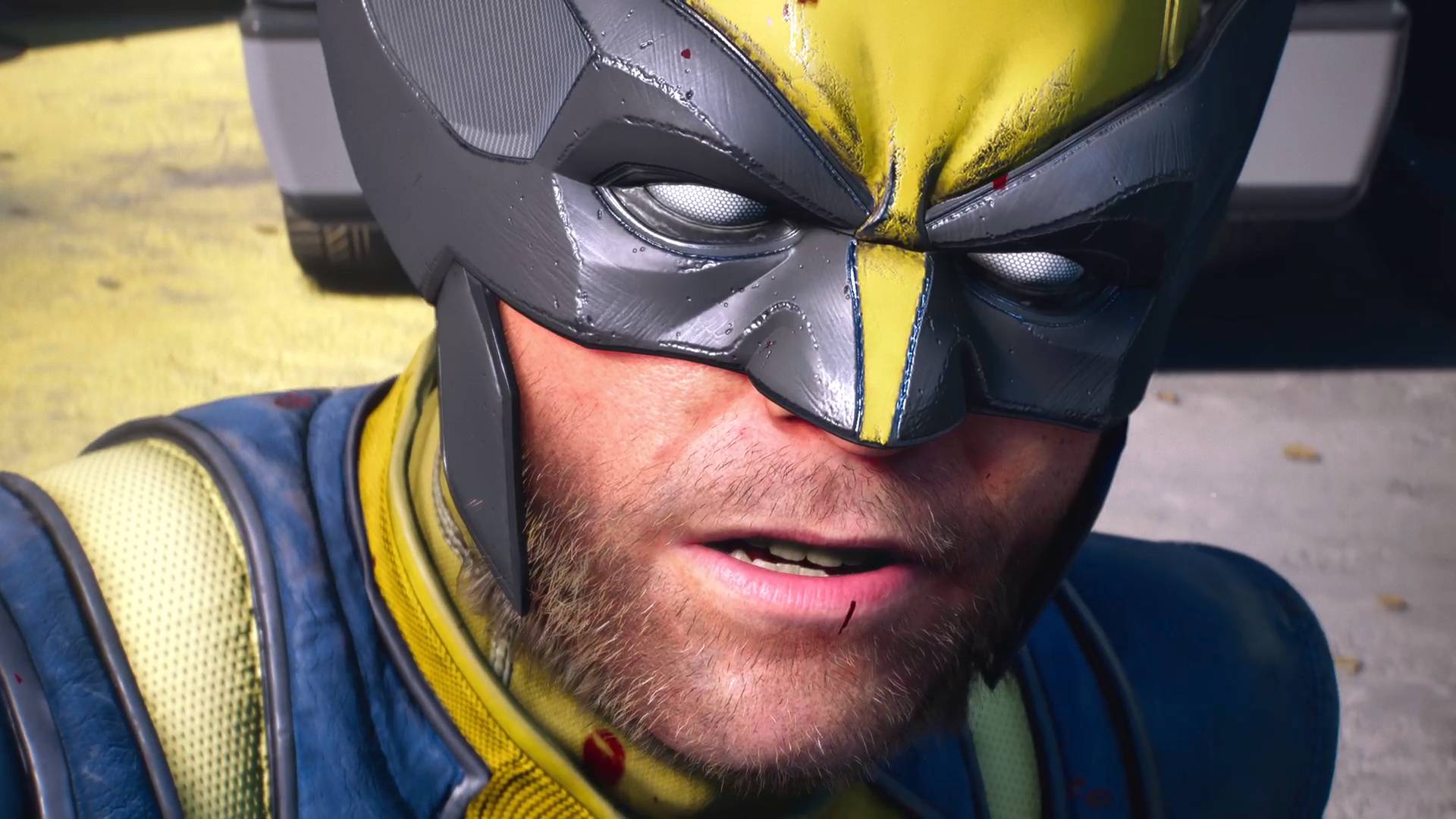
Less than 24 hours later, the critical reception for Insomniac Games’ Marvel’s Wolverine dropped across the globe. While not a catastrophic disaster, the title debuted as the lowest-reviewed game from the acclaimed studio in over a decade. For a platform plagued by a critically thin catalog of true system-selling exclusives, rising hardware pricing models, and a broader strategic pivot away from traditional single-player software strength, the timing could not have been more damaging.

Sony now finds itself navigating a profound identity crisis. Once heralded as the undisputed king of prestige, story-driven console experiences, the corporate architecture of PlayStation is struggling under the weight of misallocated resources, aborted live-service experiments, and a growing disconnect between corporate monetization goals and consumer goodwill.
Chronology: The Timeline of a Double Blow
To understand how PlayStation arrived at this precarious juncture, one must trace the compounding sequence of events that defined the early-to-mid lifecycle of the PS5 generation.
- The Live-Service Gold Rush (2020–2023): Encouraged by the monumental, perpetual revenues of titles like Fortnite and Destiny 2, Sony leadership mandated a massive corporate pivot. Historically single-player-focused studios—including Naughty Dog, Insomniac, Bend Studio, and Bluepoint—were funneled into developing multiplayer, live-service titles. The high-profile acquisition of Bungie in 2022 for $3.6 billion was meant to serve as the guiding star for this new commercial era.
- The Collapse of the Multiplayer Fleet (2023–2025): Reality quickly set in. As development costs ballooned, internal player tests yielded poor results. Sony was forced to quietly cancel multiple live-service projects, shutter studios like Firewalk, and scale back ambitions for others (such as Guerrilla’s rumored multiplayer Horizon project). Billions of dollars and critical years of development time evaporated into dead assets.
- Hardware Inflation and Pricing Backlash (2024–2026): Amid stagnant hardware growth in a mature market, Sony attempted to protect profit margins through aggressive hardware pricing strategies. The introduction of iterative hardware like the PS5 Pro—retailing at exorbitant price points close to $900 in various global regions—alienated segments of the core consumer base. Simultaneously, policies surrounding physical media support and cross-platform accessibility began shifting inward.
- September 9, 2026 – The Physint Defection: Late in the evening, industry reports confirmed that Sony had walked away from funding and publishing Physint, Kojima Productions’ high-profile return to stealth-action. In an astonishing twist, Microsoft stepped in to secure the project for Xbox, highlighting a dramatic role-reversal in third-party publisher relations.
- September 10, 2026 – The Wolverine Reality Check: The morning after the Physint fallout, review embargoes for Insomniac’s Marvel’s Wolverine lifted. Metacritic aggregates confirmed it as Insomniac’s worst-reviewed title in ten years, leaving a gaping hole where PlayStation desperately needed an undeniable, generation-defining blockbuster.
Supporting Data: By the Numbers
An examination of financial metrics and industry data illuminates the structural pressures weighing down the PlayStation ecosystem:
- The Exclusive Drought: Unlike the PlayStation 4 era—which boasted a dense, continuous pipeline of critically acclaimed first-party tentpoles (God of War, Spider-Man, Bloodborne, Horizon Zero Dawn)—the PS5 generation has seen major first-party releases spaced significantly further apart. The reliance on cross-gen titles in early years severely hampered the perception of genuine generational advancement.
- Live-Service Write-Offs: Financial analysts estimate that Sony’s cumulative investments and subsequent write-offs tied to cancelled live-service initiatives exceed the cost of acquiring multiple AAA development studios. Resources that could have funded three to four traditional single-player narrative titles were instead poured into multiplayer prototypes that never saw the light of day.
- The MAU Pivot: During recent investor briefings, Sony executives emphasized that selling raw console hardware is no longer the primary corporate north star. Instead, the focus has shifted entirely toward monetizing the existing base of approximately 125 million monthly active PlayStation Plus users, driving up subscription tiers, and squeezing higher yields from a static hardware footprint.
- Critical Reception Delta: While previous tentpole releases from Insomniac Games comfortably hovered in the mid-to-high 80s and low 90s on Metacritic, Marvel’s Wolverine landed significantly lower. While commercially viable due to IP strength, its critical performance underscored fatigue and systemic production strain within developer pipelines.
Official Responses and Industry Reactions
The unprecedented nature of the Physint migration to Xbox has sent shockwaves through the video game development community. Industry veterans have voiced bewilderment at Sony’s willingness to sever ties with one of the medium’s most bankable creative forces.
Former high-ranking PlayStation executives expressed open surprise, noting that maintaining a relationship with Hideo Kojima—especially following the critical and cultural footprint of the Death Stranding franchise—should have been an unassailable priority for a platform looking to retain prestige.
Meanwhile, Microsoft’s gaming division has utilized the opening to project stability. By offering a hospitable environment for high-end cinematic projects like Physint, Xbox has successfully countered the persistent narrative of industry contraction and studio closures that dogged its own previous fiscal years.
Sony, for its part, has maintained a guarded corporate silence regarding the specifics of the Kojima Productions split. Public statements from PlayStation leadership continue to emphasize "disciplined capital allocation" and a focus on long-term portfolio sustainability, though these talking points have done little to quell public skepticism.
Implications: What This Means for the Future of PlayStation
The convergence of the Physint departure and the lukewarm reception of Marvel’s Wolverine represents far more than a bad 48 hours for Sony Interactive Entertainment. It serves as an unmistakable inflection point for the entire brand.

1. The Cost of Strategic Misdirection
PlayStation spent the first half of the 2020s chasing the elusive, hyper-lucrative dragon of the live-service market. By attempting to replicate external multiplayer successes, Sony starved its premier single-player infrastructure of support, leading to overextended development timelines, studio burnout, and creative fatigue.
2. Diminished Publishing Leverage
For decades, third-party creators viewed PlayStation as the natural, premier home for prestige console gaming. By letting a creator of Hideo Kojima’s stature walk directly into the arms of a primary competitor, Sony has signalled to the development community that long-standing partnerships can be abruptly discarded over short-term risk calculations. This creates a dangerous precedent for future third-party exclusivity deals.
3. A Culture of Consumer Frustration
Hardware price hikes, an uncertain stance on physical game preservation, a scaled-back PC support strategy, and an over-reliance on microtransactions and subscription tier monetization have strained consumer loyalty. When a platform’s ecosystem becomes defined by paying more for fewer games, even traditionally bulletproof releases like an Insomniac superhero game are forced to shoulder an unfair burden of expectation.
As the industry looks toward the horizon—pinning its hopes on upcoming titles like God of War: Laufey and Intergalactic: The Heretic Prophet—Sony must fundamentally re-evaluate its playbook. The era of unassailable PlayStation dominance cannot be sustained purely through aggressive monetization of a captive audience. Unless leadership pivots back to fostering creative freedom, robust single-player pipelines, and stable developer partnerships, the remainder of the console generation risks being defined not by triumphs, but by missed opportunities.

