As artificial intelligence continues its aggressive and pervasive expansion into nearly every facet of modern media, the video game industry finds itself standing at a precarious crossroads. From the implementation of algorithmic voice acting in major annual franchises like NHL to the controversial deployment of machine learning in titles like Arc Raiders, the footprint of AI is undeniable. Yet, while corporate boardrooms increasingly view these technologies as a silver bullet for surging development budgets and workforce reductions, industry veterans are pushing back.
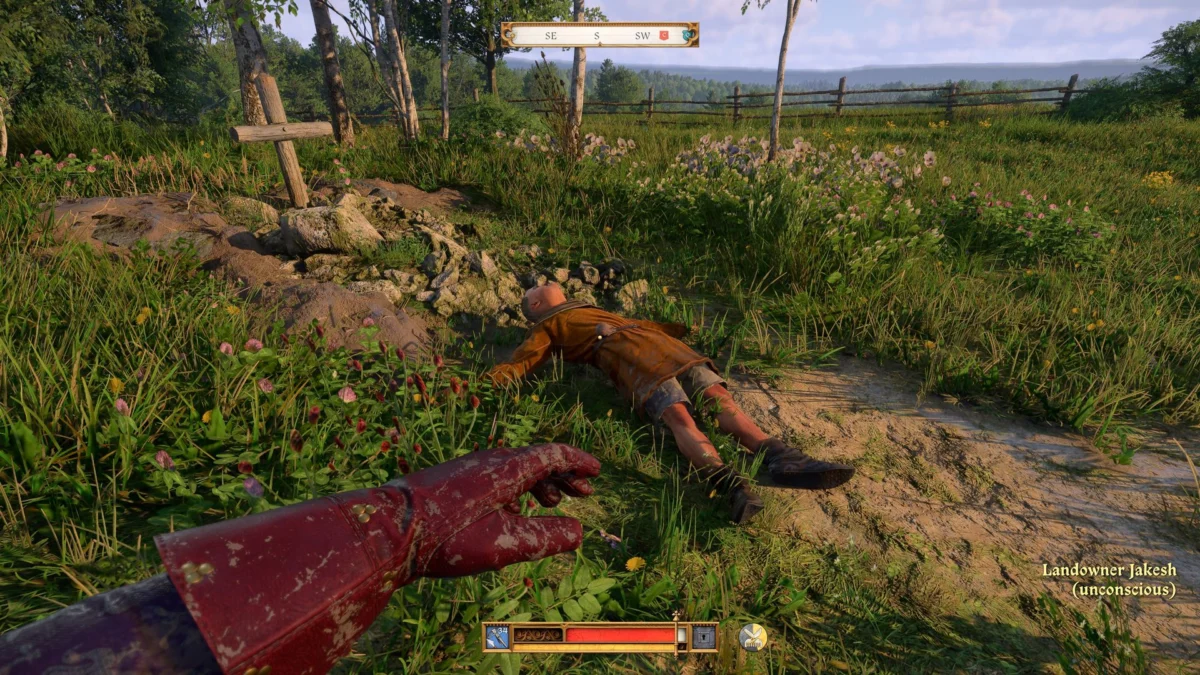
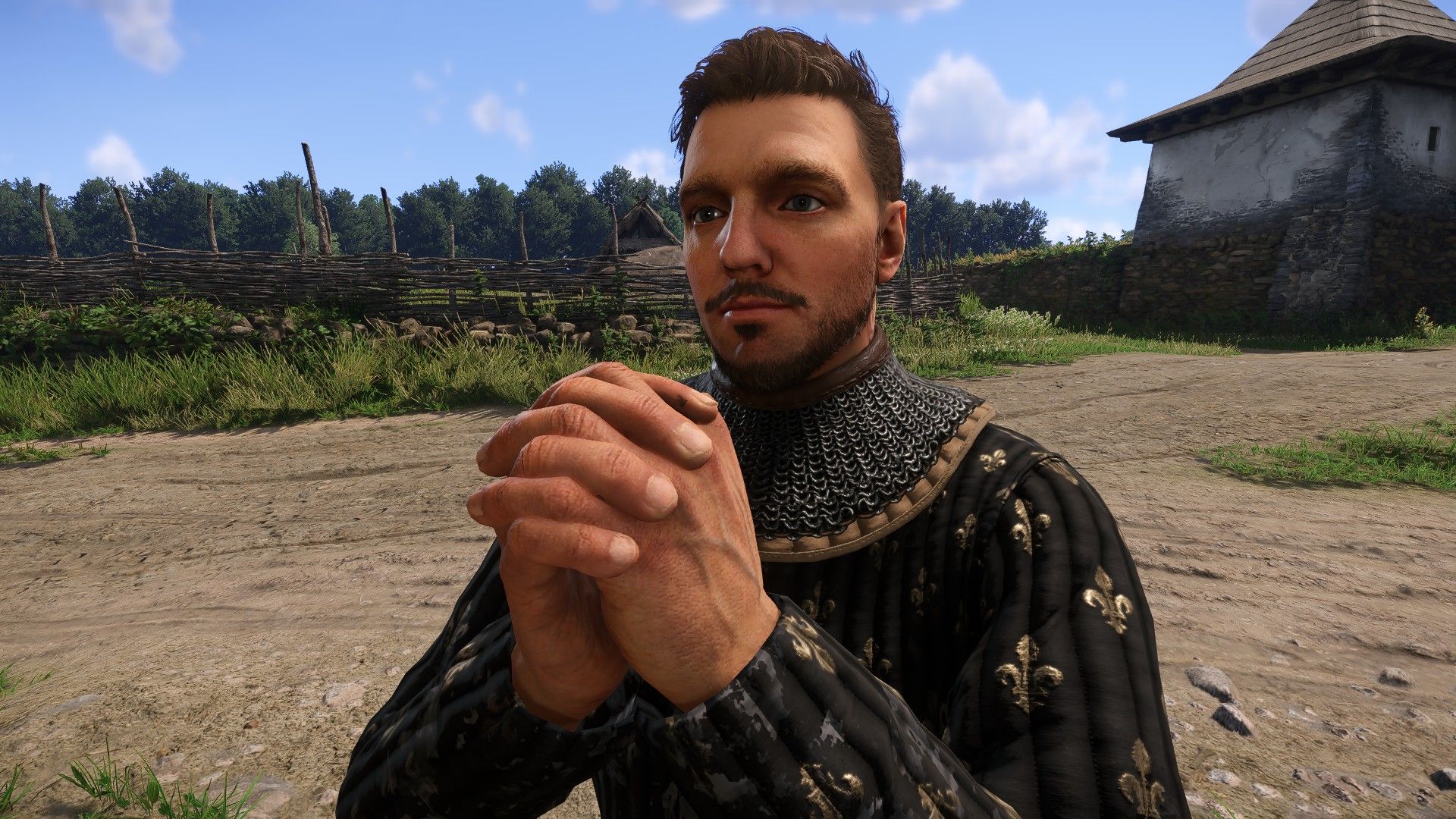
Martin Klíma, the co-founder of Warhorse Studios—the acclaimed developer behind the historically immersive Kingdom Come: Deliverance series—has issued a stark warning to gaming executives. According to Klíma, the prevailing corporate fantasy that artificial intelligence can simply replace human labor to slash expenses is fundamentally flawed, dangerously misunderstanding both the capabilities of the technology and the actual desires of the modern gaming audience.
Main Facts: The Reality Behind AI Implementation in Game Development
The intersection of generative artificial intelligence and video game production has become one of the most contentious issues in the entertainment sector. For months, the industry has reeled from a seemingly endless wave of studio closures and mass layoffs—a crisis that many labor advocates and insiders attribute, at least in part, to corporate investments in generative tools. The underlying executive logic is straightforward, albeit cynical: why retain expensive human talent when automated systems can generate code, art assets, and dialogue at a fraction of the cost?
However, this transactional perspective overlooks the mechanical and creative realities of software engineering. Klíma argues that executives are operating under a "very simplified mental model" of how artificial intelligence functions. Rather than serving as a direct, one-to-one substitute for human creativity, AI remains a brittle and often unpredictable tool.
The debate touches on a critical philosophical division within the industry:
- The Cost-Cutting Imperative: Major publishers see AI as a way to shrink development teams, lower overhead, and accelerate production cycles.
- The Scale and Scope Argument: Independent and veteran developers, conversely, argue that AI should be viewed as an amplifier rather than a replacement—a tool to manage exhausting, repetitive busywork so human creators can focus on complex innovation.
Chronology: How AI Integration and Industry Layoffs Converged
To understand the current tension surrounding artificial intelligence in game development, it is necessary to examine how the tech boom coincided with economic instability across the sector:
- Late 2022 to 2023: The explosive public rollout of generative AI models (such as LLMs and advanced text-to-image generators) captures the imagination of tech executives across all sectors. Major gaming conglomerates begin exploring how generative models can automate background assets, text prompting, and placeholder audio.
- Throughout 2023 and 2024: Despite record-breaking revenues across the broader gaming market, the industry experiences catastrophic layoffs. Prominent studios—including major subsidiaries under Microsoft, Sony, and Embracer Group—trim thousands of jobs, citing post-pandemic market corrections and rising development costs.
- Early 2024: Reports emerge detailing how laid-off employees at major studios, such as Microsoft’s King division, are allegedly being replaced by automated systems and internal machine learning pipelines that they themselves helped build or train.
- Late 2024 to Present: Consumer pushback intensifies. Players openly criticize the inclusion of bland, AI-generated NPC dialogue and generic voice acting in high-profile multiplayer games and sports franchises. Simultaneously, industry leaders begin publicly debating the limits of the technology, with figures like Martin Klíma and Take-Two CEO Strauss Zelnick addressing the community’s growing anxieties.
Supporting Data and Industry Perspectives: Beyond the Hype
While the threat of displacement looms large, prominent figures across the gaming ecosystem have offered nuanced views on where machine learning actually adds value, distinguishing between creative stagnation and practical efficiency.
The Warhorse Studios Perspective
Martin Klíma challenges the assumption that AI will automatically lead to smaller budgets and cheaper games. Instead, he posits that market demands will absorb any efficiency gains. Players continuously clamor for larger, more expansive virtual worlds, deeper narrative branching, and intricate gameplay systems.
"The idea that you can lay off half your staff and replace them with AI is a fundamentally flawed idea, because it doesn’t work like that," Klíma explains. Instead of shrinking teams to pocket the savings, studios will likely keep their headcounts stable while leveraging AI augmentation to build massively ambitious projects within the same budgetary window. In Klíma’s view, the competitive advantage will always go to the studio that offers more content: "The game that offers players more is going to be better… It can mean the game has more branching classes, it can mean it has more missions to play—whatever. People will still want to have this bigger game."
The World of Warcraft and Take-Two Approach
Other industry heavyweights echo portions of Klíma’s sentiment, drawing a firm line between generative AI and targeted machine learning.
- Blizzard and World of Warcraft: Franchise leadership has explicitly stated that the team avoids generative AI for core creative pillars, yet successfully utilizes machine learning models to eliminate tedious, repetitive busywork that historically bogged down developers and slowed down world-building.
- Take-Two Interactive: CEO Strauss Zelnick offered a pragmatic reality check regarding artificial intelligence, noting that AI is fundamentally unequipped to pioneer genuine artistic breakthroughs. Because AI models rely entirely on historical training data, Zelnick points out that "datasets by their very nature are backward-looking." In short, "clones don’t sell," meaning generative tools cannot invent the next generation-defining hit. However, Zelnick acknowledges that when utilized correctly under human direction, these datasets can be "super helpful" in streamlining production pipelines.
Official Responses and Reactions from the Development Community
The pushback against uncritical AI adoption is not merely ideological; it stems from profound technical limitations and intense consumer hostility. When publishers rush to market with AI-voiced characters or procedurally generated placeholder content, the reception is frequently ice-cold.
Players have routinely criticized projects that prioritize algorithmic shortcuts over human artistic direction, pointing out that AI-generated dialogue often lacks the emotional resonance, subtext, and cultural nuance that human writers and actors provide. The phrase "aura-farming NPCs" has circulated within gaming communities to mock lifeless, repetitive chatter generated by machine learning models that fail to engage the player.
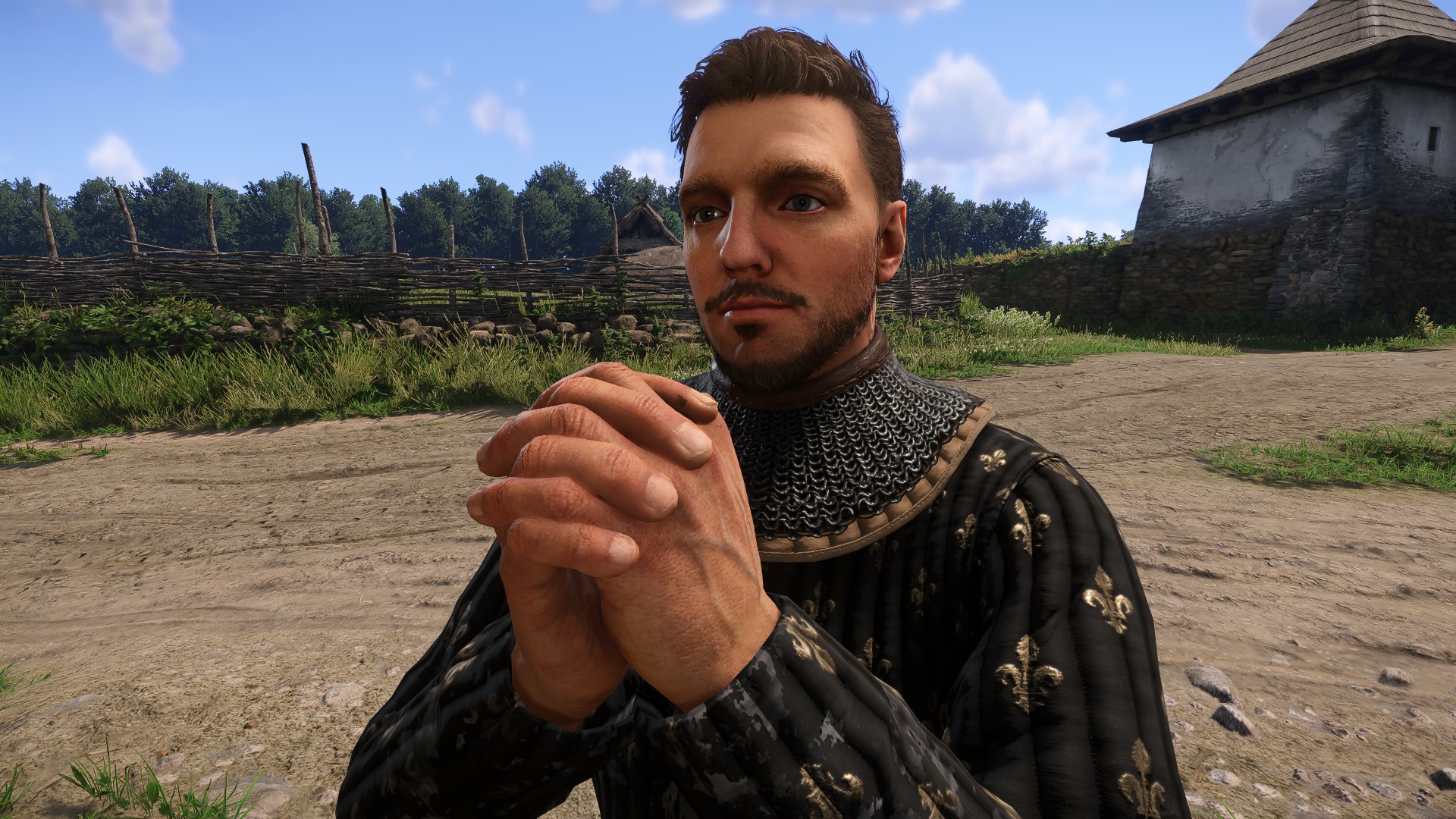
Labor unions and developer advocacy groups have also seized on these executive missteps. They argue that treating human developers as interchangeable surplus to be swapped out for software scripts not only devastates studio morale and institutional knowledge but ultimately degrades product quality.
Implications: What the Future Holds for AAA and Indie Studios
As the dust settles on the initial hype cycle of generative AI, the long-term implications for the video game industry are becoming clearer, though fraught with uncertainty.
1. Shift from Replacement to Augmentation
Klíma’s warning serves as a vital reality check for corporate stakeholders. Studios that attempt a slash-and-burn approach—laying off core creative staff under the delusion that AI can effortlessly shoulder the burden—are likely to produce bloated, uninspired, and functionally flawed games that fail to recoup their investments. Conversely, studios that integrate machine learning as a sophisticated assistant for asset management, code debugging, and spatial prototyping will likely find sustainable success.
2. The Value of Human Authenticity
As AI-generated content becomes more common, games that proudly feature genuine human craftsmanship, distinct artistic direction, and organic writing are positioned to become valuable luxury commodities. Just as the artisanal food movement gained traction in response to industrial mass production, the video game market may see a strong consumer preference for explicitly "human-made" experiences.
3. Economic Pressures and Consumer Expectations
Ultimately, the tension boils down to an insoluble equation: players demand bigger, more breathtakingly detailed virtual worlds, yet corporate entities demand higher profit margins and reduced risk. If Martin Klíma is correct, AI will not be the magical cost-cutter that lets publishers pocket millions in labor savings; rather, it will become the baseline requirement simply to keep pace with the ever-expanding appetites of players—leaving human developers caught in an eternal race to do more, not with less money, but with infinitely higher expectations.

