

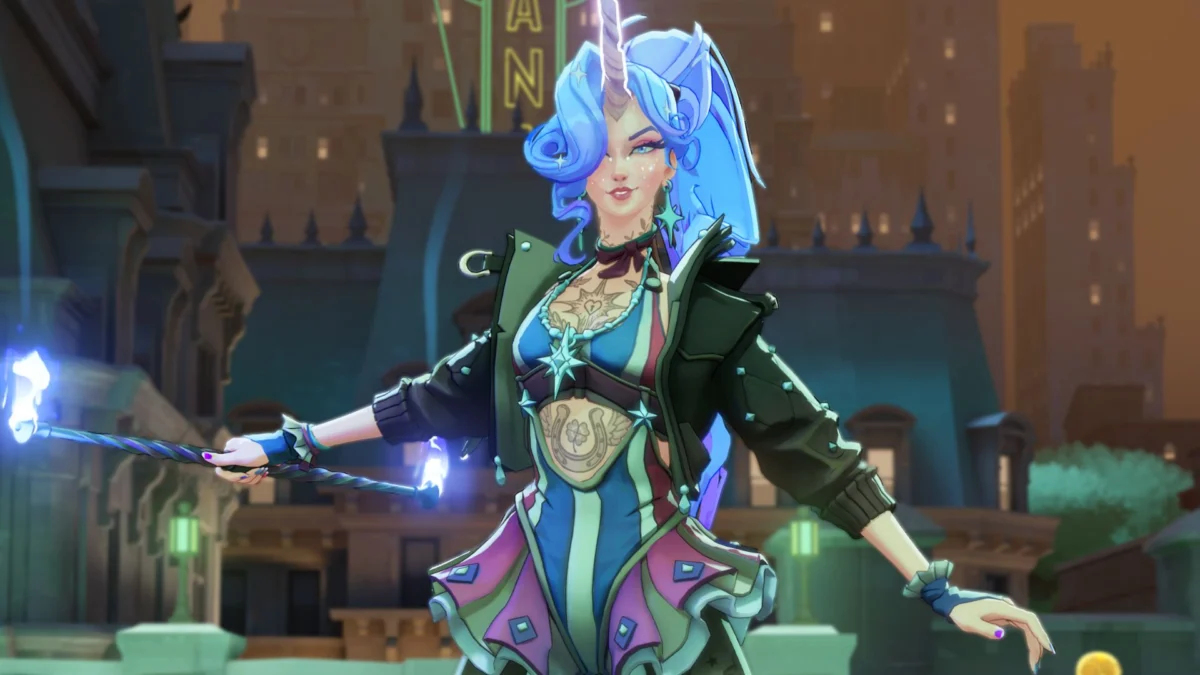
SEATTLE — For months, the gaming community has buzzed with speculation regarding the trajectory of Deadlock, Valve’s highly anticipated, invite-only third-person MOBA shooter. Following a series of massive updates—including the introduction of six new heroes, completely revamped patrons, and a breathtaking visual overhaul of its sprawling urban map—many industry analysts and eager fans assumed the title was steadily marching toward a wider public beta or an official full launch.
However, in its first comprehensive and formal development update released via Steam, Valve has firmly dispelled those notions. The studio behind industry-defining titles like Counter-Strike, Dota 2, and Half-Life made it clear that despite the growing scope, high polish, and burgeoning player interest, Deadlock remains firmly entrenched in its early development lifecycle. A public release, Valve cautioned, is still not on the immediate horizon.
Main Facts: Inside Valve’s Clarification on Deadlock
The core revelation from Valve’s recent community update is that the massive content injections seen recently do not signify the end of the game’s experimental phase. Instead, they represent a strategic shift in how the development team approaches feature integration.
- No Imminent Public Launch: Valve reiterated its philosophy that multiplayer game development carries immense risk. To mitigate this, the company firmly believes in keeping titles in players’ hands from the earliest possible stages to iteratively shape core mechanics based on real-world telemetry and community sentiment.
- Parallel Development Pipelines: Rather than finishing one feature set before moving on to the next—such as completing all core mechanics before touching up hero artwork—the Deadlock development team has pivoted toward working on multiple massive systems simultaneously.
- Features Still in Flux: Core systems like player progression, hero customization, and hideout layouts are still fluid. Valve explicitly stated that these systems require significant room for radical adjustment based on ongoing playtester feedback before the game can even be considered for a broader release phase.
- Speculative Additions on the Horizon: The studio is actively experimenting with large-scale item redesigns, major item additions, and alternative game modes—including heavily rumored PvE components—though these features remain speculative and dependent on ongoing internal playtests.
Chronology: The Evolution of Deadlock Behind Closed Doors
To understand where Deadlock stands today, it is necessary to trace how Valve brought the project from a whispered-about internal secret to one of the most-played unreleased games in PC gaming history.
The Incubation and Early Playtests (2023 – Early 2024)
For a long time, Deadlock—initially operating under code names like Citadel—existed only through data-mines, leaked playtest footage, and word-of-mouth invitations passed down through Steam friends lists. Valve took an exceptionally hands-off approach to public relations, allowing the player base to grow organically via a peer-to-peer invite system. This grassroots approach allowed the game to build a dedicated community while the developers experimented wildly with hero concepts, map geometry, and shooter-MOBA hybrid mechanics.
The "Old Gods, New Blood" Epoch (Mid 2024)
The project crossed a major psychological milestone with the release of the "Old Gods, New Blood" update. Introducing six distinct new heroes, overhauled patron mechanics, and a dramatic step-up in map fidelity, the patch felt to many outsiders like the dawn of a traditional early access phase. The visual and systemic quality reached a threshold that defied the usual rough-and-ready aesthetic of early-stage playtests, prompting widespread predictions that a public announcement was imminent.
The Pivot to Parallel Development (Late 2024 – Present)
Rather than using the momentum of the "Old Gods, New Blood" patch to lock down a release window, Valve elected to expand the project’s parameters. Recognizing that older hero models still required aesthetic standardization and that core gameplay loops could be further refined, the team reorganized. This led directly to the recent "City Never Sleeps" update, which overhauled the map yet again while introducing complex new mechanics, items, and conceptual frameworks.
Supporting Data and Community Insights
Valve’s unconventional development pipeline has birthed a unique ecosystem of data-miners, community theorists, and enthusiastic playtesters who track every microscopic change made to the game’s backend files.
- The Data-Mining Ecosystem: Because Deadlock relies on regular client updates for its closed playtest pool, data-miners frequently uncover unannounced assets. Recent file discoveries have pointed toward extensive wardrobe and customization concepts, such as alternative weather-themed outfits (e.g., a rain-gear variant for the character Rem), indicating that deep cosmetic progression systems are actively being prototyped.
- External Collaborations and Game Modes: Rumors have persistently linked former developers from Hopoo Games—the acclaimed studio behind Risk of Rain—to Deadlock‘s development. Community intelligence suggests these developers may be assisting in the conceptualization and execution of alternative game modes, potentially introducing cooperative PvE elements that would vastly expand the game’s scope beyond traditional 6v6 lane-pushing.
- Engagement Metrics: Despite lacking an open-market storefront presence or public marketing campaigns, Deadlock routinely commands massive concurrent player counts during peak testing hours, regularly rivaling fully released competitive multiplayer giants on Steam charts. This high-density telemetry data provides Valve with an unprecedented volume of behavioral analytics to guide its parallel development strategy.
Official Responses: Valve’s Philosophy on Risk and Reward
Valve’s transparency regarding its development philosophy offers a fascinating look into modern AAA studio practices, particularly regarding live-service and competitive games.
At the forefront of the developer update, Valve addressed the inherent dangers of the modern gaming landscape:
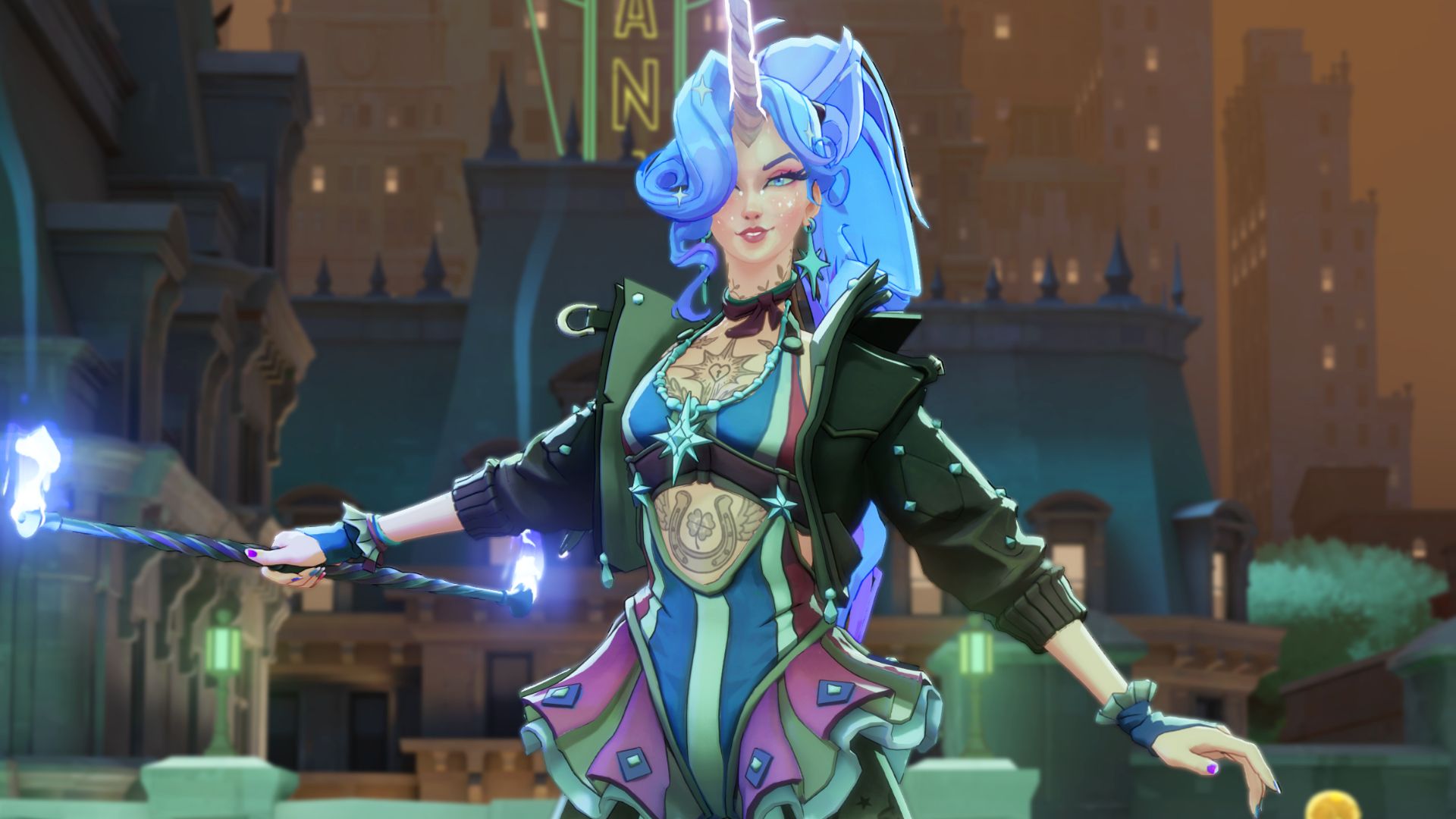
"We think building a multiplayer game is very hard and risky, and the best way to minimize that risk [is] to make sure that we are able to have it in players’ hands from an early state to help us shape it and tell us what is fun and what isn’t."
By maintaining a closed, invite-only environment, Valve retains total editorial and systemic control without facing the premature consumer backlash that often accompanies public Early Access launches on Steam.
Furthermore, Valve addressed the community’s confusion regarding the prioritization of visual assets:
"There was still a good amount of work we wanted to do on the core game itself before we moved onto more polish phases of the game development (like updating older hero artwork)… [However, we will] likely be gradually working on them in the near future for inclusion in upcoming updates alongside other work."
This shift indicates that Valve is listening to community feedback regarding aesthetic consistency, even if it forces the studio to pull forward tasks originally slated for the tail end of the pre-release phase. Regarding speculative features—such as alternative game modes and major item overhauls—Valve remains pragmatically cautious: "We aren’t 100% sure if they will be released or not based on how playtesting goes, though results so far have been promising."
Implications: What This Means for Players and the Industry
The decision to keep Deadlock locked behind closed doors carries profound implications for both the game’s community and the broader competitive multiplayer market.
1. The Death of Traditional Roadmaps
Valve continues to eschew traditional, date-driven product roadmaps. While companies like Epic Games, Riot Games, and Electronic Arts frequently publish detailed seasonal timelines, Valve relies on organic, iterative growth driven entirely by internal readiness and playtest data. For players, this means patience is mandatory; there is no calendar countdown to cling to.
2. The Value of the Closed Playtest Ecosystem
By refusing to rush Deadlock into an open public state, Valve preserves the purity of its feedback loop. Closed playtests filter out casual noise, ensuring that the primary voices shaping the game are those actively engaging with its complex, evolving mechanics. However, it also perpetuates a frustrating exclusivity loop, where prospective players must rely on existing community members for invites.
3. Raising the Bar for the MOBA-Shooter Hybrid
The sheer amount of resources Valve is pouring into parallel development—redesigning maps, testing alternative modes, and overhauling items simultaneously—demonstrates a commitment to absolute quality. When Deadlock eventually does step out of the shadows and onto the public stage, it will arrive not as a bare-bones early access title, but as a heavily refined, deeply tested ecosystem built upon years of rigorous community-driven experimentation.
Until that day arrives, the gates of Deadlock remain tightly guarded. For those desperate to explore its rain-slicked, occult-infused rooftops, the path forward remains unchanged: find a friend on the inside, and hope for an invite.

