

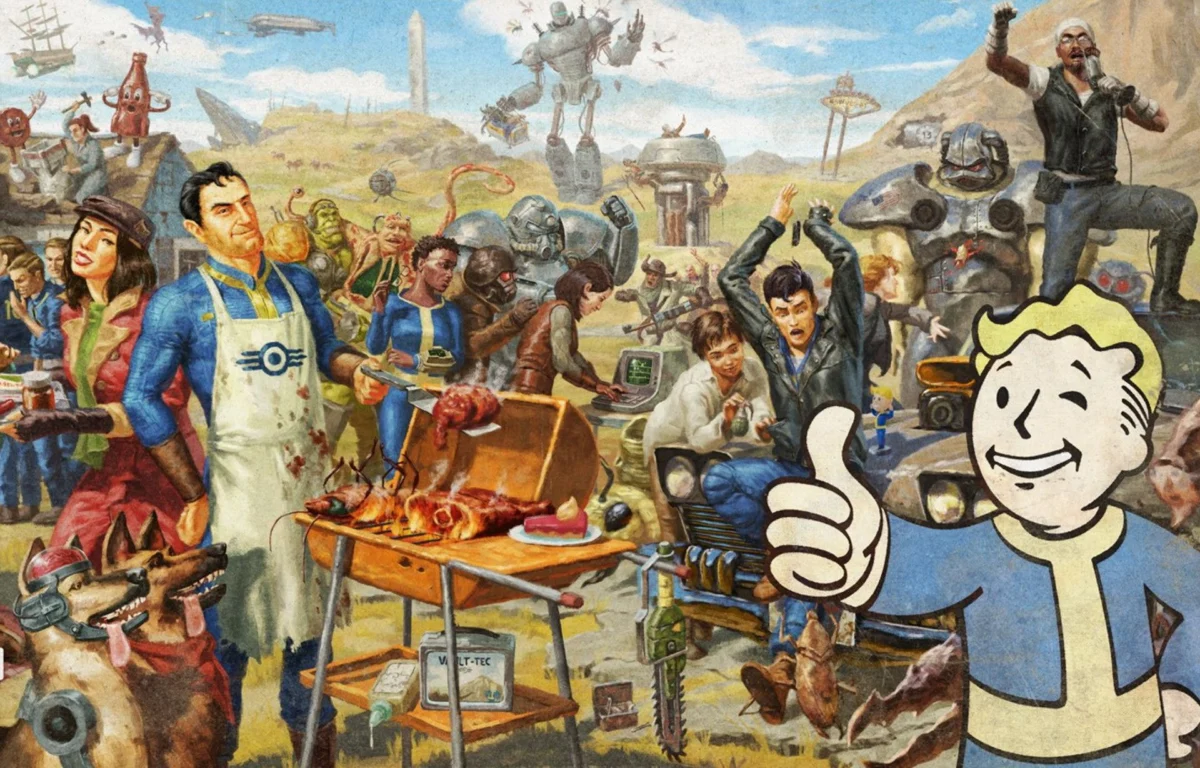
Main Facts: The Decade-Long Drought of Mainline Fallout
With the release of Fallout 4 receding nearly a decade into the past—having launched all the way back in November 2015—the prospects for a direct, mainline successor remain agonizingly distant. Bethesda Game Studios remains firmly entrenched in the development cycle of The Elder Scrolls 6, a project itself years away from materializing on modern hardware. Consequently, industry analysts and franchise veterans alike estimate that Fallout 5 is easily half a decade, if not a full ten years, away from seeing the light of day.
While the interim years have been peppered with the ongoing live-service maintenance of Fallout 76, external studio collaborations, and the massive cultural phenomenon that was Amazon Studios’ live-action television adaptation, the core single-player experience that defined the post-apocalyptic role-playing genre remains in stasis. This unprecedented gap between sequential entries has sparked a broader existential debate among critics and fans: What does the future of the franchise look like, and are its foundational tropes beginning to show their age?

Chronology: A Timeline of Nuclear Fallout
To understand how the franchise arrived at this modern crossroads, it is necessary to examine the historical trajectory of the IP:
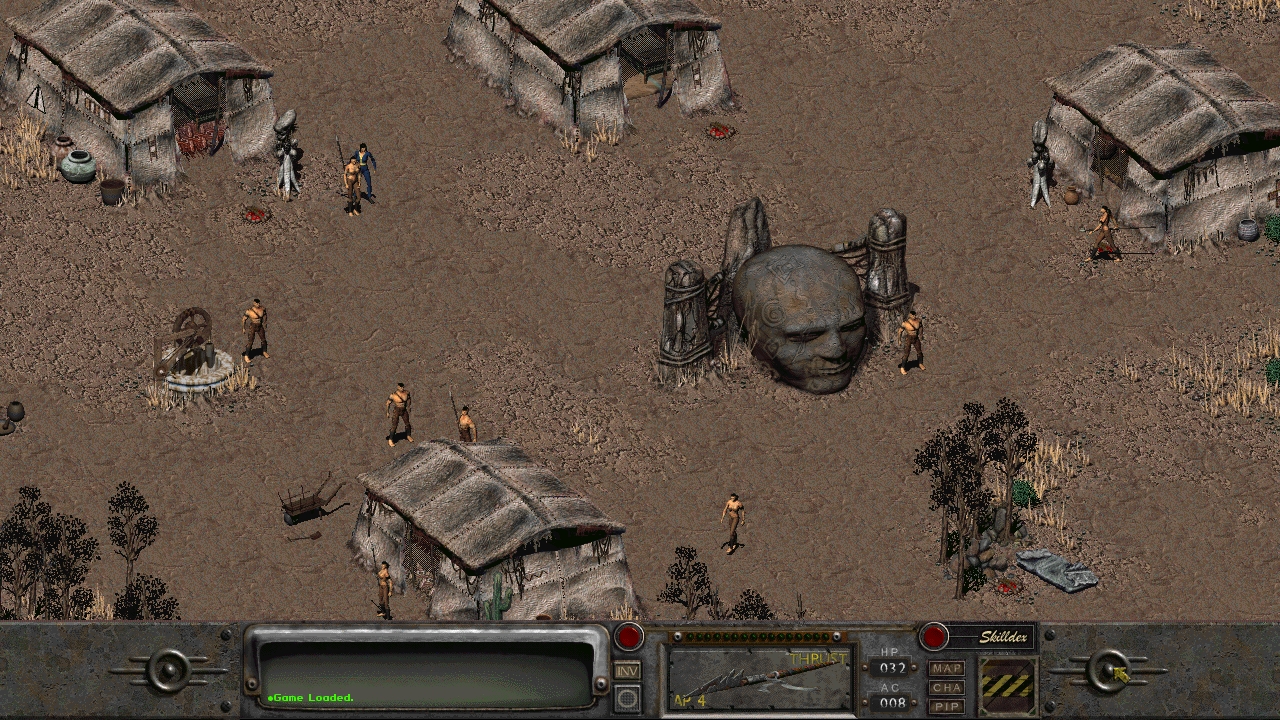
- 1997: Interplay Entertainment and Black Isle Studios release the original Fallout, establishing the isometric, turn-based CRPG standard.
- 1998: Fallout 2 arrives, expanding the scope, lore, and systemic complexity of the wasteland.
- 2008: Bethesda Softworks acquires the franchise and releases Fallout 3, shifting the series into a 3D, first-person open-world format and introducing a massive new audience to the Capital Wasteland.
- 2010: Obsidian Entertainment develops Fallout: New Vegas, blending Bethesda’s engine with classic Black Isle writing sensibilities, creating a fan-favorite entry.
- 2015: Fallout 4 launches alongside the mobile spin-off Fallout Shelter, introducing settlement-building mechanics and a voiced protagonist.
- 2018: Fallout 76 debuts as an online multiplayer experience, drawing initial criticism before stabilizing into a dedicated community.
- 2024: Amazon premieres the Fallout television series, driving millions of concurrent players back to the games and revitalizing mainstream interest in the IP.
- Present Day: Bethesda focuses on The Elder Scrolls 6, pushing Fallout 5 deep into the 2030s horizon.
Supporting Data: The Evolution of Player Engagement
Despite the lack of a mainline sequel, community engagement metrics surrounding the Fallout universe have never been higher, largely catalyzed by cross-media synergy.

- The Amazon Effect: Following the premiere of the television series, daily active player counts for titles like Fallout 4, Fallout: New Vegas, and Fallout 76 surged by hundreds of percentage points across Steam, Xbox, and PlayStation platforms.
- Spinoff Longevity: Mobile titles like Fallout Shelter continue to maintain millions of active users, proving that the franchise’s aesthetic and management loops hold immense cross-platform appeal outside traditional AAA role-playing frameworks.
- Modding Communities: On PC, platforms like Nexus Mods continue to host expansive, multi-gigabyte total conversion projects (such as Fallout: London), effectively acting as community-made sequels that fill the void left by official delays.
Official Responses and Industry Context
Bethesda and its parent company, Microsoft, have acknowledged the immense pressure surrounding the franchise’s future, particularly following Microsoft’s multi-billion-dollar acquisition of ZeniMax Media. While studio leadership has confirmed in interviews that story concepts and early design documents for Fallout 5 do exist, development cannot meaningfully scale up until production on The Elder Scrolls 6 wraps.
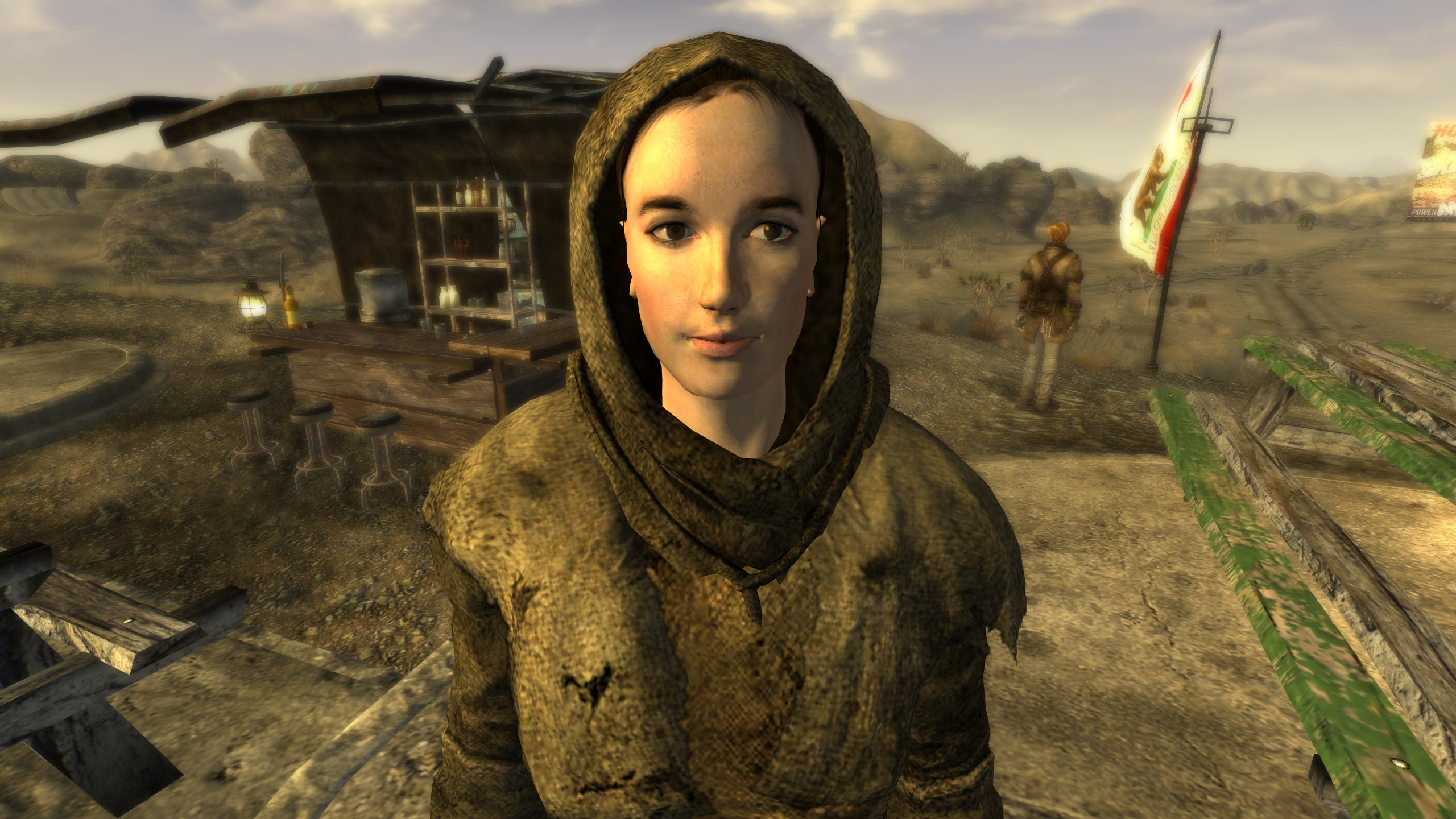
In the wake of corporate restructuring and studio adjustments within Xbox publishing divisions, fans have frequently called for external studios—such as Obsidian Entertainment, which famously crafted New Vegas—to spearhead interim projects. However, industry schedules and resource allocations have left these collaborative paths uncertain, forcing Bethesda to rely on transmedia storytelling, such as the television series, to maintain brand momentum during the protracted development drought.

Implications: Re-Imagining the Wasteland for a New Era
As the industry looks toward a potential 20-year gap between Fallout 4 and a hypothetical Fallout 5, critics and developers within the gaming space are openly questioning whether the series needs to fundamentally reinvent itself to remain relevant.
1. Remastering the Isometric Origins
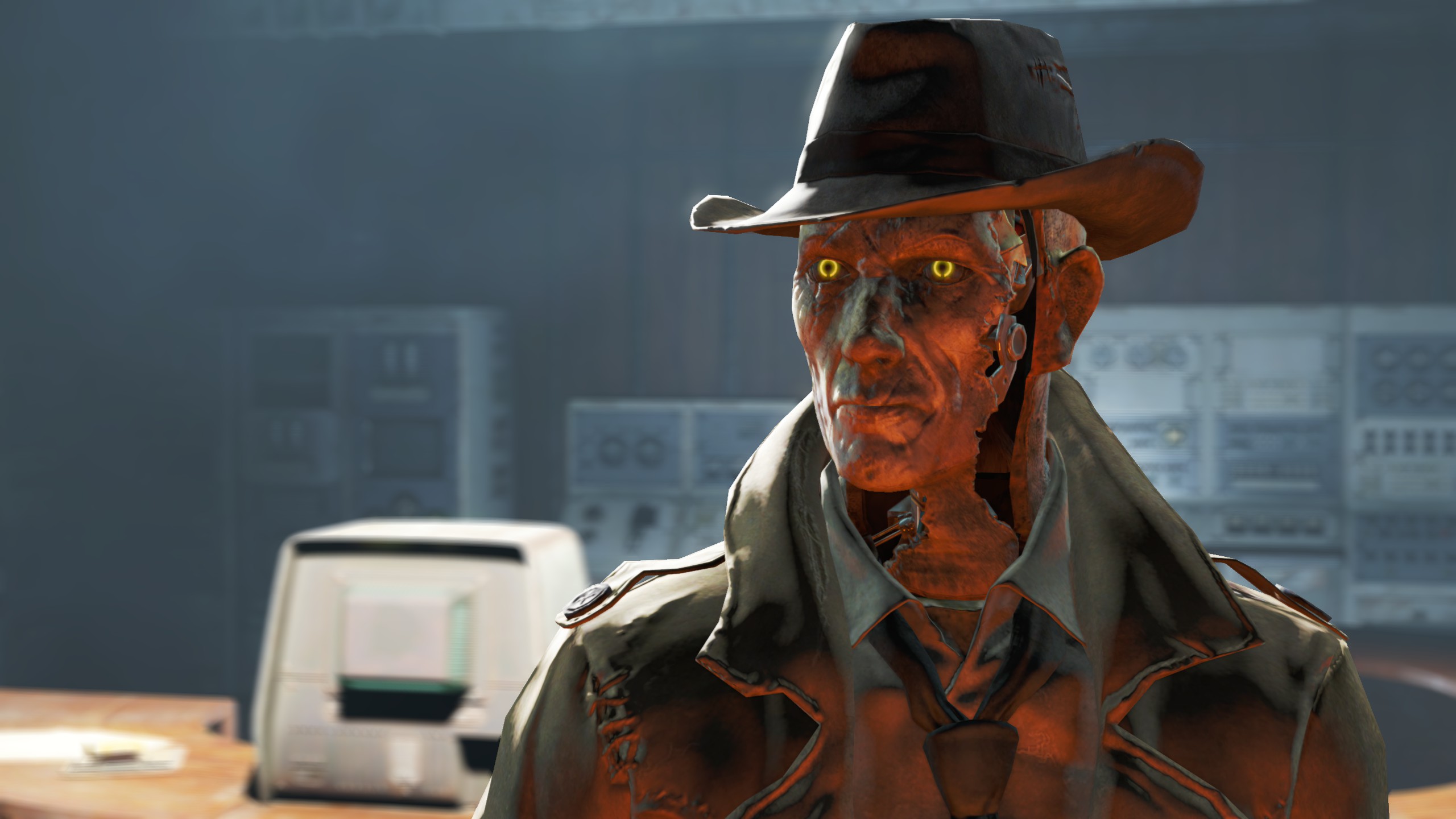
While rumors and leaks continually point toward modern touch-ups for Fallout 3 and Fallout: New Vegas, industry commentators argue that the games most deserving of a comprehensive polish are the original isometric entries by Interplay. For modern gamers spoiled by intuitive UI design and modern quality-of-life frameworks, navigating the clunky mechanics of Fallout 1 and Fallout 2 remains a formidable barrier to entry. Updating these classics—specifically targeting flawless, intuitive performance on portable platforms like the Steam Deck—would bridge a vital generational gap in gaming history.

2. The Case for Hardcore Survival Systems
For players returning to the modern classics, mechanical depth often spells the difference between a stale replay and a revelation. Systems like the "Hardcore Mode" introduced in New Vegas—which mandates eating, drinking, and sleeping while imposing strict weight limits on ammunition and healing items—transform how players interact with the game world. When bullets carry physical weight, inventory management transforms from a mere chore into a tactical dilemma, breathing new life into underutilized survival loops and crafting mechanics.
3. Embracing Creative Failure Over Safe Formulas
A recurring critique of Bethesda’s modern design philosophy is its reliance on predictable templates. While Fallout 3 successfully modernized the franchise by effectively operating as "Oblivion with guns," it ultimately played it safe compared to the narrative risks taken elsewhere in the genre. Conversely, Fallout 4 represented a sprawling collection of ambitious experiments—such as voiced protagonists and modular settlement building—that did not universally resonate with the fanbase. Critics argue that the franchise benefits more from messy, ambitious failures than from sterile, iterative comfort zones.
4. Lore Flexibility and the Unreliable Narrator
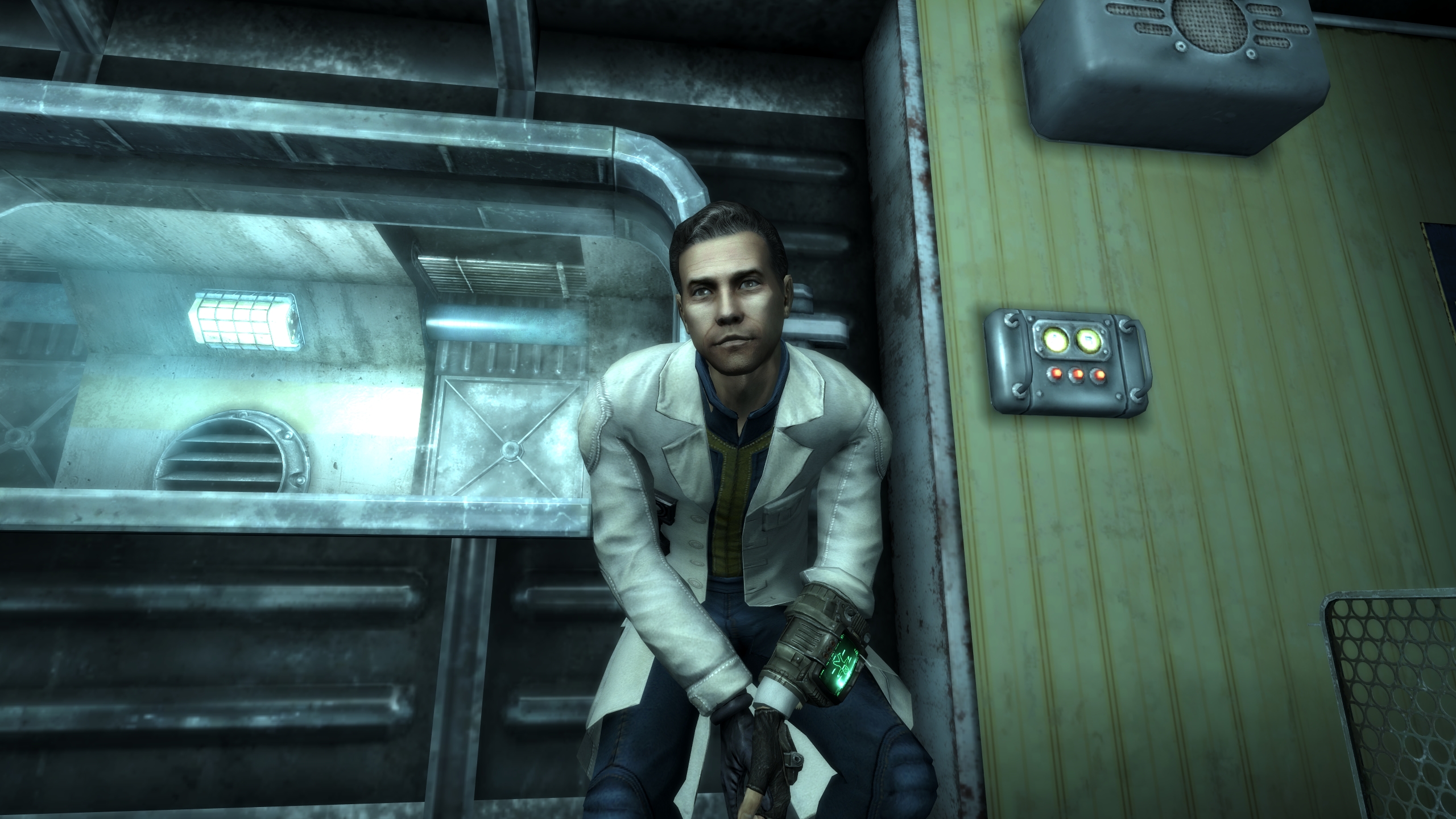
With transmedia adaptations like the Amazon TV series expanding the universe, canon purists frequently clash with creators over minor historical discrepancies or timeline shifts. However, literary parallels—such as George R.R. Martin’s approach to in-universe historical accounts in Fire & Blood—suggest a healthier perspective. History, even in a post-nuclear wasteland, is written by unreliable narrators, liars, and the misinformed. Allowing television and game writers the creative freedom to play fast and loose with terminal entries and obscure lore ensures the universe can grow without being suffocated by its own encyclopedic weight.
5. Breaking Free of the Vault Dweller Archetype
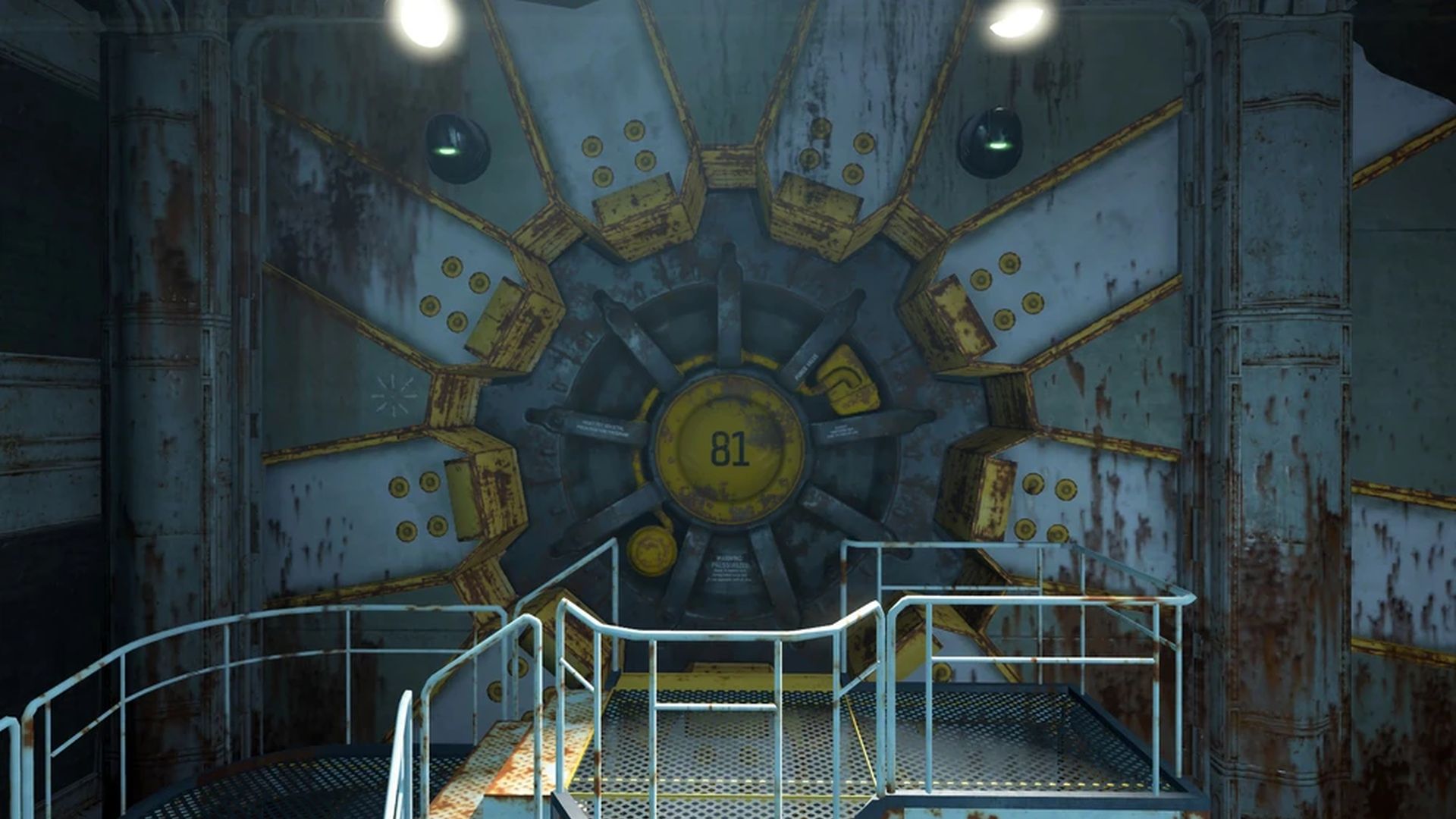
Nearly every mainline entry relies on the same narrative crutch: waking up a naive protagonist in a pristine underground Vault, handing them a Pip-Boy, and sending them out into the ruined world. Critics note that while this framework worked brilliantly in 2008, it has grown repetitive. Allowing players to step into the wasteland as an established ghoul, a super mutant, a synth, or an independent survivor from minute one—bypassing the Vault prologue entirely—would inject much-needed narrative variety into future installments.

6. Expanding Beyond the Traditional RPG Format
Ultimately, the longevity of the Fallout IP proves that the setting itself possesses greater gravity than any single gameplay genre. Just as Fallout Shelter proved that management simulations and idle mechanics could thrive within the brand’s aesthetic, industry observers argue that the franchise should aggressively branch out. Whether through grand strategy games akin to Crusader Kings, traditional city-builders, or dark, literary spin-off novels penned by master speculative fiction authors, the nuclear wasteland is vast enough to support entirely new artistic interpretations while fans wait for the next mainline chapter.

