

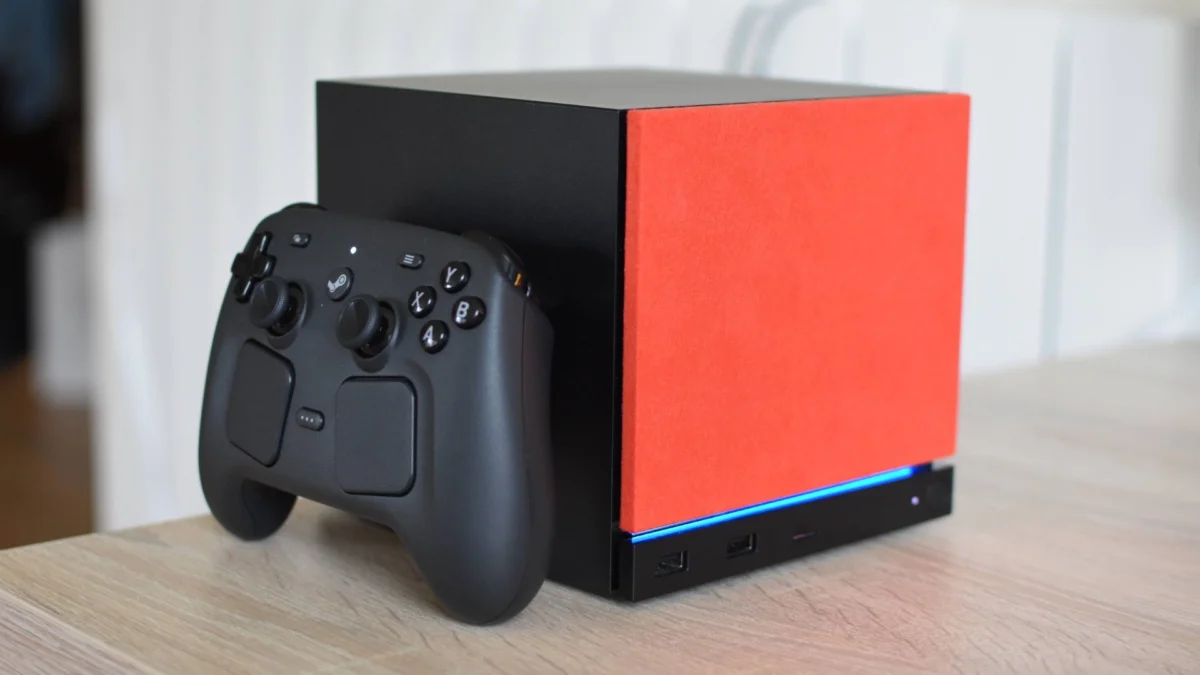
Valve has officially unveiled the pricing and distribution strategy for the Steam Machine, the long-awaited desktop-to-living-room transition of the massively successful Steam Deck. While the device arrives with significant acclaim for its form factor and design, the announcement is underscored by a sobering reality: global component shortages and a volatile hardware market have pushed the price point well beyond what many had initially hoped, creating a complex value proposition in an already crowded console ecosystem.
To manage high demand and circumvent the predatory influence of scalpers, Valve has opted for a randomized lottery-based reservation system. Registration for this queue is officially open, marking the first major step in what the company hopes will be a transformative chapter for PC gaming in the living room.
The Core Facts: Pricing and Availability
The Steam Machine will launch in two primary storage configurations—512GB and 2TB—with optional bundles that include the signature Steam Controller.
The entry-level 512GB model is priced at $1,049 USD (£879 GBP), while the premium 2TB model sits at $1,349 USD (£1,149 GBP). For those looking to add the Steam Controller to their setup, bundles are available starting at $1,128 USD and reaching up to $1,428 USD for the high-end 2TB iteration.
The Lottery System
Recognizing the scarcity of the hardware, Valve is implementing a randomized queue to assign purchase rights. Registration is available exclusively via the official Valve hardware portal and will remain open until June 25 at 10:00 AM Pacific Time.
"This is an effort to improve the purchase experience and limit resellers," Valve stated in a recent FAQ. Following the registration deadline, the firm will conduct a randomized draw. Successful registrants will receive an email invitation to complete their purchase starting Monday, June 29, with Valve aiming to fulfill the entire queue by the end of the calendar year.
Chronology: From Concept to Consumer Reality
The journey of the Steam Machine has been one of high expectations and shifting market landscapes.
- Initial Concept Phase: Valve originally teased a hardware solution that would bridge the gap between the flexibility of a PC and the plug-and-play ease of a console. Early messaging suggested that the device would be "competitively priced" against traditional consoles.
- The Hardware Crunch: As the project neared production, the global semiconductor market underwent a seismic shift. The rise of AI hyperscalers and increased demand for specialized hardware significantly drove up the costs of RAM and storage, effectively rendering Valve’s initial price targets obsolete.
- Development of SteamOS: Throughout the development cycle, Valve focused heavily on refining SteamOS, a Linux-based environment designed to handle the transition from a mouse-and-keyboard desktop experience to a controller-first living room interface.
- The Review Embargo: In the weeks leading up to the announcement, early review units were circulated among top-tier gaming outlets. The feedback was largely positive regarding build quality, but critical regarding the high price tag compared to the PS5 and Xbox Series X.
Supporting Data: A Market in Flux
Valve’s decision to increase the RRP (Recommended Retail Price) is not merely a corporate choice but a reaction to the global supply chain. The firm noted that, in some instances, specific components could not be sourced at any price, forcing them to pivot to alternative, higher-cost suppliers to ensure the device could reach production at all.
Global Pricing Matrix (Sample)
| Bundle | USD | GBP | EUR |
|---|---|---|---|
| 512GB Model | $1,049 | £879 | €1,039 |
| 512GB + Controller | $1,128 | £938 | €1,108 |
| 2TB Model | $1,349 | £1,149 | €1,359 |
| 2TB + Controller | $1,428 | £1,208 | €1,428 |
The disparity between the Steam Machine’s price and that of the average home console is undeniable. While a PlayStation 5 or Xbox Series X offers a standardized experience at a lower cost, the Steam Machine provides access to a legacy library spanning over two decades of PC gaming, coupled with the open-architecture benefits of a Linux-based system.
Official Responses and Industry Outlook
Valve has been transparent about the constraints they faced during production. "Our original target price is no longer viable," the company admitted in a statement. "The RRP reflects the price of the components as we’ve secured them over the past six months."
Industry analysts have noted that Valve’s situation reflects the wider challenges faced by hardware manufacturers today. The surge in AI-driven data center expansion has effectively "bought out" the supply of high-performance components, squeezing out consumer-grade manufacturers like Valve.
Critical Reception
The consensus among reviewers is one of nuanced appreciation. IGN, in their assessment of the device, awarded it an 8/10. Reviewer Jackie Thomas highlighted the hardware as an "incredible entry-level gaming PC" and perhaps the "easiest way to get into PC gaming," even if the price tag makes it a difficult sell against the dominant console manufacturers.
Rock Paper Shotgun’s James Archer praised the device as a "discreet but quietly capable companion," noting that it excels as a living room device, even if it lacks the raw, upgradeable horsepower of a dedicated enthusiast desktop tower.
Meanwhile, Eurogamer’s Chris Tapsell offered a more skeptical view, suggesting that for the same price, a consumer could likely build a more performant PC. However, he acknowledged the unique value proposition: "With the Steam Machine, we have something different: a new perspective and a new standard for living room, console-like design."
Implications: A Turning Point for PC Gaming?
The release of the Steam Machine carries heavy implications for the future of the living room gaming space. By leveraging SteamOS, Valve is effectively attempting to normalize Linux-based gaming for a mainstream audience. If successful, this could reduce the industry’s reliance on the Windows ecosystem, providing a more stable and controlled environment for developers and players alike.
The Challenge of Competition
The primary challenge for Valve remains the "Console Standard." Sony and Microsoft have spent decades optimizing their hardware ecosystems to deliver maximum performance for a minimum investment. Valve is attempting to disrupt this by offering a "PC experience that feels like a console." Whether consumers are willing to pay a premium for that flexibility—and whether the market will accept a $1,000+ living room device—remains the central question of this launch.
The Long-Term Vision
If the Steam Machine can survive the initial supply constraints and prove its utility, it could evolve into a foundational platform for PC gaming. The ability to pull from a 20-year library of games is an advantage that no current console can match. For many, the Steam Machine is not just a console; it is a bridge between the past and the future of digital entertainment.
As the June 29 rollout approaches, the gaming community will be watching closely. Valve has created a device that is, by all accounts, a masterpiece of design and form factor. Now, it must survive the harsh realities of the global supply chain and the skepticism of a consumer base that has grown accustomed to the price-to-performance efficiency of the current console generation.
Whether this becomes the industry-turning point that some predicted, or remains a niche device for the dedicated Steam enthusiast, is a story that will be written in the coming months as the first units reach the hands of the public.

