

By Hardware Tech Desk
Published: October 24
Main Facts
Valve has officially released SteamOS version 0.3.0 for its newly launched standalone VR headset, the Steam Frame. This minor point update acts as an immediate post-launch patch to resolve several nagging bugs reported during the device’s rollout last week.
However, the headline feature buried in the patch notes is a much-needed optimization: substantially faster charging speeds when the unit is powered off or in sleep mode.
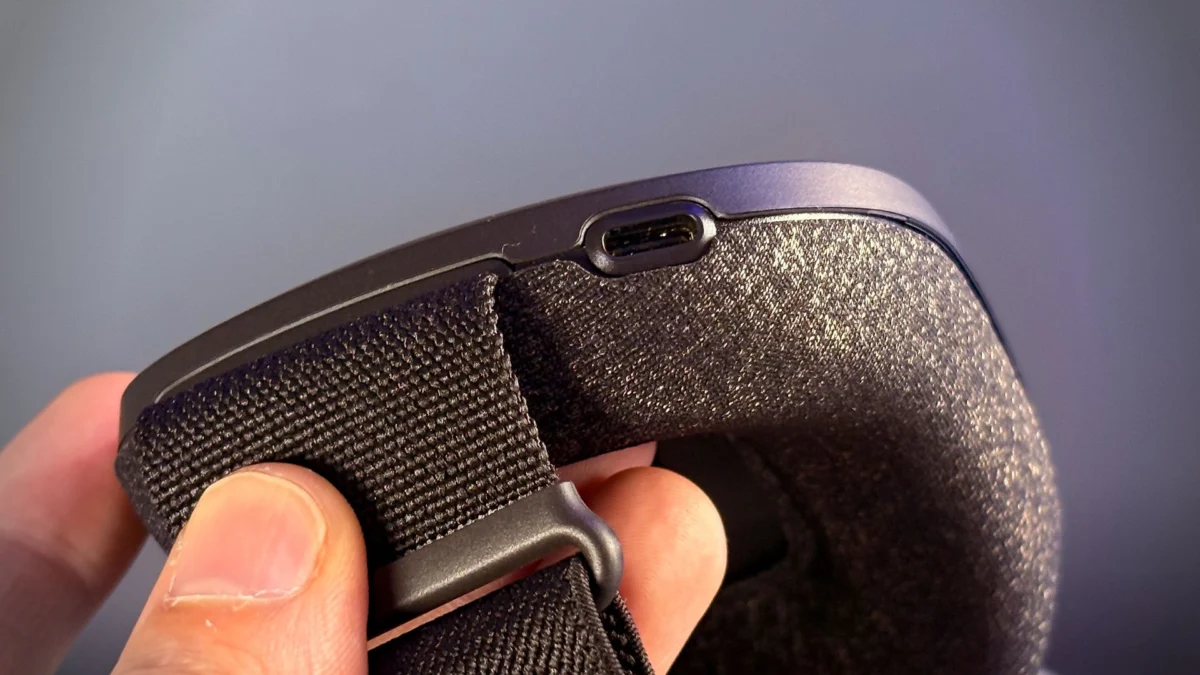
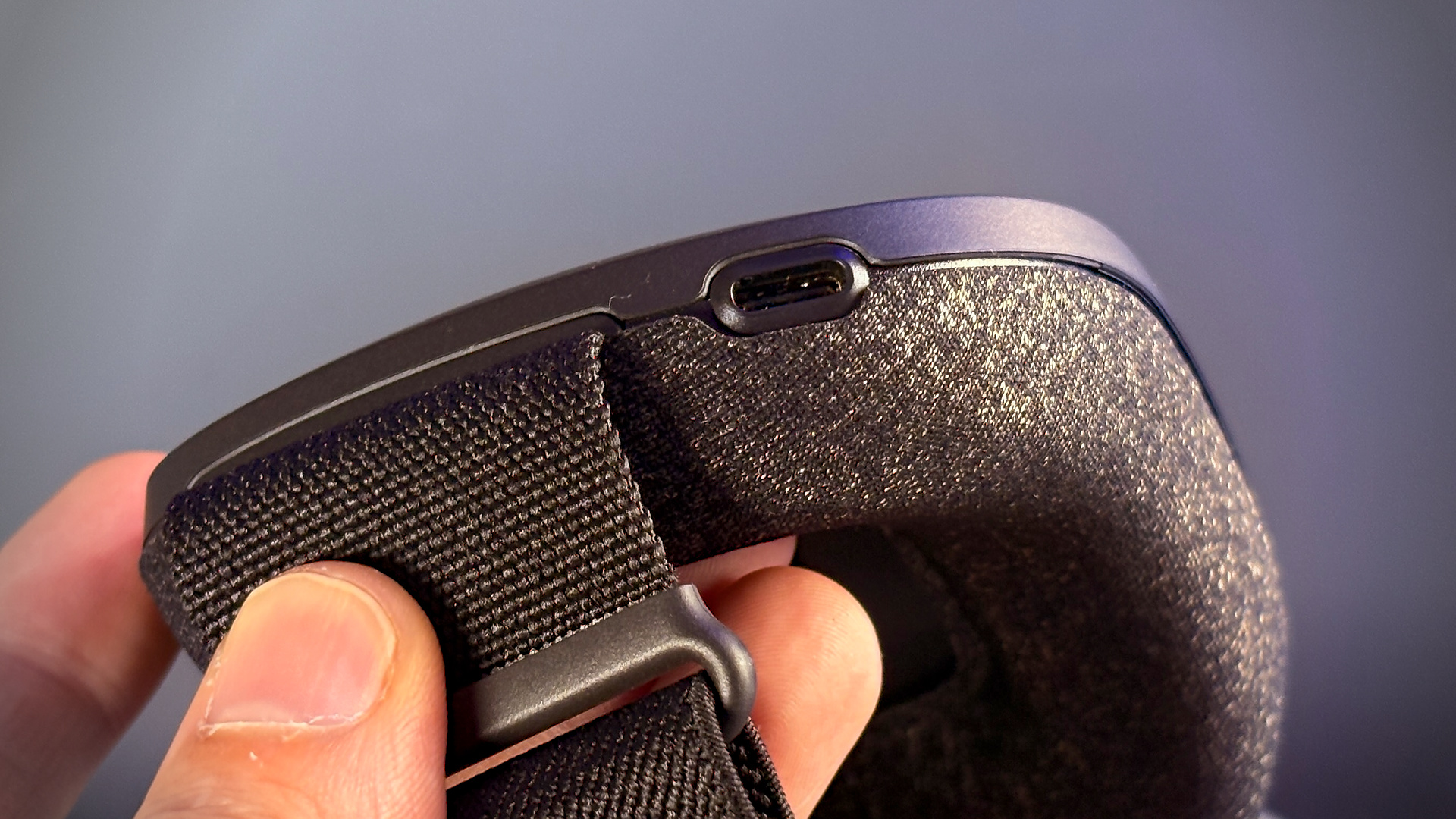
Prior to this software update, early reviewers and hardware enthusiasts noticed an unexpected quirk. While the Steam Frame’s official power brick is capable of delivering up to 45W, users plugging in a completely depleted headset while it was powered down found that the device pulled a meager 11W from the wall. This resulted in painstakingly long charge times exceeding two hours from 0% to 100%.
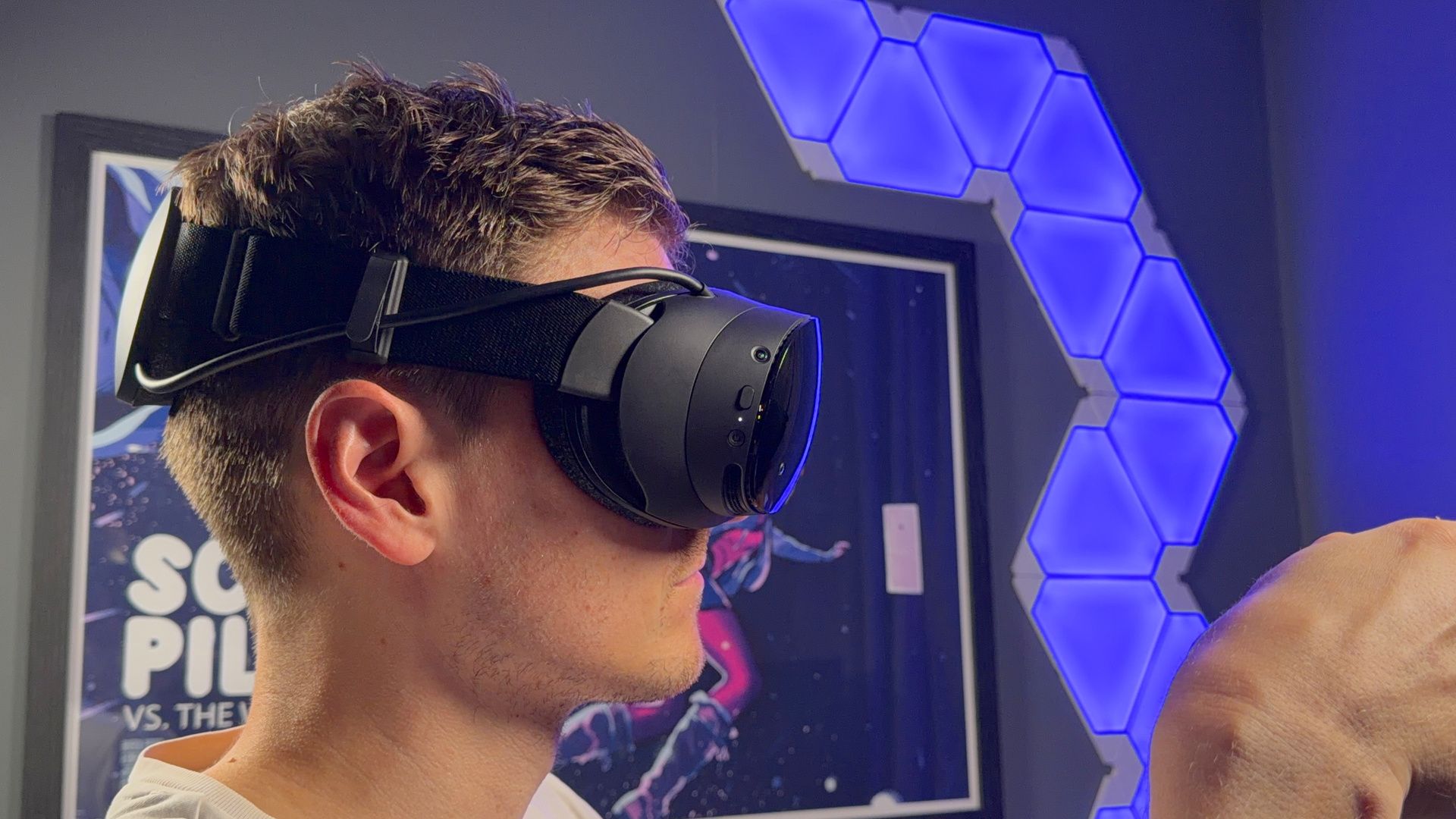
Following the release of SteamOS 0.3.0, power-meter testing confirms that off-state power draws have jumped to roughly 27W, drastically cutting down replenishment times and aligning the headset’s off-state behavior with typical modern consumer electronics.
Chronology of the Discovery
The issue first came to light during pre-review testing cycles conducted by hardware editors.
- The Initial Testing Phase: While putting the Steam Frame through its paces for a comprehensive review, hardware testers drained the headset’s battery entirely. Plugging it in while switched off yielded disappointing metrics. A power meter inline with the 45W charger consistently reported an 11W trickle charge. The time required to climb from an empty cell to a full charge stretched past the two-hour mark.
- Reaching Out to Valve: Puzzled by the discrepancy between the adapter’s potential output and the actual power draw, testers contacted Valve’s engineering team. The primary inquiry focused on whether this was an intentional, conservative power-management measure designed to preserve long-term lithium-ion cell health.
- Valve’s Clarification: Valve responded with details regarding the device’s non-linear charging curve. According to the company, an empty battery is designed to fast-charge from 0% to 65% in under 40 minutes before dropping down to a regular charging speed for the remaining 35%.
- The Contradiction: Testers followed up by running another cycle. This time, instead of letting the device run completely flat, they let it drop to 4% before plugging it in. Suddenly, the power meter surged to 31W, and the headset hit 65% in just 35 minutes—validating Valve’s performance claims.
- The Root Cause Realized: The anomaly boiled down to a counterintuitive software bug. Users who powered down their headsets completely to save power during charging were inadvertently penalizing themselves. The device drew significantly less current while off than it did when left in a standard sleep state or active mode.
- The Fix: Recognizing the friction this would cause for the thousands of consumers receiving units, Valve rushed out SteamOS version 0.3.0, resolving the charging disparity and boosting off-state intake to a respectable 27W.
Supporting Data and Charging Metrics
Understanding battery management on modern mobile hardware requires looking closely at power delivery profiles, wattage curves, and thermal considerations.
When hardware analysts benchmark charging speeds, they generally look at three primary metrics: peak wattage, staging curves, and total cycle time.
Pre-Patch Behavior (Headset Powered Off)
- Power Draw: ~11W static draw on an inline USB-C power meter.
- Time to Full: Over 120 minutes from 0% to 100%.
- User Experience: Counterproductive, as turning the device off doubled the time required to juice up the battery pack.
Post-Valve Clarification (Headset Active / Partial Drain from 4%)
- Power Draw (0%–65%): ~31W fast-charge window.
- Time to 65%: Approximately 35 to 40 minutes.
- Power Draw (65%–100%): Drops to ~18W for safety and longevity.
- Total Charge Time: ~75 minutes.
Post-Patch Behavior (SteamOS 0.3.0 – Headset Powered Off)
- Power Draw: ~27W measured at the wall using the official 45W adapter.
- Implication: Users can now safely power down their Steam Frame units without suffering a severe performance penalty on power delivery speeds.
Official Responses and Technical Insights
Valve’s communications shed light on how the Steam Frame handles its energy management architecture. In a statement addressing the charging behavior, Valve representatives noted:
"An empty battery takes around two hours to charge to full capacity. However, the charging is not linear. There is fast charging from 0 to 65%, and regular charging from 65% and up. Charging to 65% is expected to take less than 40 minutes. (Note: these values may be optimized over time, and are therefore subject to change.)"
This non-linear charging approach is standard practice in mobile computing, smartphones, and handheld gaming PCs like the Steam Deck. High-voltage fast-charging generates significant heat, which can degrade battery chemistry if sustained past a certain threshold (usually around 60% to 70% capacity). Tapering the current down as the battery approaches maximum capacity protects cell health over hundreds of charge cycles.
However, the bug that throttled power delivery specifically when the device was completely shut down was an unintended oversight in the initial firmware build. By decoupling the aggressive power-saving limitations from the off-state charging routine in SteamOS 0.3.0, Valve has corrected a major quality-of-life hurdle.
Broader Implications for the Steam Frame Ecosystem
Beyond the immediate fix to charging speeds, the deployment of SteamOS 0.3.0 highlights the iterative, software-first approach Valve is taking with its debut VR hardware ecosystem.
1. Software Agility and Post-Launch Support
Much like the early days of the Steam Deck, Valve is expected to push rapid updates as early adopters stress-test the hardware in the wild. Addressing a counterintuitive charging quirk within days of launch demonstrates a responsive engineering pipeline.
2. Proton, FEX, and Library Expansion
The Steam Frame relies heavily on translation layers like Proton and FEX to bridge traditional PC titles into a standalone virtual reality environment. While the hardware itself is now reaching consumer doorsteps, Valve’s primary ongoing challenge is building out a robust library of officially certified games that run seamlessly on the platform. Community trackers and reservation logging sites (such as steamframeout.com) indicate intense public interest, making software stability paramount.
3. User Behavior Shifts
Early adopters no longer need to second-guess whether they should leave their headsets in sleep mode versus powering them down entirely. Knowing that off-state charging is now optimized at nearly 30W allows users to manage battery longevity and power consumption without sacrificing convenience.
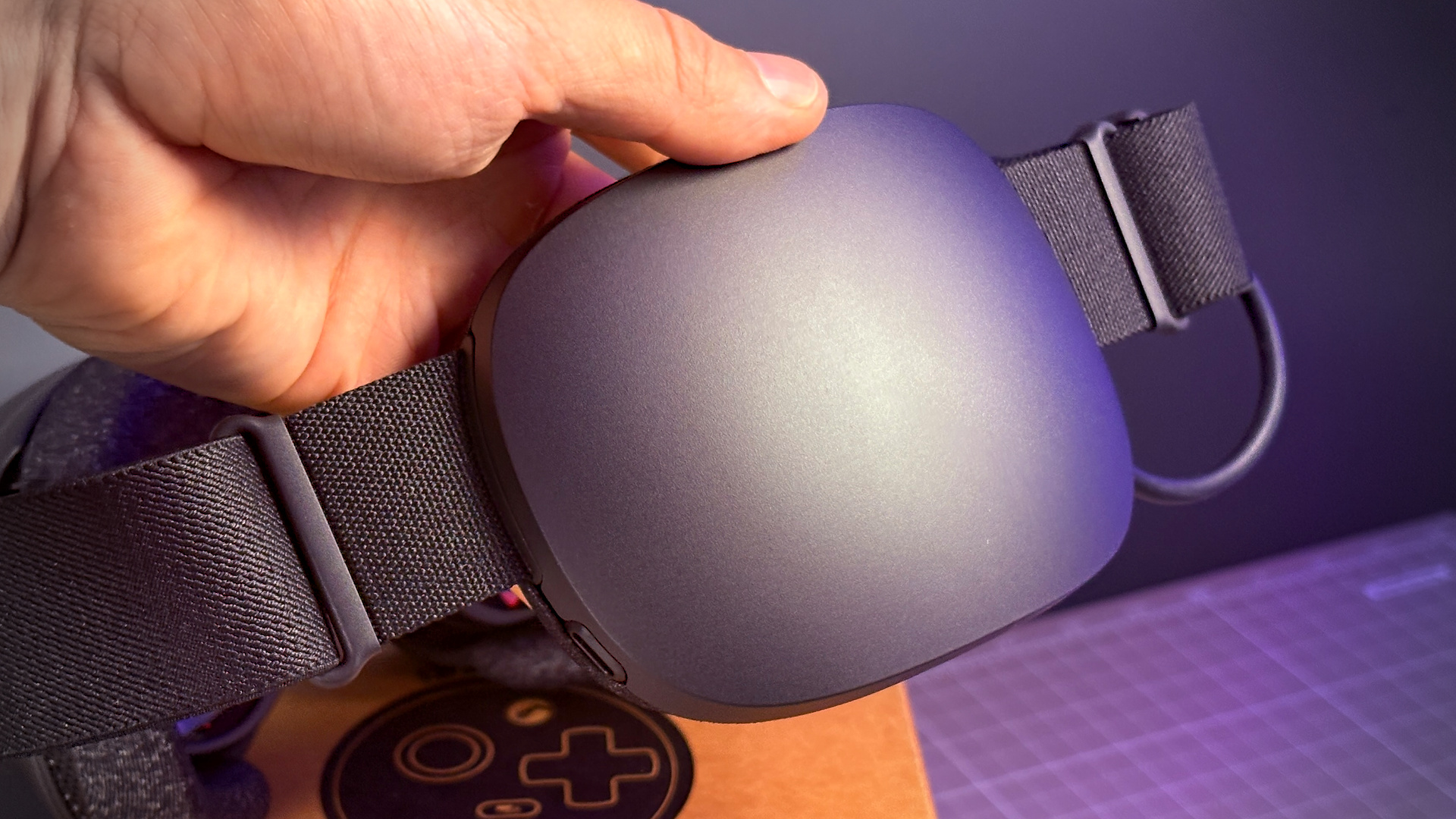
As the Steam Frame makes its way into the hands of a broader audience, updates like SteamOS 0.3.0 will serve as critical stepping stones in refining Valve’s vision for standalone, PC-driven virtual reality.

