

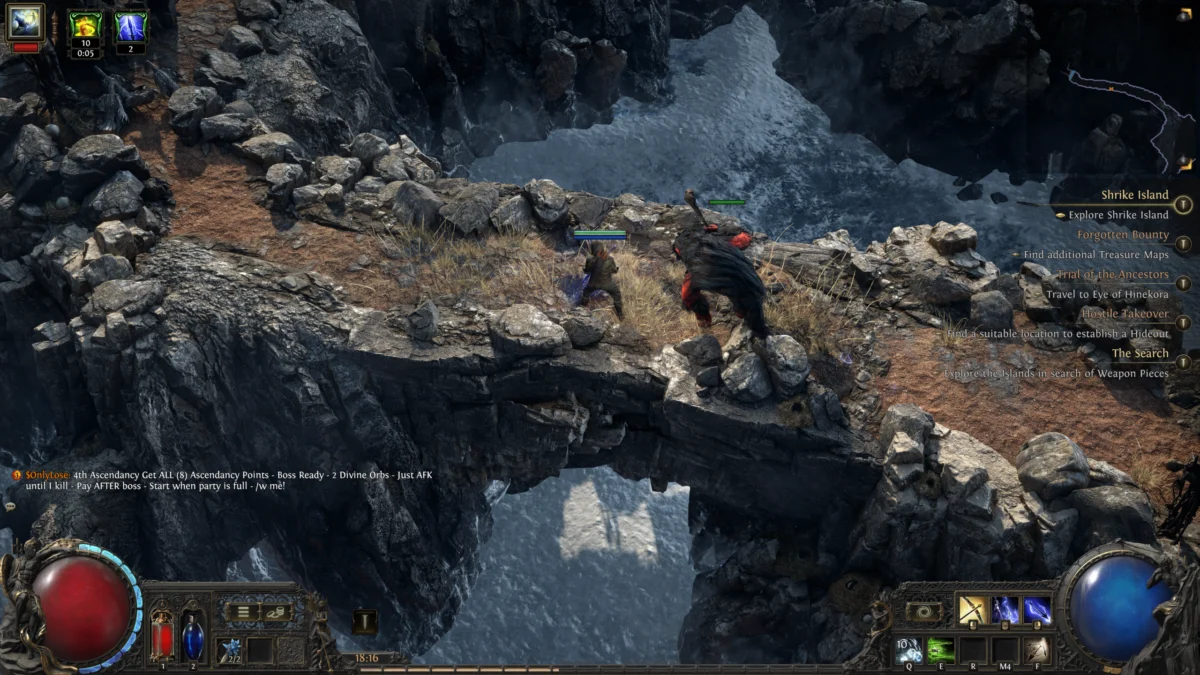
Grinding Gear Games (GGG) is currently executing a masterclass in transparent, iterative game development. Despite the recent announcement that the "Return of the Ancients" expansion serves as the final major content milestone before Path of Exile 2 exits its Early Access phase later this year, the studio has shown no signs of slowing down. Instead of coasting toward a launch date, the development team has pivoted into an aggressive phase of refinement, introducing sophisticated systems and quality-of-life improvements that are fundamentally transforming the game’s identity.
For many players, the journey from the initial Early Access reveal to the present has been one of skepticism giving way to profound admiration. What began as a project that some feared would be too abrasive—or simply too similar to its competitors—has blossomed into a singular, highly ambitious experience that effectively bridges the gap between the visceral, tactical combat of soulslikes and the infinite, loot-driven dopamine loops of classic hack-and-slash titles.
The State of the Game: A New Foundation
The most recent patches have been characterized by a "deep-dive" approach to mechanics. Rather than simply adding superficial content, GGG is enriching the existing framework. This week, the developers surprised the community with a comprehensive expansion of the side-activity skill trees and a massive overhaul to the Unique item system. These changes are not mere balance tweaks; they represent a complete reimagining of how players interact with the campaign and the endgame.
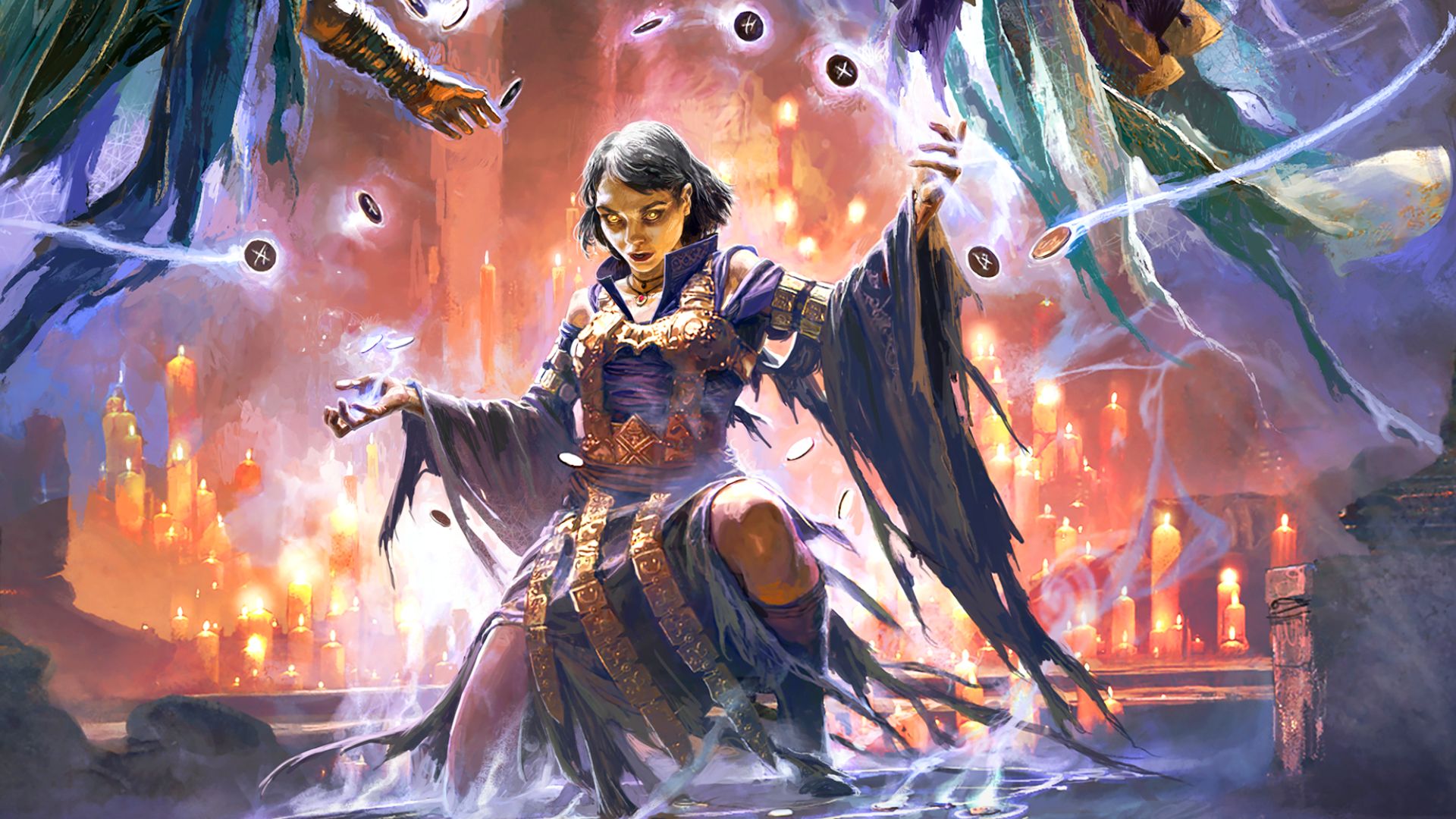
These additions are crucial because they signal that the "final pieces" of the Path of Exile 2 puzzle are not just being placed—they are being polished. For those who have been tracking the game’s trajectory, it is becoming increasingly clear that PoE 2 is positioning itself as a generational benchmark for the genre, challenging the dominance of industry titans like Blizzard’s Diablo 4.
A Chronology of Growth: From Abrasive to Essential
To understand the significance of the current updates, one must look back at the game’s early trajectory. Approximately 18 months ago, the debut version of Path of Exile 2 was met with cautious curiosity. Many critics, including seasoned ARPG veterans, felt the game suffered from "stingy" loot distribution and a level of complexity that felt more like a barrier than an invitation. The game was difficult, yes, but it lacked the cohesive, rewarding flow that defines a classic.
However, the cadence of updates following that initial feedback loop changed the narrative entirely:
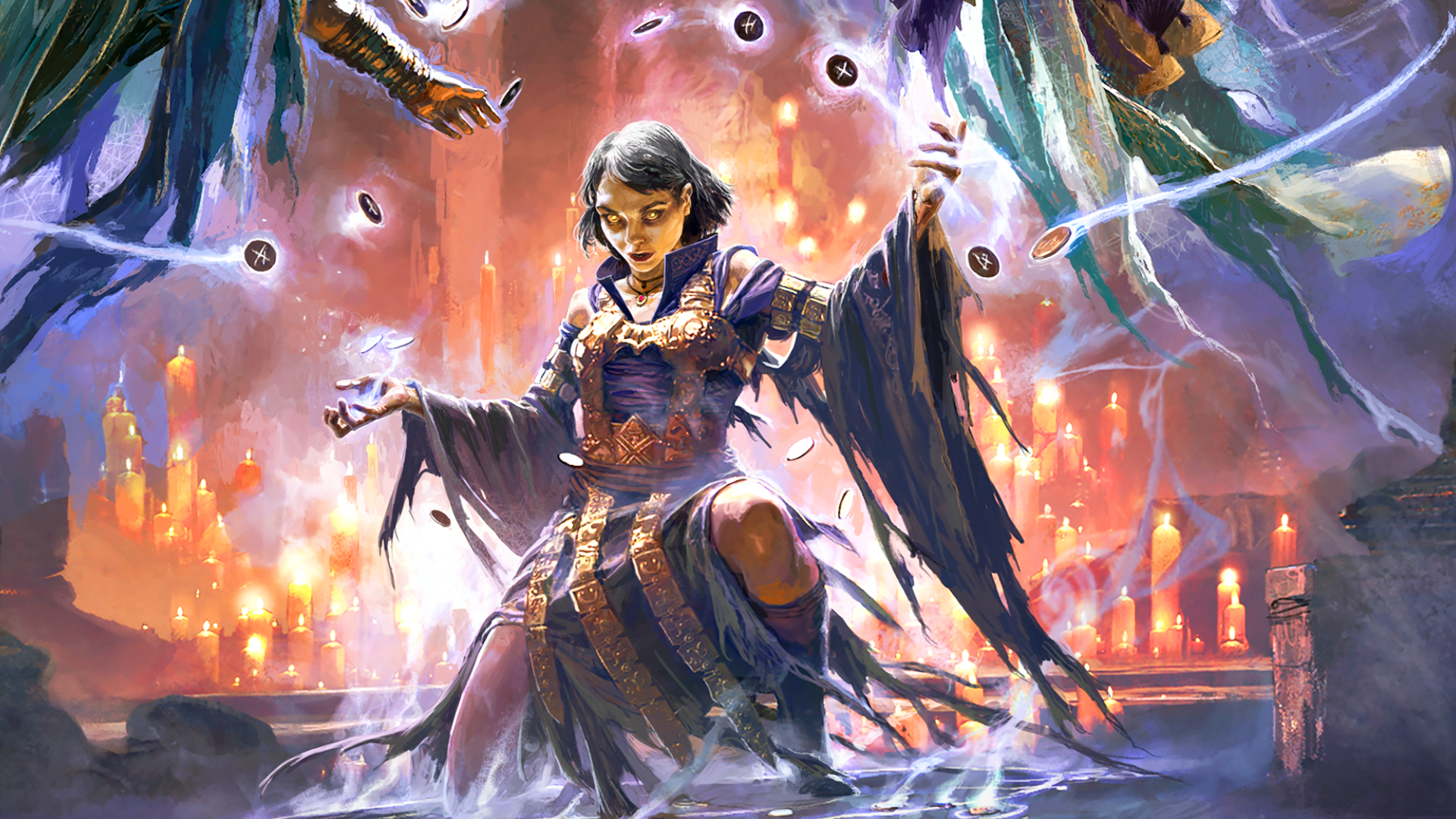
- The Early Phase: Focus on core combat mechanics, movement, and the implementation of the "soulslike" weightiness that makes every encounter feel lethal.
- The Mid-Cycle: Introduction of the "Return of the Ancients" expansion. This proved to be a turning point, where the vision for the game finally crystallized, demonstrating that GGG was committed to an experience that rewards patience and mastery over mindless speed-clearing.
- The Final Sprint: The current era, marked by systemic polish, bug squashing, and the integration of hidden, discoverable mechanics that invite player experimentation.
This steady evolution has successfully converted many, including those who were once firmly in the Diablo 4 camp, to the PoE 2 cause. The shift in sentiment is palpable; where players once questioned if the game could hold their attention, they are now debating skipping entire seasons of competing titles to focus on the depths of Wraeclast.
Supporting Data: Why Complexity is an Asset
One of the most persistent criticisms of the Path of Exile franchise has been its complexity. However, the current iteration of PoE 2 proves that depth is an asset, provided it is layered correctly. Much like FromSoftware’s Elden Ring, PoE 2 relies on a design philosophy that refuses to "dumb down" its systems.
Instead of forcing players to learn everything at once, the game hides its complexity in plain sight. Take, for example, the community discovery regarding the "Amanamus Void." Several months ago, players realized that certain high-value crafting materials only drop if the player lures specific monsters out of their protective "darkness" clouds. This is not a tutorial-driven mechanic; it is a systemic interaction that rewards curiosity and observation.
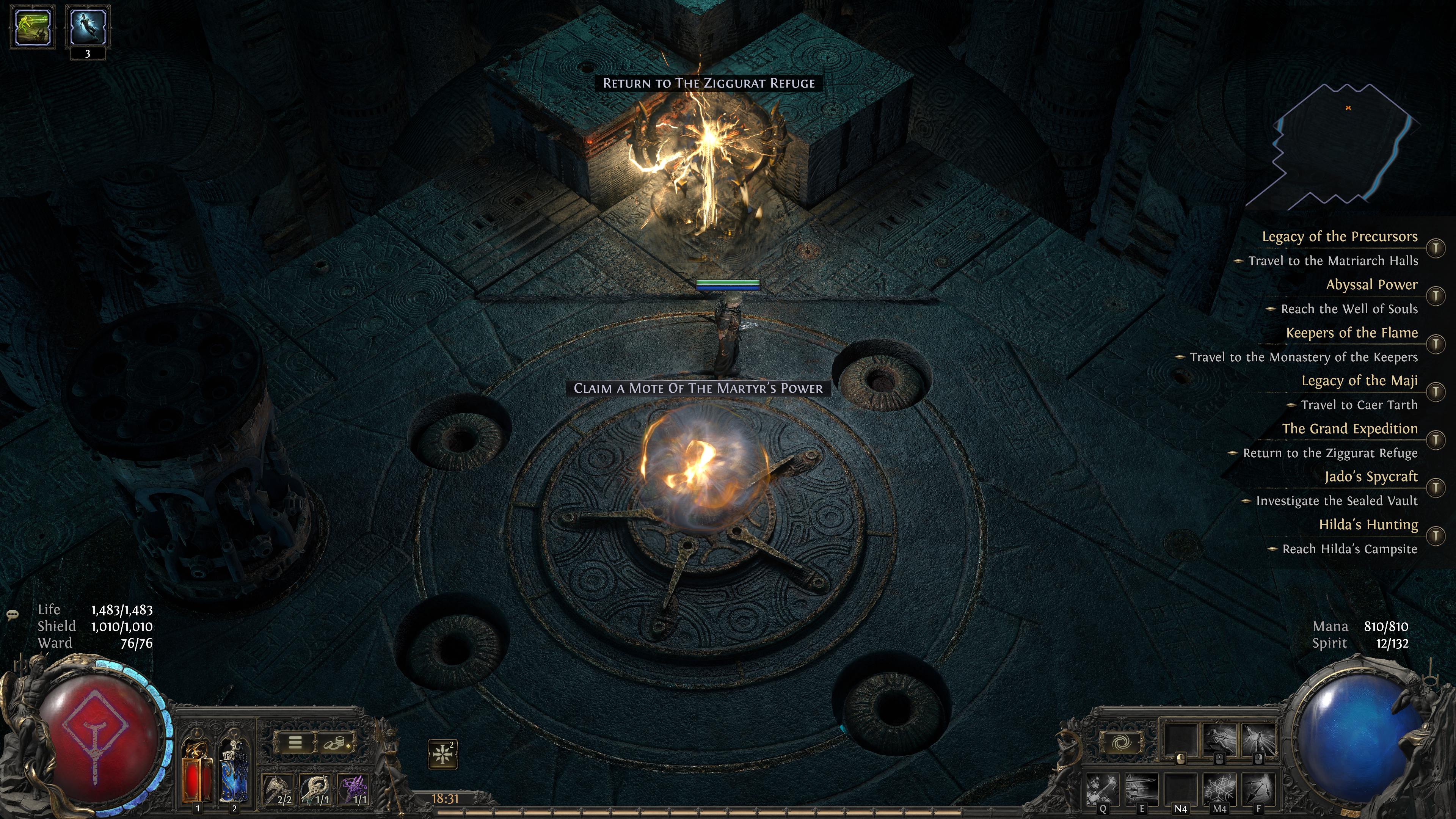
Similarly, the "martyr" mechanic—where a player can sacrifice a max-level character to provide a global passive skill point to the community—highlights a unique, emergent social dynamic that creates a sense of shared history within the game world. These elements aren’t just "content"; they are the building blocks of a living world that encourages players to treat the game as a mystery to be solved rather than a checklist to be completed.
Official Responses and Developer Philosophy
Grinding Gear Games has maintained a remarkably consistent communication strategy. Their focus has remained on the "core pillars" of the game: high-stakes combat, meaningful loot, and deep, build-enabling customization.
In recent developer blogs, the team has emphasized that they are not interested in creating a game where players become "gods" within an hour of starting. The goal is to sustain the tension of the underdog narrative throughout the entire campaign. By locking powerful items behind quests that require lateral thinking—such as the item that mimics an "out of mana" sound—GGG is signaling that they value the player’s intelligence.
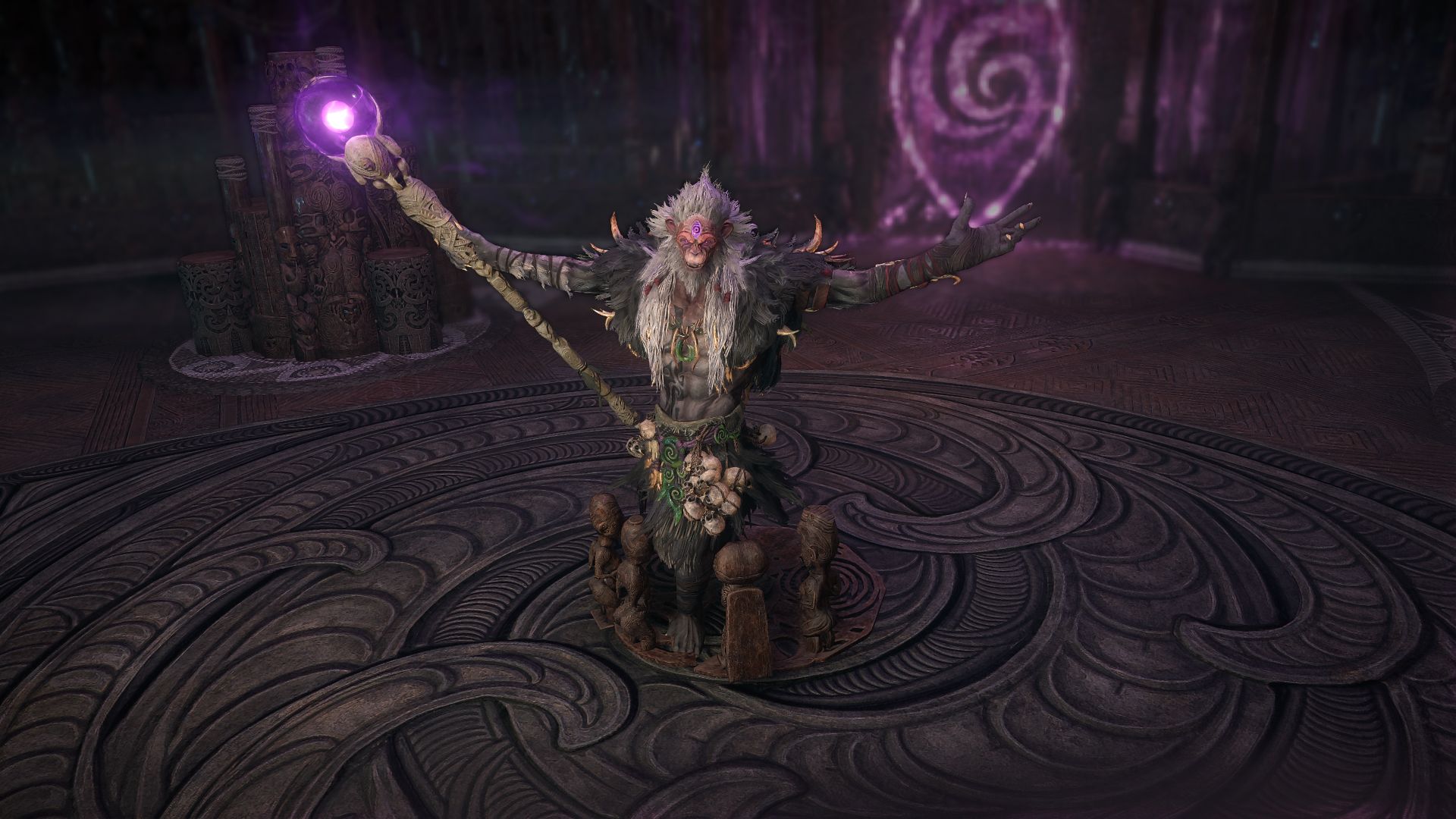
Furthermore, the developers have been highly responsive to feedback regarding the endgame. Recent patches have streamlined late-game activities, ensuring that mechanics which were once "too fussy" are now intuitive. By providing guaranteed drops from previously obscure bosses, GGG has effectively lowered the barrier to entry for the most powerful crafting tiers, ensuring that even casual players have a path to success.
Implications for the ARPG Genre
The implications of Path of Exile 2’s success are significant. The industry is currently witnessing a tug-of-war between two distinct schools of design: the accessible, fast-paced, "live-service" style typified by recent Diablo seasons, and the high-complexity, "skill-expression" style favored by the Path of Exile team.
- The "Slow Burn" Advantage: By refusing to allow players to melt through content at light speed, GGG is preserving the longevity of their itemization. Every piece of gear feels significant because the player has to earn the right to wield it through superior strategy and tactical movement.
- Community-Led Discovery: The success of PoE 2 proves that modern gamers are not looking for simpler experiences—they are looking for deeper ones. The enthusiasm for the recent, highly specific patches suggests that players are hungry for mechanics that they can "solve."
- A New Gold Standard: If Path of Exile 2 succeeds in maintaining this momentum through its full release, it will likely force competitors to re-evaluate their design philosophies. The market is shifting away from "instant gratification" and back toward "meaningful progression."
Conclusion: A Vision Realized
Watching Path of Exile 2 come together during its final months in Early Access has been a rare privilege. The game is no longer just a sequel; it is a definitive statement on what an action RPG can be. It is a title that challenges the player at every turn, rewards curiosity with genuine discovery, and treats its world as a place that exists independent of the player’s presence.
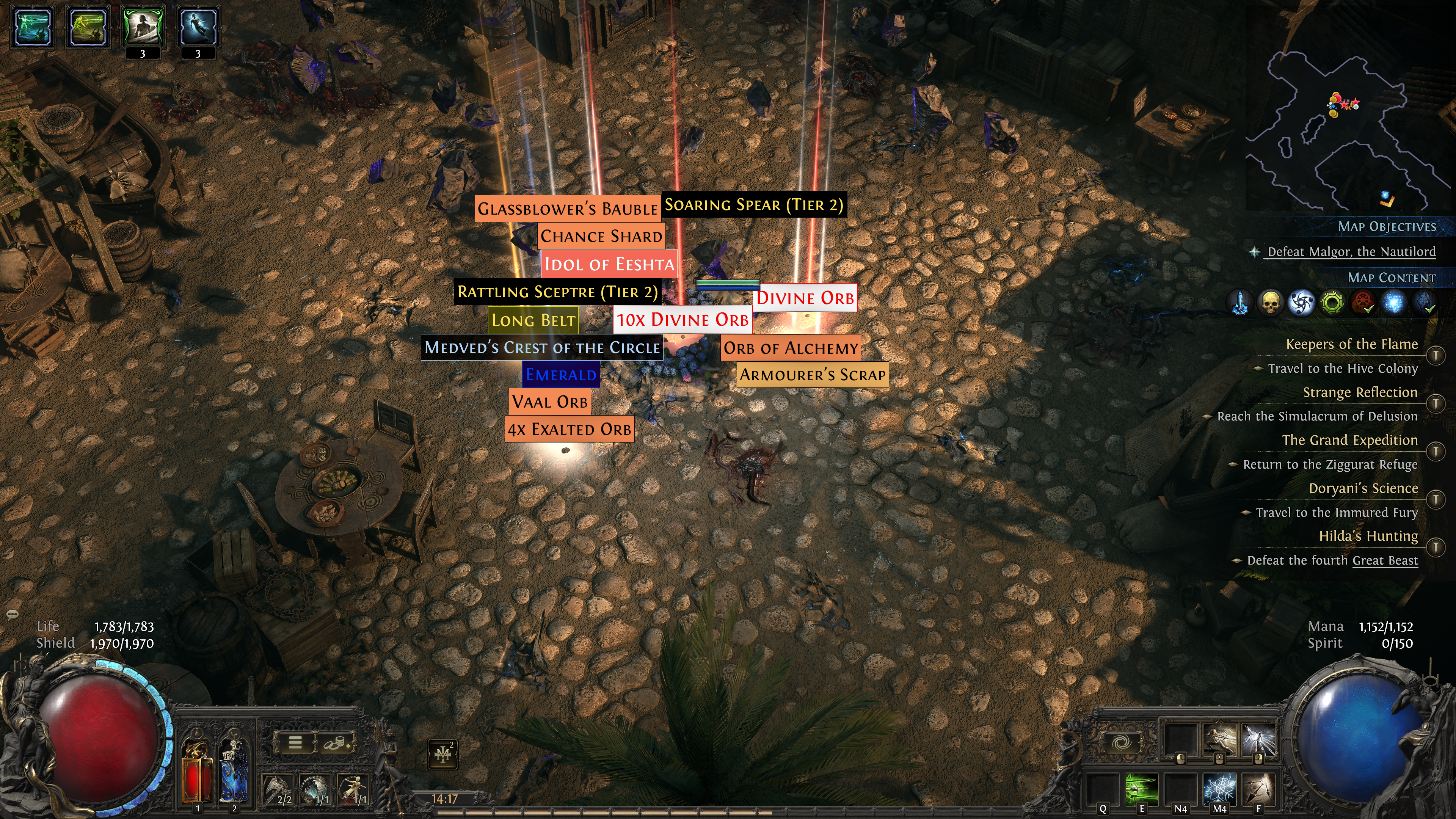
For those who doubted that GGG could pull off such a balancing act, the evidence is now undeniable. The "finishing touches" being applied in these final updates—from the new skill trees for side activities to the rebalancing of endgame boss drops—are transforming a promising concept into a masterpiece. As it stands, Path of Exile 2 is not merely competing for the top spot in the genre; it is effectively raising the bar to a height that its contemporaries will struggle to reach. Whether you are a veteran of the first game or a newcomer looking for a challenge, the upcoming full release of Path of Exile 2 is shaping up to be the definitive ARPG experience of the decade.

