

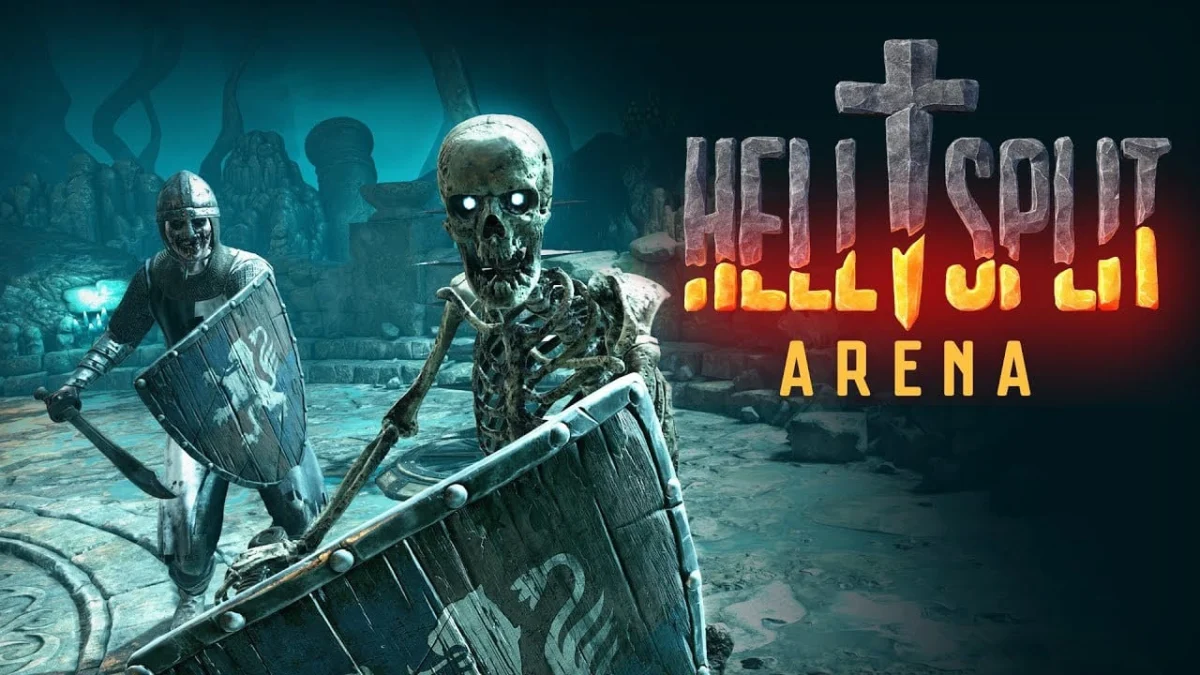
Since its arrival on the virtual reality scene in 2019, Hellsplit: Arena has stood as a hallmark of visceral, physics-driven combat. For years, it served as a playground for players eager to test their mettle against waves of the undead in a gritty, high-stakes environment. However, the silence surrounding the title over the past year has been deafening, leading to widespread speculation within the VR community regarding the game’s long-term viability.
Now, developer Deep Type Games has finally broken that silence, offering a candid look at the studio’s internal struggles, the harsh realities of independent game development, and the roadmap for the final chapter of Hellsplit: Arena.
The Core Facts: A Final Bow for a VR Pioneer
After months of radio silence, Deep Type Games has confirmed that Hellsplit: Arena is approaching the end of its active development cycle. The studio, which has been largely preoccupied with the porting of the game to Meta Quest in March 2025 and the development of new intellectual properties, addressed the community directly to dispel rumors of abandonment.
While the game is not being "abandoned" in the traditional sense, the studio is shifting its focus toward a definitive final content update. This upcoming version, Update 1.3, is slated to introduce several long-requested features, including a sandbox mode for both Steam and Meta Quest platforms, as well as the implementation of mod support for the Quest version of the game. Once this milestone is reached, the game will effectively move into a maintenance-only phase, acknowledging the technical limitations that make further ambitious updates unsustainable.
A Chronology of Development: From Indie Darling to Legacy Status
The trajectory of Hellsplit: Arena mirrors the broader evolution of the VR industry.
- 2019: The Launch. Hellsplit: Arena arrived on Steam, quickly gaining a reputation for its punishing combat mechanics and atmospheric dark fantasy setting. It carved out a dedicated niche of players who valued realistic physics and intense, arena-style survival gameplay.
- 2020–2024: Iterative Growth. Throughout these years, the studio provided consistent updates, refining the combat engine and expanding the available weaponry and enemy types. The game built a loyal community, particularly among modders who extended the game’s life through custom content.
- March 2025: The Meta Quest Port. The game officially made the jump to Meta Quest, exposing it to a broader, more casual audience. This was a significant technical undertaking, but it also marked the beginning of the end for the team’s bandwidth.
- Late 2025: The Silence. As the team pivoted to Hellsplit: Labyrinth and Cute & Dead, updates for Arena slowed to a crawl. In December 2025, the studio confirmed that only a skeleton crew of two developers remained assigned to the project, with the rest of the staff moving on to new projects.
- 2026 and Beyond: The Legacy Phase. The forthcoming Update 1.3 represents the final major push for the game. The studio has already committed to preserving the current state of the game by creating a "legacy" branch on Steam, ensuring that current mod configurations remain functional even after the update goes live.
The Economic Reality: Why Indie Studios Must Pivot
The transparency displayed by Deep Type Games offers a rare and sobering glimpse into the financial architecture of independent development. In a statement addressing the community, the studio highlighted the "uncertainty" that has plagued its operations over the past year.
"As many of you know, indie game developers around the world are going through extremely difficult times," the studio noted. "The ongoing challenges in the global economy have affected countless studios, and unfortunately, Deep Type Games is no exception."
Unlike major AAA publishers that can absorb the costs of "flop" games or lean times through mass layoffs or budget restructuring, indie studios operate on thin margins. Deep Type Games admitted that Hellsplit: Arena, despite its success and critical acclaim, is a "hardcore VR experience made for a relatively niche audience." In the current economic climate, relying solely on a single niche title—regardless of its quality—is a recipe for bankruptcy. This realization necessitated a shift toward more sustainable projects, such as the upcoming zombie shooter Cute & Dead and the ambitious roguelike Hellsplit: Labyrinth.
Official Statements: Transparency in the Face of Speculation
Deep Type Games took pains to apologize for their period of inactivity, acknowledging that silence is often interpreted as abandonment. The studio’s communication was blunt, avoiding the typical PR boilerplate in favor of raw, professional honesty:
"Many of you have probably come to the conclusion that we’ve abandoned Hellsplit: Arena and have no plans to return to it. If that were true, we would have told you honestly. The real reason for our silence is much simpler: for a long time, we simply had nothing meaningful to share."
The studio also addressed the technical constraints that have ultimately brought the project to its natural conclusion. According to the developers, the "aging architecture" of the original codebase has become a bottleneck. While they possess a list of ambitious features they once hoped to implement, the effort required to rebuild the game’s foundation is currently beyond their capacity.
"Sooner or later, every game reaches the end of its lifecycle," the studio remarked, emphasizing that they would rather bow out while the game is still in a strong, functional state than attempt to force updates that might break the existing experience.
Implications: The Future of the Hellsplit Universe
While the sun is setting on Arena, the Hellsplit brand itself is far from dead. By pivoting to new projects, Deep Type Games is attempting to leverage the IP they have built to capture a wider audience.
The Role of Modding
The commitment to bringing mod support to the Meta Quest version in the final update is a significant gesture of goodwill toward the community. By decentralizing the game’s longevity through mods, the developers are essentially handing the keys to the players. This ensures that even when official support ends, the community can continue to create, share, and expand upon the content, effectively granting the game a "second life" through user-generated content.
Diversification: Labyrinth and Cute & Dead
The future of the studio rests on two pillars:
- Hellsplit: Labyrinth: A dark fantasy roguelike that evolves the combat systems developed in Arena into a more narrative-driven and procedurally generated experience. It aims to capture the same satisfying combat feel while offering the replayability required to appeal to modern VR players.
- Cute & Dead: A thematic departure, this zombie shooter draws inspiration from 1990s cult classics. By tapping into nostalgia and a different sub-genre of VR gaming, the studio hopes to diversify its portfolio and secure its financial future.
Conclusion: A Respectful Departure
The story of Hellsplit: Arena is a reminder of the fragility of the indie game ecosystem. For a project to go from a passion-fueled debut to a legacy title is a journey that few games successfully navigate. Deep Type Games has chosen the path of honesty, opting to finalize the game’s development with a polished, feature-complete update rather than letting it wither away through neglect or broken promises.
For the loyal players who have spent hundreds of hours in the arena, the news of a final update is bittersweet. However, there is a clear sense of closure in the developer’s message: Hellsplit: Arena did what it set out to do. It pushed the boundaries of VR physics, it fostered a vibrant community, and it served as the proving ground for a studio that is now ready to apply those lessons to bigger, more sustainable challenges.
As the industry continues to evolve, the legacy of Hellsplit: Arena will likely persist, not just in the games that follow it, but in the modded, community-driven sandbox that will remain long after the final patch is deployed. The arena may be closing, but the fight for the future of Deep Type Games has only just begun.

