

Introduction: The Impossible Act
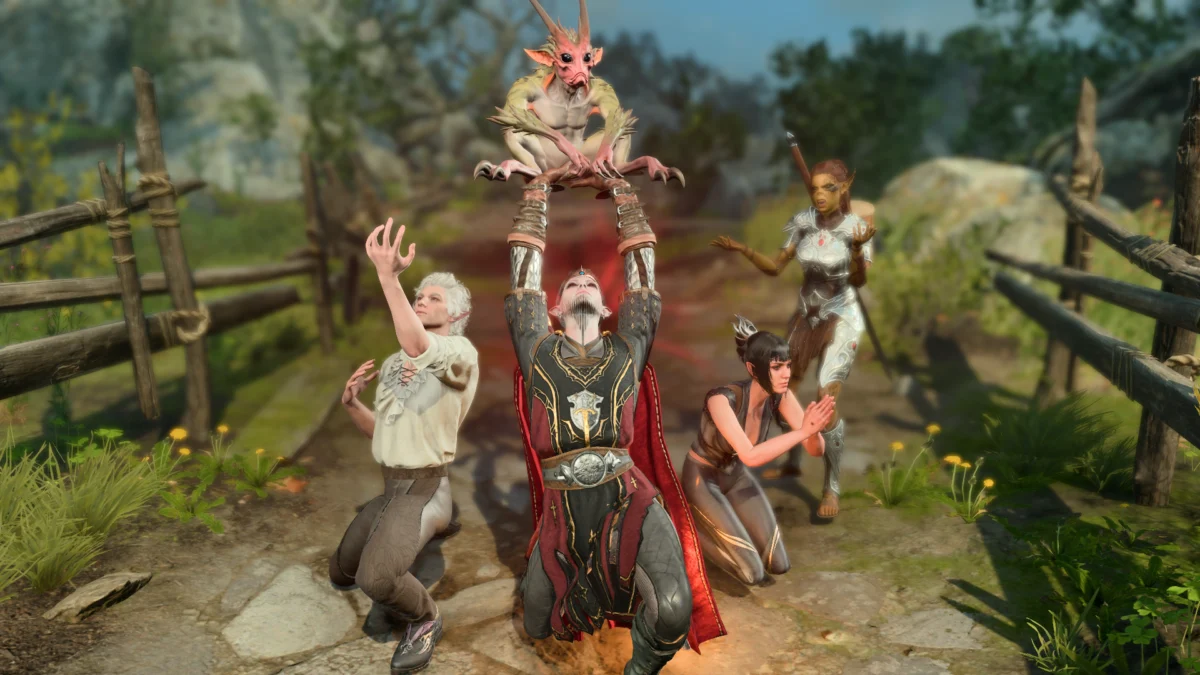
The video game industry is currently grappling with a unique, self-imposed crisis: the "Larian Effect." Since the release of Baldur’s Gate 3 in 2023, the CRPG landscape has shifted fundamentally. Swen Vincke and his team at Larian Studios did more than just release a game; they set a new gold standard for reactivity, narrative depth, and production value that has left the rest of the industry reeling.
Now, the question isn’t whether Baldur’s Gate 4 will be made, but rather, who would be foolish enough to make it? As Larian pivots away from the Dungeons & Dragons license to pursue original projects, the mantle of the Baldur’s Gate franchise sits abandoned. While fans clamor for a sequel, industry veterans and analysts alike are increasingly suggesting that the most respectful move for the future of the series—and the health of the RPG genre—is to leave it alone.
The Weight of Expectation: A Chronology of the Crisis
To understand why Baldur’s Gate 4 is currently an impossible prospect, one must look at the trajectory of the series.
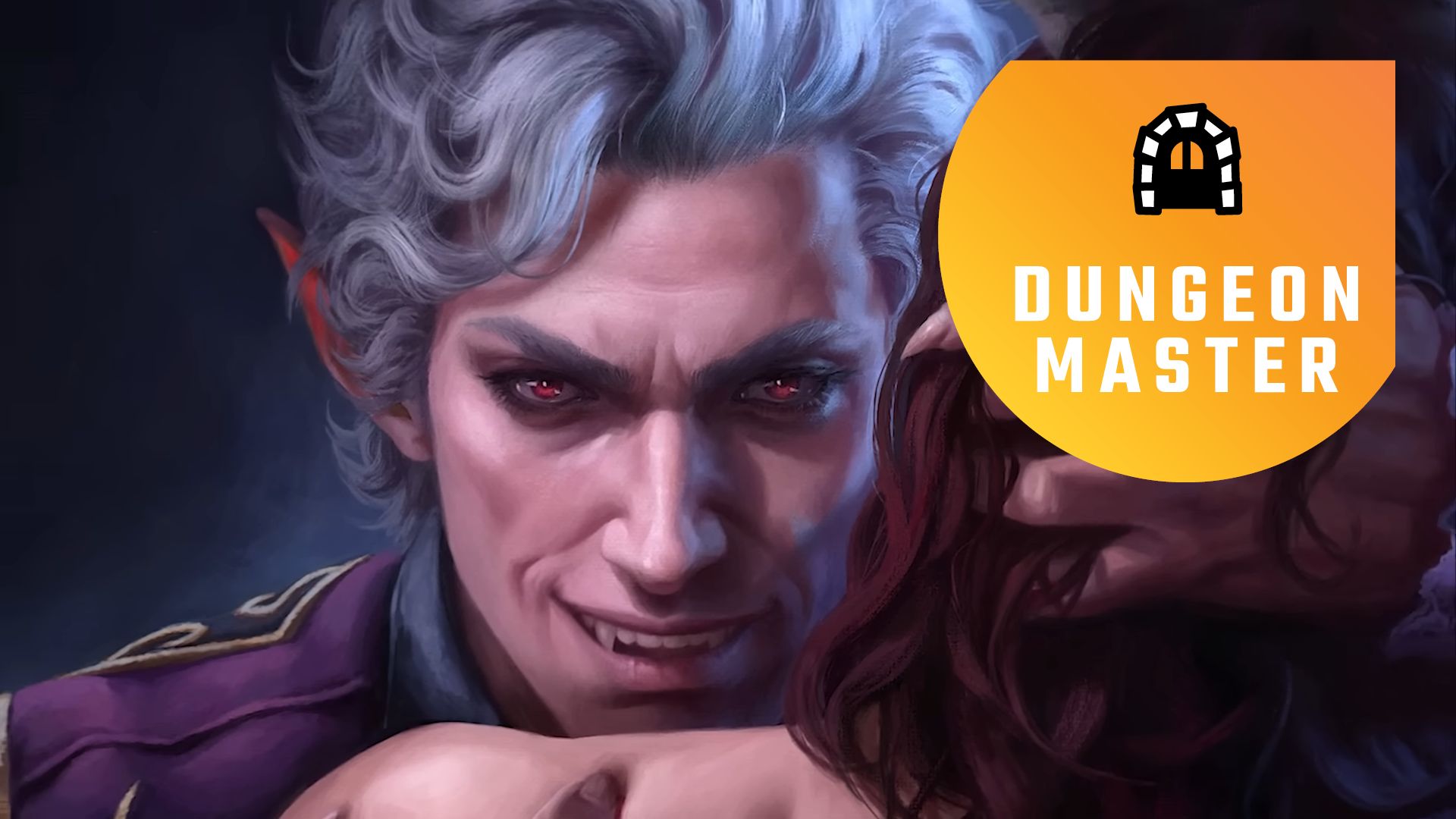
- 1998–2000: The original Baldur’s Gate and Baldur’s Gate 2: Shadows of Amn cemented BioWare as the titan of the isometric RPG. These games were built on the "Infinity Engine," a technology that allowed for a specific style of tactical, party-based storytelling that defined an era.
- 2012: Beamdog, a studio founded by former BioWare employees, began releasing "Enhanced Editions" of the classic games, keeping the flame alive but operating under the shadow of the original creators.
- 2023: Larian Studios releases Baldur’s Gate 3. The game is a massive, multi-year, nine-figure investment that integrates state-of-the-art motion capture, a fully turn-based 5th Edition D&D ruleset, and unparalleled player agency.
- 2024: Larian officially confirms they are moving on from the D&D license. The studio reveals they had early, partially playable concepts for a fourth entry but ultimately decided that the three-to-five-year commitment required to match their previous success was not the path they wanted to take.
The "James Ohlen" Argument: Why Experience is a Liability
The most compelling argument against a direct sequel comes from the people who built the foundation of the genre. James Ohlen, a veteran lead designer of Baldur’s Gate 2 and a titan of the RPG world, recently offered a sobering perspective.
"I wouldn’t want to compete against that," Ohlen remarked regarding the prospect of a follow-up. "Doing Exodus [his new project] is hard enough, but having to compete against Baldur’s Gate 3? That would be insanity."
Ohlen’s reasoning is nuanced. He suggests that the "magic" of the original Baldur’s Gate was derived from a lack of institutional baggage. The original team didn’t have the weight of an existing legacy to live up to; they were young, hungry, and convinced they were going to "crush" the competition. They didn’t know what was impossible, so they did it anyway.
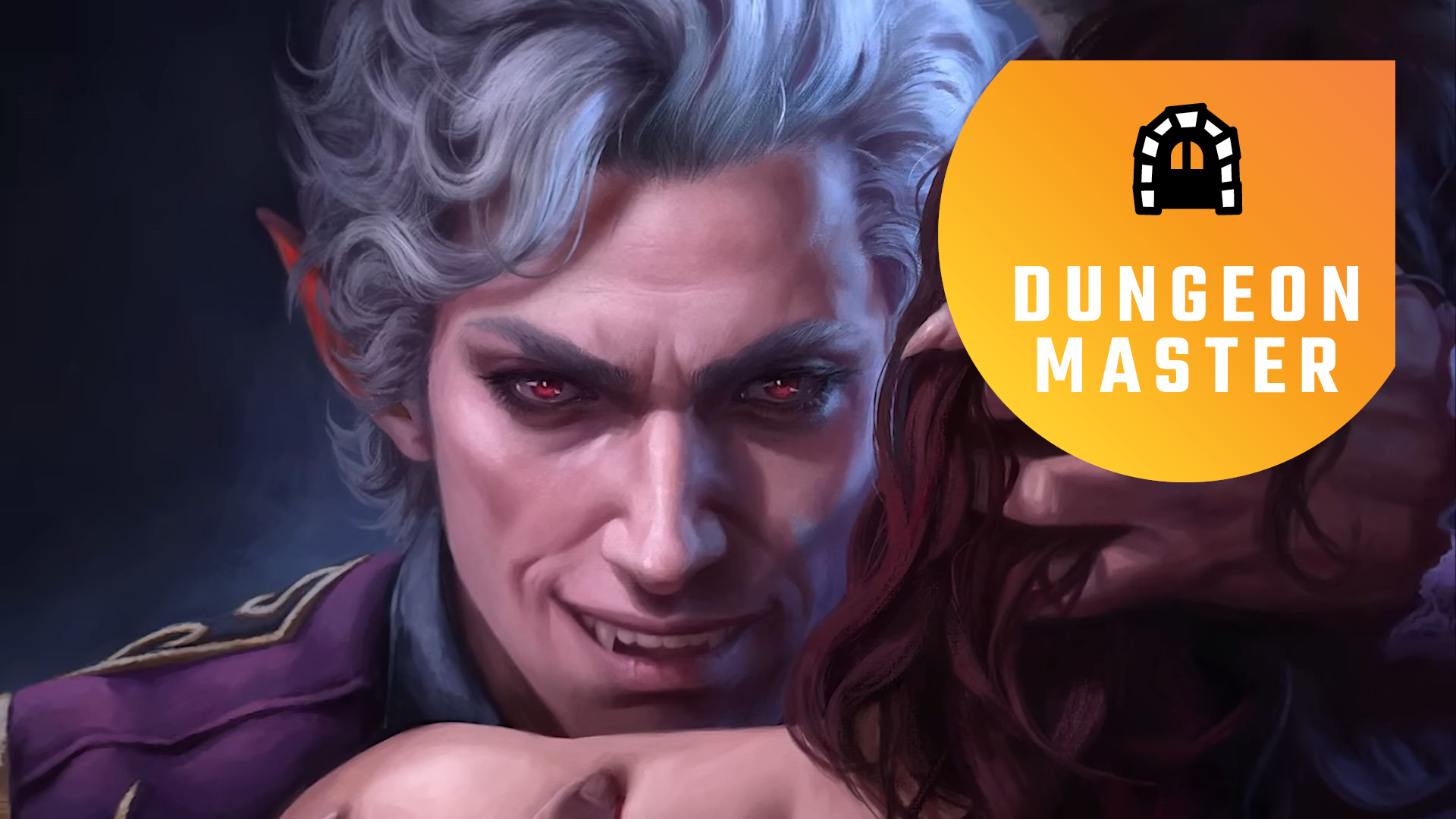
A new team tasked with Baldur’s Gate 4 today would not have that luxury. They would be entering a development cycle immediately compared to the most critically acclaimed RPG of the decade. The "crushing weight" of expectation would likely stifle the creative risks that made the series great in the first place, leading to a product that feels like a pale imitation.
Institutional Knowledge and the "Larian Factor"
Larian Studios was uniquely positioned to create Baldur’s Gate 3. It was a confluence of the right engine (the proprietary Divinity Engine), the right infrastructure, and a decade of experience refining their systemic approach to RPGs through the Divinity: Original Sin series.
When looking for a successor, industry observers often point to studios like Owlcat Games (Pathfinder, Rogue Trader). While Owlcat excels at complex, systemic, "crunchy" RPGs, their design philosophy is fundamentally different from Larian’s. Owlcat’s "more is more" approach—while beloved by hardcore fans—often leads to bloat. Their systems can feel punishingly complex, and their transition to turn-based combat, while welcome, lacks the seamless, cinematic integration found in Baldur’s Gate 3.
Furthermore, smaller studios like Beamdog have already shown that "custodianship" is not the same as "innovation." Even with the best intentions, developers struggling to live in the shadow of giants often end up with compromised, budget-constrained projects that fail to satisfy the massive, mainstream audience that Baldur’s Gate 3 successfully captured.
Official Stance and Strategic Realities
Hasbro, the parent company of Wizards of the Coast and the current owner of the D&D brand, finds itself in a precarious position. While they undoubtedly want to monetize the Baldur’s Gate name, they are not currently in a position to replicate Larian’s success.
Recent reports suggest that remakes of the original Baldur’s Gate titles are in development. This is a safe, iterative move. However, the prospect of a true sequel remains a logistical nightmare. A $100 million project requires a level of studio stability and creative synergy that, quite frankly, few developers possess. As Trent Oster of Beamdog noted, their own pitch for a Baldur’s Gate project was a fraction of the scale of Larian’s, proving that even industry veterans realize they cannot play in the same high-stakes arena as Swen Vincke’s team.
The Implications: A Call for Diversification
If we accept that a better Baldur’s Gate is impossible, the logical conclusion is that the industry should stop trying to make one. The implications for the gaming market are clear: the obsession with "prestige sequels" is killing creativity.
Hasbro manages an entire multiverse of Dungeons & Dragons lore. There are dozens of settings—Planescape, Dark Sun, Eberron, Spelljammer—that offer unique, distinct flavors of fantasy. Why force them all into the Baldur’s Gate mold?
The path forward for Hasbro should not be to hunt for "the next Larian." It should be to nurture a variety of smaller, distinct teams. By investing in diverse projects—even those with lower budgets—Hasbro could allow new studios to experiment, develop their own engines, and refine their own design languages.
Conclusion: Let the Legend Rest
The pursuit of Baldur’s Gate 4 is a race that no developer can win. It is a trap of legacy. If the game is too similar, it is accused of being a lazy retread; if it is too different, it is accused of betraying the brand.
Instead of chasing the ghost of the Bhaalspawn, the industry should look to the future. We are currently living in a golden age of RPGs, where Kingdom Come: Deliverance 2 pushes historical realism, and tiny, experimental indie teams are finding success with "weird" RPGs like Esoteric Ebb.
The most courageous thing Hasbro could do is allow the Baldur’s Gate story to conclude on the high note that Larian provided. Let Baldur’s Gate 3 stand as a monument to what is possible when a studio is given the time, the budget, and the creative freedom to ignore the trends. The best way to respect the legacy of the franchise is to stop trying to force another chapter and start building the foundations for something entirely new.
Perhaps in a decade, when the shadow of Baldur’s Gate 3 has receded, a new studio with a fresh voice and a "we’re going to crush them" attitude will emerge. Until then, let’s leave the tavern, ignore the goblin puke, and look for a new adventure elsewhere.

