

The landscape of video game preservation and emulation has long been a slow-moving, meticulous endeavor. For decades, enthusiasts have spent years—sometimes over a decade—reverse-engineering console architectures to achieve even a bootable screen. However, a seismic shift has occurred in the emulation scene. Projects targeting Sony’s PlayStation 5, specifically SharpEmu and KytyPS5, are currently achieving milestones that many experts previously thought were years away.
While the dream of playing Demon’s Souls or Astro Bot on a high-end PC is not yet a reality for the average user, the pace of progress has become undeniable. This rapid evolution is not merely the result of brute-force engineering; it represents a fundamental change in how software development is approached, fueled by the integration of Artificial Intelligence and a new generation of high-performance hardware.
The State of Play: Current Compatibility and Milestones
To understand the gravity of recent developments, one must look at the data. The SharpEmu project, led by developers like the one known as "Scarecrow," has been transparent about its progress. As of recent updates, out of 55 tested titles, 12 have reached the "in-game" state, with six achieving full playability at a locked 60 frames per second.
While these titles are largely comprised of smaller indie projects and retro-remaster collections—such as the Tomb Raider 4-6 Remastered series—the implications are massive. The hurdle of "booting" a game is the most significant barrier in emulation; once a title is running in-game, the remaining work is largely optimization and stability.
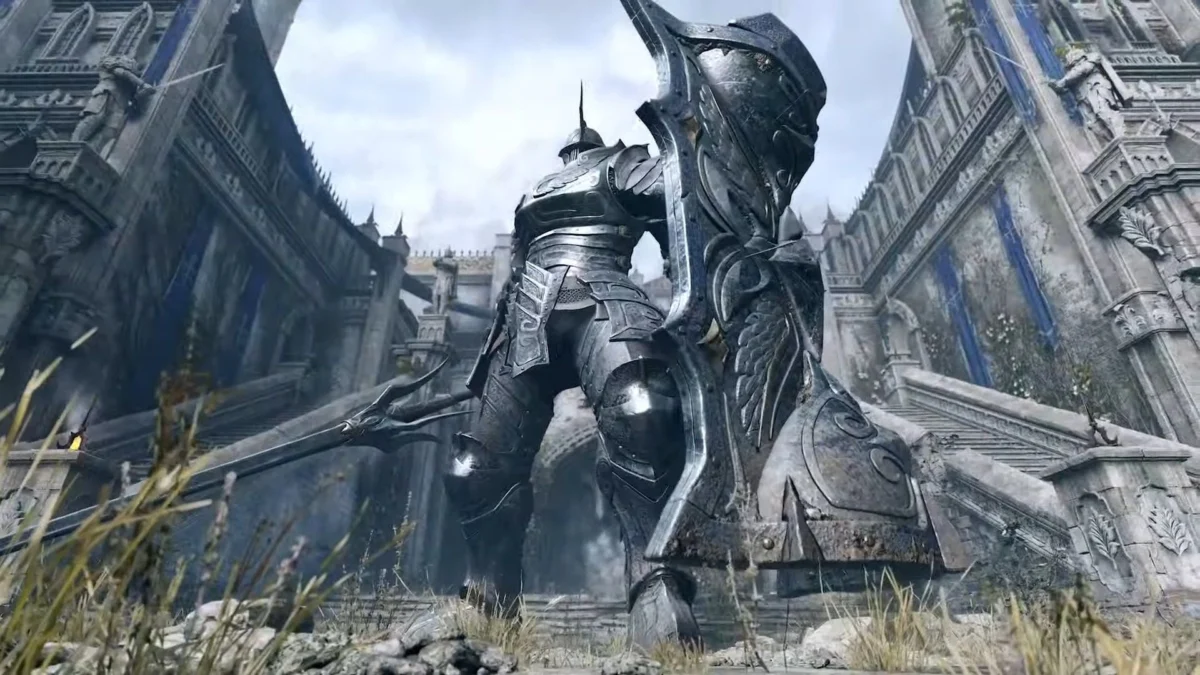
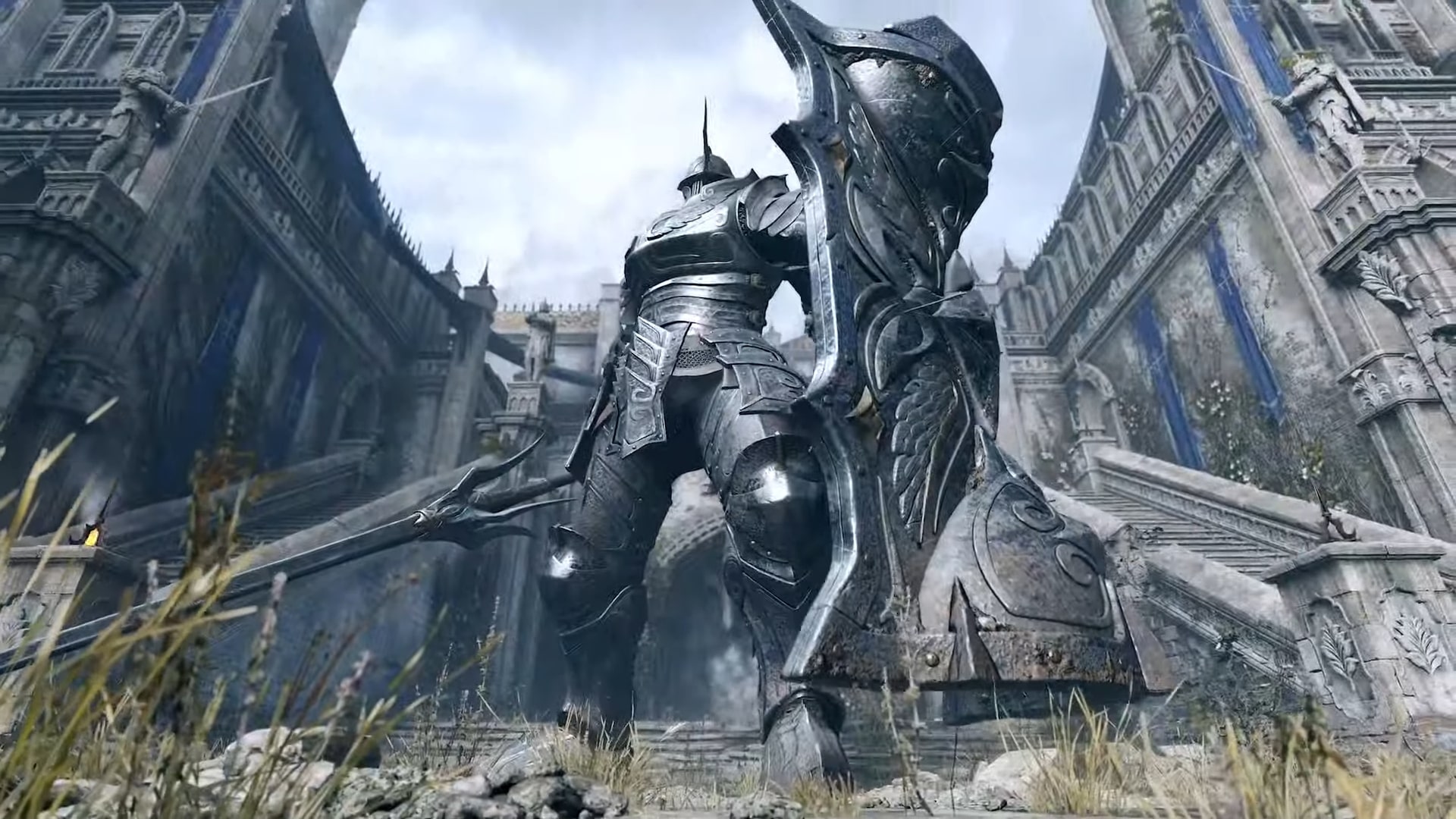
The KytyPS5 project has mirrored this success, arguably pushing even further into the realm of AAA gaming. Recent demonstrations have shown the Demon’s Souls remake running at 30fps and, more recently, hitting 40 to 50fps on enthusiast-grade hardware. It is important to temper expectations: achieving these frame rates requires absolute top-tier hardware, such as an NVIDIA GeForce RTX 5090 paired with an Intel Core i9-14900K. These are "monstrous" configurations that represent the bleeding edge of consumer technology, far exceeding the native performance envelope of the PS5 itself.
A Brief Chronology of PS5 Emulation
The timeline of PS5 emulation is surprisingly short. Unlike the PS3, which required the monumental effort of the RPCS3 project to overcome the Cell processor’s unique and complex architecture, the PS5 shares a much more familiar x86-64 lineage with modern PCs.

- Early Conceptualization (2021-2022): Initial efforts were largely focused on understanding the PS5’s operating system and API calls. Projects like Kyty began as experiments in translating PS5 system calls into Windows-compatible instructions.
- The "In-Game" Breakthrough (Early 2024): Developers began moving beyond simple command-line outputs, successfully initializing graphics pipelines.
- The AI Acceleration Phase (Late 2024 – Present): The introduction of AI-assisted coding tools began to influence the rate of development. By leveraging LLMs (Large Language Models) to handle boilerplate code and reverse-engineering tasks, developers significantly shortened the time required to map out system libraries.
- The AAA Milestone (Current): With Demon’s Souls and Astro Bot showing signs of life, the community has shifted focus from "can it boot?" to "can it be optimized?"
The Role of AI: Tool or Catalyst?
The most debated topic in the current emulation sphere is the role of Artificial Intelligence. Modern Vintage Gamer and other industry analysts have pointed to AI as a primary driver behind the sudden acceleration of these projects.
AI models are exceptionally good at pattern recognition, which is the backbone of reverse engineering. When a developer encounters a proprietary Sony API call, AI tools can help predict the function and suggest a translation layer, effectively acting as an assistant that can parse thousands of lines of documentation in seconds.
However, this has created a cultural divide within the open-source community. The GitHub repositories for both SharpEmu and KytyPS5 have implemented strict guidelines: contributors are permitted to use AI for research and code generation, but they must be capable of explaining, debugging, and maintaining that code. This is a direct response to the "AI slop" phenomenon—a derogatory term used by veteran developers to describe code generated by users who lack the fundamental knowledge to verify if the code actually works.
The tension is high. The team behind the renowned PS3 emulator, RPCS3, recently issued a public plea for contributors to "stop submitting AI slop," warning that an influx of unverified, AI-generated code threatens the long-term stability and security of their projects.
Technical Implications: Why is it Moving So Fast?
Why has PS5 emulation progressed in months what took years for previous consoles?
- Shared Architecture: The PS5 is, for all intents and purposes, a highly specialized PC. The transition from the console’s custom APU to a desktop PC is significantly less taxing than the transition from the PS3’s Cell architecture.
- Modern Developer Tooling: The availability of sophisticated debugging tools and community-driven documentation has democratized the process.
- LLM-Assisted Reverse Engineering: As noted, AI acts as a force multiplier. It allows developers to offload the drudgery of writing repetitive translation layers, freeing them to focus on the high-level logic of rendering and audio emulation.
- Community Crowdsourcing: The "vibecoding" trend—while often criticized for producing low-quality code—has nonetheless increased the total number of "eyes" on the problem.
The Ethical and Legal Landscape
It is vital to distinguish between "viability" and "usability." Despite the impressive videos circulating on YouTube, these emulators remain in a highly unstable state. Users should expect frequent crashes, broken audio, and significant visual artifacts.
Furthermore, Sony’s legal stance remains unchanged. Emulation itself is a legal gray area, but the redistribution of proprietary firmware—often required to make these emulators function—is a direct violation of Sony’s End User License Agreements (EULA) and intellectual property rights. As these emulators approach a state where they might actually run commercial titles, it is almost certain that Sony will take a more aggressive approach to protect its ecosystem, likely leading to DMCA takedowns of repositories or legal threats against the developers.
The Future of Preservation
The ultimate goal of emulation is not piracy, but the long-term preservation of digital art. Consoles are finite, physical objects that will eventually degrade. Emulation ensures that the titles we enjoy today remain playable for future generations.
The current rapid progress in PS5 emulation provides a double-edged sword. It showcases the incredible capability of the global developer community to harness new technology to solve old problems. Simultaneously, it highlights the fragility of open-source projects when flooded with contributors who prioritize speed over substance.
As we look toward the future, the emulation community faces a critical juncture. If developers can successfully integrate AI-assisted workflows without sacrificing code quality or integrity, we may see a future where console cycles no longer mean the "death" of a library of games. However, if the trend of "slop code" continues to plague these projects, the resulting software may become a tangled web of unmaintainable, buggy code that ultimately hinders more than it helps.
For now, the world watches. The sight of Demon’s Souls flickering to life on a PC screen is a testament to human ingenuity. Whether this leads to a stable, playable emulation platform or serves as a cautionary tale about the limits of AI-assisted development remains to be seen. One thing is certain: the speed at which we can reverse-engineer the world’s most powerful consoles has forever changed, and there is no turning back.

