

By Global Gaming Desk
Published: November 2026
Main Facts: The Resurgence of a Masterpiece
More than ten years after its initial launch, The Witcher 3: Wild Hunt has once again captured the imagination of the global gaming community. Following the official release of its hotly anticipated, visually enhanced remaster, CD Projekt Red’s seminal open-world role-playing game has experienced an extraordinary wave of engagement.
According to real-time tracking data provided by SteamDB, the title recently hit a staggering peak of 123,359 concurrent players on Steam alone. This figure marks a monumental leap from the game’s summer baseline averages, which hovered around a modest 30,000 concurrent users.
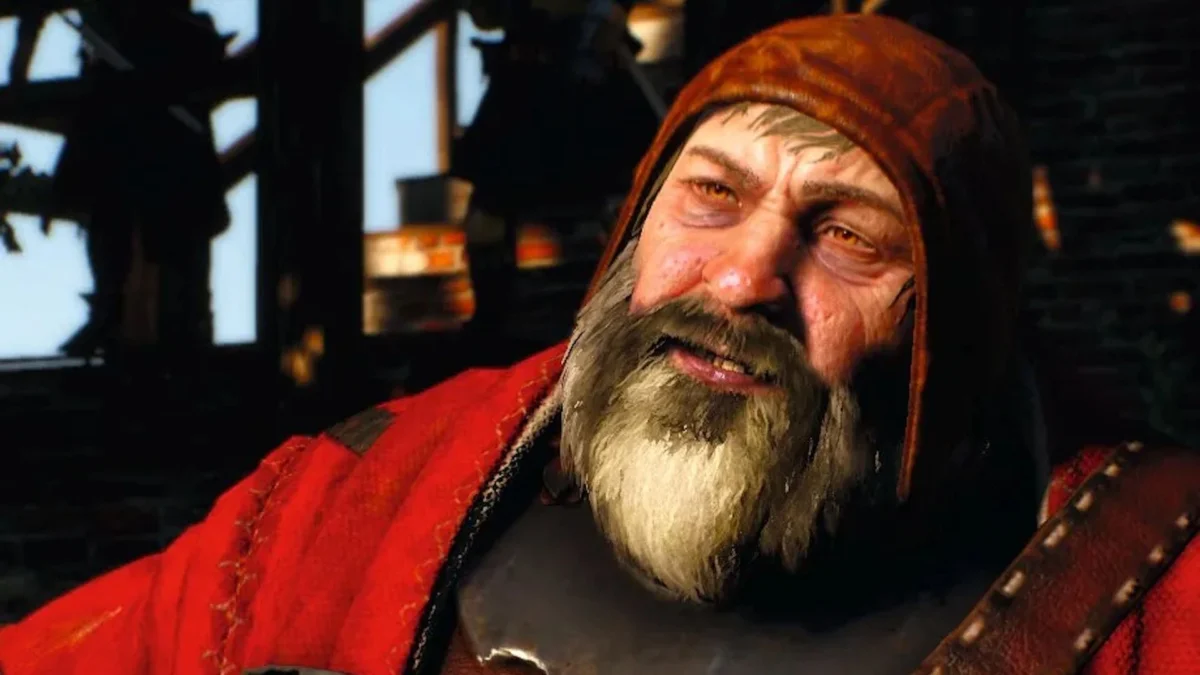
The primary catalyst for this sudden influx is the deployment of the comprehensive remaster, which introduces next-generation graphical fidelity, quality-of-life enhancements, and—to the delight of long-time fans—an even shinier, high-definition rendition of Geralt of Rivia in his iconic bathtub. Crucially, CD Projekt Red has made this upgraded version entirely free for existing owners of the base game on PC, consoles, and current-generation platforms. Coupled with steep promotional discounts during the ongoing Steam Autumn Sale, the barrier to entry for both newcomers and returning veterans has never been lower.
Chronology: From 2015 Release to the 2026 Remaster
To understand the magnitude of this current milestone, it is essential to trace the journey of The Witcher 3: Wild Hunt since its inception:
- May 2015: The Witcher 3: Wild Hunt launches worldwide to universal critical acclaim. Reviewers praise its sprawling narrative, morally gray decision-making, and rich atmospheric world-building rooted in Andrzej Sapkowski’s literary universe. PC Gamer’s Shaun Prescott awards the game a commanding 92%, calling it "a big, beautiful, sprawling action RPG full of rich stories, and suffused with an oppressive darkness."
- 2015–2016: CD Projekt Red releases two massive, critically lauded expansions—Hearts of Stone and Blood and Wine—which many critics consider to be among the finest DLC additions in video game history.
- December 2019: Netflix premieres The Witcher television series starring Henry Cavill. This adaptation triggers a massive secondary wave of interest, pushing the game past previous concurrent player milestones on Steam at the time.
- December 2022: CD Projekt Red releases the first major next-generation patch for modern consoles and PC, introducing ray-tracing, integrated community-made mods, and visual overhauls.
- Late 2026: The fully realized, comprehensive remaster arrives, incorporating advanced optimization, extended modding framework compatibility, and further visual refinements, setting off the historic 123,359 concurrent player peak on Steam.
Supporting Data: Breaking Down the Numbers
The resurgence of The Witcher 3 is not merely a fleeting moment of nostalgia; it is backed by concrete analytics from digital distribution platforms and community modification hubs:
- 123,359 Concurrent Users: Reached on Steam shortly after the global rollout of the remaster, dwarfing the game’s summer 2026 peaks of roughly 30,000 players.
- Modding Community Adoption: Within days of the remaster’s launch, over 450 community-created mods were rapidly updated by their creators to ensure full compatibility with the new software architecture, proving the enduring dedication of the game’s modding scene.
- Pricing and Accessibility: The game continues to maintain its status as a digital storefront staple, currently sitting at a 50% discount during the seasonal sales, ensuring continuous acquisition by a younger generation of gamers.
- Critical Baseline: Maintaining its historical 92% aggregate rating trajectory across major gaming publications, proving that foundational game design holds up against modern releases.
Official Responses and Developer Insights
CD Projekt Red has expressed immense gratitude toward the global gaming community for continuing to support the franchise a decade after its initial release. In statements accompanying the rollout of the remaster, development leads emphasized that the project was a "labor of love" designed to bridge the gap between older hardware generations and the expectations of modern players.
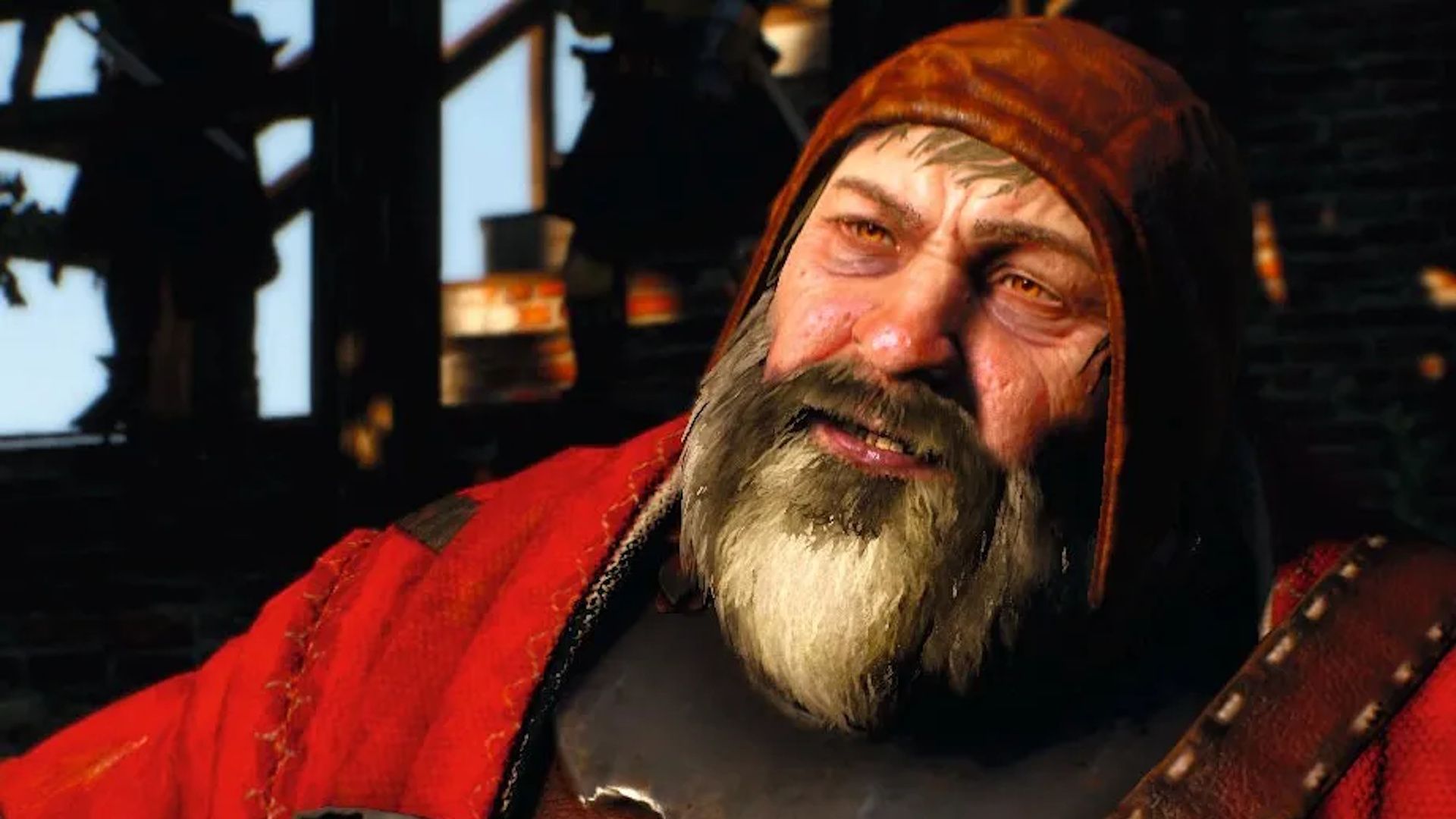
"When we first crafted the Continent back in 2015, we hoped it would resonate with players, but the longevity of Geralt’s story has exceeded our wildest expectations," noted a representative from CD Projekt Red. "Updating the game for modern systems wasn’t just about polishing the pixels or adding ray-tracing; it was about honoring the community that has kept the taverns of Velen and the streets of Novigrad alive for over a decade."
Community figures and modding pioneers have similarly praised the studio for maintaining an open development environment, allowing veteran modders early access to technical documentation so that beloved fan-made overhauls, lighting enhancements, and transmog systems could transition seamlessly into the remastered edition.
Implications: What This Means for the Future of RPGs and CD Projekt Red
The unprecedented success of The Witcher 3‘s remaster carries significant implications for both CD Projekt Red and the broader games industry:
1. Sustained Intellectual Property Value
For CD Projekt Red, the ability to reignite a 10-year-old single-player game into a top-charting Steam title demonstrates the enduring commercial and cultural value of their intellectual properties. As the studio actively develops future projects—including the next installment in the Witcher saga (codenamed Project Polaris)—this active, highly engaged player base serves as a massive built-in audience for future franchise expansions.
2. The Economic Viability of Free Upgrades
By offering the remaster as a complimentary upgrade to existing owners, CD Projekt Red has reinforced consumer goodwill. Rather than alienating their loyal customer base with full-price repurchases, the studio fostered an organic, viral word-of-mouth marketing campaign. The influx of new players purchasing discounted base copies heavily offsets development costs, proving that player-first upgrade paths can yield massive financial and community dividends.
3. Setting the Standard for Remasters
In an era where the gaming industry is frequently saturated with expensive, minimal-effort ports and remasters, The Witcher 3 sets a gold standard. By integrating high-demand community mods directly into the official build, optimizing performance for modern hardware, and preserving the intricate narrative depth that made the original a classic, CD Projekt Red has shown how classic titles can successfully navigate generational transitions.
Whether players are returning to test out the newly optimized mod lists, experimenting with Geralt’s updated wardrobe through the game’s integrated transmog system, or stepping onto the path for the very first time, The Witcher 3: Wild Hunt proves that great storytelling truly is timeless.

