

When Dying Light 2: Stay Human first shambled onto the scene in 2022, the reception was, to put it mildly, polarized. While it promised a sprawling, narrative-driven parkour epic, many players found the experience lacking the soul and mechanical cohesion of its predecessor. However, in the four years since its launch, developer Techland has embarked on one of the most dedicated redemption arcs in modern gaming.
Through a relentless cadence of updates—reworking the parkour physics, introducing terrifying Volatiles to the night cycle, and deepening the combat’s impact—the studio has successfully transformed a controversial sequel into a robust, fan-favorite playground. Now, with the release of Patch 1.28, Techland is pivoting toward its most ambitious goal yet: turning Dying Light 2 into a platform for User-Generated Content (UGC), inviting the community to take the keys to the city.
A Legacy of Iteration: The Path to Patch 1.28
To understand why the introduction of a robust UGC framework is such a significant milestone, one must first look at the state of Dying Light 2 at launch. The game suffered from a disjointed narrative and a parkour system that felt "floaty" to veteran players of the original game.
Techland’s strategy for the post-launch period was not to abandon the title, but to systematically deconstruct and improve its core pillars.
- 2022-2023: The focus was on stability and technical performance. The "Good Night, Good Luck" update marked a turning point, drastically increasing the threat level of nocturnal encounters.
- 2023-2024: The studio turned its attention to player agency. Features like New Game+ and replayable bounties were introduced to provide long-term retention for the endgame crowd.
- Late 2024: The current shift toward UGC represents the final stage of this transformation, transitioning the game from a fixed narrative product to a living, community-driven platform.
Breaking Boundaries: What is "The Breach"?
The core of Patch 1.28 is a new initiative internally dubbed "The Breach." As described by Rafal Polito, Techland’s UGC program manager, the goal is to dismantle the barriers between developer intent and player imagination.
"Patch 1.28 is something we wanted to do for a long time—opening Dying Light 2: Stay Human much more to player creativity," Polito explained in a recent devblog. "The Breach is our way of inviting you to create the game with us."
Mechanically, the update integrates UGC directly into the game’s world. Once players complete the initial prologue, they encounter two familiar faces from the franchise’s history: Tolga and Fatin. These characters serve as the narrative gatekeepers to a new portal that acts as a gateway to the community-curated ecosystem. This is not merely a mod menu; it is a curated hub where players can seamlessly transition into custom scenarios without needing to navigate external file directories or complex installation processes.
From Soulslikes to Dead Space: The Potential of Modding
The initial offerings provided by the community through this new portal are already demonstrating the versatility of Techland’s engine. The update officially introduces support for major gameplay overhauls, including a highly requested third-person perspective mode and a low-gravity environment setting.
However, the standout projects are those that completely subvert the game’s original genre expectations.
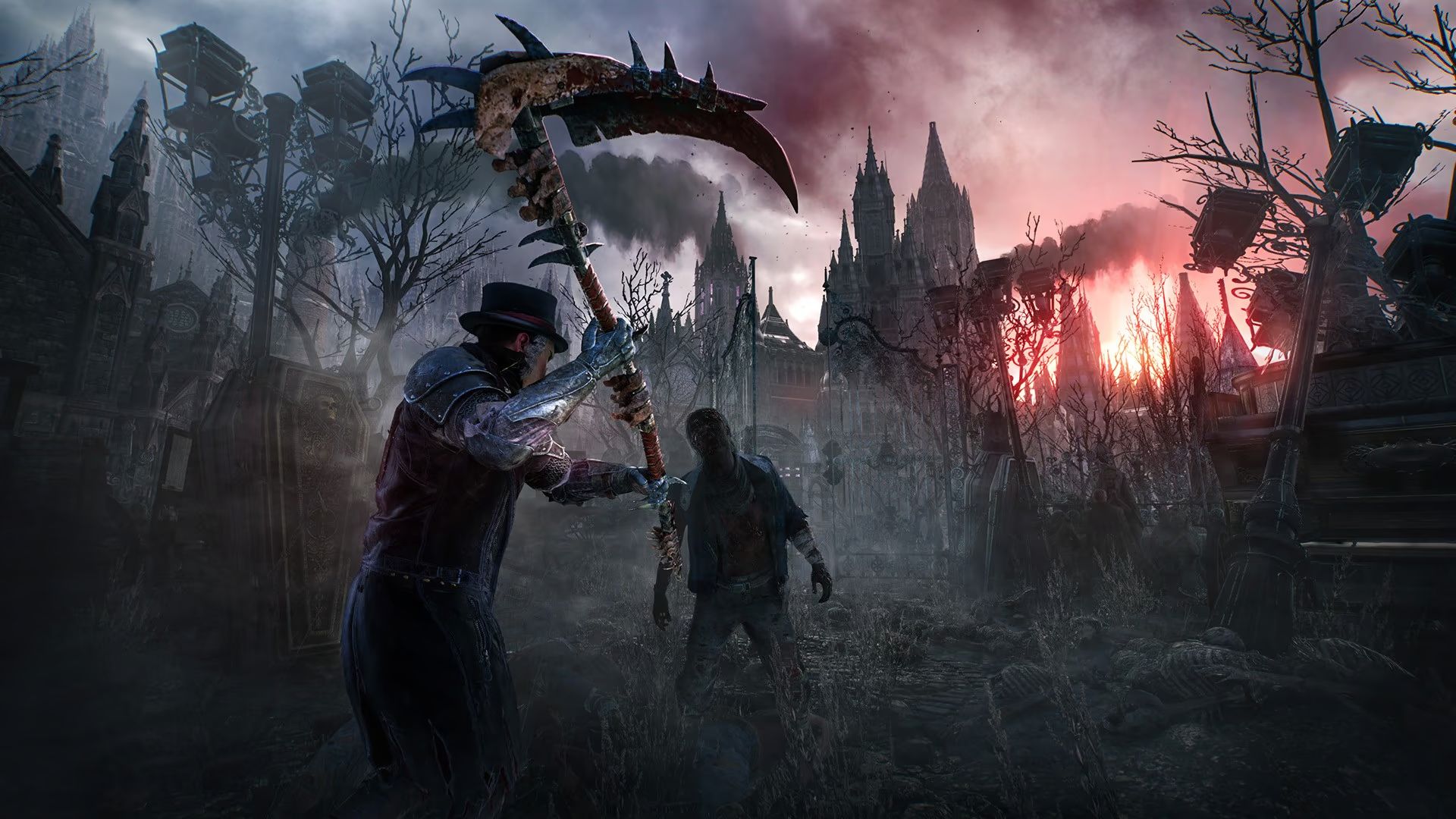
- The Atomborne: This map recontextualizes the parkour and combat mechanics within a gothic, high-stakes environment reminiscent of the Dark Souls series. It proves that the engine’s combat weight can support more methodical, punishing gameplay.
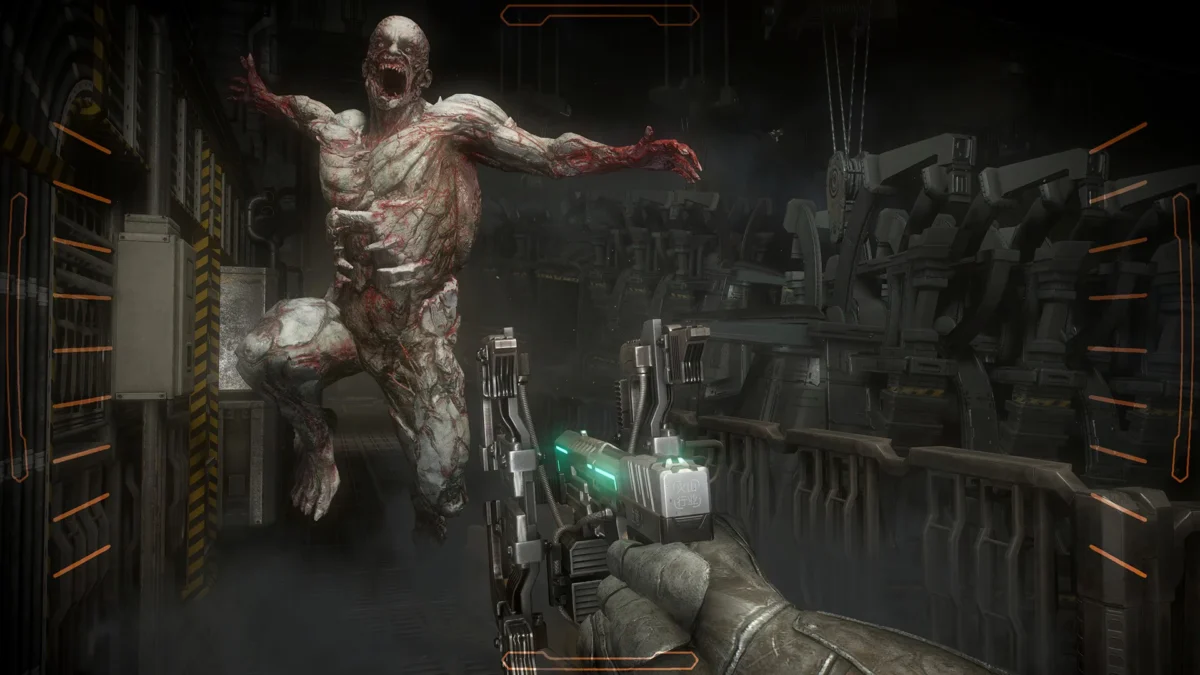
- Dead Circuit: Perhaps the most impressive upcoming addition, this mod attempts to transform the game into a sci-fi horror experience inspired by Dead Space, utilizing the game’s lighting engine to create claustrophobic, terrifying corridors that feel entirely distinct from the base game’s urban environment.
The Business of UGC: A Strategic Pivot
Techland’s decision to embrace UGC is not just a gesture of goodwill; it is a strategic maneuver that aligns with the current economics of the gaming industry. As evidenced by the colossal success of platforms like Minecraft, Roblox, and Fortnite, user-generated content is the primary driver of long-term engagement and monetization in the modern era.
By providing the tools to the community, Techland effectively crowdsources the future of its game’s content. If a developer can transform their title into a platform rather than a singular release, they can bypass the traditional development cycles that typically lead to a game’s eventual obsolescence.
However, there is a reality check required when looking at the numbers. While Dying Light 2 has been a financial success for Techland, current daily concurrent player counts on Steam hover in the low thousands. Compared to the millions of daily active users on Roblox, Dying Light 2 is not a "behemoth." The challenge for Techland will be to foster a modding community vibrant enough to keep these numbers trending upward, rather than relying on the dwindling player base of the base game alone.
Implications for the Future of Techland
Despite the modest player numbers, there is a strong argument for the safety and quality control inherent in a moderated UGC system like "The Breach." Unlike Roblox, which has faced significant criticism regarding its handling of child safety, exploitative microtransaction models, and labor practices, Techland is maintaining a curated environment.
By positioning themselves as the gatekeepers of this content, Techland ensures that the "modded" experience remains within the established quality standards of the franchise. It provides a safer, more polished alternative for players who want the creative freedom of a sandbox without the chaotic—and often toxic—landscape of mainstream UGC platforms.
Conclusion: A New Life for Villedor
Techland’s journey with Dying Light 2 serves as a case study for modern game management. They have proven that with enough time and an willingness to listen to community feedback, a game can indeed be saved. By opening the doors to user-generated content, they are effectively passing the torch to the players.
Whether the community can rise to the challenge and turn Villedor into the next great modding frontier remains to be seen. But one thing is clear: Dying Light 2 is no longer just the game Techland built in 2022. It is becoming a canvas, and for the first time in its history, the players are finally holding the brush. As we look toward the future, the success of "The Breach" will likely dictate not only the longevity of this specific title but perhaps the development philosophy for Techland’s future endeavors.

