

In the ever-evolving landscape of modern CRPGs, few developers command the sheer, relentless work ethic of Owlcat Games. Known for their intricate, rule-dense adaptations of tabletop systems, the studio is currently juggling a massive portfolio: the upcoming sci-fi epic The Expanse: A Sci-Fi RPG, the highly anticipated Warhammer 40,000: Dark Heresy, and the continuous, post-launch support for their 2023 flagship title, Warhammer 40,000: Rogue Trader.
As Owlcat celebrates a decade of pioneering "sicko-level" multiclassing mechanics, the studio has released a significant update accompanying the latest expansion, The Infinite Museion. While the new content offers fresh challenges, it is the sweeping balance pass included in the update that has caught the attention of the game’s dedicated theory-crafting community. By targeting underperforming archetypes and refining antagonist viability, Owlcat is signaling that Rogue Trader is far from a finished product—it is a living system.
The Core Shifts: Rebalancing the Glassjaws
For many seasoned players, the tactical meta of Rogue Trader had become somewhat stagnant. Two archetypes in particular—the Operative and the Assassin—were frequently relegated to the fringes of viability. While the game’s systems allowed for creative expression, the Operative consistently paled in comparison to the high-octane output of the Soldier archetype, while the Assassin struggled to maintain relevance against the overwhelming utility and raw damage potential of the Executioner.
Addressing the Archetype Imbalance
The latest patch seeks to bridge this gap through fundamental mechanical adjustments. Most notably, Owlcat has implemented a change to how "keystone" abilities function. Previously, these critical skills were often gated or restricted during the bonus turns provided by the Officer class—a staple of the high-difficulty meta.
By allowing these abilities to trigger during bonus turns, Owlcat has effectively opened the floodgates for new, complex combat rotations. In a game where maximizing action economy is the difference between victory and a squad wipe, this change is nothing short of transformative. Operatives, in particular, have received broader buffs to their base ability suite, ensuring that they can now stand toe-to-toe with other ranged damage dealers without feeling like a "glassjaw" liability.
A Legacy of Iteration: The Chronology of Support
Owlcat’s development philosophy has always been one of long-term commitment. Their history with the Pathfinder series—Kingmaker and Wrath of the Righteous—serves as a blueprint for their current strategy. Both titles were released as massive, ambitious, and occasionally bug-ridden experiences, only to be refined over years of rigorous patching and DLC integration.
Today, Pathfinder: Wrath of the Righteous is widely considered one of the definitive CRPGs of the modern era, boasting 232 subclasses and enough build-crafting depth to occupy players for thousands of hours. The studio’s trajectory with Rogue Trader follows this same "fine wine" maturation process.
- Launch (2023): Rogue Trader arrived with a complex, lore-accurate ruleset that delighted fans of the Warhammer 40,000 universe but left many struggling with balance issues and technical hurdles.
- Initial Post-Launch Phase: The studio focused heavily on stabilizing performance and addressing critical path-breaking bugs.
- Expansion and Refinement (2024-Present): With The Infinite Museion, the focus has shifted toward deeper mechanical adjustments and character viability, acknowledging player feedback regarding the "weakest links" in the class system.
Supporting Data: Why the Meta Matters
The Rogue Trader community is famously data-driven. Forums and Discord channels are filled with spreadsheets detailing action-point efficiency, armor penetration formulas, and critical hit scaling. When a developer makes a move to buff a specific character, such as the antagonist-turned-companion Uralon the Cruel, it is an acknowledgement of the community’s collective findings.
The Case of Uralon the Cruel
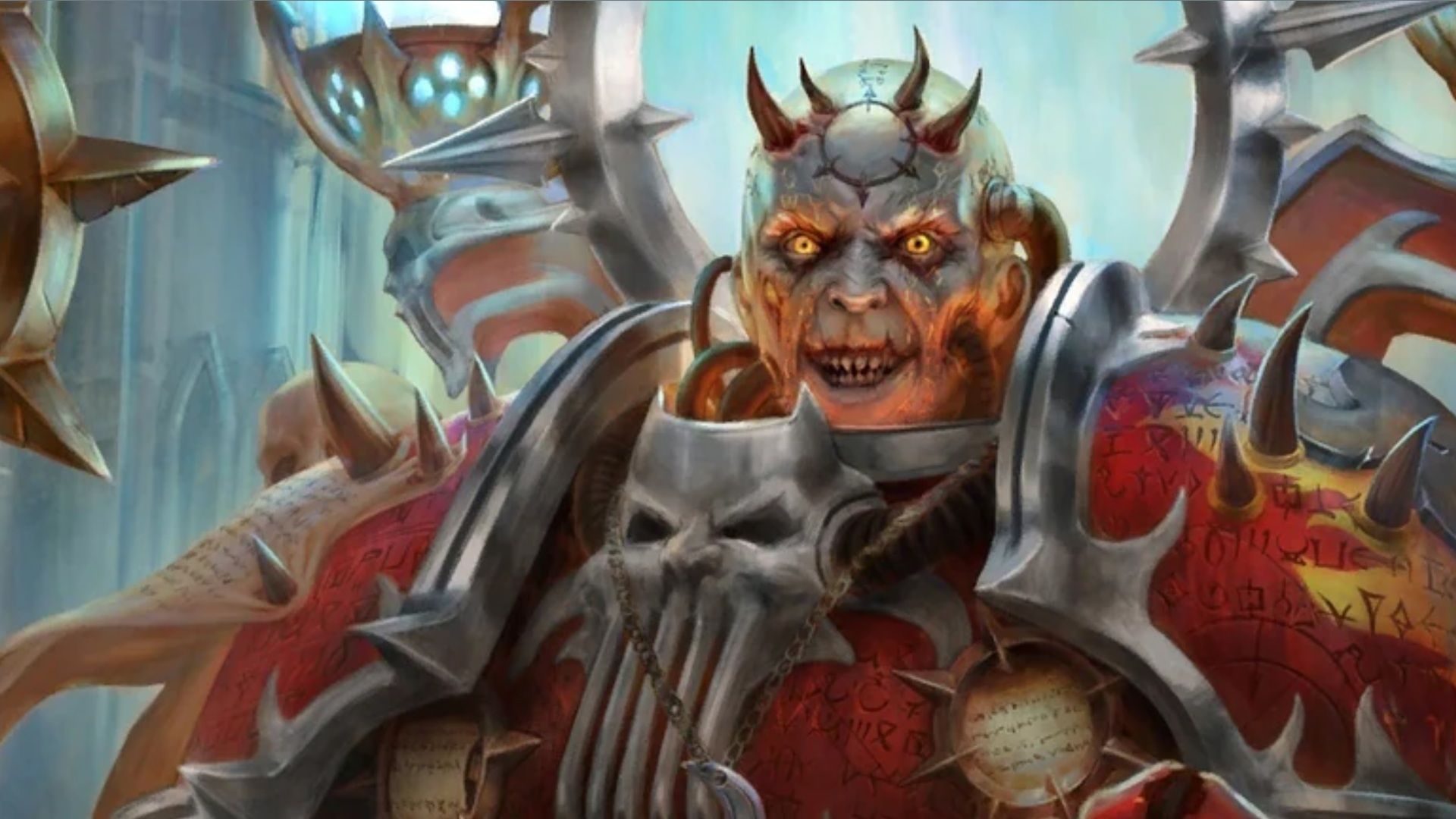
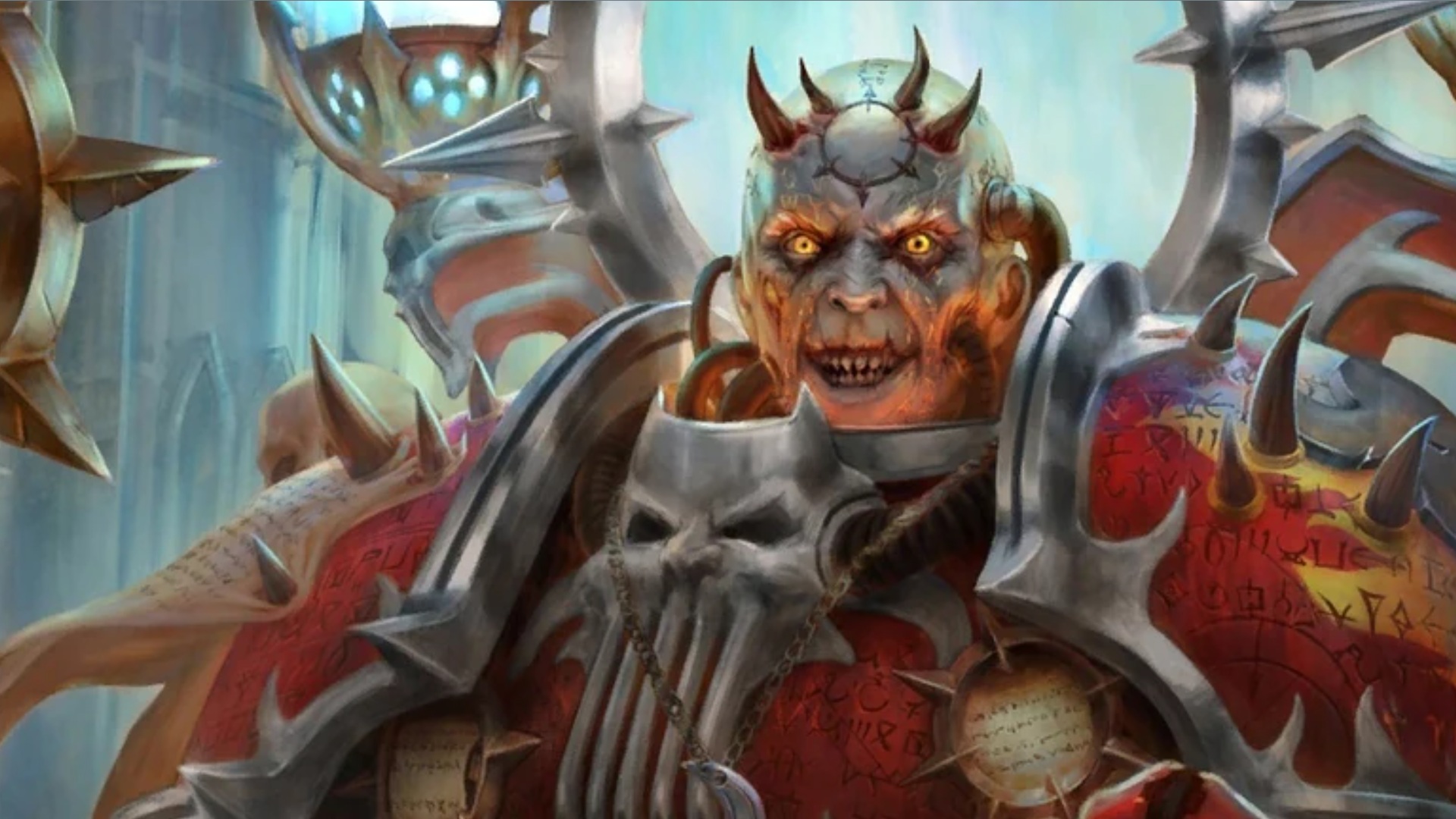
Uralon, a Chaos Space Marine whose presence is a highlight for players pursuing "heretical" or "villainous" playthroughs, was widely criticized for being mechanically underwhelming. Despite his imposing presence, his stats and scaling failed to keep pace with the power creep of late-game mercenaries and story companions. The latest patch serves as a direct response to this, providing him with a comprehensive overhaul of his stats and loot pools. By making him a competitive choice, Owlcat is rewarding players who lean into the darker, more narrative-heavy aspects of the game.
Implications for the Player Base
Perhaps the most significant takeaway from this update is what is missing: nerfs. In a genre where "balancing" often means stripping away fun, high-damage exploits to force players into a specific playstyle, Owlcat’s decision to avoid major nerfs is a breath of fresh air.
Players who have invested hundreds of hours into "ludicrous" builds—such as the Bladedancer-Executioner hybrid—can rest easy. The studio is not interested in policing how players break their game; they are interested in making sure that every playstyle has a seat at the table.
This approach has massive implications for the future of the game. By continuing to expand the sandbox rather than restricting it, Owlcat ensures that Rogue Trader remains a playground for theory-crafters. It encourages players to return, experiment with new character builds, and explore the narrative branches they might have skipped during their initial, more rigid playthroughs.
The Road Ahead: The Future of Owlcat
As the studio shifts resources toward The Expanse: Osiris Reborn and the development of Dark Heresy, the lessons learned from Rogue Trader will undoubtedly serve them well. The transition to a "Mass Effect-style" cinematic action RPG is a bold move for a studio primarily known for top-down, isometric tactical combat. However, if their track record is any indication, they have the patience and the technical acumen to succeed.
For the average player, the immediate benefit is clear: Rogue Trader is becoming a more cohesive, balanced, and rewarding experience. For those who have been "elbows-deep" in the Pathfinder series, or those who have been waiting for the "perfect" version of Rogue Trader to finally dive in, there has never been a better time to engage with the Void.
Final Reflections
The "Interacting with objects at the cultist hideout at Rykad Minoris no longer endlessly causes trauma" patch note is more than just a funny bug fix—it is a microcosm of the current state of Rogue Trader. It represents a studio that is listening, cleaning up the rough edges, and slowly polishing a diamond in the rough. Whether one is a devotee of the Warhammer lore or simply a fan of high-complexity RPGs, the current state of the game suggests that Owlcat’s dedication to their craft is as potent as ever.
As we look toward the next 100 hours of gameplay—or perhaps the next 10 years of Owlcat releases—one thing is certain: the era of the "build-sicko" is far from over. It is only just beginning.

