

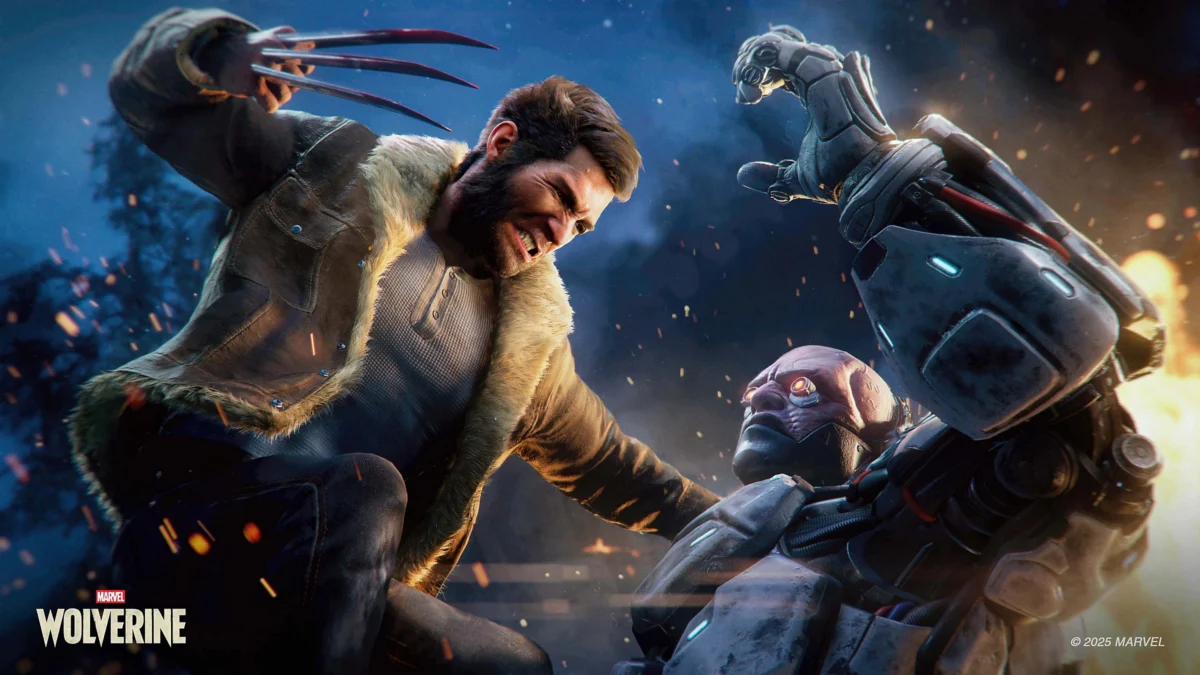
The release of Marvel’s Wolverine was intended to be a watershed moment for Insomniac Games and a cornerstone of Sony’s PlayStation 5 library. Following the monumental success of the Spider-Man series, expectations for the studio’s take on the iconic mutant were nothing short of stratospheric. However, as the review embargoes lifted and the first wave of public impressions flooded the internet, it became clear that the "Canucklehead" had failed to stick the landing.
The game is not a disaster by conventional metrics—it is functional, occasionally polished, and features strong narrative performances—but it is decidedly not "great." In an industry defined by hyper-competitive excellence, "fine" is often synonymous with failure, especially when a project is positioned as a platform-defining exclusive. For Sony, this tepid reception is more than just a review aggregate issue; it is a symptom of a larger, more systemic malaise currently plaguing the PlayStation ecosystem.
A Growing Shadow Over the PlayStation Brand
The reception of Wolverine comes at an exceptionally volatile time for Sony. The brand has been reeling from a series of high-profile setbacks that have left industry analysts questioning the company’s current strategic trajectory.

The most prominent of these issues remains Sony’s struggle to find a foothold in the live-service market. The slow-motion collapse of Destiny 2 under its current management has been a public relations nightmare, and there is growing internal and external speculation that Bungie, the studio acquired for billions, may be struggling to maintain its operational independence as the parent company looks to cut overheads, including the potential downsizing of their massive headquarters.
Beyond internal studio issues, Sony’s recent external dealings have been characterized by erratic decision-making. The high-profile fallout with Hideo Kojima regarding the Physint project—which ultimately saw the auteur take his talents to Microsoft—stands as a stark "self-own." While Sony cited budget concerns and missed deadlines, the optics of losing one of gaming’s most legendary creators to a direct competitor have left a permanent mark on the company’s reputation.
Adding to this mounting pressure is the controversial decision to phase out physical disc production by 2028. While this may align with long-term digital distribution trends, it has alienated a vocal, core segment of the gaming community, further fueling the perception that Sony is increasingly detached from the desires of its most loyal user base.

The Critical Consensus: "Missing the X-Factor"
To understand where Marvel’s Wolverine faltered, one must look at the specific criticisms levied by major outlets. The consensus is largely that while the character work is stellar, the gameplay mechanics lack the depth required for a title of this stature.
Combat: Repetitive and Uninspired
Across the board, critics noted that while the combat is "flashy" and "violent," it wears thin remarkably quickly. GamesRadar, awarding the title a 3/5, noted that while the game is "lively and layered" in its mid-game, it suffers from "shallow combat luges" and boxy level design.
IGN’s Simon Cardy echoed this, praising Liam McIntyre’s performance as Logan for adding "sharp, surprising hidden depth" to the character. However, the actual gameplay, according to Cardy, fails to evolve, becoming a repetitive chore well before the credits roll. This sentiment was mirrored by Eurogamer, which argued that the combat lacks the "balletic joy" of the Spider-Man games, eventually feeling like a mechanical grind where the player is simply going through the motions.

Narrative vs. Gameplay
The most striking divide in the reviews is between the quality of the writing and the quality of the interactivity. DualShockers (8.5/10) and GameInformer (8.5/10) found themselves in the minority, praising the emotional weight of the story and the brutal, "unrelenting" nature of the action. Yet, even in more positive reviews, there is an acknowledgment that the gameplay loop is a "patchwork quilt" of ideas borrowed from other titles that don’t always harmonize.
Giant Bomb, which gave the game a 2.5/5, offered perhaps the most cutting assessment: they argued that the Spider-Man template, while perfect for a web-swinging hero, makes little sense for a character like Wolverine. The result is a mechanical dissonance that leaves the player feeling like they are playing a "lite" version of a much better game.
A Chronology of Expectation vs. Reality
- Announcement & Hype: When Marvel’s Wolverine was first teased, it was heralded as the "gritty" counterpart to the vibrant, open-world Spider-Man games. The teaser trailers promised a darker, more visceral experience that leveraged the power of the PS5.
- Development Challenges: Reports began to surface midway through the development cycle regarding scope creep and a struggle to define the "power fantasy" of a character who is essentially a tank, compared to the agility-based mechanics Insomniac had mastered.
- The Delay Rumors: Persistent rumors of "polishing" delays were eventually confirmed as the game missed its original release window, fueling speculation that the studio was struggling to integrate the combat mechanics.
- Launch Week: Upon release, the disparity between the cinematic quality—which was universally praised—and the repetitive, corridor-heavy gameplay became the defining narrative of the launch.
Implications for Insomniac and Sony
The lukewarm reception of Marvel’s Wolverine poses significant questions for the future of the PlayStation exclusive model. For years, Sony has relied on a "prestige" formula: high-budget, third-person, narrative-driven action games. Wolverine proves that this formula is not bulletproof. When the gameplay loop fails to innovate, even the most beloved Marvel license cannot save a project from being labeled a disappointment.
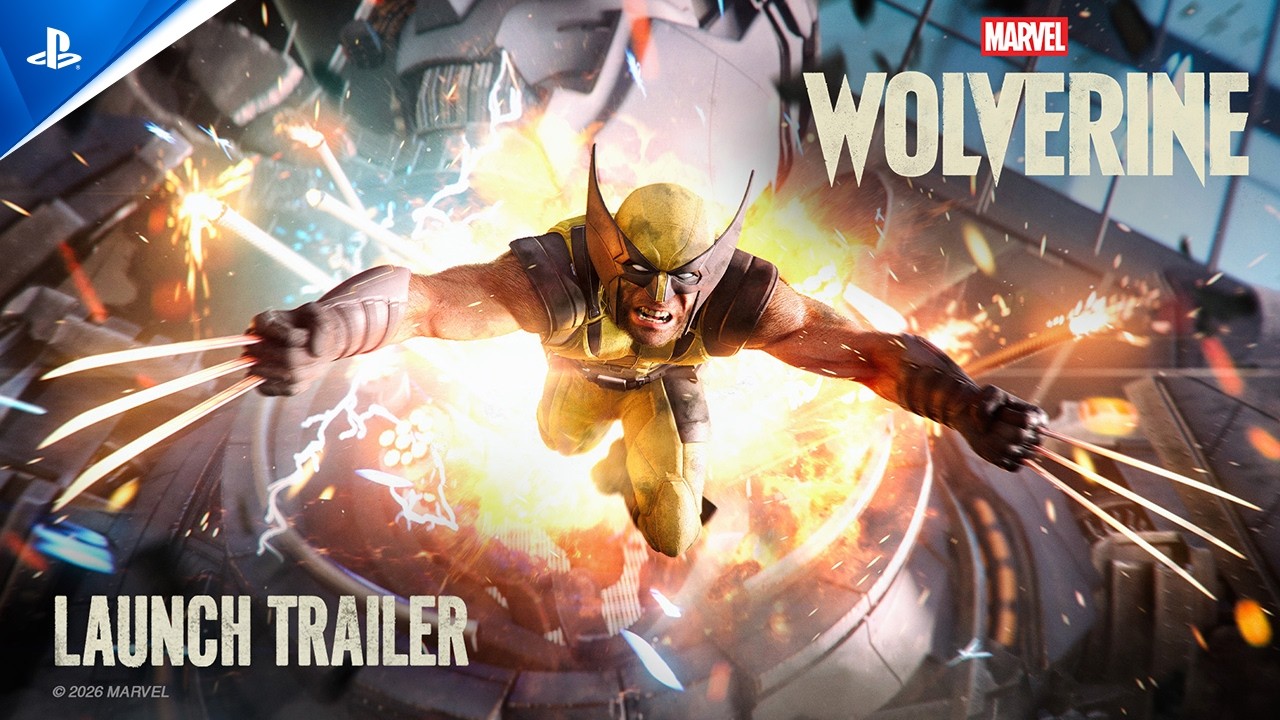
For Insomniac Games, the challenge is now one of identity. They have become the de facto "Marvel studio" for Sony, but Wolverine suggests that their creative well may be running dry, or that the constraints of the "PlayStation Cinematic Universe" are beginning to stifle the variety of their mechanics.
For Sony, the implications are even broader. With the hardware generation entering its latter half, the company needs "system sellers." If their premier exclusive of the year is viewed as the "biggest disappointment of the PS5 era," as Polygon suggested, the company may need to rethink its reliance on the Spider-Man design philosophy.
Final Thoughts: Can the Brand Recover?
The disappointment surrounding Marvel’s Wolverine is not fatal, but it is a wake-up call. The industry is currently shifting away from the "prestige corridor" experience toward more emergent, systemic gameplay. If Sony and its studios continue to rely on the same gameplay loops—parry, dodge, counter, repeat—they risk being left behind by an audience that is increasingly sophisticated and demanding.

Logan is a character defined by his ability to endure, to heal, and to adapt. Whether Insomniac Games can demonstrate those same qualities in their future projects remains to be seen. As it stands, Wolverine will likely be remembered not as a triumph of the PS5, but as the moment the sheen finally began to wear off the "PlayStation exclusive" label.

