

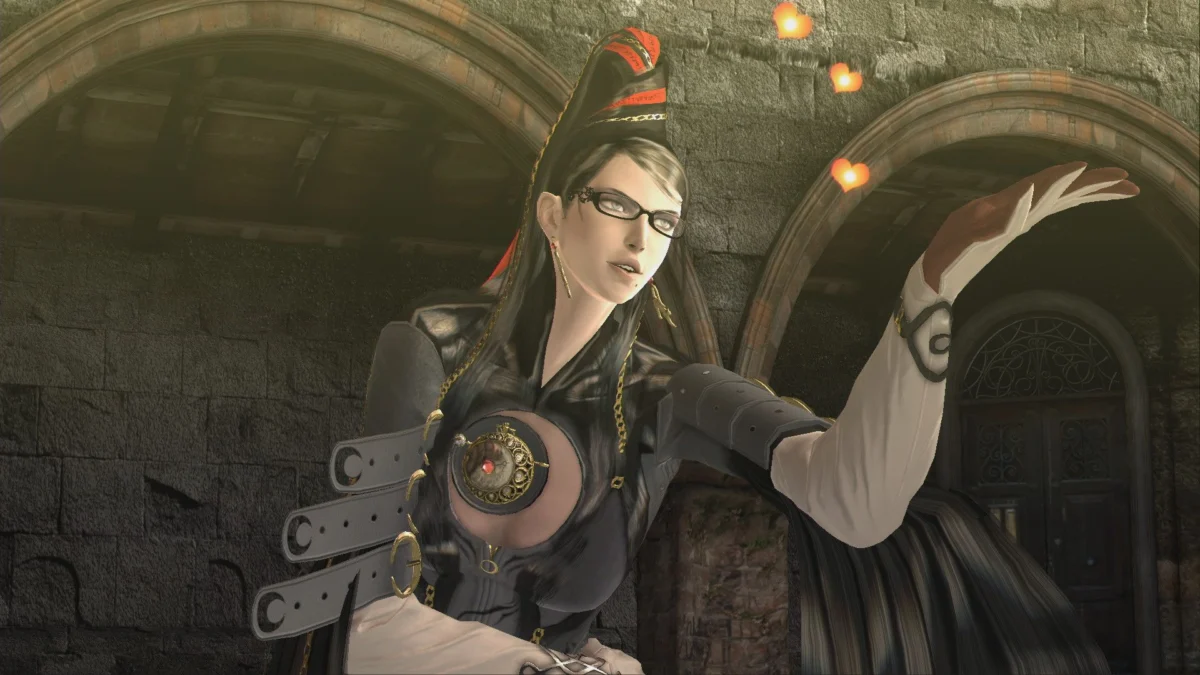
The Bayonetta franchise has long stood as a cornerstone of the character-action genre, a high-octane ballet of bullets and blades that defined the identity of PlatinumGames. Since the debut of the titular Umbra Witch in 2009, the series has transcended its origins as a cult-classic Xbox 360 and PlayStation 3 title to become a global gaming icon. However, as the studio faces a new era defined by the departure of its foundational creative architects, the question of the franchise’s longevity has become a subject of intense industry speculation.
In a recent development that has reignited hope among the fanbase, PlatinumGames CEO Atsushi Inaba has explicitly stated that the studio maintains a "strong desire" to continue expanding the Bayonetta universe. This commitment arrives at a precarious junction for the Osaka-based developer, which has recently seen an exodus of the very visionaries who brought Cereza to life.
A Legacy of Excellence: The Chronology of an Icon
To understand the weight of Inaba’s recent comments, one must first appreciate the historical trajectory of the Bayonetta series. Developed by PlatinumGames and published by Sega, the original Bayonetta was a masterclass in pacing, combat complexity, and stylistic flair. Under the direction of Hideki Kamiya, the game introduced players to a protagonist whose confidence, humor, and lethality were unparalleled in the medium.
Following its initial success, the series found a permanent home on Nintendo platforms. The partnership between PlatinumGames and Nintendo proved to be a catalyst for the franchise’s expansion. Bayonetta 2 (2014) was heralded as one of the finest action games ever produced, refining the tight, rhythmic combat of its predecessor and cementing the series’ reputation for high-stakes boss battles and extravagant set pieces.
The series continued to permeate the broader pop-culture zeitgeist. From her iconic inclusion as a playable fighter in Super Smash Bros. Ultimate to her surprising, cross-pollinated cameos in titles like Stellar Blade, Bayonetta has evolved from a game-specific protagonist into a broader gaming mascot. The 2023 release of Bayonetta Origins: Cereza and the Lost Demon—a stylistic, story-driven prequel—demonstrated that the IP had the versatility to move beyond the traditional "hack-and-slash" formula, signaling a willingness within PlatinumGames to experiment with the property’s lore and presentation.
The Winds of Change: A Studio in Transition
Despite the success of the Bayonetta series, PlatinumGames has undergone a profound metamorphosis over the last three years. The most significant shift occurred in 2023 with the departure of Hideki Kamiya, the series’ co-creator and a legendary figure in the Japanese gaming industry. Kamiya, whose directorial fingerprints were on almost every aspect of the franchise’s tone, cited fundamental disagreements regarding the studio’s future direction as the primary driver for his exit. He has since moved on to establish his own independent studio, with a focus on developing a sequel to the cult classic Okami.
Kamiya is far from an outlier in this trend. The "brain drain" at PlatinumGames has been significant, encompassing some of the studio’s most talented creative leads. This list includes:
- Abebe Tinari: The creative force behind the narrative depth of Bayonetta Origins.
- Yusuke Miyata: The director who helmed the ambitious Bayonetta 3, which pushed the hardware limits of the Nintendo Switch.
- Takahisa Taura: Renowned for his work on Astral Chain, a title that shared the studio’s signature combat DNA.
- Kenji Saito: The director of Metal Gear Rising: Revengeance, whose expertise in high-speed, visceral combat helped shape the "Platinum style."
The departure of these individuals has left many industry analysts questioning whether PlatinumGames possesses the institutional knowledge required to sustain a franchise as complex and mechanically demanding as Bayonetta.
The CEO’s Stance: Official Responses
In a recent interview with Japanese publication Famitsu, PlatinumGames CEO Atsushi Inaba addressed the future of the franchise with a mix of caution and optimism. While Inaba refrained from confirming specific, imminent titles—noting that he "can’t really answer that right now"—his overarching message was one of continuity rather than finality.
"We have a strong desire to further develop the character of Bayonetta and expand her world," Inaba told Famitsu. "Please look forward to seeing what form that takes in the future."
This statement serves as a strategic reassurance to both investors and the player base. By framing the franchise as an ongoing project, Inaba is signaling that Bayonetta remains a primary pillar of the studio’s internal roadmap. However, the lack of specifics suggests that the studio is currently in a phase of internal recalibration, evaluating how to evolve the series’ mechanics and narrative scope without the direct oversight of its original creators.
The Human Element: Jennifer Hale and the Voice of the Witch
The narrative surrounding the Bayonetta series is inextricably linked to its performances. Jennifer Hale, the veteran voice actor who stepped into the role of Bayonetta for the third installment, recently expressed a desire to return to the character.
Hale’s experience with the series has been complicated by the well-documented public controversies surrounding the voice acting casting for Bayonetta 3. Despite the friction caused by the discourse during that period—which saw Hale unfairly targeted by segments of the fanbase—her willingness to reprise the role highlights the enduring appeal of the character. Her interest suggests that, should PlatinumGames move forward with a fourth entry, the talent pool remains engaged and invested in the franchise’s potential.
Implications: The Path Forward
The future of Bayonetta hinges on whether PlatinumGames can successfully transition from a "founder-led" studio to an "IP-led" studio. For over a decade, the identity of the studio was synonymous with the personality and vision of creators like Kamiya. To survive, the company must now foster a new generation of directors capable of honoring the series’ history while introducing the innovation necessary to remain relevant in an increasingly competitive market.
1. The Challenge of Innovation
The action-game genre has evolved significantly. Titles like Devil May Cry 5, NieR: Automata, and the rising popularity of "Souls-like" combat have raised the bar for mechanical depth. Any future Bayonetta entry must balance its signature "witch time" mechanics with modern design sensibilities to avoid feeling like a relic of a bygone era.
2. The Relationship with Nintendo
Given that the last two major console entries were Nintendo-exclusive, the partnership between the two companies is a critical variable. With the upcoming release of the Switch 2, speculation is high regarding a potential high-fidelity Bayonetta title designed to showcase the new hardware’s capabilities. A launch-window or early-cycle Bayonetta title could be the perfect vehicle to demonstrate the next generation of Platinum’s action design.
3. Cultural and Narrative Evolution
The narrative scope of the series has always been delightfully absurd, but there is room for the franchise to mature. Bayonetta Origins proved that the series can succeed by focusing on character development and emotional resonance. Future titles may likely lean into this, exploring the history of the Umbra Witches and the Lumen Sages with more narrative gravitas, while maintaining the "monster-spanking" spectacle fans demand.
Conclusion
The departure of its founding fathers has undeniably marked the end of the "first era" of PlatinumGames. However, the studio’s public declarations suggest that the Bayonetta franchise is viewed as an asset that transcends any single individual’s contribution.
While the "who, when, and how" of the next Bayonetta remain shrouded in the mystery typical of the studio, the intent is clear: the Umbra Witch is not yet ready to retire. As PlatinumGames navigates its own structural evolution, the gaming world will be watching closely to see if the studio can successfully pass the torch to a new creative guard, ensuring that Bayonetta continues to defy the odds—both in the game, and in the industry at large.

