

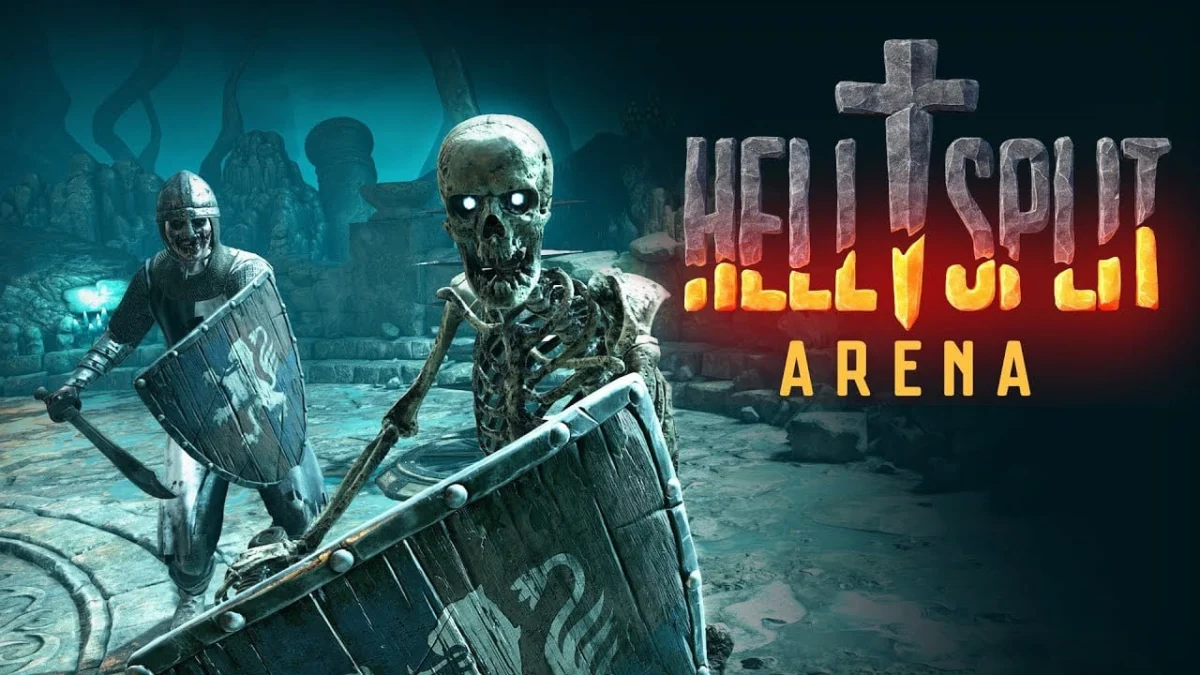
For fans of visceral, physics-driven VR combat, Hellsplit: Arena has long served as a gold standard. Released in 2019, the title defined a generation of “hack and slash” VR gaming, offering players a gritty, uncompromising experience in the coliseum. However, after years of community speculation regarding the game’s development status, developer Deep Type Games has finally broken its silence. In a candid reflection on the state of the indie games industry, the studio has confirmed that Hellsplit: Arena is nearing the end of its active lifecycle, though it intends to go out on a high note with a final, feature-rich update.
The State of Play: A Final Hurrah
The news, while somber for long-time players, is not entirely devoid of hope. Deep Type Games has confirmed that despite a pivot toward new projects, they are committed to delivering a final swan song for Hellsplit: Arena.
The upcoming 1.3 update is slated to bring long-awaited features that have topped community wishlists for years. Most notably, the studio is introducing a dedicated Sandbox Mode, which will provide players with unprecedented freedom to experiment with the game’s combat mechanics. Perhaps more significantly, the update is set to bring mod support to the Meta Quest version of the game, bridging the gap between the PCVR and standalone ecosystems.
To ensure that this update does not disrupt the vibrant existing modding community, Deep Type Games will implement a “legacy” branch on Steam. This will allow players to lock their game to the current 1.24.1 build, preserving compatibility with mods that might not be updated to support the new 1.3 architecture.
A Chronology of Development and Transition
To understand where Hellsplit: Arena stands today, one must look back at the studio’s trajectory over the past six years.
- 2019: Hellsplit: Arena launches on PCVR, quickly gaining a cult following for its realistic weapon weight and brutal, physics-based dismemberment systems.
- March 2025: After significant anticipation, the game is ported to Meta Quest, introducing the hardcore combat experience to a new, broader audience.
- Mid-2025: A period of radio silence from the developers ensues. During this time, the team begins reallocating resources to new intellectual properties.
- December 2025: In a Discord community update, the studio clarifies that the team size dedicated to Arena has been reduced to just two developers, while the rest of the staff focuses on future titles.
- Present Day: Deep Type Games officially addresses the industry-wide pressures that forced them to pivot, confirming that Arena is reaching its technical end-of-life.
The Economic Realities of Indie VR
The decision to transition away from Hellsplit: Arena is not a result of a lack of passion, but rather a reflection of the harsh economic realities facing independent developers today. In a candid statement, Deep Type Games provided a rare look into the inner workings of a studio navigating a volatile global market.
“Our studio has spent the past year facing a great deal of uncertainty about its future,” the developers shared. “As many of you know, indie game developers around the world are going through extremely difficult times. The ongoing challenges in the global economy have affected countless studios, and unfortunately, Deep Type Games is no exception.”
The studio emphasized that unlike large-scale AAA publishers, they lack the "luxury" of massive safety nets. They cannot easily pivot through layoffs or project cancellations without risking the studio’s very existence. This pressure forced a strategic recalibration: Hellsplit: Arena, while successful and critically acclaimed, is a niche, hardcore VR experience. In an industry where sustainability is increasingly tied to mass-market appeal or recurring revenue, a single, finalized niche title struggles to support a growing development team over a period of many years.
The Pivot: A New Chapter in the Hellsplit Universe
While Arena may be approaching its twilight, the Hellsplit brand itself is far from dead. Deep Type Games is actively working on expanding the universe through two distinct, ambitious projects.
Hellsplit: Labyrinth
Announced recently, Hellsplit: Labyrinth is being positioned as a dark fantasy roguelike. By shifting from the arena-based structure of the original game to a procedural, exploration-heavy roguelike format, the developers aim to capitalize on the strengths of the original combat engine while offering a deeper, more varied gameplay loop. The project is currently targeting a 2027 release on Meta Quest.
Cute & Dead
In a departure from the grim realism of Hellsplit, the studio is also developing Cute & Dead, a stylized zombie shooter. Heavily inspired by 1990s classics like Zombies Ate My Neighbors, this project aims to provide a more accessible, arcade-style experience. Originally slated for a July 1 release, the title has been delayed to the fall to ensure the team can meet their internal quality standards.
Technical Limitations and the "Aging Architecture"
Beyond the financial considerations, there is a technical ceiling to the original Hellsplit: Arena. As the game approaches its sixth year, the "aging architecture" of the codebase has become a significant hurdle.
Modern VR hardware and software standards have evolved rapidly since 2019. Implementing new, complex systems into the original foundation of Arena has become increasingly difficult. As the studio noted, "Sooner or later, every game reaches the end of its lifecycle." By acknowledging these technical limitations, Deep Type Games is making a pragmatic choice: instead of attempting to shoehorn modern features into an outdated engine, they are choosing to apply those lessons to new projects built from the ground up.
Implications for the Community
The news has sent ripples through the Hellsplit community, prompting a mix of nostalgia and appreciation. For a game that started as an indie passion project, reaching a point where it can be "finished" rather than "abandoned" is a rare achievement in the fast-paced world of VR.
For Modders
The inclusion of official mod support for the Quest version is a massive victory for the community. By providing the tools to expand the game’s lifespan long after the developers have moved on, Deep Type is effectively handing the keys to the kingdom to the players. The "legacy" branch on Steam serves as a promise that the studio respects the time and effort invested by the modding community over the last several years.
For the Future of VR
The trajectory of Deep Type Games serves as a microcosm for the broader VR development scene. It highlights the tension between creating high-fidelity, niche experiences and the necessity of building sustainable, scalable business models. As the VR market matures, studios are finding that they cannot rely solely on the long-tail support of a single project. The move toward roguelikes and stylized shooters suggests that developers are looking for ways to maximize the appeal of their established combat mechanics while diversifying their portfolios.
Conclusion: A Legacy Secured
While the active development of Hellsplit: Arena may be drawing to a close, the game’s impact on the VR landscape is undeniable. It proved that physics-based melee combat was not just a gimmick, but a viable, compelling foundation for a full-length gaming experience.
Deep Type Games has chosen transparency over ambiguity, a decision that has largely been met with understanding by their player base. By providing a clear roadmap for the final 1.3 update and openly discussing the reasons behind their shift in focus, they have maintained the trust of their community.
As the sun sets on the arena, the focus now turns to the Labyrinth and the future of the studio. For those who spent countless hours battling within the walls of Hellsplit, the upcoming sandbox mode and modding tools will ensure that the arena remains a vibrant, evolving space for years to come—a fitting tribute to a title that helped define the modern VR era.

