

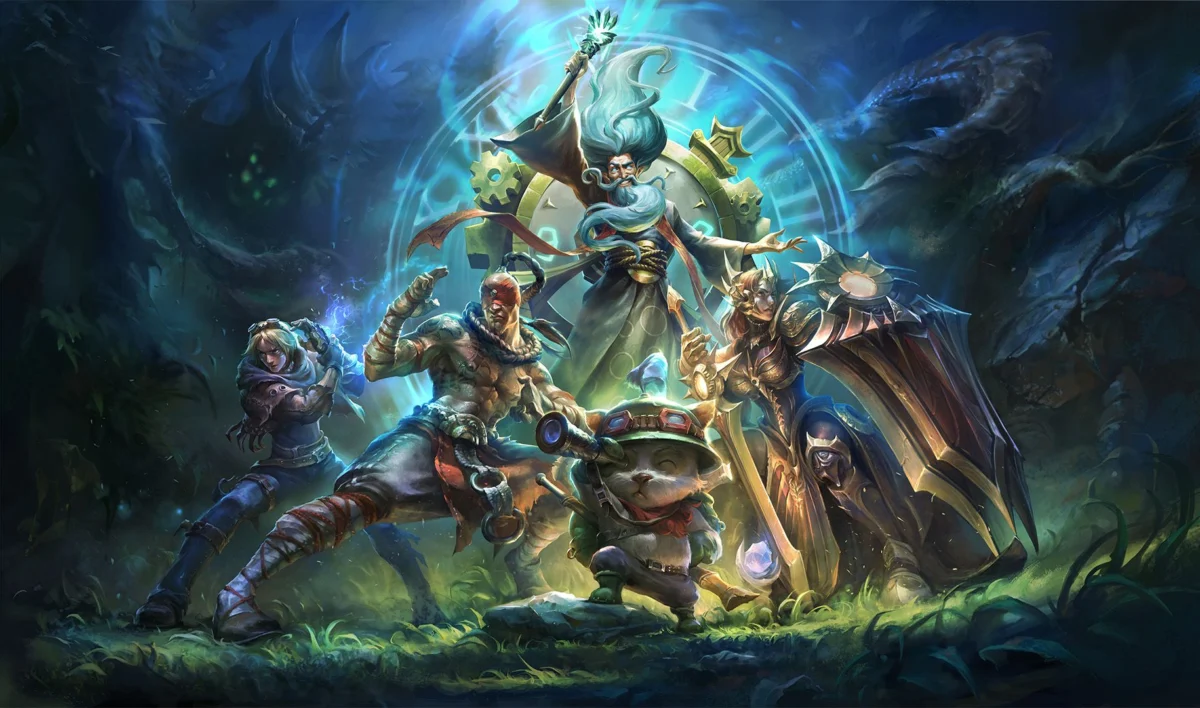
For nearly two decades, League of Legends has stood as the titan of the MOBA genre. It is a game defined by constant, breathless evolution—a perpetual state of flux where champions are reworked, items are overhauled, and the map itself shifts to accommodate a meta that never sleeps. But for the veterans who remember the “Wild West” era of 2010, there has always been a lingering sense of nostalgia for the game’s formative, albeit chaotic, roots.
On July 29, Riot Games will finally open the portal to the past with the launch of League of Legends Classic. This isn’t merely a “legacy server” or a simple re-skin; it is a meticulously curated resurrection of the game’s early state, designed to capture the spirit of an era defined by broken mechanics, legendary imbalances, and the humble beginnings of what would eventually become the world’s largest esport.
The Return to the Basement: A Chronology of Chaos
To understand the significance of League of Legends Classic, one must understand the environment in which the original game was forged. Before the sophisticated balancing patches and the polished UI of the modern era, League was a different beast entirely.

The early timeline of League is etched into the memories of its founding players: the frantic, low-fidelity excitement of the Go4LoL tournaments, the World Cyber Games, and the legendary Season 1 World Championship held in what fans affectionately call “Phreak’s basement.” It was a time when game design was experimental. Champions like the original iteration of Xin Zhao could single-handedly dismantle entire teams, and the infamous “Sunfire Cape stacking” strategy—where players would buy multiple versions of the item to create invisible, burning damage auras—made stealth champions like Evelynn a source of genuine, widespread terror.
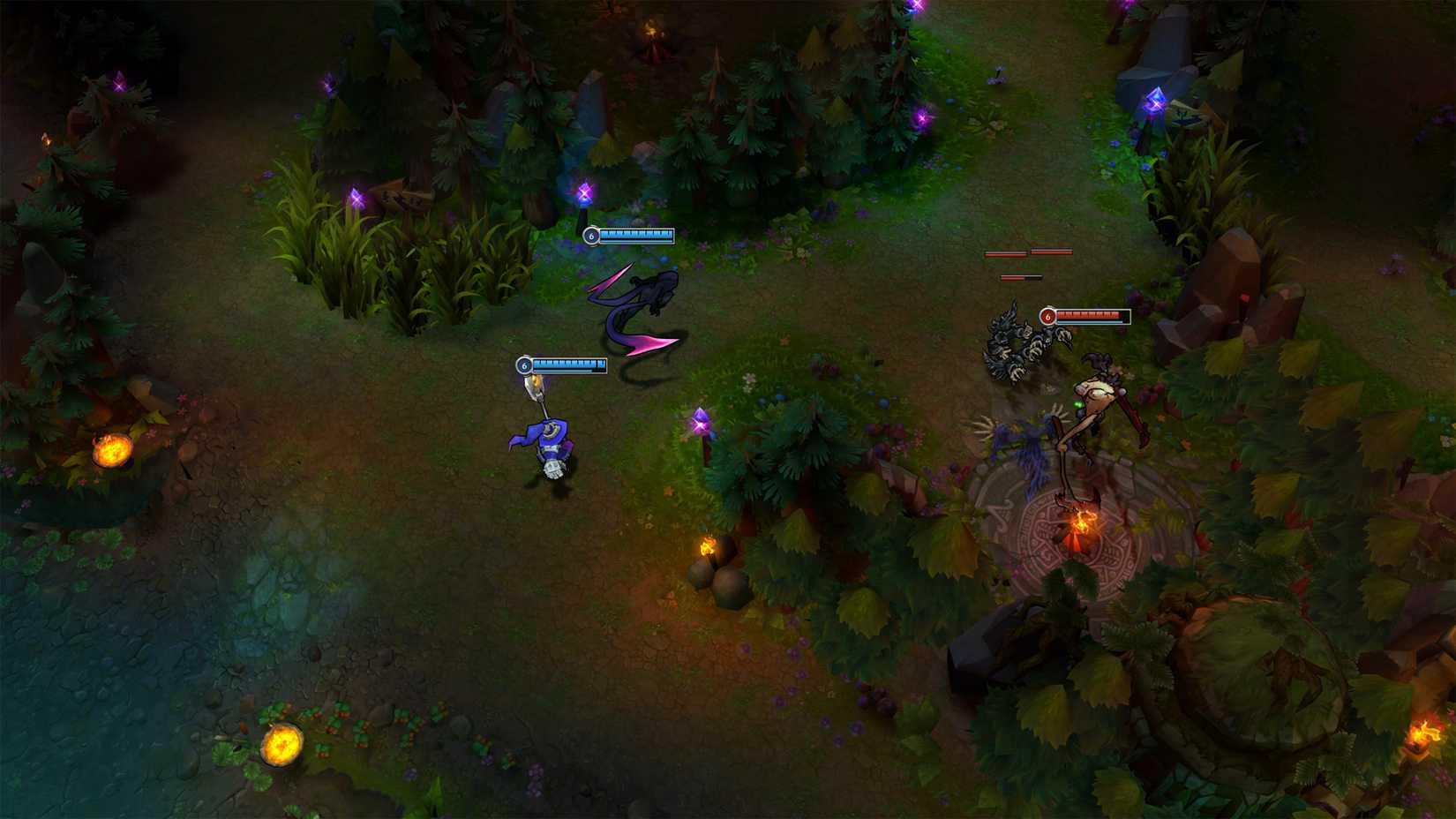
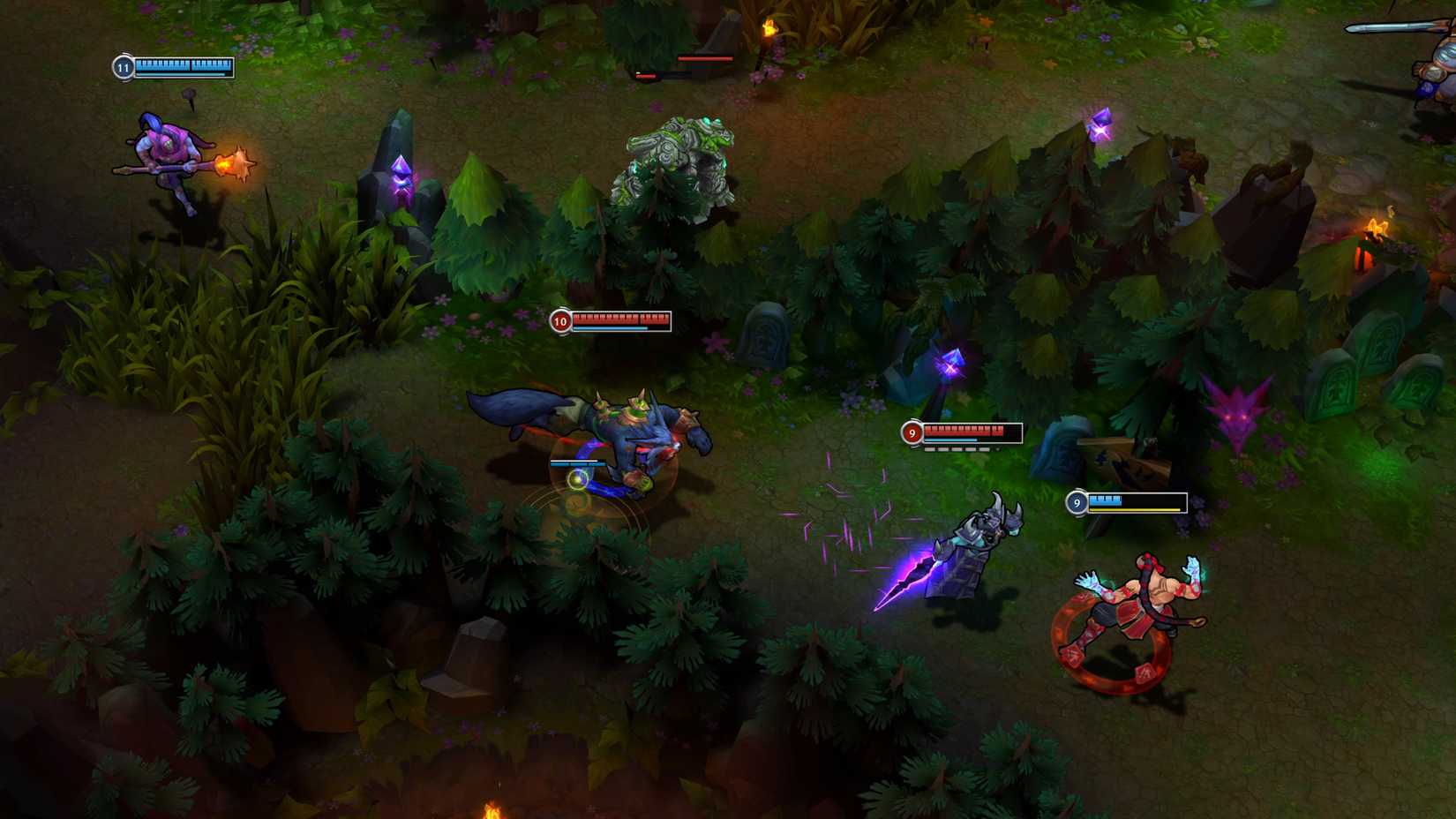
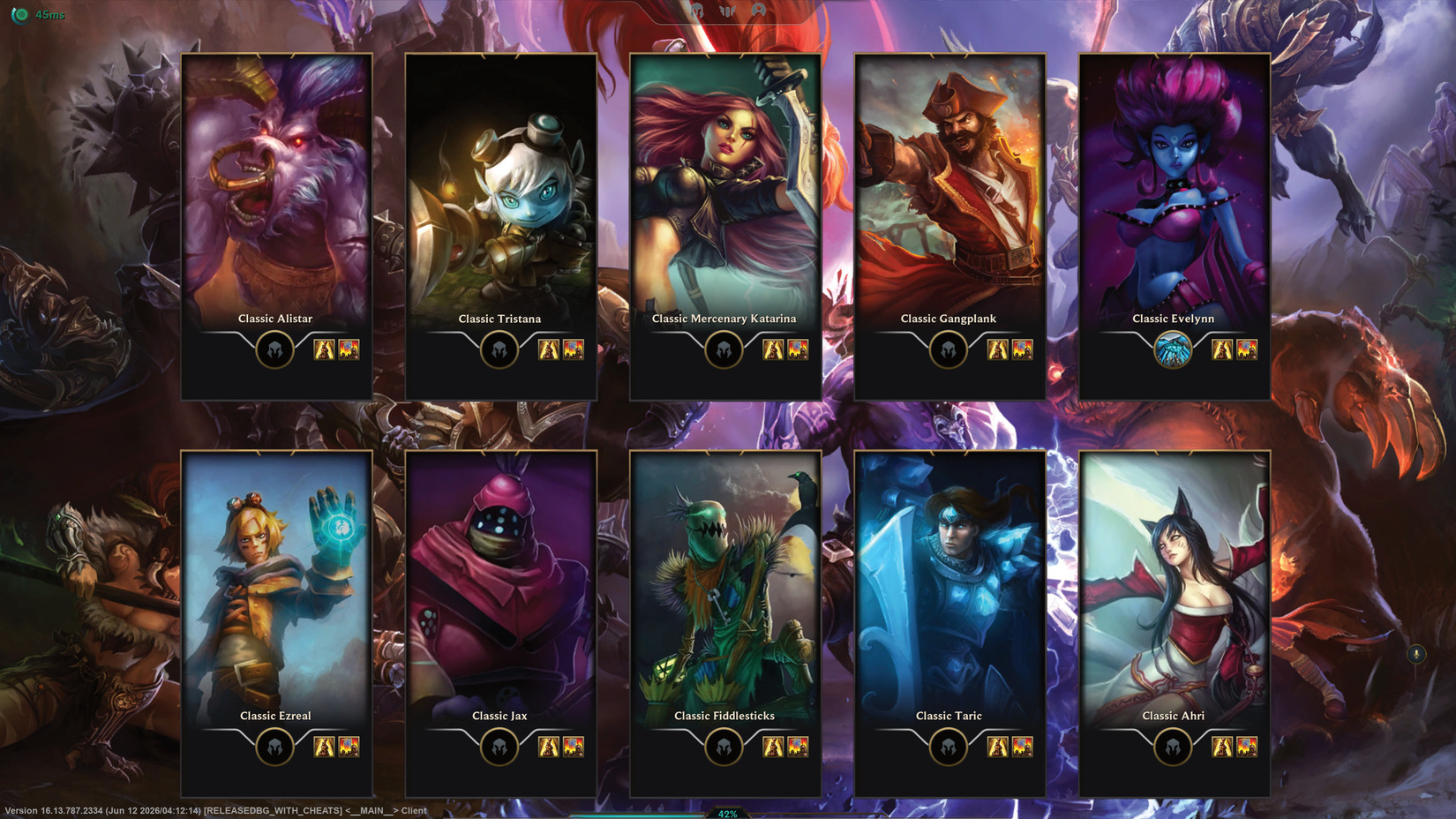
League of Legends Classic intends to drag players back to that specific moment in time. The game will launch with the original 40 champions, plus a hand-selected roster of 20 iconic figures that defined the early meta. It is a return to a slower, more methodical pace, stripped of the modern visual clutter that defines the contemporary Rift.
The Philosophical Shift: Balancing Nostalgia with Modern Standards
One of the most pressing questions for the community is whether League of Legends Classic will replicate the game’s original, often frustrating imbalances, or if it will benefit from the wisdom of modern game design.
In an exclusive interview with Polygon, Paul Bellezza, executive producer of League of Legends, shed light on the development philosophy. "We want to create the space for those memories to happen again, but then again, we’ll balance accordingly," Bellezza noted. "We’ve learned a lot about how to get to the spirit of it while making it viable. It’s in the hands of people who know where we should play and not play in certain ways."
This approach suggests a "curated" classic experience. The team, spearheaded by Game Director FeralPony and designer David “Phreak” Turley, is not interested in simply recreating a broken game for the sake of accuracy. Instead, they are looking to preserve the feeling of that era—the “spirit” of the gameplay—while ensuring that the game remains playable in a way that respects the evolution of the player base.
The Selection Process: Defining an Era
The decision to include only 60 champions at launch (the original 40 plus 20 supplemental additions) was a task of immense historical curation. According to Bellezza, the process was highly collaborative, involving veteran Rioters like Whalen Rozelle.
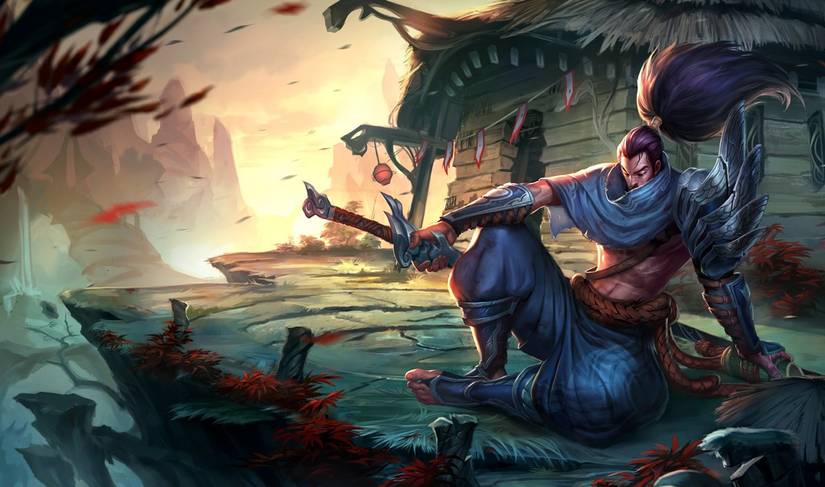
"It was a mix of the original 40 and the ones that were really emblematic of that time," Bellezza explained. "Whalen Rozelle was like, ‘I just want AD Akali.’ We drew a line on certain champions—like Yasuo, who arrived in November 2013. There was definitely a ‘before and after’ with Yasuo, so we kept it to that specific era."
This creates a definitive boundary for the game. By excluding newer, more mechanically complex champions like Yone or Yuumi, Riot is effectively isolating the "classic" gameplay loop, protecting the integrity of the slower, more deliberate combat of the early 2010s. However, the door isn’t closed permanently. Through a community-driven voting system, players will eventually dictate which champions from later years might be "ported" into the Classic experience.
Community Co-Creation: The Voting Mechanism
Perhaps the most intriguing aspect of League of Legends Classic is its democratic model. Riot Games is implementing a system where player activity directly influences the future development of the game.
"The more you play Classic, the more you’re given access to this voting survey," Bellezza stated. "It honors those who have been around or were playing back then." This ensures that the people shaping the game’s future are the ones most invested in its legacy. Unlike the live version of League, where balance changes are dictated by top-down data analysis, Classic will be a living experiment in communal design.
This model bears a striking resemblance to the success of Old School RuneScape, which thrived precisely because it allowed the community to act as a steering committee for the game’s evolution. When asked if League of Legends Classic could become an alternate reality—a parallel universe where the game evolves in a direction distinct from the main client—Bellezza did not rule it out. "We’re not spiritually opposed," he admitted. The potential for Classic-exclusive items or even original champions is a prospect that has already begun to stir excitement within the community.
Implications for the Future: A New Branch of the Franchise
The launch of League of Legends Classic carries massive implications for the longevity of the franchise. By offering a "legacy" alternative, Riot is effectively segmenting their audience into those who crave the high-octane, modern competitive experience and those who yearn for the slower, more tactical gameplay of the past.
1. The Death of the "One-Size-Fits-All" Meta
Modern League is defined by speed, mobility, and high-impact ability rotations. Classic represents a return to a more methodical, objective-focused playstyle. By separating these two, Riot avoids the need to "fix" the modern game to suit nostalgic players, allowing both versions of the title to flourish in their own lanes.
2. The "Faker Effect" and the New Meta
Returning players are already preparing to return to the Rift with a decade of accumulated knowledge. They will be playing against 2010-era champions with 2026-era mechanical skills. While one might expect this to result in a "solved" game, Bellezza suggests that the old mechanics may interact with modern player knowledge in unexpected ways. "I actually think it’s an incredibly interesting game experiment," he remarked. "There are not a lot of games that have been able to have this kind of opportunity."
3. The Return of Lost Modes
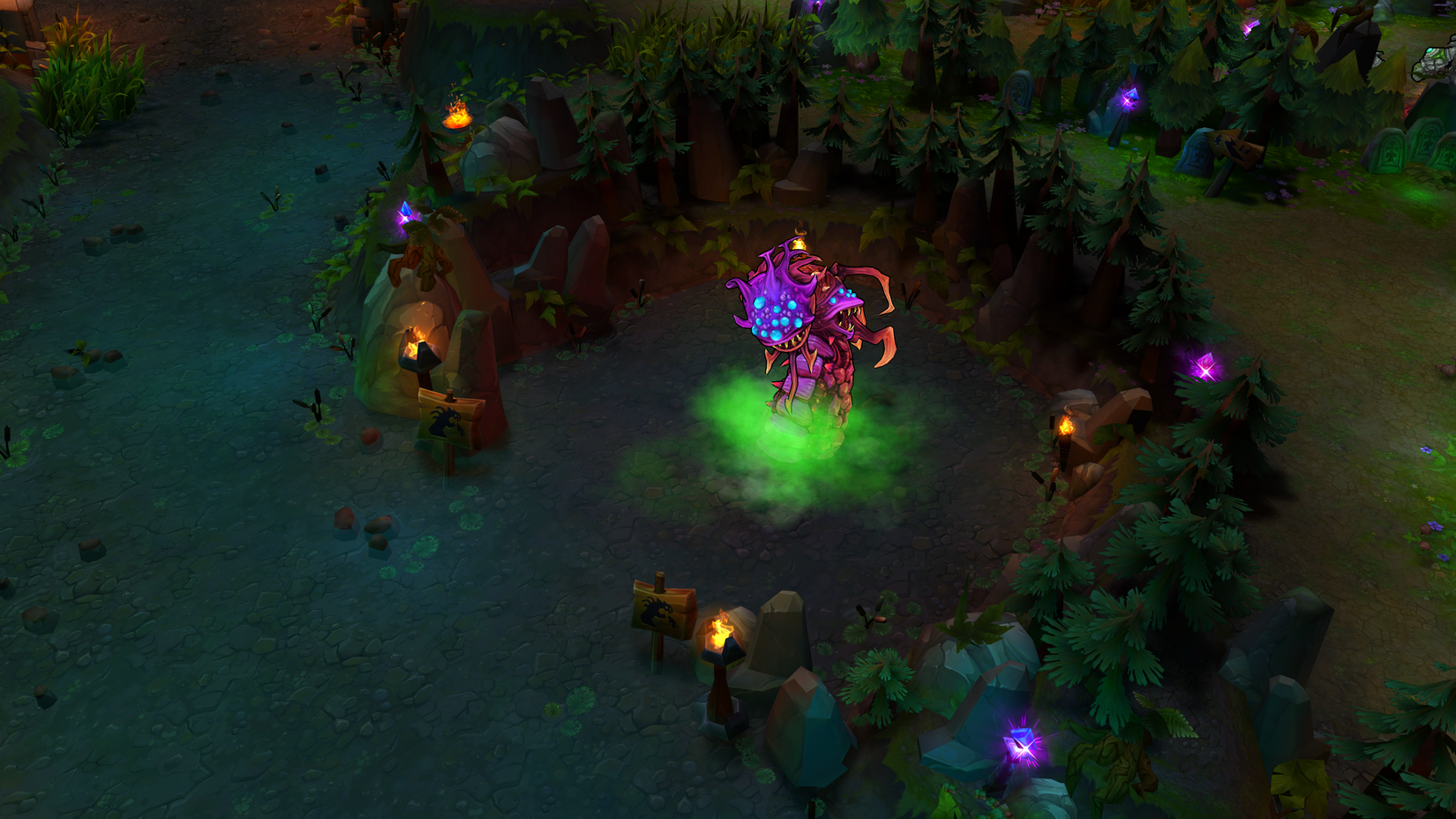
The announcement of "ARAM Mayhem" on the classic map serves as a proof-of-concept for the return of long-lost modes like Dominion or the original Twisted Treeline. While these modes are not available at launch, the infrastructure built for Classic suggests that Riot is now equipped to resurrect these fan-favorite experiences with relative ease, provided the community demand is sufficient.
Conclusion: A Love Letter to the Community
League of Legends Classic is more than just a nostalgic cash-grab; it is an acknowledgment of the game’s deep-seated cultural history. By allowing players to return to the "basement" era, Riot is validating the long-term commitment of its most loyal fans.
Whether this project remains a niche experience or blossoms into a secondary, parallel evolution of the League of Legends brand depends entirely on the players. As we approach the July 29 release date, the question is no longer just about who can win the game—it’s about what kind of game the players want to build together. In the words of Bellezza, it is a fascinating experiment, one that invites the global community to once again stand at the precipice of the Rift and decide, together, what the legend will look like in its second life.

