

The independent game development sector, already reeling from a period of unprecedented turbulence, has seen another casualty. Vermila Studios, the creative force behind the atmospheric survival-horror shooter Crisol: Theater of Idols, is currently navigating a precarious existence. While the studio has avoided an immediate, total closure, a wave of staff redundancies has left the company’s future hanging by a thread, marking a somber milestone for a team that only recently brought their unique vision to the global gaming market.
The Chronology of the Crisis
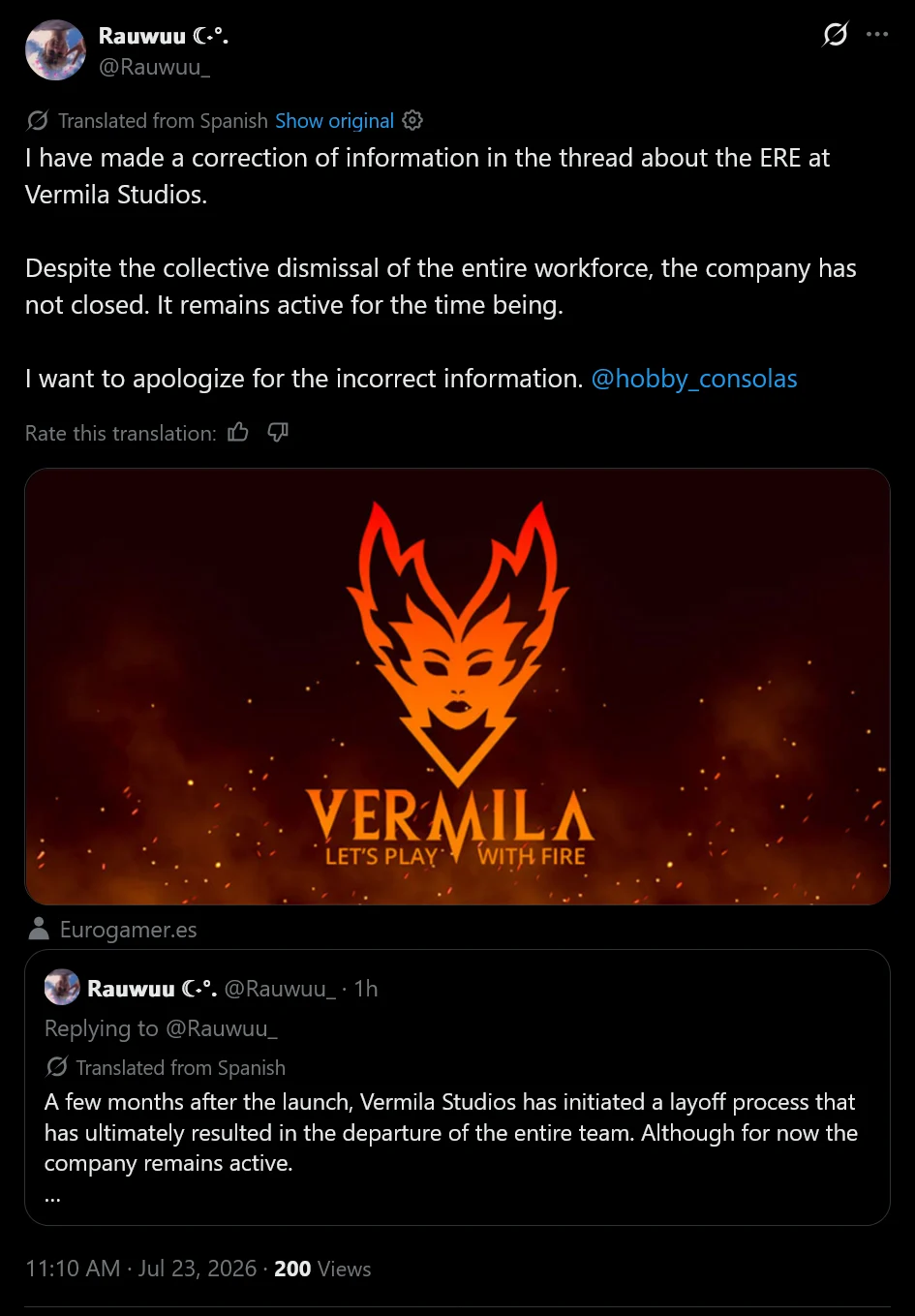
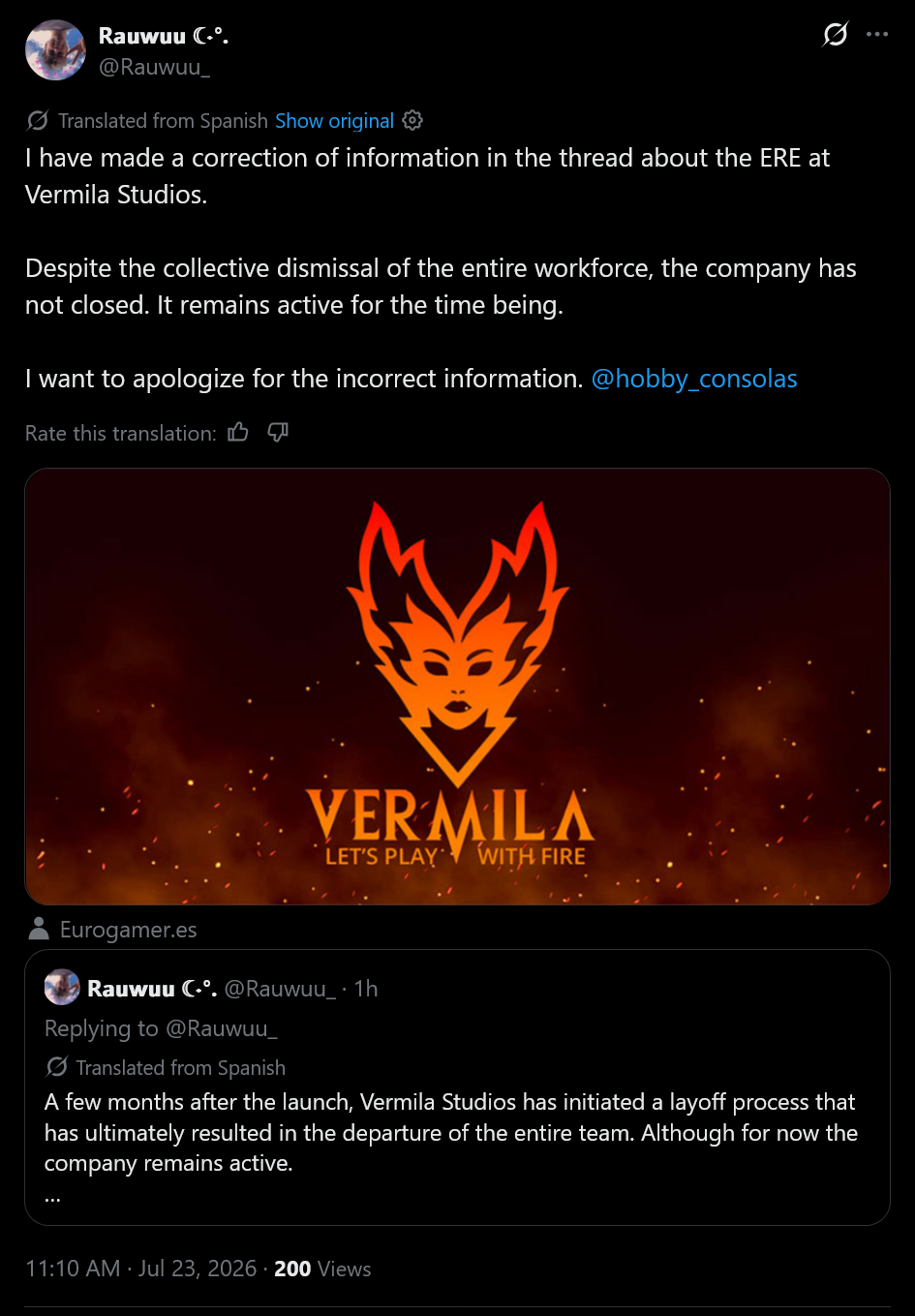
The turbulence surrounding Vermila Studios became public knowledge in late July 2024, less than six months after the commercial release of Crisol: Theater of Idols. The initial report of the studio’s demise originated on the social media platform X (formerly Twitter), where game designer Raúl Pernía Alejandro posted a message indicating that Vermila Studios had initiated a formal redundancy procedure that had resulted in the termination of the entire workforce and the subsequent closure of the studio.
The news sent shockwaves through the indie development community, where Crisol had gained a reputation for being an intriguing, if imperfect, project. However, the narrative shifted rapidly. Several hours after his initial post, Alejandro issued a correction, acknowledging that while the "entire team" had indeed been dismissed, the company itself had not technically shuttered. Alejandro expressed regret for the initial miscommunication, clarifying that the entity remained legally active, albeit in a severely diminished state.
This correction did little to mask the underlying reality: a mass layoff had occurred. On July 22, numerous employees—ranging from junior staff to senior-level developers with long-standing tenures at the studio—took to LinkedIn and X to announce their departures. These public testimonials confirmed that the "redundancy procedure" was not merely a rumor but a significant dismantling of the studio’s human capital.
Official Responses and Financial Realities
The confirmation of these events arrived directly from the top. David Carrasco, CEO of Vermila Studios, issued a statement to industry outlet Game Developer, providing context for the layoffs while offering a sobering assessment of the studio’s longevity.
"Unfortunately, due to financial reasons, we’ve had to dispense with the staff at Vermila Studios," Carrasco admitted. He confirmed that the company had not officially closed its doors as a legal entity, but he stopped short of offering any reassurance regarding the studio’s long-term viability. When questioned about the future of the company, Carrasco noted that while management is attempting to keep the studio afloat, "it is a feasible possibility in the upcoming months" that a total shutdown will become inevitable.
This candid acknowledgment highlights the "difficult circumstances" currently plaguing the studio. In an era where even high-performing titles struggle to secure the necessary long-term revenue to sustain development teams, a niche project like Crisol faced an uphill battle from the start.
Analyzing the Product: The "Eurojank" Phenomenon
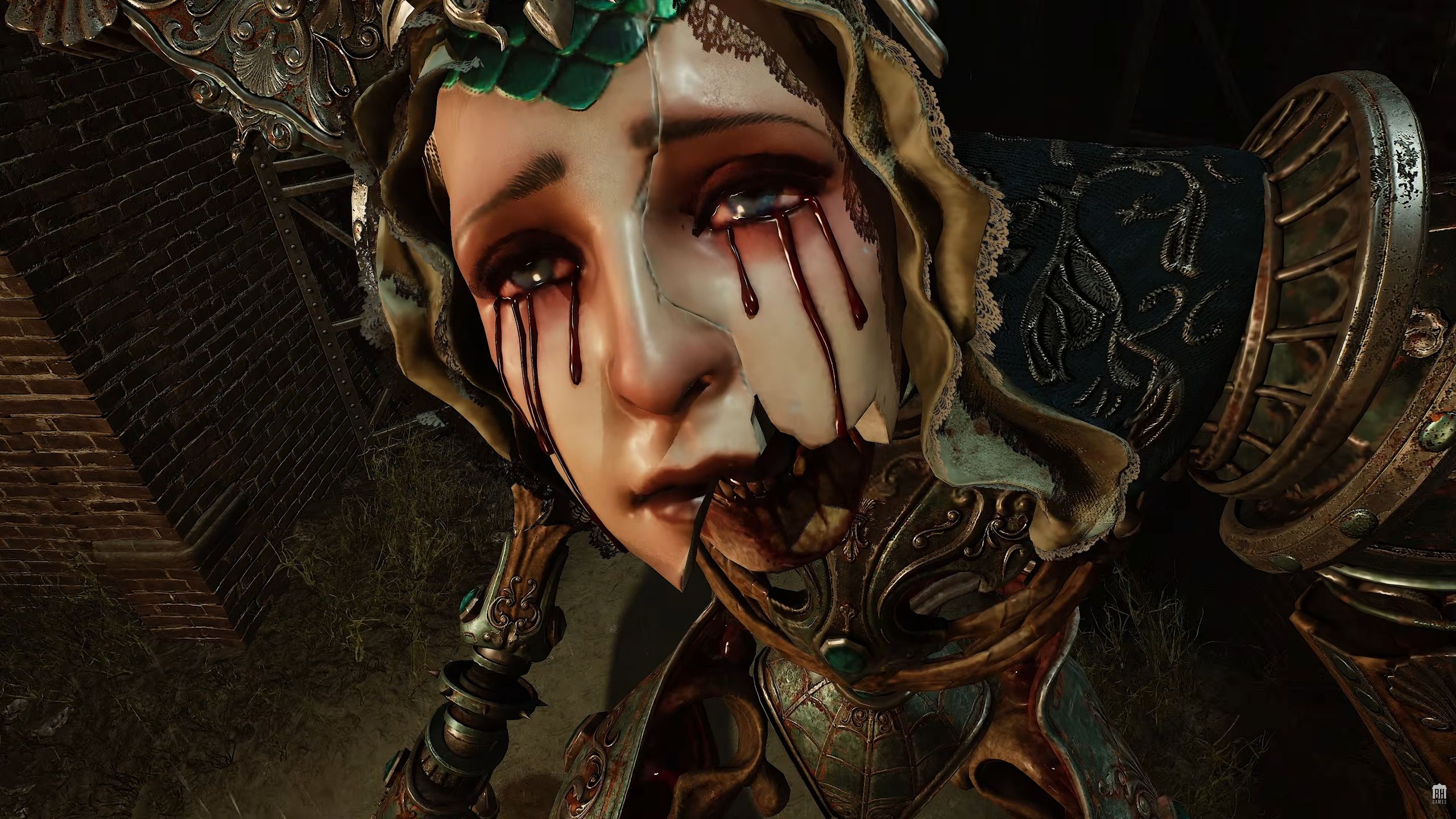
To understand the tragedy of Vermila Studios’ current state, one must look at the work they produced. Crisol: Theater of Idols was not a runaway blockbuster, nor was it a critical darling in the traditional sense. Instead, it occupied a space often affectionately—and sometimes dismissively—referred to as "eurojank."
Crisol was characterized by an intense, surreal atmosphere that favored weird, experimental storytelling over the polished, homogenized tropes of mainstream survival horror. It was a game defined by its idiosyncrasies: bizarre mechanics, ambitious but underdeveloped narrative concepts, and idiosyncratic voice acting. Yet, for many players, these quirks were part of the charm. It was a game that felt like it had a distinct, singular vision—a rare quality in an industry increasingly dominated by risk-averse, committee-led development.
Despite the technical frustrations and the occasional design stumble, the game was "unexpectedly compelling." It garnered a dedicated, albeit niche, audience that appreciated the studio’s willingness to prioritize style and atmosphere over conventional perfection. However, in the modern gaming market, being "compelling" is rarely enough to offset the high costs of development and the thin margins of the mid-tier market.
Industry Implications: The Fragility of Independent Development
The situation at Vermila Studios is symptomatic of a broader, systemic issue within the video game industry. As of 2024, the sector is experiencing a "correction" of massive proportions, with thousands of layoffs occurring across both massive AAA conglomerates and smaller independent studios.
The case of Vermila serves as a stark reminder that the "indie dream"—the idea that a talented, passionate team can create a game and find sustainable success—is increasingly under siege by economic pressures. The reality is that the gap between a successful indie hit and a project that barely breaks even is often measured in millimeters. For many studios, even the release of a well-received, functional game is no guarantee of security.
Industry analysts point to several factors contributing to this trend:
- Market Saturation: With thousands of games launching on platforms like Steam every year, discoverability has become a primary hurdle. Even a unique, "cult classic" game can be buried by the sheer volume of new releases.
- Rising Development Costs: While indie teams are often smaller, the time and resource investment required to meet modern quality expectations have ballooned.
- Funding Droughts: The post-pandemic economic environment has seen a significant contraction in venture capital and publisher funding for mid-sized projects.
The fact that Vermila Studios was able to release Crisol is an achievement in itself, yet it appears that this very achievement may have exhausted the resources necessary to keep the studio viable for a sophomore effort.
The Human Cost of Game Development
Beyond the spreadsheets and the business analysis lies the human cost. The layoffs at Vermila Studios represent the sudden displacement of creative professionals who, only months prior, were fully invested in the labor-intensive process of bringing a creative vision to life.
For the staff at Vermila, the uncertainty of the past week is a common, if painful, experience shared by many in the industry. The "gig-ification" of game development—where teams are assembled for a project and dissolved shortly after—has become an alarming norm. When a studio like Vermila faces the prospect of closure, it is not just the brand or the IP that suffers; it is the loss of institutional knowledge, the scattering of a specialized team, and the personal professional instability of the developers themselves.
Future Outlook: What Happens Next?
As of now, Vermila Studios remains in a state of suspended animation. The company exists on paper, but the "entire team" has been let go. Whether this is a temporary hibernation designed to restructure, or the slow, quiet beginning of an inevitable end, remains to be seen.
Industry observers suggest that the studio’s future likely depends on a few "hail mary" scenarios: a last-minute infusion of capital, the acquisition of their existing IP by a larger entity, or perhaps a transition to a "zombie studio" model where the legal entity remains for the purpose of managing existing catalog sales while no new development takes place.
Regardless of the outcome, the story of Vermila Studios will likely be cited in the coming years as a case study for the volatility of the indie market. It highlights the precarious nature of creativity in an industry that demands both artistic courage and commercial dominance. For now, the "Theater of Idols" is dark, and the future of those who built it remains, like the game itself, shrouded in a strange and unsettling mystery.

