

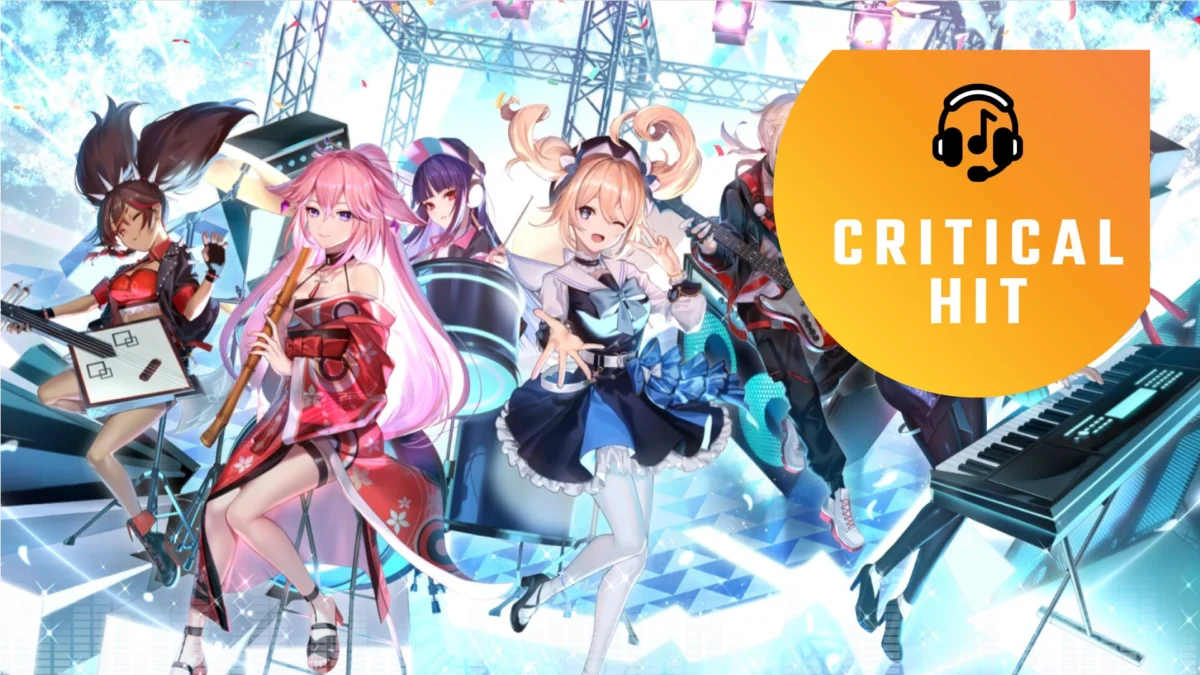
LONDON — Over the past half-decade, the cultural landscape of live entertainment has undergone a quiet yet seismic shift. Once relegated to the smoky basements of gaming conventions or niche digital corners of the internet, video game soundtracks have broken containment. Today, grand symphony orchestras, heavy metal guitar solos, and synthesized electronica are filling prestigious concert halls across the globe, drawing multi-generational crowds that rival those of traditional classical icons and pop superstars.
From the sweeping, emotional melodies of The Legend of Zelda and Final Fantasy to the pounding, atmospheric beats of The Witcher 3, Genshin Impact, and Undertale, video game music has firmly established itself as the defining classical repertoire of the 21st century.
Main Facts: The Rise of the Interactive Soundscape
The modern phenomenon of video game concerts is no longer a localized novelty. It is a booming global industry characterized by high-production-value world tours, dedicated record labels, and massive mainstream appeal.
- The Cultural Shift: Orchestral performances of game scores routinely sell out iconic venues such as London’s Royal Albert Hall, the Sydney Opera House, and the Dolby Theatre in Los Angeles.
- The Repertoire: Far from being limited to retro chiptunes, modern game concerts feature massive ensembles, choirs, solo vocalists, and complex instrumental arrangements that rival traditional cinematic scores by composers like Hans Zimmer or John Williams.
- The Economic Impact: Ticket sales, exclusive merchandise, and high-end vinyl record pressings of game soundtracks represent a massive, highly lucrative revenue stream for developers and publishers alike.
This surge reflects a broader acknowledgment: the music written for interactive media carries a unique emotional weight. Because players spend dozens—sometimes hundreds—of hours immersed in these digital worlds, the musical themes become deeply intertwined with personal memories, triumphs, and emotional breakthroughs.
Chronology: From 8-Bit Bleeps to Concert Halls
To understand how video game music reached the mainstream concert stage, it is necessary to look back at how the medium evolved from humble technological beginnings.
1. The Chiptune Era (1980s–Early 1990s)
In the early days of arcade and home console gaming, sound capabilities were severely restricted by hardware limitations. Composers like Koji Kondo (Super Mario Bros., The Legend of Zelda) and Nobuo Uematsu (Final Fantasy) had to craft unforgettable, catchy melodies using only a handful of audio channels. Despite the primitive technology, these foundational melodies proved to be structurally robust, laying the groundwork for complex orchestration later on.
2. The Symphonic Breakthrough (Late 1990s–2000s)
As CD-ROM technology and digital audio sampling allowed for pre-recorded orchestral music, games like Final Fantasy VII and Metal Gear Solid demonstrated the cinematic potential of game audio. In 2003, the Distant Worlds: music from FINAL FANTASY concert series debuted in Japan, proving that fans would pay premium prices to hear live orchestral renditions of game scores. This paved the way for global tours like The Legend of Zelda: Symphony of the Goddesses in the following decade.
3. The Mainstream Explosion (2018–Present)
The post-pandemic era saw an unprecedented acceleration in video game touring. Promoters and booking agencies realized that franchises like Undertale, Stardew Valley, Genshin Impact, Metaphor: ReFantazio, and Persona possessed fiercely loyal fanbases capable of filling major arenas. Today, specialized concert production companies partner directly with publishers like Square Enix, HoYoverse, and Nintendo to bring these immersive audio experiences to cities worldwide.
Supporting Data: Why Fans Are Flock to the Symphony
The hunger for live video game music is backed by shifting demographic and consumer trends within the entertainment industry.
- Demographics: The average gamer is no longer a stereotype of a teenager in a basement; the primary demographic now spans Millennials and older Gen Z adults who grew up with the PlayStation 2, Xbox 360, and Nintendo GameCube eras. These fans possess disposable income and a deep nostalgia for the soundtracks of their youth.
- Streaming Metrics: According to global streaming data platforms, video game soundtrack streams have risen exponentially over the past five years. Millions of listeners regularly use platform playlists for studying, working, or relaxation, driven by the masterful ambient and melodic design of modern titles.
- Geographic Expansion: While major cultural hubs like London, New York, and Tokyo remain primary destinations, tours are increasingly expanding into secondary and tertiary markets, proving that the demand is truly universal.
Official Responses: What Composers and Industry Leaders Say
The creators behind these beloved scores have expressed profound astonishment at how their work has transitioned from the speakers of CRT televisions to the world’s most prestigious concert halls.
"When we were writing music for pixelated characters in the 1980s and 90s, we never could have imagined thousands of people standing up and cheering for an orchestra playing those exact melodies in London or New York," noted one veteran video game composer during a recent industry retrospective. "Game music is special because the player isn’t just a passive observer—they earned that musical cue through persistence, exploration, and emotional investment."
Publishers have also leaned heavily into this trend as a branding tool. HoYoverse, the powerhouse developer behind Genshin Impact, has regularly hosted global offline and online concerts featuring philharmonic orchestras playing intricate arrangements of regional themes from Mondstadt to Fontaine, treating the music as an ambassador for their sprawling virtual universes.
Implications: The Future of Live Entertainment and Gaming
The normalization of video game concerts carries profound implications for both the music and gaming industries.
1. Validation of Game Composers as A-List Artists
For decades, film scores dominated the conversation regarding cinematic orchestral music. Today, video game composers are rightfully recognized alongside cinematic giants. Awards ceremonies—including the Grammy Awards, which introduced a dedicated category for Best Score Soundtrack for Video Games and Other Interactive Media—have legitimized the medium at the highest institutional levels.
2. Redefining Classical Audiences
Traditional symphony orchestras have long struggled to attract younger demographics. Video game concerts have effectively solved this problem. By introducing teens and young adults to live brass, woodwinds, strings, and percussion through familiar melodies, these events are single-handedly breeding a brand-new generation of classical music enthusiasts.
3. The Ultimate Crossover Dream
As the touring ecosystem expands, fans continue to dream up increasingly eclectic, boundary-pushing concert experiences. Whether it is a seamless genre-hopping journey from the sweeping fantasy arrangements of Square Enix classics and Rare’s nostalgic Kameo: Elements of Power to high-energy electronic DJ sets featuring classic Tekken fighting game remixes, the boundaries of what a live game concert can be are limitless.
Ultimately, the video game concert boom is more than a fleeting nostalgia trend. It is a celebration of interactive art, proving that the stories we play leave just as deep an imprint on our souls as the stories we watch or read.

