

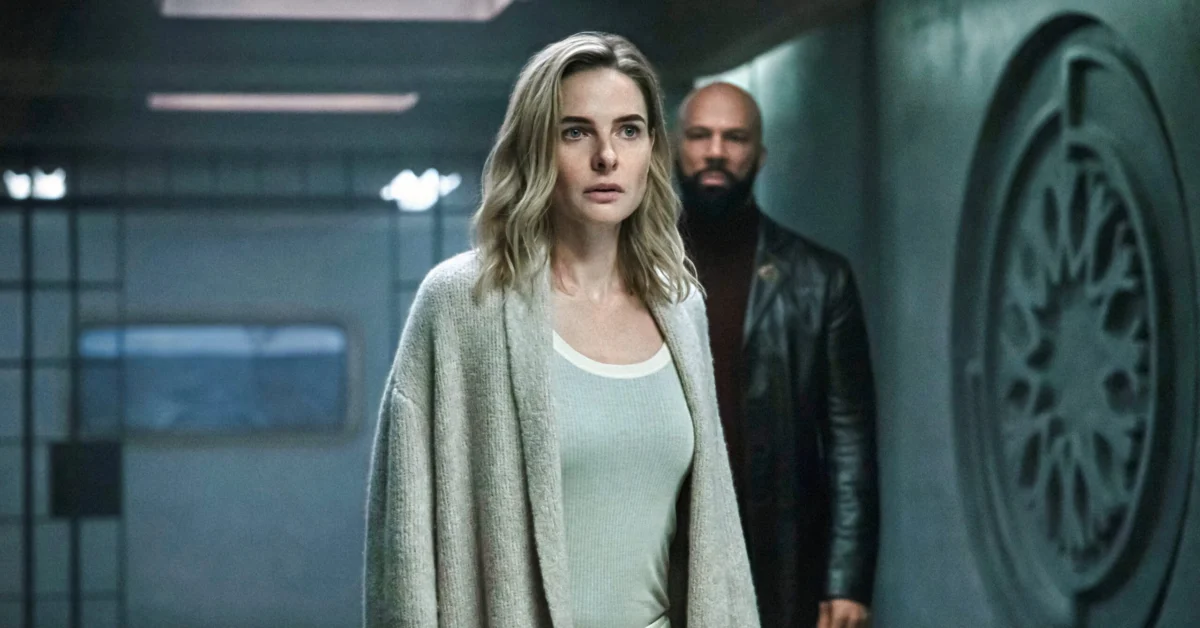
As Apple TV’s dystopian hit Silo returns for its highly anticipated third season, the series finds itself navigating a precarious cultural landscape. Based on the acclaimed novels by Hugh Howey, the show—which depicts the final 10,000 remnants of humanity living in a massive, subterranean bunker—has shifted from high-concept science fiction to a narrative that feels disturbingly synchronized with current geopolitical tensions.
The season three premiere, which debuted on July 3, 2026, forces a confrontation between the show’s established lore and the volatility of the real world. As the narrative peels back the layers of the "Silo’s" origin, it reveals a near-future Washington, D.C. caught in the crosshairs of an international conflict, mirroring the anxieties of a modern audience.
The Convergence of Narrative and Reality
The central conflict of Silo has always been the mystery of the "Outside"—the scorched, seemingly uninhabitable world that forced humanity into the bunker. However, the season two finale and the subsequent third-season premiere have provided a critical missing piece: the inciting incident. Flashbacks reveal a world teetering on the brink, triggered by a catastrophic dirty bomb attack on the United States, allegedly orchestrated by Iran.
For showrunner Graham Yost, the timing of this plot point was a result of long-term planning, not opportunistic storytelling. "We had no control over when season three would come out, or that it would align with such heightened real-world tensions," Yost stated during a recent virtual press junket. "In the original novels, there was explicit talk of a mission to Iran, so we felt a responsibility to honor that source material and keep it in the narrative."
However, the creative team quickly realized that art was colliding with reality in ways they had not anticipated. The production team had initially dubbed a fictionalized military operation "Righteous Hammer." When a real-world bombing mission occurred last June under the codename "Midnight Hammer," the team faced a dilemma.
"It’s like, ‘Well, great. Now we’ve got to change that,’" Yost admitted, acknowledging the need for sensitivity. "It sounds a little too flip, and I apologize for that. It’s war, and it’s tough. You have to be careful when the fiction you’re crafting feels like it’s bleeding into the headlines."
Chronology of the Silo’s Origins
To understand the weight of season three, one must look at the timeline established by the show’s expanding mythos:
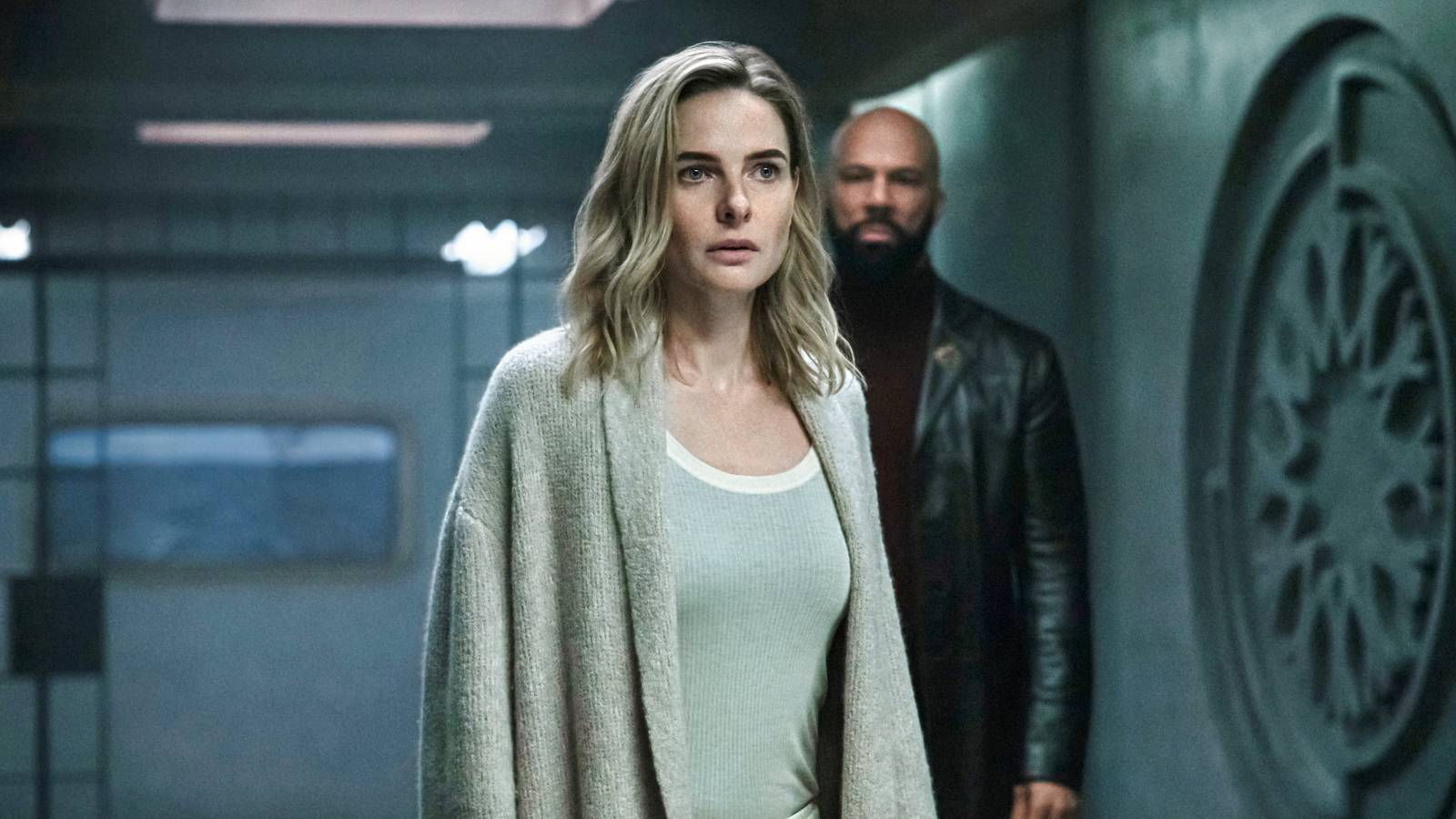
- The Pre-Silo Era: A near-future landscape defined by rapid technological advancement and escalating geopolitical instability.
- The Catalyst: The "Dirty Bomb" event in Washington, D.C., which serves as the immediate precursor to the creation of the Silos.
- The Retaliatory Response: As seen in the season three premiere, the U.S. government initiates a large-scale military counterattack, marking the final moments of the "old world."
- The Great Shift: The transition of the remaining population into the underground bunker, effectively ending the era of surface-dwelling humanity.
This chronology, while rooted in Howey’s 2011 novels, feels newly relevant. The show effectively uses these flashbacks not just as exposition, but as a lens through which the audience can view the current choices of characters like Juliette (Rebecca Ferguson) and newcomer Daniel Keene (Ashley Zukerman).
Supporting Data: A Predictor of Future Anxieties
The resonance of Silo goes beyond mere plot coincidences. Actors and production staff have noted that the show’s writers seem to possess a prescient grasp of modern technological and social shifts.
Ashley Zukerman, who joins the cast this season as Congressman Daniel Keene, noted that the show’s topicality was a primary driver in his decision to join the project. "The writers and Hugh Howey were just very on the pulse of what’s going on in the world in a way that I wasn’t," Zukerman observed.
He pointed to the show’s early inclusion of artificial intelligence themes, which were penned well before the recent, rapid expansion of AI into the mainstream workforce. "AI is mentioned in our show before the AI boom that happened. It just made it feel like the writers really knew what they were talking about—or perhaps they were just paying closer attention to the trajectory of our society than the rest of us."
Official Responses and Creative Adjustments
The production team, including executive producer and lead star Rebecca Ferguson, has had to engage in ongoing discussions regarding the show’s tone. The challenge is maintaining the integrity of the dystopian source material while remaining respectful of the real-world trauma that global conflicts inflict on the audience.
"You talk about, ‘Do we change it?’" Ferguson explained during the interview. "Do we change our storyline because of the situation in the world? It’s a constant conversation because it’s affecting everyone. We are aware that we are putting this into a world that is already hurting."
The decision, ultimately, was to lean into the emotional core of the story rather than the spectacle of the war. By focusing on the human cost of the decision-making process—what leads a leader to choose the end of the world over the continuation of the status quo—the show shifts the focus from "political thriller" to "existential drama."

Implications: The Humanity in the Bunker
As the season progresses, Silo begins to weave in more speculative sci-fi elements, pulling the narrative away from the immediate, topical conflict and into the broader mysteries of the Silo’s construction. However, the emotional stakes remain firmly anchored in the "dark times" of its premise.
"I think the show is ultimately just about living in dark times and how you keep the light alive in yourself and in each other," Zukerman added. "That’s what’s beautiful about it. I think it’s just a very kind show. Everyone is just really trying to do their best. You can understand everyone’s point of view."
The implication of this approach is that Silo is not merely a warning about the fragility of our environment, but a study of human behavior under duress. Whether or not the show’s portrayal of geopolitical collapse remains "too realistic" as the season unfolds, the series succeeds by asking the fundamental questions of the human experience: How do we act when the world as we know it is ending? And, more importantly, what parts of our humanity are worth preserving in the dark?
Looking Ahead
With the third season now streaming, the focus remains on whether the series can continue to balance its high-octane mystery with the somber, reflective tone that defined its previous installments. The writers’ ability to anticipate the complexities of the future, combined with a cast that is deeply invested in the moral ambiguity of their characters, positions Silo as a cornerstone of modern speculative television.
As global events continue to unfold, Silo stands as a testament to the power of genre fiction to act as both a mirror and a compass—a way to reflect the anxieties of the present while exploring the potential paths of our future. For viewers, the experience of watching the show is no longer just about entertainment; it is about recognizing the shared fears and hopes that define our collective existence in an uncertain time.
Silo season 3 is available to stream on Apple TV as of July 3, 2026.

