

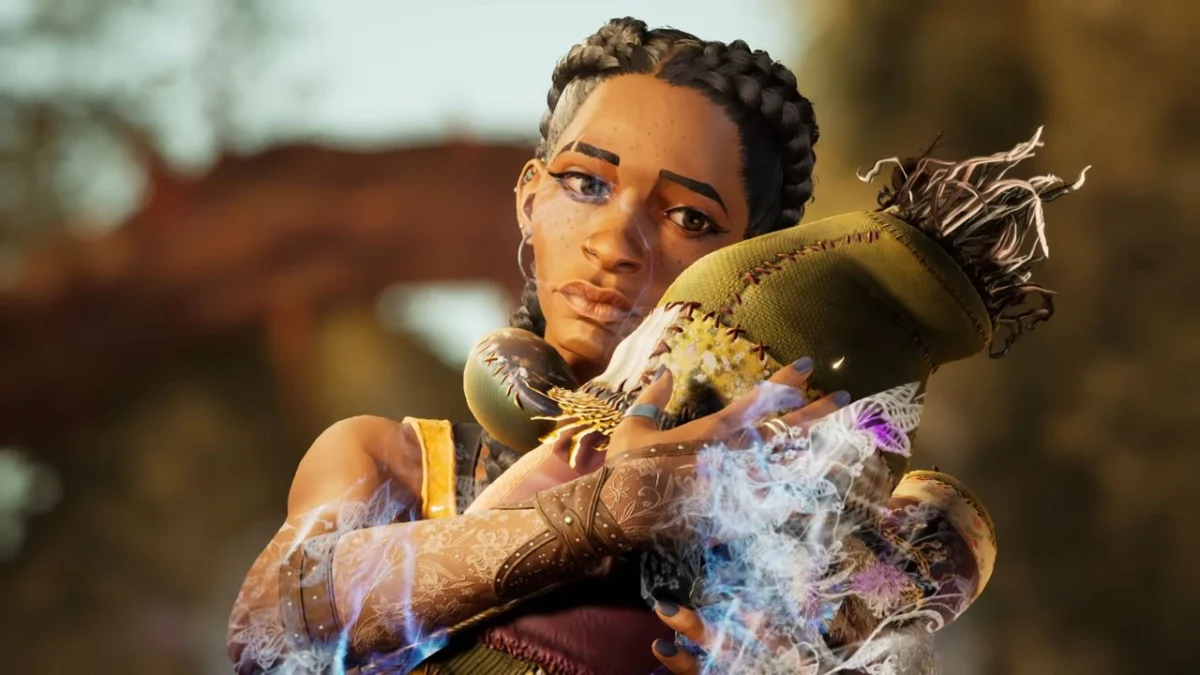
In a move that has sent shockwaves through the video game industry, Microsoft is reportedly closing Compulsion Games, the Montreal-based developer behind the critically acclaimed South of Midnight and the cult-classic We Happy Few. This decision comes a mere eight years after Microsoft’s high-profile acquisition of the studio in 2018, marking a grim milestone in the tech giant’s ongoing efforts to "reset" its gaming division.
The reported closure of Compulsion Games—a studio known for its distinct art direction and narrative-driven experiences—highlights a growing tension between creative ambition and the rigid financial demands of the modern "sustainable" gaming business. Despite recent award wins and the successful launch of South of Midnight on multiple platforms, the studio has reportedly become the latest casualty of a broader industry-wide contraction that shows no signs of slowing down.
Main Facts: The Dissolution of a Creative Powerhouse
The news of the closure first surfaced via reports from Kotaku, which indicated that the studio, estimated to employ over 90 developers, is being shuttered as part of a larger downsizing initiative within Xbox Game Studios. This development follows months of uncertainty within Microsoft’s gaming sector, which has seen thousands of layoffs over the past two years.
While Microsoft has not yet issued a formal press release regarding the studio’s final day of operation, internal signals have been unmistakable. Senior writer Zaire Lanier took to social media hours before the reports went public, stating she was "looking for work." Lanier later shared the news of the closure, joining a chorus of industry professionals mourning the loss of a studio that prioritized unique storytelling over cookie-cutter blockbuster formulas.
The timing of the closure is particularly jarring. Compulsion Games recently released South of Midnight, a Southern Gothic action-adventure that received widespread critical acclaim. The title earned prestigious Peabody and BAFTA awards, honors that are rarely bestowed upon video games. Within the industry, the game was viewed as a triumph of cultural representation and atmosphere, yet these accolades were apparently insufficient to protect the studio from the corporate axe.
A Chronology of Compulsion: From Independence to Acquisition and Beyond
To understand the weight of this closure, one must look at the trajectory of Compulsion Games since its inception in 2009. Founded by Guillaume Provost, the studio initially gained attention for its 2013 title Contrast, a vaudevillian puzzle-platformer that showcased the team’s penchant for surrealist aesthetics.
The Rise of We Happy Few
In 2015, Compulsion launched a Kickstarter campaign for We Happy Few, a retrofuturistic survival horror game set in a dystopian 1960s England. The game’s striking visuals—inspired by A Clockwork Orange and 1984—caught the eye of major publishers and, eventually, Microsoft.
The 2018 Acquisition
During the E3 2018 Xbox Briefing, Phil Spencer announced that Microsoft had acquired Compulsion Games alongside other notable studios like Ninja Theory and Playground Games. At the time, the move was seen as a way for Microsoft to bolster its first-party lineup with "prestige" titles that could rival Sony’s PlayStation exclusives. Microsoft promised Compulsion the resources and financial stability to pursue their creative visions without the constraints of independent funding.
The Development of South of Midnight
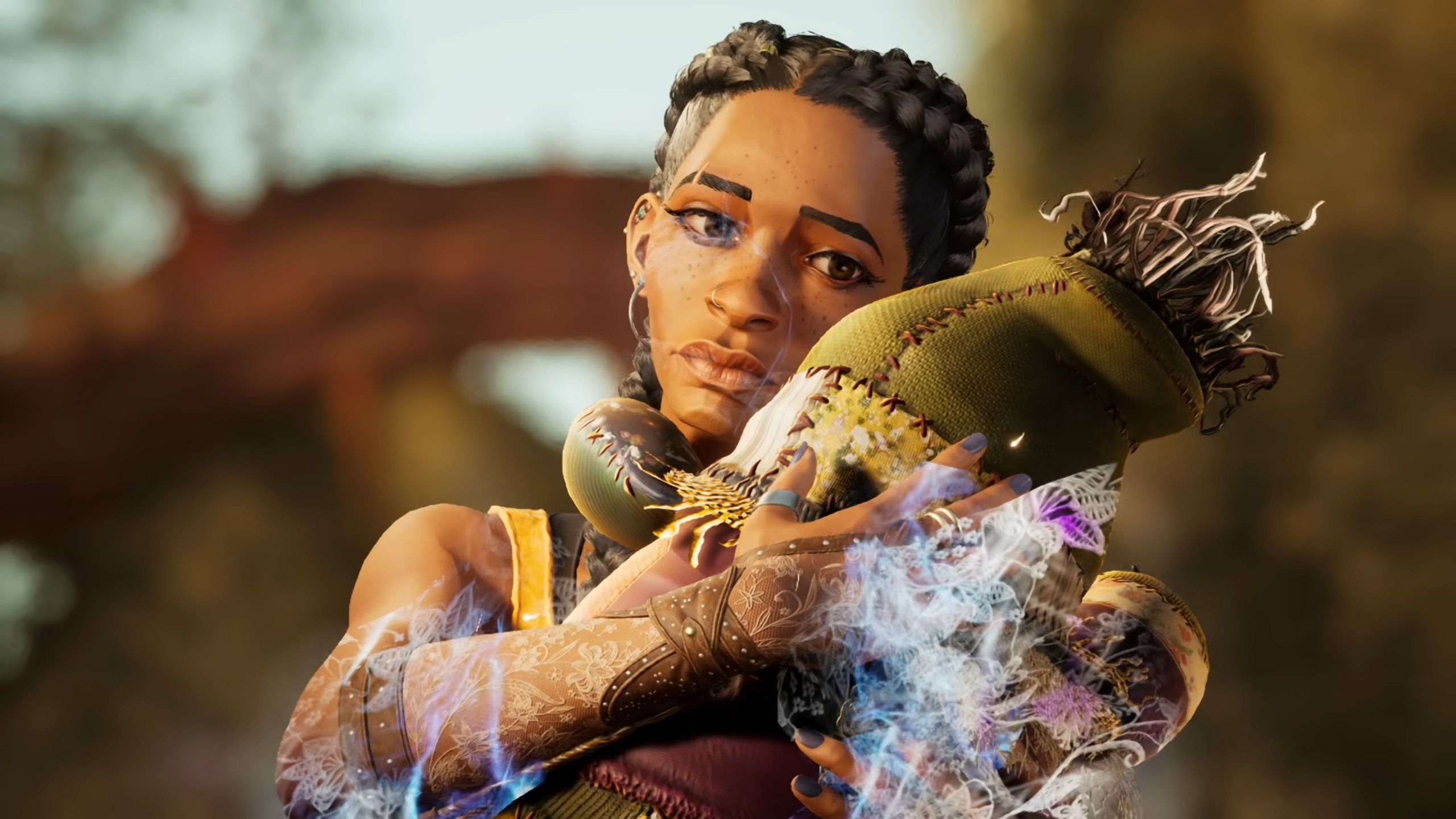
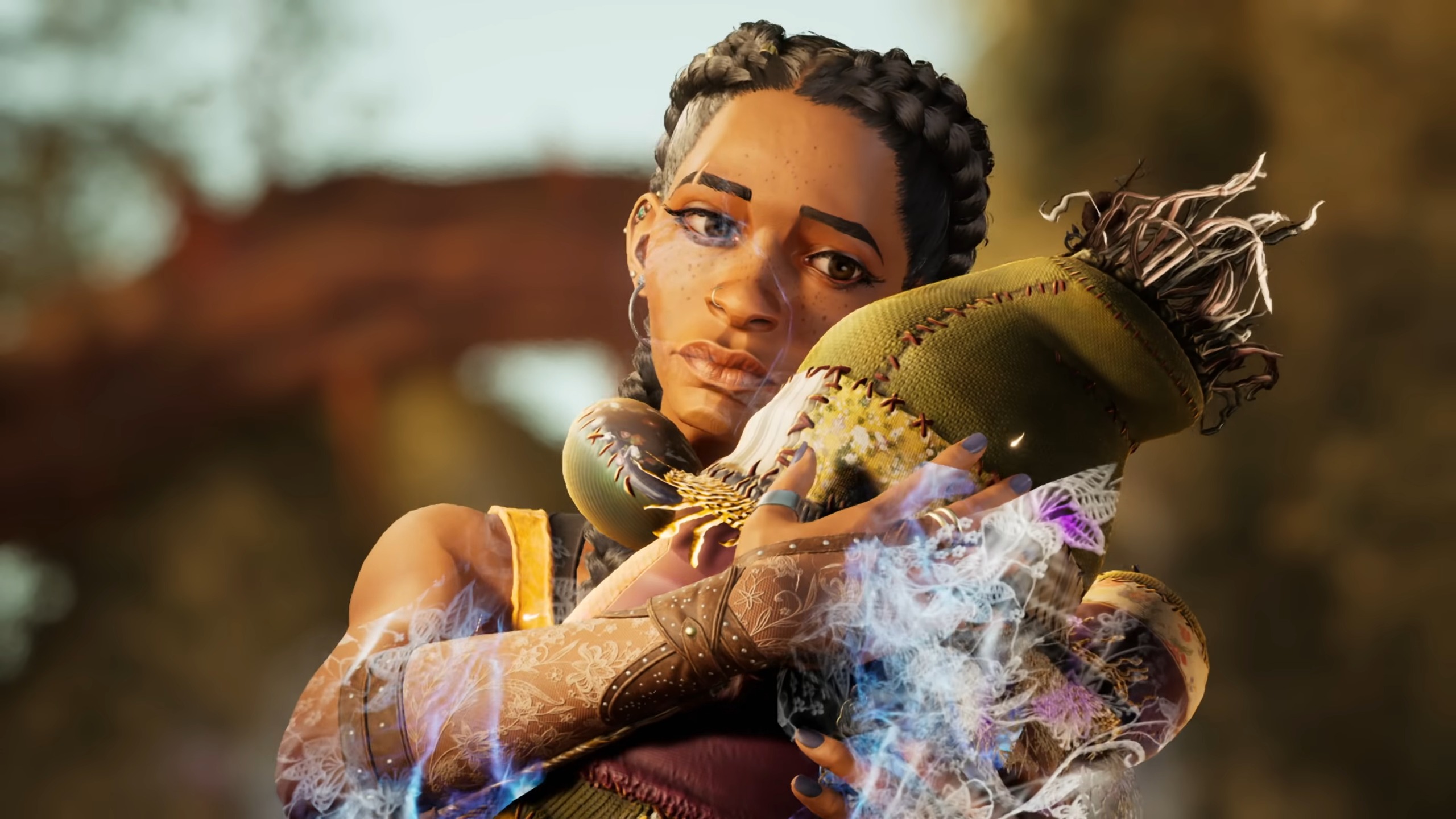
For six years following the acquisition, Compulsion worked in relative silence. They transitioned from the survival mechanics of We Happy Few to the more focused, narrative-heavy action of South of Midnight. The game, which explores the folklore of the Deep South through the eyes of a young woman named Hazel, was released earlier this year to strong reviews. It was ported to the PlayStation 5 and the rumored "Switch 2" hardware, signaling Microsoft’s new strategy of bringing first-party titles to rival platforms to maximize revenue.
The Sudden End
Despite the critical success of South of Midnight, the report of the studio’s closure suggests that the game’s financial performance or the studio’s long-term production costs did not align with Microsoft’s shifting priorities for the 2025 fiscal year.
Supporting Data: The Broader Context of Industry Downsizing
The reported shuttering of Compulsion Games does not exist in a vacuum. It is part of a systemic "reset" within Microsoft and the wider gaming industry. In the last 18 months, Microsoft has laid off upwards of 15,000 employees across its various divisions, with the gaming sector bearing a significant portion of that burden.
The July Layoffs
Internal memos and industry analysts have pointed toward deeper layoffs hitting Xbox in July. These cuts are reportedly aimed at "right-sizing" a division that Microsoft leadership now admits is "over-extended." The acquisition of Activision Blizzard for $69 billion has put immense pressure on Xbox to show immediate and substantial returns, leading to the sacrifice of smaller, experimental studios.
The "Sustainable Business" Mandate
Microsoft CEO Satya Nadella recently commented on the need for Xbox to become a "sustainable business." This rhetoric reflects a shift away from the "growth at all costs" mentality that defined the Game Pass era from 2018 to 2022. During that period, Microsoft acquired dozens of studios to fill its subscription service with content. Now, the company is focusing on high-margin, "evergreen" franchises like Call of Duty, Minecraft, and Halo, leaving little room for studios like Compulsion that produce one-off, narrative-driven experiences.
Official Responses and Leadership Shuffles
The atmosphere at Xbox has been further complicated by a series of high-level departures. Craig Duncan, the head of Xbox Game Studios, recently announced his departure after less than two years in the role. Duncan’s exit followed the appointment of Asha Sharma as the new Xbox CEO and Matt Booty as Chief Content Officer.
In a joint interview with Game File earlier this year, Booty and Sharma expressed the necessity of a "reset." Ironically, during that same interview, Booty praised Compulsion Games as the gold standard for the kind of IP Microsoft wanted to cultivate.
"We run a portfolio that includes some of the biggest franchises on the planet—Call of Duty and Minecraft—but we’re also dedicated to places where new IP can come to life… studios like Compulsion and Double Fine," Booty said at the time.
The dissonance between these public statements and the reported closure has left many industry observers questioning the stability of Microsoft’s remaining first-party studios. If a Peabody-winning studio with a successful multi-platform launch can be closed, it suggests that no studio—regardless of its critical pedigree—is safe.
Implications: The Death of the "AA" Prestige Game?
The closure of Compulsion Games carries heavy implications for the future of the video game industry, specifically regarding the "AA" or "mid-budget" prestige title.
The Return of the "Lionhead Effect"
Industry veterans are already drawing parallels between Compulsion and Lionhead Studios. Microsoft acquired Lionhead (the creators of Fable) in 2006, only to close the studio a decade later. For years, Xbox executives cited the closure of Lionhead as a mistake they would never repeat. However, the reported fate of Compulsion suggests that history is indeed repeating itself. The upcoming Fable reboot, now handled by Playground Games, serves as a haunting reminder of the original studio’s demise.
The Risk of Homogenization
Compulsion Games was unique in its willingness to tackle complex themes of societal joy (in We Happy Few) and cultural folklore (in South of Midnight). By removing such a studio from its roster, Microsoft risks homogenizing its output. Without "prestige" studios to balance out the live-service giants like Call of Duty, the Xbox ecosystem may lose the creative diversity that makes a subscription service like Game Pass attractive in the long run.
Impact on the Canadian Development Scene
The closure is also a blow to the Montreal game development hub. Compulsion was one of the jewels of the Quebec tech scene. The loss of nearly 100 high-skilled jobs will be felt across the local economy and may lead to a talent drain as developers seek stability at independent studios or move away from the traditional "AAA" corporate structure.
Conclusion
The reported closure of Compulsion Games marks the end of an era for one of the industry’s most imaginative developers. While Microsoft continues to chase the "sustainability" required to appease shareholders in the wake of massive acquisitions, the cost of that sustainability is becoming clear: the loss of the very creative voices that once made the Xbox brand synonymous with innovation.
As the industry prepares for the next wave of layoffs in July, the story of Compulsion Games serves as a cautionary tale. In the modern gaming landscape, critical acclaim and prestigious awards may no longer be enough to survive the cold calculations of corporate consolidation. For fans of Hazel’s journey in South of Midnight, the game now stands as a beautiful, haunting swan song for a studio that dared to tell different stories.

