

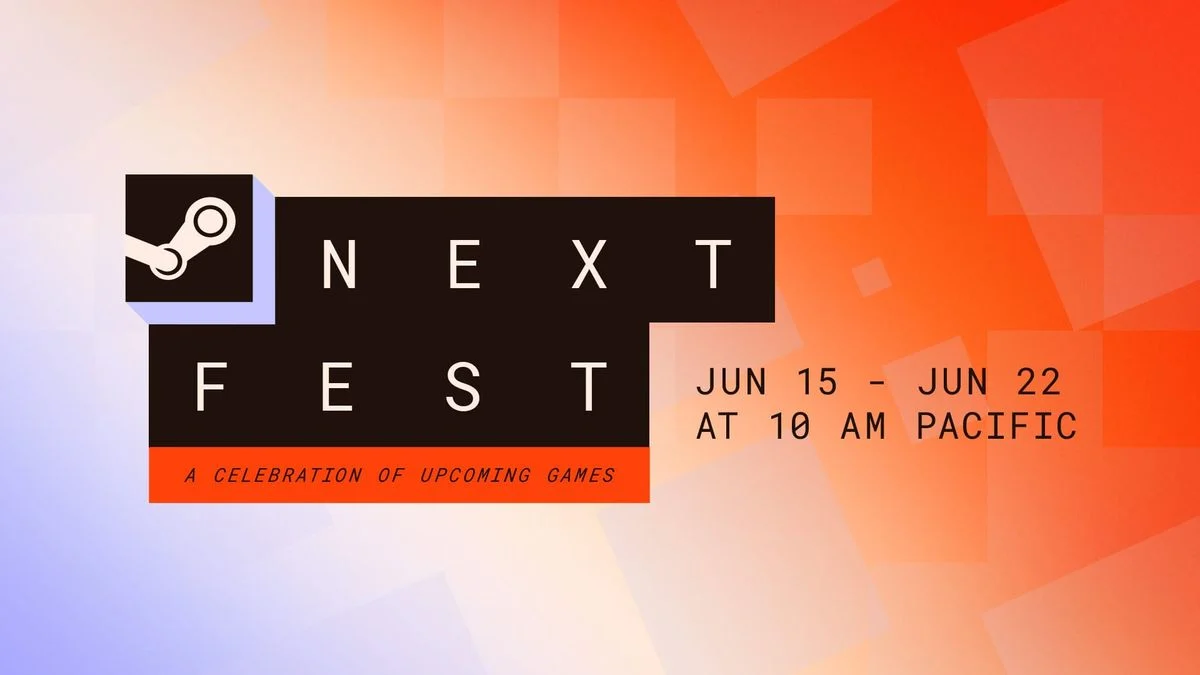
The digital gates have swung open once again for one of the most anticipated events in the PC gaming calendar. Steam Next Fest, Valve’s recurring celebration of upcoming titles, has officially commenced, bringing with it a fresh, expansive crop of PC VR demos. Running from today through June 22 at 1 p.m. ET, this week-long festival serves as a critical testing ground for developers and a playground for enthusiasts eager to preview the next generation of immersive experiences.
While the broader Steam Next Fest encompasses thousands of titles across all genres, the VR segment remains a distinct and vital pillar of the event. It offers a rare opportunity for players to test drive hardware-intensive projects before they reach full commercial release, effectively bridging the gap between niche experimental development and mainstream consumer accessibility.
The State of Play: What to Expect from This Edition
The current iteration of the festival features a diverse tapestry of experiences. Attendees can expect a blend of brand-new, never-before-seen prototypes alongside polished demos for titles that have already made waves on standalone platforms like the Meta Quest or PlayStation VR2. Among the notable participants mentioned in early briefings are Loop One Done, the escape-room puzzler Fixer Undercover, and the rhythm-action title Peak Rhythm.
However, navigating the festival requires a discerning eye. Because Valve’s platform allows for a high degree of developer autonomy, the list of participating titles is fluid. As we have observed in previous years, some developers may opt into the event only to withdraw at the eleventh hour due to technical hurdles or shifts in production timelines. Furthermore, the ecosystem is plagued by the occasional "hybrid" title—games that boast VR support in their initial pitch but release demos that are strictly desktop-based. Our editorial team has performed a rigorous audit to filter these out, but the landscape remains dynamic.
A Chronology of the Next Fest Phenomenon
To understand the significance of the current June event, one must look at the evolution of Steam Next Fest. Originally rebranded from the "Steam Game Festival" in 2021, the event was born out of a necessity during the pandemic, when traditional physical trade shows like E3 and Gamescom were forced to pivot to digital formats.
The Rise of the Virtual Demo
In the early days of 2020, developers struggled to get their software in front of the press and the public without the physical presence of a booth. Valve recognized this void and utilized the massive infrastructure of the Steam client to democratize access. By the time the June 2024 iteration rolled around, the festival had transformed from a simple promotional tool into a sophisticated, data-driven launchpad.
The VR Integration
VR developers, in particular, benefited from this shift. Unlike flat-screen titles, VR games rely heavily on "feel"—the haptic feedback, the tracking precision, and the spatial audio. For a small indie developer, the cost of sending demo hardware to journalists is prohibitive. Steam Next Fest solved this by allowing users to download the experience directly to their own home setups. This has created a symbiotic relationship where Valve provides the platform, and developers provide the high-fidelity content that justifies the hardware purchases of the PC VR community.
Supporting Data: Why Demos Matter in 2024
The importance of the demo cannot be overstated in the current economic climate of the gaming industry. According to industry tracking data, games that participate in Steam Next Fest see, on average, a 300% to 500% increase in "Wishlist" additions compared to games that do not. For VR developers, who often operate on razor-thin margins, these numbers represent the difference between a successful launch and total obscurity.
The "Wishlist" Economy
Steam’s algorithm is notoriously sensitive to user engagement. When a user downloads a demo and adds the full game to their wishlist, it sends a powerful signal to the store’s recommendation engine. Consequently, the week of the festival is essentially a "discovery sprint." Developers aren’t just looking for feedback; they are building the critical mass of interest required to break through the front page of the Steam Store upon their eventual release.
Technical Challenges of VR Porting
While many games in this festival are cross-platform ports, the technical challenges involved are significant. Converting a game designed for a mobile-based chipset (like that of a standalone headset) to run on a high-powered PC requires significant optimization. Players using the current batch of demos will notice differences in resolution, lighting, and texture fidelity. This event acts as a "stress test" for these ports, allowing developers to identify where their PC optimizations are succeeding and where they are falling short.
Official Perspectives and Industry Standards
In conversations with indie developers, the consensus is clear: the volatility of the platform is the price of admission. We received our initial list of participants from Valve nearly two weeks ago, and as noted, it remains a living document.
"We want to provide the most accurate list possible," says a spokesperson familiar with the festival’s curation. "However, the nature of indie development is that things change quickly. A bug found in a build three days before launch can force a developer to pull their demo. It’s part of the iterative nature of the process."
This transparency is vital. The gaming community has become increasingly wary of "VR-compatible" tags that turn out to be deceptive. There have been instances where games were tagged for VR support by mistake, leading to significant community backlash. To mitigate this, Valve has encouraged developers to be more rigorous with their metadata, but the responsibility ultimately falls on the consumer to verify requirements.
Implications for the Future of PC VR
The inclusion of these demos has broader implications for the VR industry at large. As we look toward the latter half of 2024, the PC VR market is facing a transitionary period. With the rise of high-end wireless streaming and the maturation of PC-tethered headsets, the demand for "premium" VR experiences—games with deeper narratives and more complex mechanics—is at an all-time high.
The "Hybrid" Shift
One of the most interesting trends emerging from this festival is the prevalence of hybrid games. More developers are building their titles to be playable in both 2D and VR from the ground up. This reduces the risk for the developer, as they are not tethered solely to the VR user base, but it also provides a "gateway" experience for traditional gamers to try VR without feeling like they are sacrificing a standard gaming experience.
The Scarcity Principle
Perhaps the most important takeaway for our readers is the temporary nature of these offerings. Many of the demos available right now are strictly time-bound. Once the festival concludes on June 22, many developers will pull their demos to focus on final polish, meaning that for many of these titles, this is the only time they will be playable for free. We strongly advise our readers to prioritize their "must-play" list early in the week.
Final Recommendations for Attendees
For those looking to make the most of the week, we suggest a three-pronged approach:
- Prioritize by Genre: Use the Steam search filters to isolate VR titles. If you are a fan of horror, look for titles that emphasize atmospheric lighting; if you prefer action, look for titles that showcase high-frame-rate physics.
- Report Discrepancies: If you find a game tagged as VR that lacks support, use the Steam "Report" feature. It helps the community and keeps the ecosystem clean.
- Engage with Developers: Most developers are active on the Steam Discussion boards for their specific games during the festival. If you encounter a bug or have a suggestion, let them know. Your feedback during this week is more valuable than at any other time in the development cycle.
As the clock ticks down toward the June 22 cutoff, the energy surrounding Steam Next Fest is palpable. Whether you are a veteran of the VR space or a curious newcomer, this festival offers a unique window into the future of immersive entertainment. From the innovative puzzle mechanics of Fixer Undercover to the rhythmic intensity of Peak Rhythm, the current lineup is a testament to the creativity that continues to flourish in the PC VR space.
Prepare your hardware, clear your schedule, and dive in. The next big thing in VR might just be a single download away.

