

By [Author Name]
Published: October 24, 2026
Main Facts: A New Contender in the Action-RPG Arena
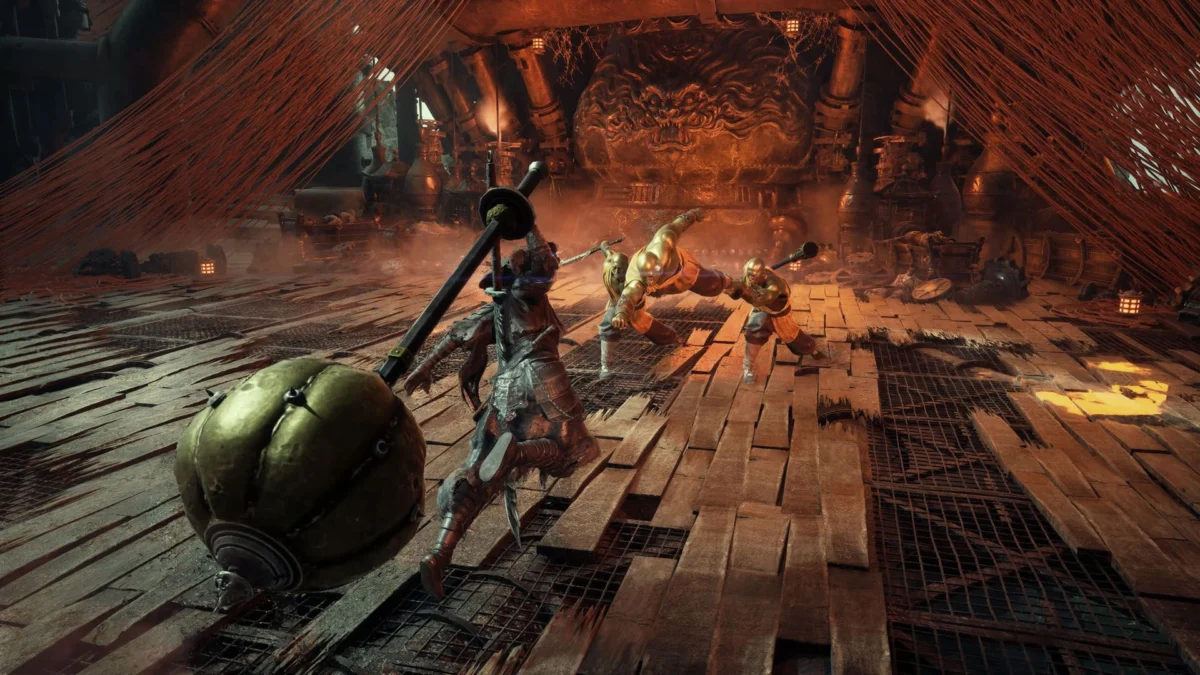
As the gaming industry looks ahead to the latter half of the decade, few titles command as much intrigue as Phantom Blade Zero. Developed in-house and published by S-Game, the upcoming PC and PlayStation 5 exclusive has steadily transformed from an ambitious visual showcase into one of the most mechanically confident action-RPGs on the horizon.
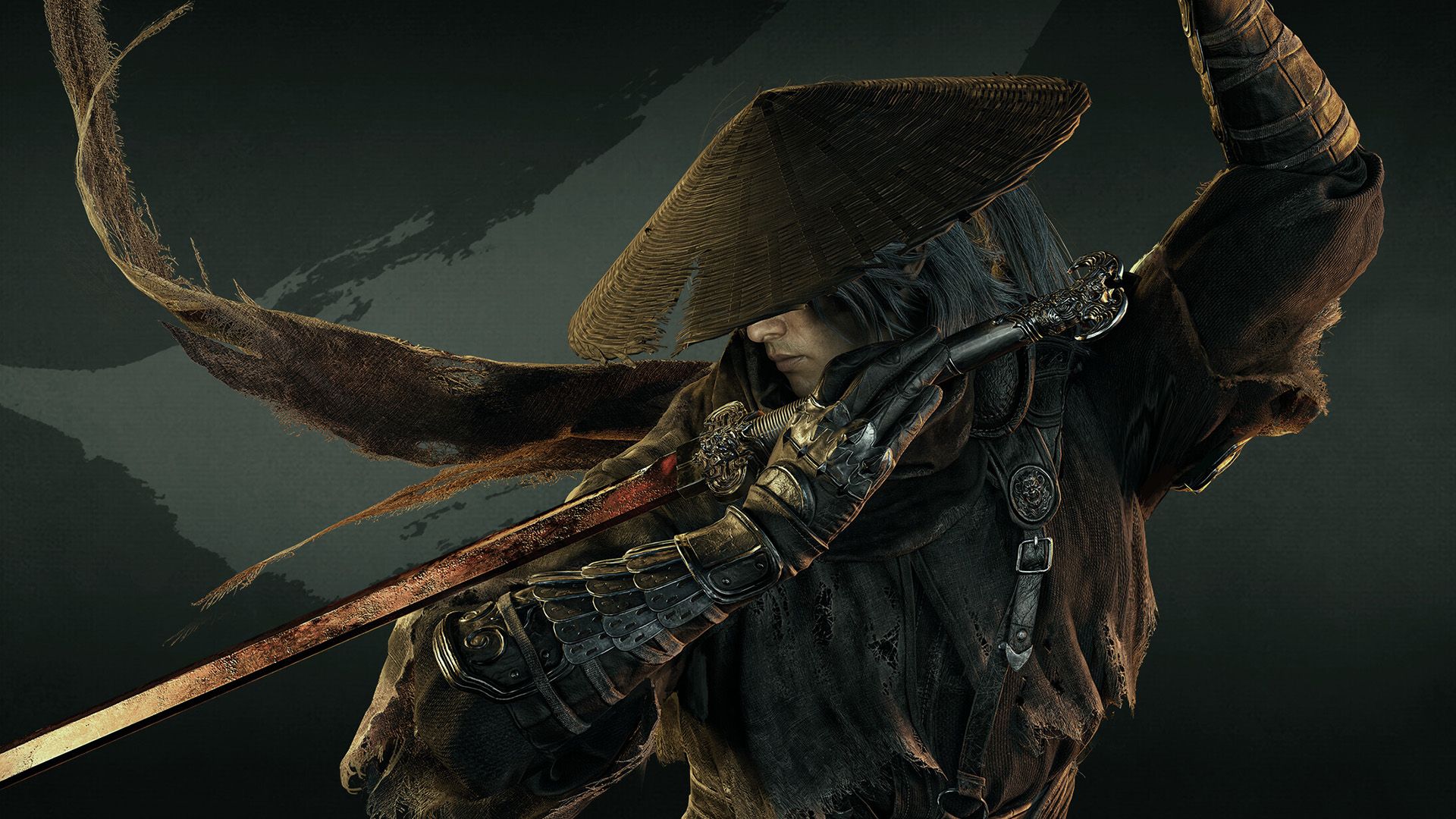
Slated for release on October 29, 2026, the game places players in the boots of Soul, an elite assassin trapped in a dark, horror-tinged wuxia universe. Eschewing the strictly punishing, joyless difficulty loops sometimes associated with modern sub-genres, Phantom Blade Zero seeks to strike a delicate balance between high-octane martial arts choreography and tactical depth. Following an extensive hands-on preview session with a two-hour gameplay demo, industry critics have begun to reevaluate where the title sits within the ecosystem of "Soulslike" games, noting that its distinct focus on cinematic flow and player empowerment sets it apart from its contemporaries.
Chronology: The Journey Through the Demo’s Blood-Soaked Ravines
The early stretches of Phantom Blade Zero waste no time establishing its atmospheric and narrative stakes. The two-hour preview experience offered a comprehensive look at how S-Game intends to structure pacing, exploration, and combat encounters from the moment players boot up the game.
1. The Opening Skirmish and Vertical Exploration
The demo commences dynamically, thrusting Soul into a chaotic battle atop a fast-moving, horse-drawn carriage. This blistering introduction immediately transitions into an expansive, vertically rich open area set within a deep, foreboding ravine.
Navigating the terrain requires more than just a basic run-and-jump mentality. Players must master wall-running, chain-swinging, and vertical scaling to progress past winding, enemy-infested paths. Throughout this journey, an eerie thematic motif presents itself: glowing red threads. Serving as both atmospheric set-dressing and ethereal navigation tools, these crimson lines guide the protagonist organically toward points of interest, hidden loot, and, inevitably, high-stakes boss confrontations.
2. Bastions of Life and the Calm Before the Storm
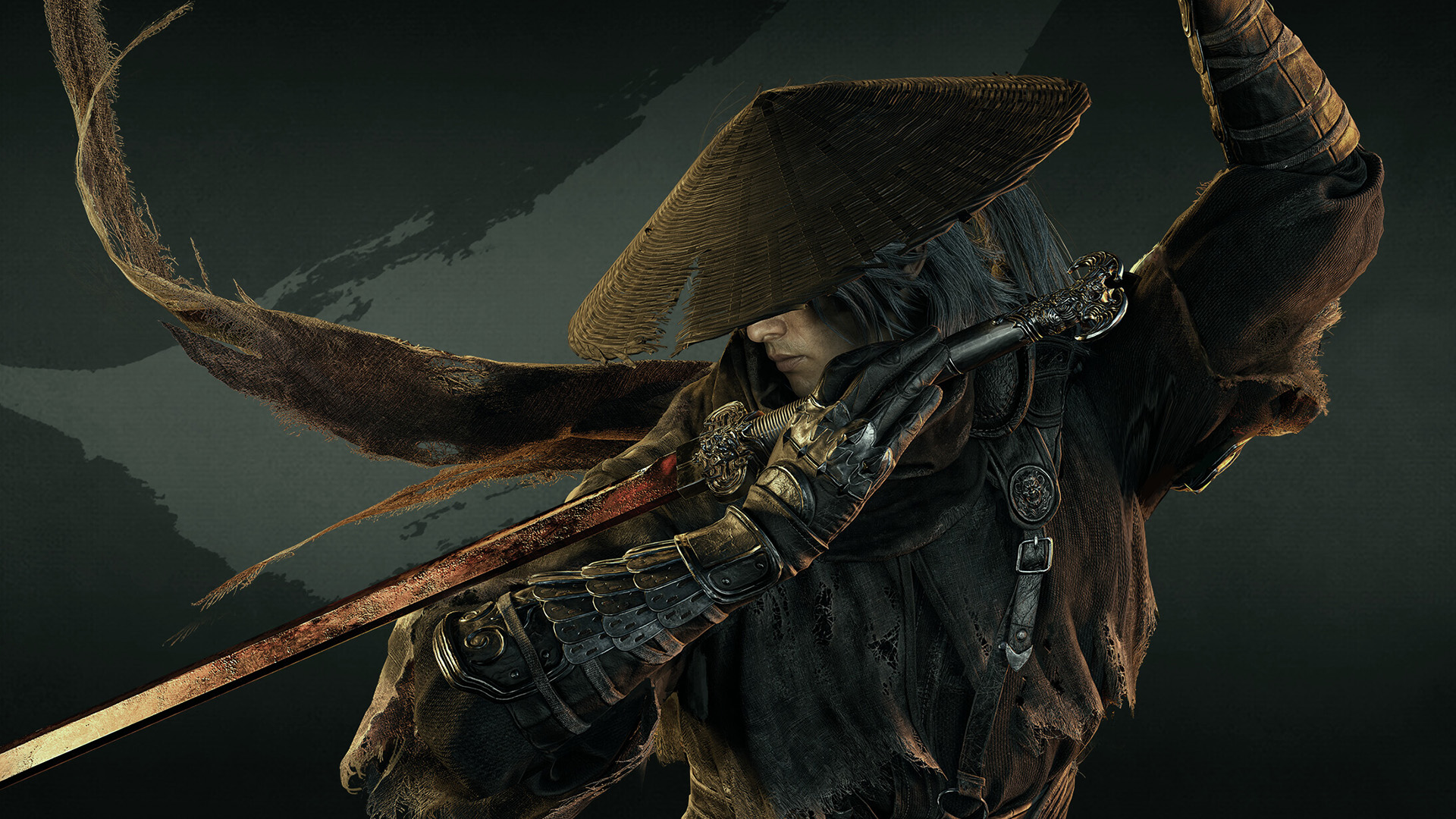
Emerging from the hazardous ravine, players stumble upon a secluded village populated by friendly NPCs. This settlement provides a stark contrast to the oppressive gloom of the surrounding wilderness, showcasing a level of environmental scale and atmospheric immersion that hints at a living, breathing world.
However, tranquility is short-lived. Leaving the village behind, the path forward becomes littered with corpses, funneling the player inevitably toward a brutal mid-demo boss arena. It is here that the combat systems truly begin to click. The introduction of the "Phantom Edge"—a devastating secondary weapon triggered via the R2 button that delivers a colossal axe-swing—proves instrumental in shattering enemy defenses and turning the tide against aggressive foes.
3. The Climax: Flame, the Mask-Bound Lion Dance Grandmaster
The final thirty minutes of the hands-on preview serve as the ultimate test of skill, pitting Soul against "Flame, the Mask-Bound Lion Dance Grandmaster." Heavily reminiscent of mythical beasts seen in other legendary action titles (such as the Divine Beast Dancing Lion from Elden Ring: Shadow of the Erdtree), this massive entity combines explosive fire attacks with unpredictable, sweeping melee strikes.
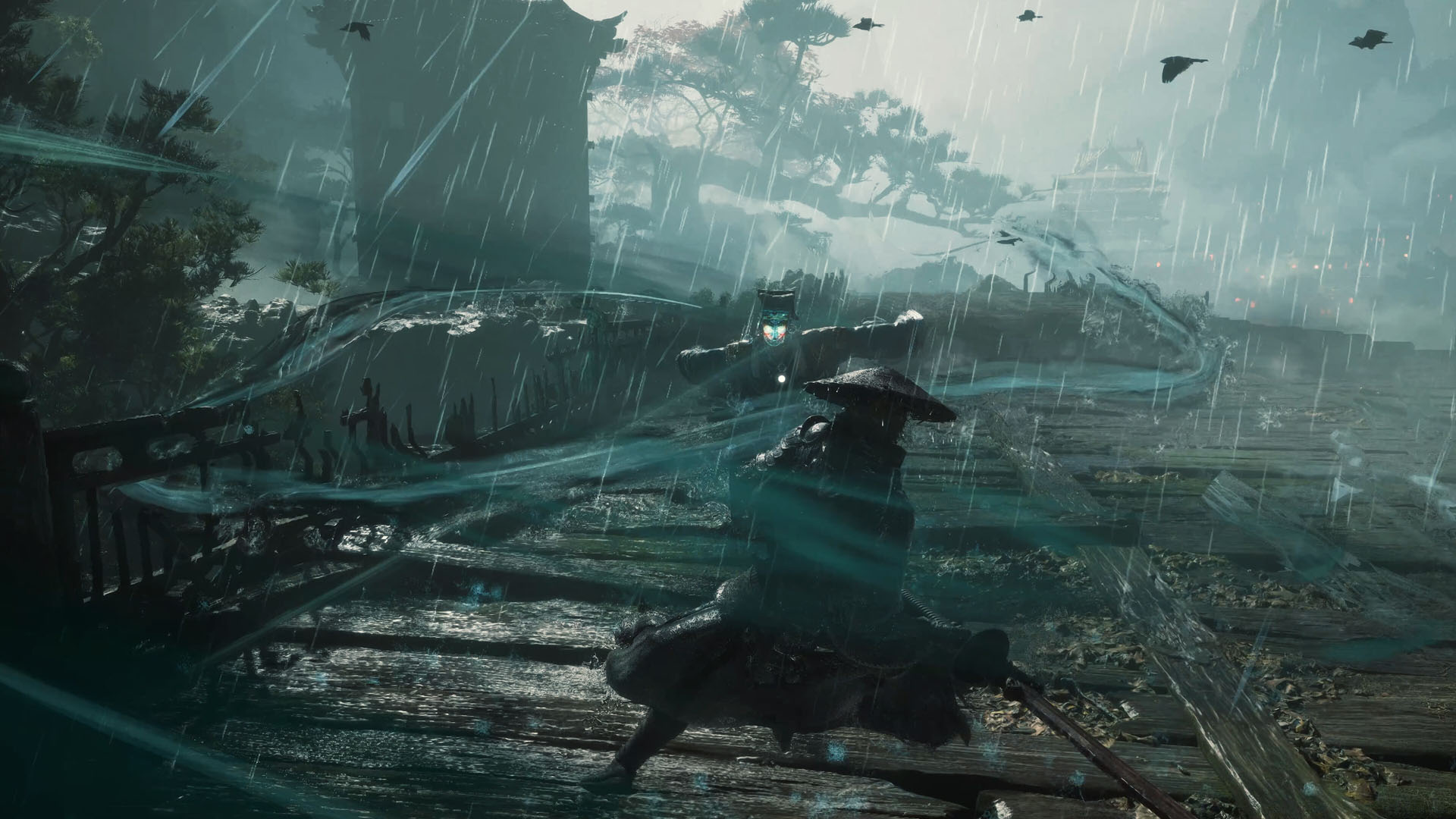
As the battle progresses, Flame begins scorching sections of the arena floor, severely restricting movement in a manner akin to Bloodborne’s Laurence, the First Vicar. Just when players believe the beast has been vanquished, a sudden phase-two transition reveals a second humanoid combatant stepping onto the battlefield. Faster, deadlier, and fighting with the precision of a master martial artist rather than a wild animal, this final surprise cut the demo short for many testers, leaving them stranded on the precipice of round two—and hungry for the full release.
Supporting Data: Game Profile and Technical Overview
To better understand Phantom Blade Zero’s place in the modern gaming landscape, consider the following key production and design metrics:
- Developer: In-house studio (S-Game)
- Publisher: S-Game
- Target Platforms: PC, PlayStation 5
- Official Release Date: October 29, 2026
- Core Combat Philosophy: Wuxia-inspired fluid martial arts blended with weapon-swapping combos, accessible parry windows, and tactical secondary tools (such as the Phantom Edge).
- Exploration Design: Vertically integrated open environments featuring parkour elements (wall-running, chain-swinging) and bonfire-style checkpoints/fast-travel mechanics.
Official Perspectives: Balancing Accessibility and Challenge
One of the most persistent discussions surrounding Phantom Blade Zero prior to its release has been its classification. While internet discourse frequently lumps the title into the "Soulslike" category due to its checkpoint systems, dark aesthetic, and demanding boss encounters, early hands-on reports suggest a different reality.
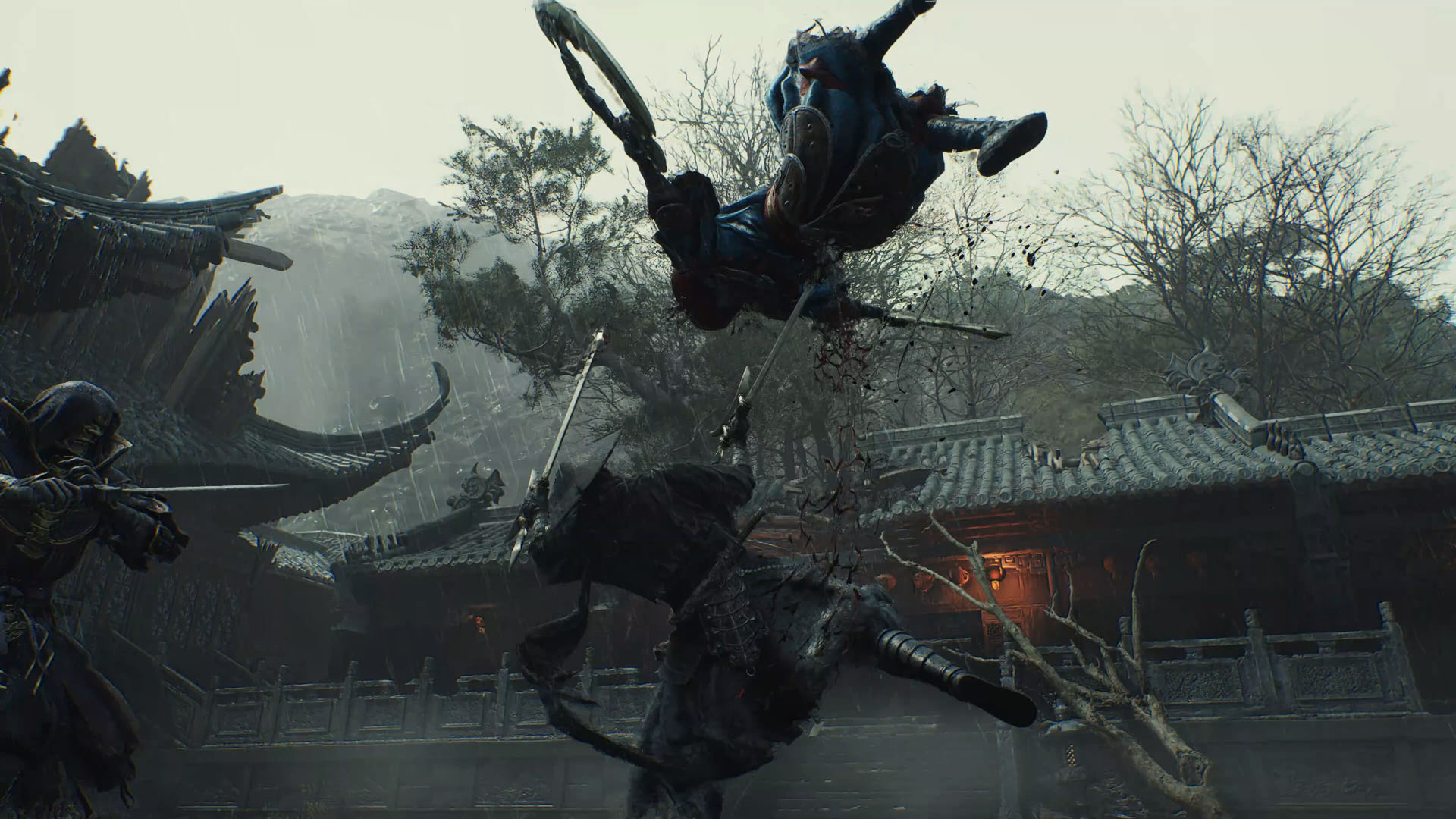
Playing on the game’s normal difficulty, previewers noted that Phantom Blade Zero is remarkably forgiving compared to traditional masocore titles. Parry windows are reasonably generous, and the protagonist, Soul, can absorb multiple hits before needing to heal.
S-Game’s design philosophy appears to prioritize exhilaration over exhaustion. Rather than punishing the player arbitrarily, the game encourages aggressive experimentation. Whether a player prefers the hyper-agile, dual-wielding daggers approach or the heavy, rhythmic swings of a massive blade, the combat sandbox is engineered to make the player feel like a wuxia master. The inclusion of bonfires and fast-travel bells acknowledges the structural DNA of the genre, but the pacing—steeped in cinematic martial arts flair—ensures it carves out its own distinct identity.
Implications: What Phantom Blade Zero Means for the 2026 Gaming Landscape
As October 29, 2026, fast approaches, the implications of Phantom Blade Zero’s success—or failure—extend far beyond S-Game’s portfolio.
- The Evolution of Chinese AAA Gaming: Following the monumental global success of titles like Black Myth: Wukong, Phantom Blade Zero represents the next wave of high-budget, globally targeted action games emerging from Chinese development studios. Its polished blend of traditional Chinese wuxia folklore with modern, hyper-responsive combat mechanics demonstrates a mature understanding of what international audiences crave.
- Redefining the "Soulslike" Sub-genre: By proving that a game can feature demanding bosses, stamina management, and checkpoint mechanics without resorting to artificial frustration or punishing learning curves, Phantom Blade Zero could pave the way for a more accessible evolution of the action-RPG genre. It shows developers that depth and player-empowerment do not have to be mutually exclusive.
- A Strong Q4 Anchor for PlayStation 5 and PC: Landing in the competitive late-October window, Phantom Blade Zero is positioned to be a major holiday tentpole. If the full game matches the breathtaking art direction, varied boss design, and intoxicating combat tempo of its two-hour demo, S-Game will have delivered not just a hit, but a defining action-RPG masterpiece for 2026.

