

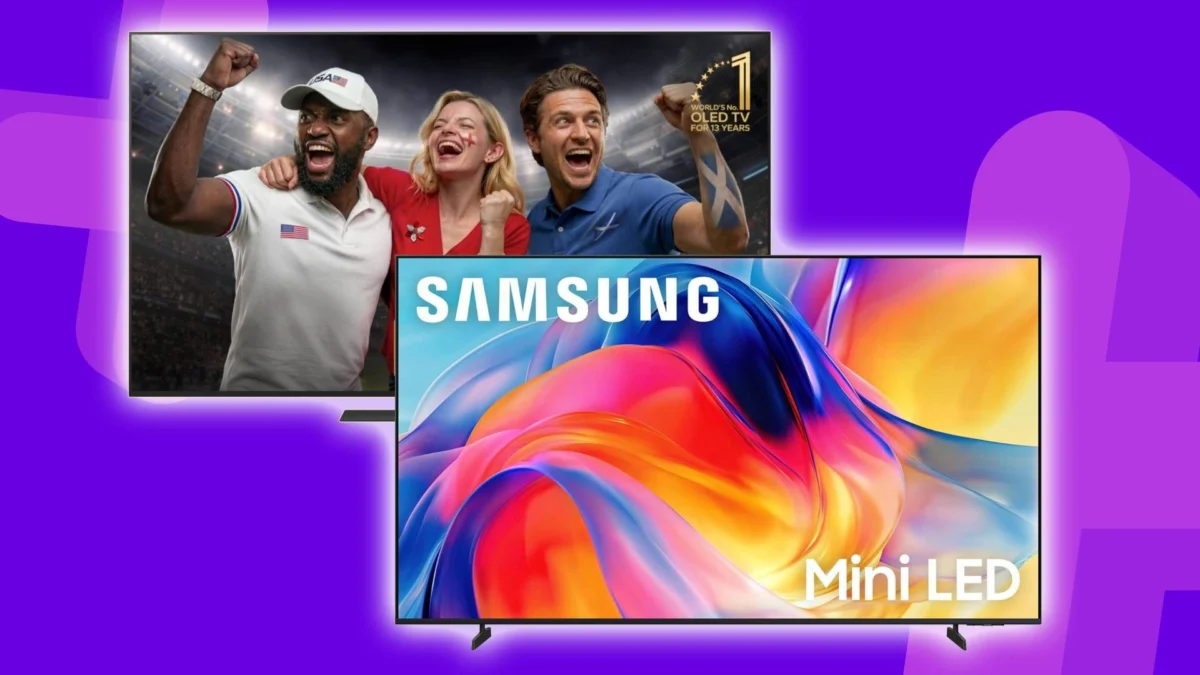
The intersection of national celebration and international sporting excellence has created a unique "perfect storm" in the consumer electronics market this July. As the United States prepares for its Independence Day festivities, the retail sector is witnessing a surge in demand for high-end home entertainment systems, fueled by the closing stages of the FIFA World Cup. With the final scheduled for July 19, a convergence of post-Prime Day inventory clearances and 4th of July promotional windows has resulted in some of the most aggressive pricing seen in the television market since the previous Black Friday cycle.
Main Facts: A Buyer’s Market Emerges
The current retail landscape is dominated by two primary technological camps: the premium Organic Light Emitting Diode (OLED) sector and the rapidly advancing Mini LED market. Industry analysts have noted that the 2024 discount cycle is particularly deep, with flagship models seeing price cuts that exceed traditional mid-summer expectations.
The headliner of this season’s discount wave is the LG OLED C6 65-inch, a model widely regarded as a benchmark for color accuracy and motion handling. Currently retailing for $1,999—down from its original MSRP of $2,699.99—this $700 reduction represents a significant entry point for consumers looking to upgrade to "infinite contrast" technology.
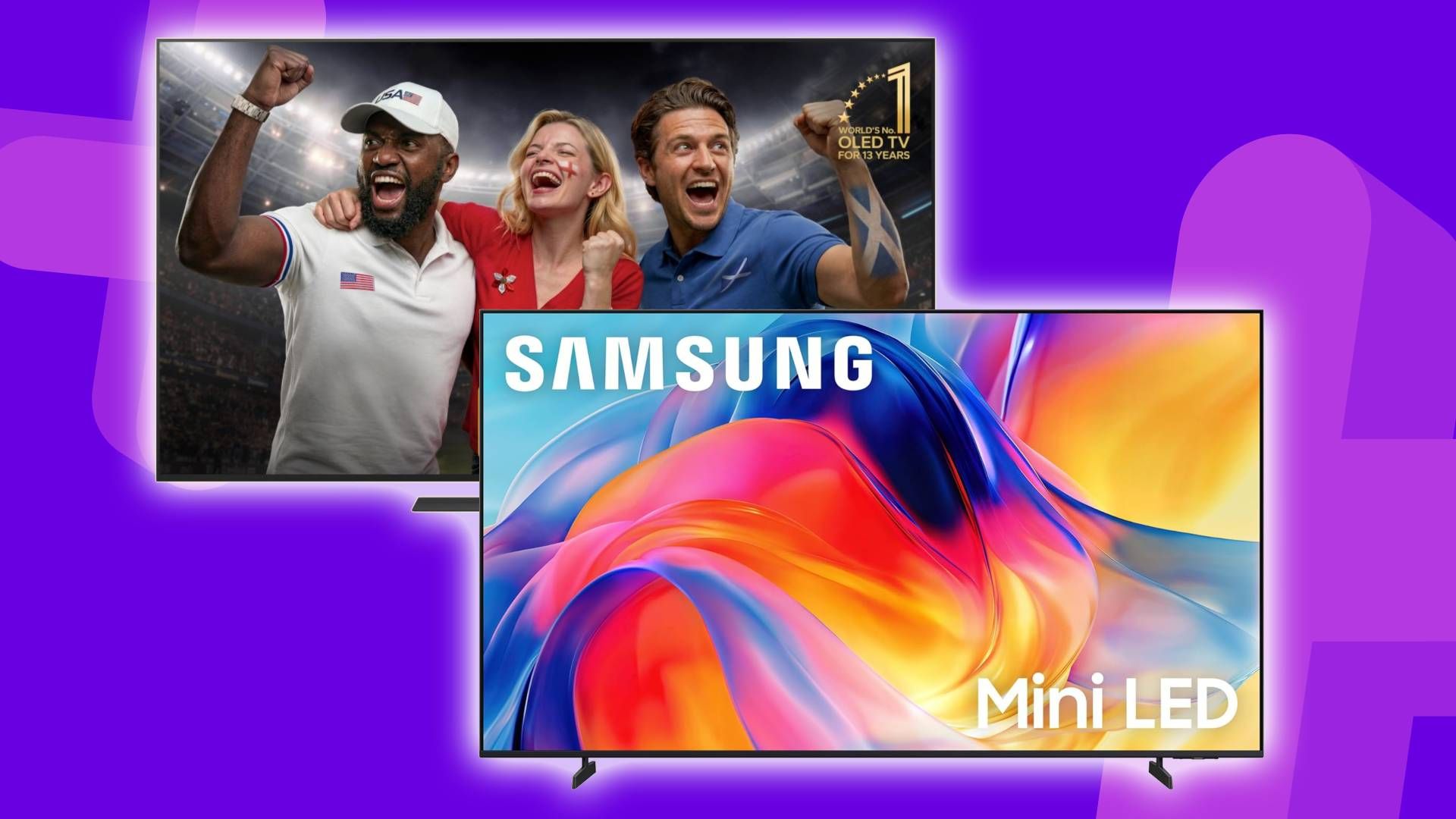
Simultaneously, the Mini LED segment has become a battleground for value. Entry-level units are now appearing for as low as $200, offering a brightness-to-cost ratio that was unthinkable just twenty-four months ago. These sets, which utilize thousands of tiny LEDs to provide better local dimming than traditional LCDs, are being positioned as the ideal solution for bright living rooms where 4th of July daytime viewing is common.
Key Market Highlights:
- Premium Segment: LG OLED C6 (65-inch) discounted by 26%, now priced at $1,999.
- Budget Segment: Mini LED alternatives starting at $200, targeting casual viewers and secondary rooms.
- Sporting Catalyst: 19 matches remaining in the FIFA World Cup, including the quarter-finals, semi-finals, and the July 19 Final.
- Retail Strategy: Transitioning from the "Flash Sale" model of Prime Day to the "Holiday Weekend" model of the 4th of July.
Chronology: From CES Innovations to July Clearances
To understand why July has become the pivotal month for TV acquisitions, one must look at the annual lifecycle of consumer electronics.
January – March: The Reveal and Transition
The year begins with the Consumer Electronics Show (CES) in Las Vegas, where manufacturers like LG, Samsung, and Sony debut their newest panels. During this period, the previous year’s models are heavily discounted to clear warehouse space.
April – June: The Premium Launch
New flagship models, such as the LG C6 series, typically hit the shelves in late spring. These units enter the market at "Early Adopter" pricing, often remaining at full MSRP for the first quarter of their availability.
Late June: The Prime Day Catalyst
Amazon’s Prime Day serves as the first major stress test for the year’s pricing. It forces competitors like Best Buy, Walmart, and Target to respond with their own "Anti-Prime" events. This year, the momentum from these June sales has bled directly into the July 4th window.
July 4th – July 19: The Final Push
With the FIFA World Cup reaching its crescendo, retailers are capitalizing on "event-based purchasing." Consumers who may have been on the fence during Prime Day are often spurred to action by the prospect of watching a World Cup Final on a superior screen. The July 19 final acts as a hard deadline for these consumers, creating a sense of urgency that retailers are eager to exploit.
Supporting Data: Why Sports Fans are Choosing OLED and Mini LED
The technical requirements for viewing professional football (soccer) are among the most demanding in the entertainment world. Unlike cinematic content, which often relies on 24 frames per second (fps) and moody lighting, sports broadcasting demands high brightness and impeccable motion processing to handle the fast-moving ball and panning camera shots.
The OLED Advantage
The LG OLED C6’s success in this market is backed by its self-emissive pixels. Because each pixel can turn off completely, there is zero "blooming" around white jerseys against a green pitch. Furthermore, OLEDs have a near-instantaneous response time (typically 0.1ms), which virtually eliminates the motion blur that can plague cheaper LCD panels during high-velocity play.
The Mini LED Rise
Data from market research firms suggests that Mini LED sales have grown by nearly 35% year-over-year. The technology uses "Quantum Dots" and high-density backlighting to achieve peak brightness levels often exceeding 2,000 nits. For a 4th of July gathering, which often takes place in sun-drenched living rooms, the high brightness of a Mini LED screen often outperforms the more reflective OLED panels.
Consumer Sentiment and Spending
A recent survey of consumer electronics shoppers indicated that 62% of respondents considering a TV upgrade in July cited "major sporting events" as a top-three influence on their decision. Additionally, the average budget for a "living room centerpiece" TV has shifted upward to the $1,500–$2,000 range, explaining the high interest in the LG C6’s $1,999 price point.
Official Responses: Retailers and Manufacturers Weigh In
While manufacturers rarely comment on specific price drops—preferring to maintain an aura of premium branding—retailers have been vocal about the strategic importance of the July window.
A spokesperson for a major national electronics chain, speaking on the condition of anonymity, noted: "The period between Prime Day and the 4th of July is no longer a ‘dead zone.’ We are seeing a new consumer behavior where shoppers track prices across three weeks. If they see the LG OLED hit $1,999, they aren’t waiting for Black Friday anymore. They want it in time for the World Cup quarter-finals."
LG Electronics has focused its recent marketing efforts on the "Filmmaker Mode" and "Sports Alert" features of its C6 series. By integrating software that notifies users of match start times and scores, the manufacturer is directly courting the demographic currently driving the July sales surge.
Market analysts from the Consumer Technology Association (CTA) suggest that the aggressive pricing on Mini LED sets is a defensive move by traditional manufacturers to stave off competition from budget-friendly brands like TCL and Hisense, who have aggressively captured the sub-$1,000 market.
Implications: The Long-Term Impact on the Home Theater Market
The current pricing war has several long-term implications for both the industry and the average consumer.
1. The Normalization of High-End Tech
By bringing a 65-inch OLED under the $2,000 threshold so early in its lifecycle, the industry is accelerating the "death" of standard edge-lit LED TVs. As OLED and Mini LED become the standard for the middle class, manufacturers will be forced to innovate even further—likely into Micro-LED or 8K resolutions—to maintain their premium margins.
2. The Shift in Seasonal Buying Habits
Historically, November was the only month for TV deals. The current trend suggests a bifurcation of the market. We are seeing a "Summer Season" for sports fans and a "Winter Season" for cinephiles and holiday shoppers. This allows retailers to maintain steady revenue streams throughout the year rather than relying on a single Q4 spike.
3. Sustainability and E-Waste
As the "upgrade cycle" for TVs shortens due to aggressive pricing and the lure of new technology like AI-upscaling (featured prominently in the LG C6), concerns regarding e-waste continue to mount. The industry is facing increased pressure to provide better recycling programs as millions of older "smart" TVs are replaced by these newer, more vibrant models during the 4th of July sales.
4. The Future of Sports Broadcasting
Finally, the mass adoption of sets capable of 120Hz refresh rates and 4K HDR will put pressure on broadcasters. Currently, many World Cup matches are still broadcast in 1080p or upscaled 4K. As the hardware in consumers’ homes begins to outpace the signal being sent by networks, the demand for true, native 4K sports broadcasting will become an undeniable market force.
Conclusion: A Window of Opportunity
As the fireworks prepare to light up the sky on the 4th of July, the glow from new television sets will be lighting up living rooms across the country. Whether consumers opt for the surgical precision of the LG OLED C6 or the high-value brightness of a Mini LED alternative, the message from the market is clear: the luxury of yesterday is becoming the standard of today. With 19 matches left to decide the world champion of football, the "Summer of Screens" is far from over, but for those looking to secure the best possible view, the time to act is now.

